
How to Choose the Best Ijen Crater Tour from Bali: Insider Guide
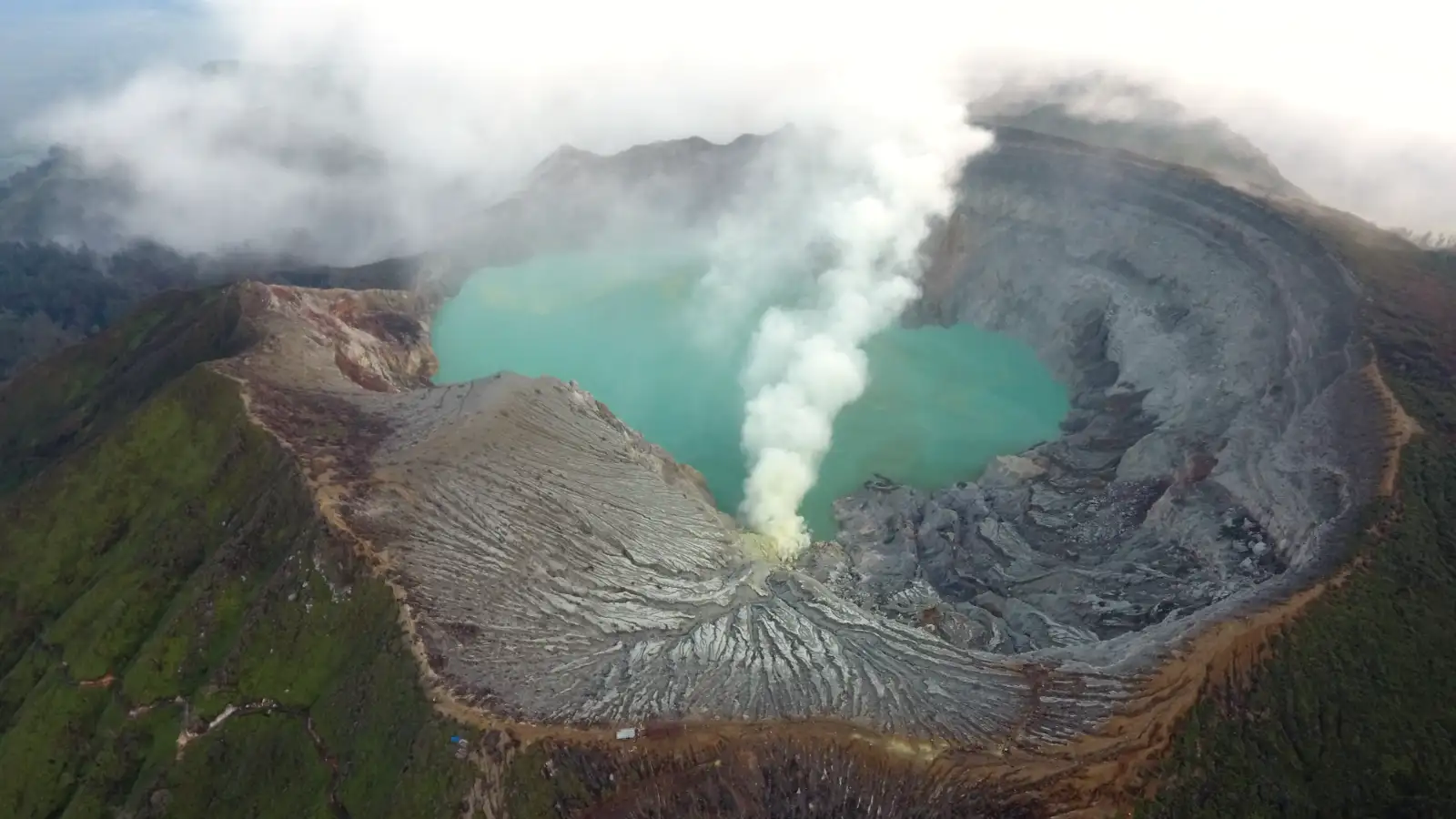
To choose the best Ijen crater tour from Bali, prioritize operators offering private transport, licensed mountain guides, and high-quality gas masks. Look for all-inclusive packages covering ferry fees and local insurance. For the ultimate experience, book a reliable Ijen tour package that aligns with your fitness level and comfort needs.
Standing on the rim of an active volcano at 3 AM is not your average Tuesday. Most travelers in Bali eventually feel the pull of East Java. They want to see that electric blue fire and the world’s largest acidic lake. But the logistics? They are a headache. You are looking at a midnight departure, a ferry crossing, and a steep climb in the dark. It is easy to get overwhelmed by the sea of “cheap” offers in Ubud or Canggu that often result in cramped vans and missing gear.
Choosing correctly means the difference between a life-changing adventure and a grueling, disorganized slog. You need to know which route suits your pace. Some want the fast-track one-day dash, while others prefer a slow burn. If you are feeling overwhelmed, planning the perfect Ijen itinerary is your first step to clarity.
Table of Contents
Why Trust This Guide?
We are not just writers sitting behind a desk. We are local operators who live and breathe the East Java volcanic trails. Every week, our teams navigate the Gilimanuk ferry port and the steep inclines of Paltuding. We see which groups are struggling with bad equipment and which ones are witnessing the sunrise with a hot coffee in hand. This guide comes from years of boots-on-the-ground experience.
Our goal is simple: to stop you from becoming another “Ijen horror story” on Reddit. We know the best Ijen crater tour guide isn’t just someone who knows the path, but someone who knows how to read the sulfur clouds. Your safety and enjoyment depend on real, local expertise that can’t be faked by a flashy Instagram ad.
Real Talk on Human Endurance
Expect to be tired. No matter how much you pay, the hike is a physical challenge. The trail is wide but the first two kilometers are a relentless incline on loose volcanic sand. Your calves will burn, and the air will get thin. By the time you reach the summit, the temperature might be hovering near 5 degrees Celsius. If you are worried about the physical toll, check our Ijen hike difficulty guide for beginners to see if you are ready.
Shared vs. Private Ijen Tours from Bali
This is the first major fork in the road. Shared tours are the bread and butter of the backpacker circuit. You pay a low flat fee, hop into a van with 10 strangers, and hope for the best. It is social, it is cheap, and it is often quite chaotic. You are at the mercy of the slowest person in the group and the driver’s tight schedule. If one person is late to the meeting point in Ubud, everyone misses the ferry.
Private tours are a different beast. You get your own car, a driver who focuses only on your needs, and the ability to stop for a “warung” coffee whenever you like. This is crucial for photography enthusiasts or couples who want a bit of romantic solitude amidst the sulfur smoke. A private ijen volcano tour from bali ensures you aren’t fighting for space in a cramped minibus for 8 hours.
The Hidden Cost of “Cheap” Shared Tours
Low-cost shared tours often cut corners in ways you won’t notice until you are on the mountain. They might use old, leaky gas masks that let the toxic sulfur fumes in. They might drop you at the base without a proper guide, leaving you to wander the dark trails alone. If you value your lungs and your sanity, sometimes paying an extra 30 or 40 dollars for a reputable operator is the smartest investment you can make.
Why Luxury Travelers Choose Private
If you are coming from a high-end villa in Seminyak, the thought of a 24-hour round trip in a shared van is a nightmare. Private options allow for a “Day Trip” style that feels less like a survival test. You can sleep in the back of a comfortable SUV while the driver handles the ferry logistics. For those staying in the south, the Ijen tour from Seminyak is the gold standard for convenience.
The Logistics: Ferry, Driving, and Timing
The journey from Bali to Ijen is a marathon. Most tours leave Bali between 6 PM and 8 PM. You will drive 3 to 5 hours to Gilimanuk, the westernmost port of Bali. Then comes the ferry. The Bali to Ijen ferry crossing takes about 45 minutes to an hour, but wait times can be unpredictable. Once you land in Ketapang, Java, it is another hour’s drive to the Paltuding basecamp.
Timing is everything. If you arrive at Paltuding too late, you miss the blue fire. If you arrive too early, you’ll be shivering in the dark for hours. Professional operators have this down to a science. They know exactly when the gates open (usually at 2 AM) and how to beat the massive crowds that pour in from nearby Banyuwangi. You can learn more about the midnight departure strategy to optimize your sleep.
The Ferry Experience: What No One Tells You
The Gilimanuk to Ketapang ferry is a raw slice of Indonesian life. It is loud, it smells like diesel, and local vendors will try to sell you “tahu goreng” (fried tofu) at 1 AM. It is part of the charm, but it can be exhausting. Having a guide who handles all the tickets and paperwork while you rest in the car is a massive relief. It allows you to save your energy for the 3-kilometer hike ahead.
Choosing Your Base: Ubud, Canggu, or Pemuteran?
Where you start matters. Leaving from Ubud means a longer drive through winding mountain roads. Leaving from Pemuteran is much easier, as you are already in West Bali. If you are staying in the heart of the island, an Ijen tour from Ubud is a long night, but totally doable with a private driver. Canggu residents should prepare for heavy traffic until they hit the main highway.
Safety Check: Masks and Guides
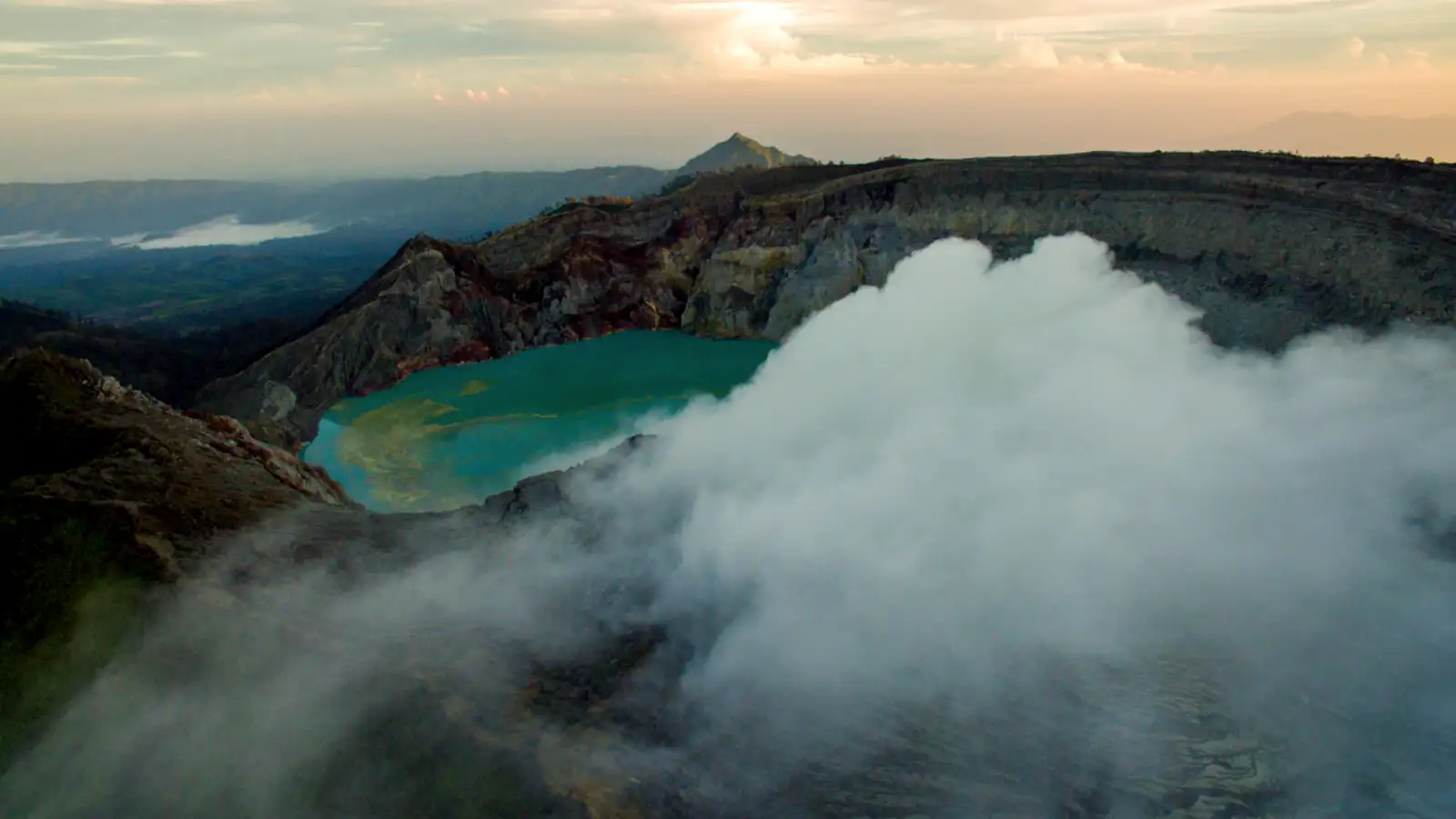
Ijen is an active volcano. That means toxic sulfur dioxide gas is a real factor. When the wind shifts inside the crater, you will be engulfed in a thick, white cloud that tastes like battery acid. Without a high-quality respirator, you will be coughing and panicking. Before you book, ask the operator: “Do you provide professional dual-filter gas masks?” If they say they provide “cloth masks,” hang up. You can check our ijen gas mask guide for details on what to look for.
Guides are your lifeline. A licensed local guide doesn’t just show you the path; they watch the volcanic activity. They know when it is safe to descend into the crater and when the gas levels are too high. They also have a deep respect for the Ijen sulfur miners who haul 80kg of rock up the steep walls. A good tour supports these locals rather than exploiting them.
Insurance and Licensing
Does the tour price include insurance? Most travelers assume their standard travel insurance covers “volcano hiking,” but many policies have exclusions for “extreme sports” or specific altitudes. Reputable operators in Banyuwangi include a local insurance fee in your entrance ticket. Always verify that your operator is a licensed Ijen tour operator to ensure they follow safety protocols.
The Trolley Taxi Option
If you find the hike too difficult halfway up, local miners offer a “volcano taxi.” This is a modified wooden trolley they use to pull travelers up the mountain. It isn’t cheap (expect to pay around 600,000 to 800,000 IDR), but it is a lifesaver for those with knee issues or low stamina. Knowing about the Ijen trolley taxi beforehand can give you peace of mind.
Ijen Tour Price Comparison
You get what you pay for. In the travel world, this is a cliché for a reason. A “too good to be true” price usually means hidden fees or poor service. When comparing costs, look at the inclusions. Does the price cover the Ijen crater entrance fee, ferry tickets, and breakfast? Often, the cheaper tours make you pay these at the gate, which is a major annoyance when you are tired and in the dark.
| Tour Type | Est. Price (USD) | Ideal For | Pros/Cons |
|---|---|---|---|
| Shared Group | $45 – $65 | Backpackers | Cheap, social / Noisy, cramped |
| Private 1-Day | $90 – $130 | Couples / Families | Flexible, fast / Exhausting travel |
| Multi-Day (Bromo-Ijen) | $250 – $400 | Adventure Seekers | See everything / Long travel days |
Don’t Forget the Extras
Even with an all-inclusive tour, keep some local cash (IDR) on you. You’ll want it for tipping your guide, buying a warm hat at the basecamp, or grabbing an extra coffee. For a deeper look at the numbers, check out the complete Ijen travel cost guide to budget your trip perfectly.
The Value of a Good Breakfast
After hiking for 4 hours, you will be starving. Some tours provide a dry piece of bread and a banana. Others take you to a local villa or a high-quality warung for a proper nasi goreng. When choosing a tour, read the ijen tour reviews specifically looking for comments on the food. It makes a world of difference to your recovery.
Popular Related Tour Packages
If you are planning your East Java adventure, these are our most sought-after commercial packages. Each one is designed for maximum safety and comfort.
- Ijen Volcano Tour from Bali (1 Day Intensive)
- Exclusive Ijen Crater Tour Departing from Ubud
- Premium Ijen Crater Tour from Canggu
- 3-Day Bromo & Ijen Volcano Combo from Bali
- Mount Bromo Sunrise Tour from Bali (2 Days)
Ready for Your Ultimate Mount Bromo & Ijen Adventure?
Don’t leave your trip to chance. Join thousands of happy travelers and experience East Java with our top-rated local tour operators.
Frequently Asked Questions
Q: What is the best time for Ijen tour from Bali?
A: The dry season (April to October) is ideal. During the wet season, the trail can be slippery and fog might block the sunrise. For a detailed breakdown, check the best time to visit Ijen guide.
Q: Can I do an Ijen tour from Bali in one day?
A: Yes, but it is intense. You leave at 7 PM and return around 5 PM the next day. It is essentially a 22-hour wake-a-thon. If you have time, staying one night in Banyuwangi is much better.
Q: Is Ijen Crater safe for children?
A: It depends on the child’s age and fitness. The climb is steep and the sulfur gas can be irritating. We generally recommend Ijen for children aged 10 and up. For Bromo, the rules are different; see children visiting Mount Bromo for comparison.
Q: What should I wear for the Ijen hike?
A: Layers are key. It is freezing at the base but you’ll sweat during the hike. Once you stop at the top, the wind chill hits hard. Check our what to wear for Ijen guide for a full packing list.
Q: Is the blue fire always visible?
A: No. It depends on volcanic gas activity and weather. If there is rain or high wind, the fire may be small or invisible. Always manage your expectations and enjoy the sunrise regardless.
Choosing the right tour is about balancing your budget with your need for safety and comfort. Don’t let a bad operator ruin what should be a highlight of your Indonesian journey. If you need more help, Explore our Master Pillar Guide for every detail you could possibly need.
Planning to visit Ijen or Mount Bromo?
Explore available tour options and ask our local team about your itinerary.
Explore Tour Packages →