Bali to Ijen: Midnight Departure Strategy: The Master Guide
Bali sleeps while your journey begins. The humid night air of Canggu or Seminyak clings to you as you climb into a waiting 4×4 or private van.
You are chasing a geological ghost. The electric blue flames of Ijen only reveal themselves in total darkness, demanding a sacrifice of sleep and comfort.
Most travelers underestimate the logistics of the Bali to Ijen midnight departure strategy. They miss ferries, arrive too late for the blue fire, or freeze at the summit.
We have optimized this route through hundreds of successful crossings. If you want to see the world’s largest acidic lake without the typical tourist headaches, lock in your reservation with our local experts today.
What You Need to Know
Essential Stats:
- Hike Duration: 1.5 to 2 hours up.
- Temperature: 5°C to 12°C at the summit.
- Difficulty: Moderate to high (steep incline).
- Current Status: Gas masks are mandatory for crater descent.
Pro Tip: Ensure your driver is experienced with the Java ferry crossing logistics to avoid long queues at the port.
The Logistics of the Midnight Run
Timing is everything when navigating East Java volcano routes. A departure from South Bali at 7:00 PM allows for a buffer against West Bali’s unpredictable traffic.
The road to Gilimanuk port is a winding, two-lane highway dominated by heavy logistics trucks. It is a cinematic experience but requires a skilled driver.
You will pass through dark coastal villages and dense forests before reaching the western tip of the island. The air cools significantly as you leave the coastline.
The Golden Departure Window
Leave too late, and you risk missing the blue fire window. The flames typically fade as the sky begins to lighten around 4:30 AM.
Most travelers find the sweet spot is an 8:00 PM pickup from Ubud. This ensures you reach Paltuding base camp by 1:30 AM or 2:00 AM.
This timeline gives you enough time to meet your guide, fit your sulfur gas masks, and start the ascent with the first wave of hikers.
Crossing the Bali Strait: Gilimanuk to Ketapang
The ferry between Bali and Java operates 24/7. However, the efficiency of the Java ferry crossing depends heavily on the tides and the current queue.
You will leave your car and walk onto the ferry deck. This is a great time to stretch your legs and watch the lights of Banyuwangi approach.
Java is one hour behind Bali. This time gain is your best friend, giving you an extra hour of “buffer” for the midnight hike.
Banyuwangi: The Gateway to Ijen
Once you dock in Banyuwangi travel hubs, you will likely switch to a local 4×4 Jeep. These vehicles are better equipped for the steep, winding mountain roads.
The drive from the port to the mountain takes about 1.5 hours. You will climb through coffee plantations and giant ferns in the pitch black.
The smell of sulfur often begins to hit you even before you reach the parking lot. It is a sharp, acidic scent that signals your arrival at the base camp.
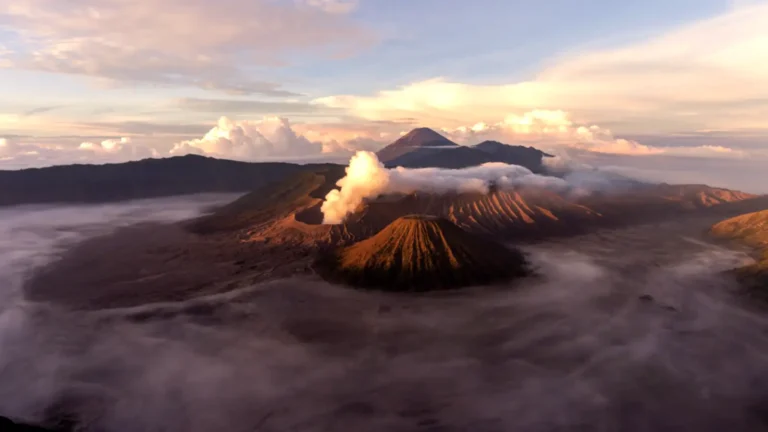
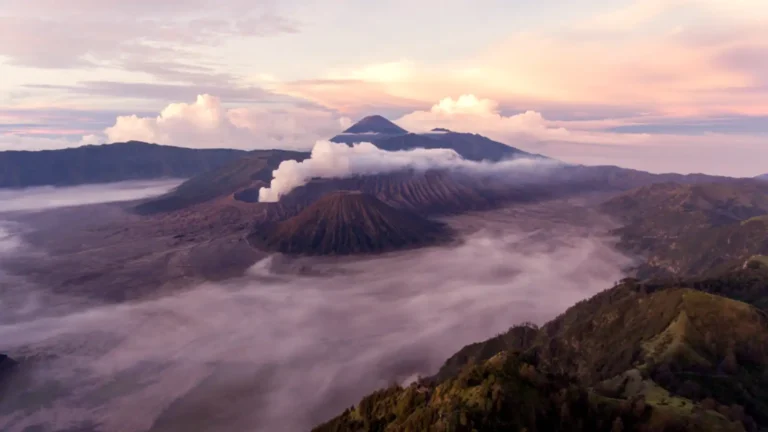
Planning a trip to Java involves more than just a ferry ride. Whether you are looking for a comprehensive Ijen crater tour or want to see the smoking peaks of a Mount Bromo tour, we have you covered. Most adventurous souls choose a Bromo Ijen tour to see both icons in one go. For those with more time, our East Java tour packages reveal the secret waterfalls and hidden temples of this wild island.
The Hike: Tackling the Ijen Trail
The Ijen hiking trail is a 3-kilometer path that starts deceptively wide but gains elevation quickly. The first 1.5 kilometers are the steepest.
You will hear the rhythmic squeak of “trolleys” pushed by locals. These are the taxis of the mountain, often used by those who find the incline too punishing.
The trail is dusty and can be slippery after rain. Strong hiking boots with good grip are not optional if you want to avoid a twisted ankle.
Managing the Sulfur Clouds
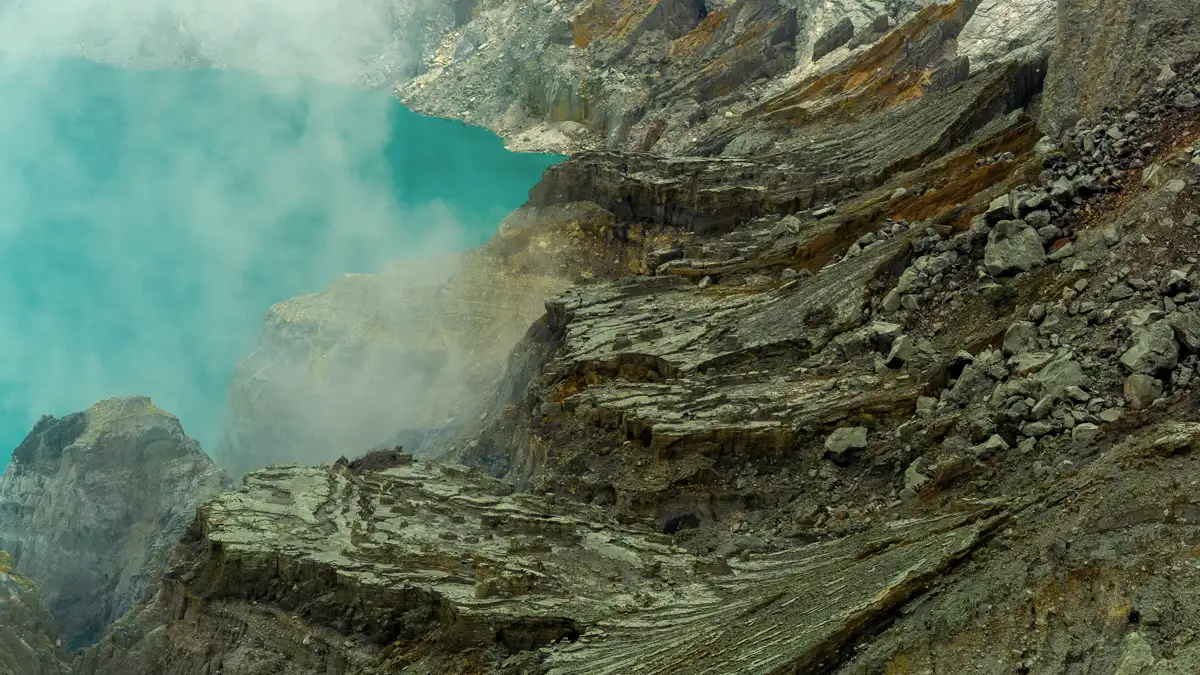
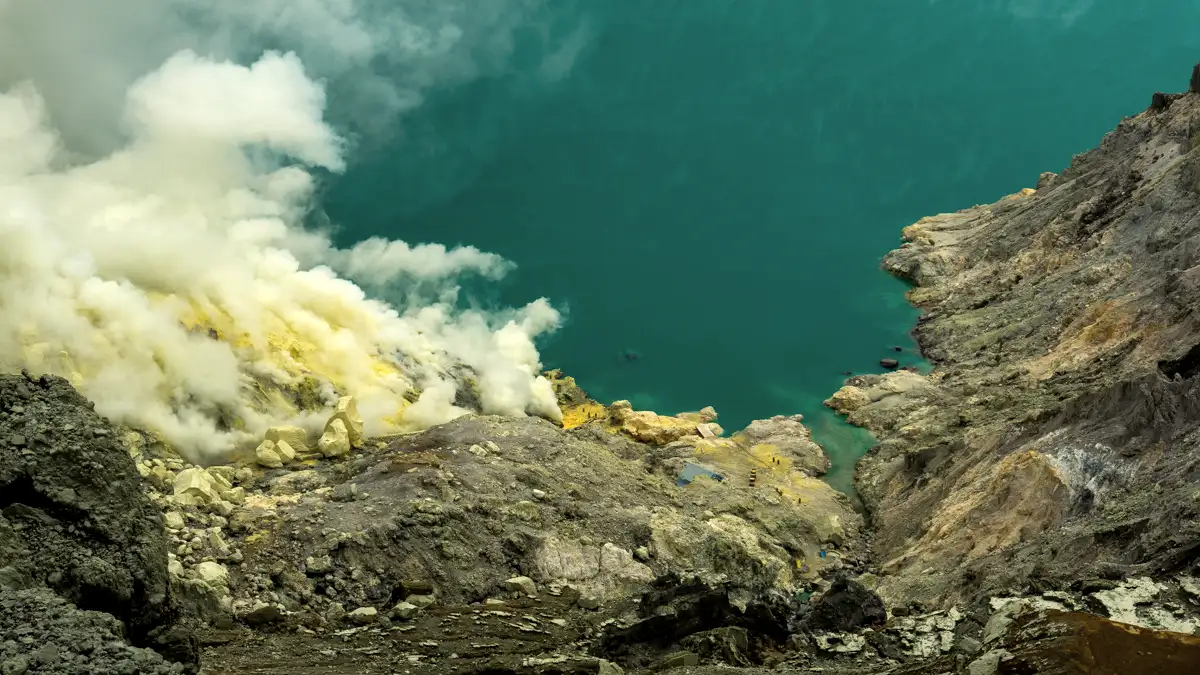
As you approach the rim, the wind can shift suddenly. Thick clouds of white sulfur gas can engulf the trail in seconds.
This is where your gas mask becomes your lifeline. Don’t wait until you are choking to put it on; listen to your guide’s instructions.
The miners you see carrying 80kg baskets of sulfur are the true masters of this terrain. They navigate these clouds without the fancy gear we use.
The Blue Fire Reality Check
Standing on the rim at 3:00 AM, looking down into the dark abyss, is a surreal experience. The descent into the crater is rocky and narrow.
You will see hundreds of headlamp beams crisscrossing the crater wall like a colony of ants. This descent takes about 30 to 45 minutes.
The volcanic blue flames are created by sulfuric gases igniting upon contact with the air. It is a fragile, beautiful phenomenon that isn’t always a roaring bonfire.
Sunrise vs. Blue Fire
While the blue fire gets the most Instagram attention, many travelers find the sunrise over the Ijen crater lake to be more impressive.
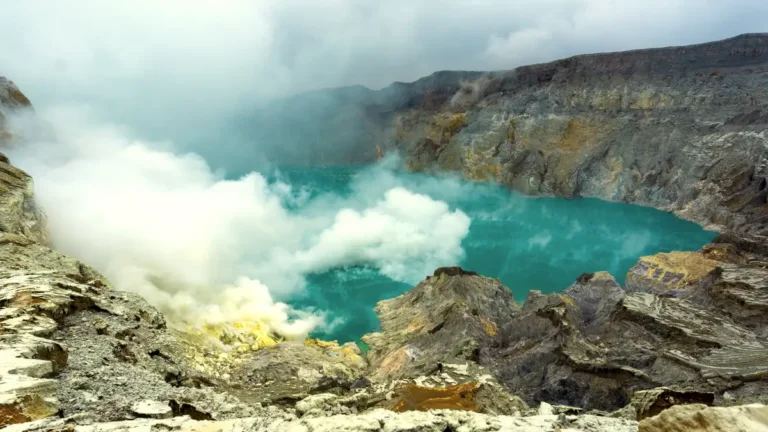
As the sun rises, the turquoise color of the world’s most acidic lake slowly reveals itself. The contrast between the yellow sulfur and the teal water is stunning.
Under the current regulations, local rangers may limit crater access if gas levels are too high. Always have a backup plan for photography on the rim.
Gear Essentials for Midnight Travelers
The temperature at the summit can drop to 5°C. When you are standing still waiting for sunrise, the wind chill makes it feel much colder.
Layering is key. Start with a moisture-wicking base, add a fleece, and finish with a windproof jacket. You will sweat on the way up and freeze at the top.
According to authoritative geological reports, the high concentration of acid can also damage electronics. Keep your camera inside your jacket when not in use.
Protecting Your Lungs and Eyes
A professional gas mask with a proper filter is essential. Cheap surgical masks or scarves are useless against sulfur dioxide.
The gas is also a severe eye irritant. If you wear contact lenses, consider switching to glasses for the hike or wearing goggles to prevent stinging.
Don’t forget a powerful headlamp with extra batteries. Midnight trekking Bali departures mean you are hiking in total darkness for hours.
Why Trust This Guide
We are not just writers; we are local operators based in East Java. Our teams are on the mountain daily, monitoring weather and volcanic activity.
We know which Paltuding base camp warungs serve the best hot ginger tea at 2:00 AM. We know the shortcuts that avoid the biggest crowds.
Our guides have years of experience navigating the crater safely. We prioritize your health and safety above all else, ensuring you return to Bali with memories, not injuries.
Continue Your Adventure
- Book Your Trip Now: Secure your midnight departure with the island’s top-rated guides.
- Ijen Crater Tour from Bali: The full 1-day itinerary breakdown for travelers leaving from Denpasar or Ubud.
- Ijen Crater Tour from Banyuwangi: A shorter, more rested alternative for those already in Java.
- Ijen Volcano Tour 1-Day Package: The ultimate “no-sleep” adventure for time-strapped backpackers.
- Ijen Tour from Pemuteran: The fastest way to reach Ijen, departing from North Bali’s coastal gems.
Ready to Witness the Blue Fire?
Our local team handles all the midnight logistics so you can focus on the climb. Don’t leave your safety and timing to chance.
Frequently Asked Questions
Q: What is the absolute latest time I can leave Bali to see the blue fire?
A: You should leave South Bali (Canggu/Kuta) no later than 8:00 PM. If you are leaving from Ubud, 7:30 PM is safer. Any later and you risk missing the pre-dawn window when the blue flames are most visible in the darkness.
Q: Do I really need a gas mask if I stay on the crater rim?
A: Yes, it is highly recommended. While the gas is more concentrated inside the crater, the wind can carry thick sulfur clouds onto the rim at any moment. The sulfur is a strong irritant that can cause intense coughing and dizziness without a mask.
Q: Can I use the “trolley taxi” service if I get tired?
A: Yes, local miners offer trolley rides for a fee. The price is usually higher for the uphill journey than the downhill one. It is a common option for travelers who find the steep incline of the Ijen hiking trail too difficult.
Q: How bad is the dust on the trail?
A: During the dry season, the trail is extremely dusty. The fine volcanic dust can get into your eyes and lungs. Wearing a neck gaiter or your gas mask even during the hike up can help protect you from breathing in the fine particles.
Q: Is there any cellular signal at the top of Ijen?
A: Signal is very spotty. You might get some weak reception on the rim with local providers like Telkomsel, but don’t count on it. It is best to download your offline maps and finish any urgent communication before you leave Banyuwangi.