
Complete Ijen Crater Travel Cost Guide: The Ultimate Guide
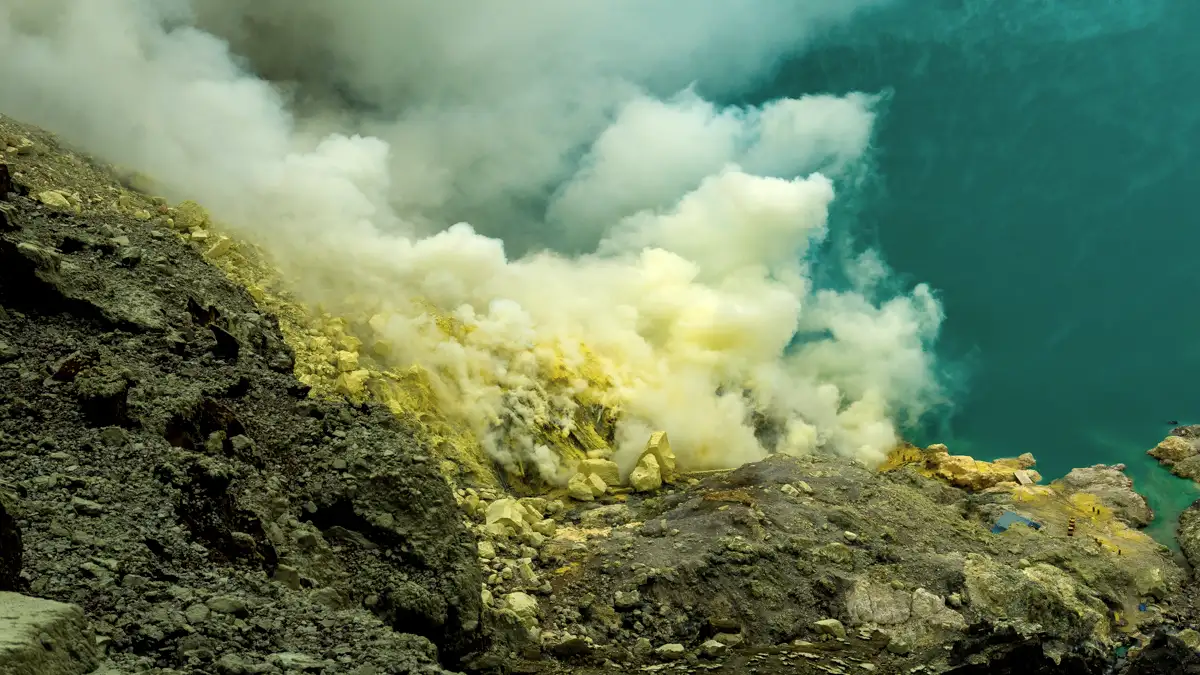
Waking up at midnight to climb an active volcano isn’t everyone’s idea of a vacation. For those chasing the electric glow of the blue fire and the world’s most acidic lake, Ijen Crater is a bucket-list titan. But how much does it actually cost to see this geological wonder? Between fluctuating Ijen Crater entrance fees and the complex logistics of East Java, your budget can vanish faster than volcanic steam in a high wind.
You might be a backpacker surviving on Mie Goreng or a luxury traveler seeking a seamless private journey. Either way, the “hidden” costs of gas mask rentals, local transport, and comprehensive Ijen Crater tours can catch you off guard. This guide breaks down every single Rupiah you’ll spend, ensuring your bank account survives the hike as well as your legs do. If you’re ready to lock in your plans without the stress, you can always secure your journey now with our expert team.
What You Need to Know
Ijen isn’t just a hike; it’s a logistical puzzle. The basecamp at Paltuding is your starting point, located about 1.5 hours from Banyuwangi. You’ll need a valid Ijen hiking permit, a functioning gas mask, and a thick jacket for the sub-10°C temperatures at the summit. Costs vary wildly based on whether you depart from Bali, Surabaya, or locally from Banyuwangi.
Why Trust This Guide
We live and breathe the sulfurous air of Ijen. Our team spends hundreds of hours every year at the Paltuding basecamp, chatting with local sulfur miners and monitoring the latest visitor regulations. We don’t just aggregate data from the internet; we experience the price shifts in real-time.
Local rangers and guides are our direct contacts. When a new health certificate requirement pops up or the permit price for foreigners changes, we are the first to know. This guide reflects the most current on-the-ground reality of traveling through East Java, minus the sugar-coating often found on social media.
Local Presence and Real-Time Data
Unlike massive international booking platforms, we are based right here. We see the 3 AM scramble for parking and the specific price hikes during public holidays. This data-driven approach ensures you aren’t looking at outdated blog posts from five years ago. We know exactly how much a Kawah Ijen logistics plan costs today.
Breaking Down the Entrance Fees
The first item on your list is the mandatory entrance ticket. This is managed by the BKSDA (Natural Resources Conservation Agency). Prices are split between domestic and international visitors, and they change depending on whether you visit on a weekday or a weekend. Don’t forget that you also need a medical certificate (health letter) which is now a strict requirement.
| Category | Weekday Cost (IDR) | Weekend/Holiday Cost (IDR) |
|---|---|---|
| International Visitor | 100,000 | 150,000 |
| Domestic Visitor | 5,000 | 7,500 |
| Health Certificate Fee | 25,000 – 50,000 | 25,000 – 50,000 |
These fees only cover the entry to the park. They do not include a guide, gear, or transportation. If you are coming from Bali, remember to calculate the ferry fee (around 10,000 – 20,000 IDR per person) separately. The health certificate can usually be obtained at local clinics in Banyuwangi or sometimes at a small post near the entrance for a small fee.
Hiking Permit and Booking System
The booking system is increasingly moving online. While you can sometimes buy tickets at the gate, it’s risky during peak season. Having a pre-booked Ijen hiking permit is the only way to guarantee your spot. If the volcano’s status changes to Level II or higher, the park can close instantly, and your permit might be refunded or rescheduled.
Transport Costs: Getting to the Volcano
Transport is where the “Complete Ijen Crater Travel Cost Guide” gets interesting. Banyuwangi is the gateway, but reaching it is a different story. If you’re coming from Bali, you have to factor in private drivers or public buses plus the ferry. From Surabaya, it’s a long 6-7 hour drive or a train ride.
Once in Banyuwangi, you still need to get to Paltuding basecamp. A scooter rental is the cheapest option (around 75,000 – 100,000 IDR per day), but the road is steep, dark, and dangerous at night. A private jeep or car rental with a driver usually costs between 600,000 and 800,000 IDR for a return trip, which can be split between 4 people.
Shared Transport and Shuttle Options
For solo travelers, some hostels in Banyuwangi offer “shared car” services. These typically cost around 150,000 to 200,000 IDR per person. It’s a great middle ground but requires you to follow a fixed schedule. If the group is late, you might miss the peak blue fire window, which usually fades as the sun begins to rise.
The Reality of Scooter Rentals
Renting a scooter sounds adventurous until you’re halfway up a 20% incline at 1 AM in pitch blackness. The brakes on rental bikes often overheat on the way down. If you aren’t an experienced rider, the 100,000 IDR savings isn’t worth the risk. Many travelers end up paying much more in “bike repair” scams or, worse, medical bills. Consider a professional tour from Banyuwangi instead.
The Backpacker Path: Budget Breakdown
Can you do Ijen on a shoestring? Absolutely. The total cost for a budget traveler staying in Banyuwangi and using shared transport usually hovers around 500,000 to 700,000 IDR ($35 – $45 USD) for the entire experience. This includes a bed in a hostel, street food meals, shared transport, and basic gear rental.
Backpackers often skip the private guide, but we don’t recommend this for the crater descent. The gas is no joke. Volcano tour prices for budget groups often bundle the gas mask and headlamp, saving you about 50,000 IDR compared to renting them individually at the basecamp. You’ll be eating at “warungs” where a plate of Nasi Goreng costs 20,000 IDR.
Camping at Paltuding
Some hardcore budget travelers choose to camp at the Paltuding basecamp to save on accommodation and early morning transport. While it saves money, it’s incredibly cold, and you’ll likely get very little sleep. The wind howls through the valley, and the constant sound of arriving jeeps makes rest nearly impossible. It’s a true “raw” experience, but your hiking energy will suffer.
Mid-Range Comfort: Balanced Spending
Most travelers fall into this category. You want a private room with hot water and a reliable driver who won’t disappear at 2 AM. A mid-range budget typically looks like 1,500,000 to 2,500,000 IDR per person for a 2-day experience. This usually covers a private vs shared tour upgrade, where you have a guide who knows exactly when to enter the crater to avoid the heaviest gas clouds.
Accommodation in this bracket includes decent hotels in Banyuwangi or guest houses near the base of the mountain. You’ll have a professional gas mask—not a cheap dust mask—and a headlamp with fresh batteries. This budget often includes a stop at a coffee plantation or a waterfall on the way back from the volcano, adding significant value to your East Java travel budget.
The Value of Private Guides
A private guide isn’t just for luxury. In the chaotic, dark descent into the crater, a guide acts as your safety officer. They know how to read the wind. If the sulfur gas shifts, they’ll pull you back before you start choking. Mid-range tours almost always include Ijen guide fees, which supports the local community and ensures you don’t get lost in the volcanic fog.
The Luxury Experience: All-Inclusive Ease
If you want the ultimate East Java adventure without the “roughing it” part, a luxury package is the way to go. Expect to pay 4,000,000 IDR ($250 USD) or more. This gets you a stay at high-end resorts like Jiwa Jawa or Dialoog, where you can soak in a pool overlooking the ocean after your hike. Transport is via a premium, air-conditioned 4×4 or private SUV.
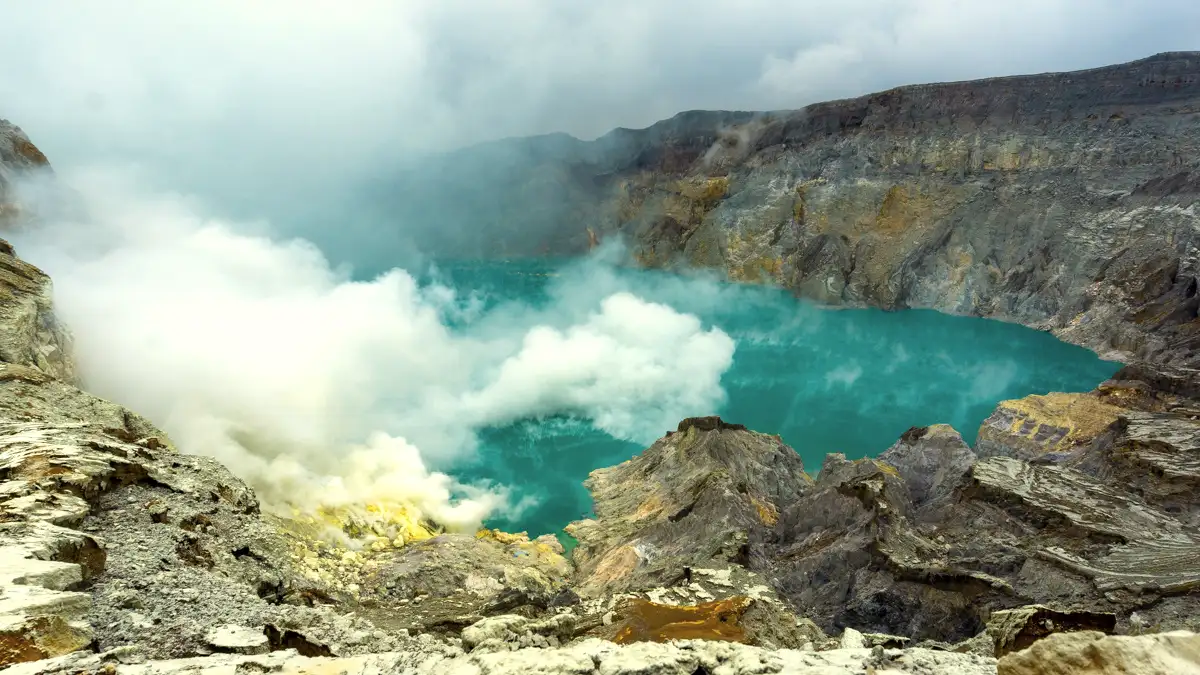
Luxury travelers often opt for Ijen tours from Bali that include domestic flights or private fast-boat transfers. You won’t be standing in line for a health certificate; your tour operator will have everything handled before you even land in Java. Every detail, from the gourmet breakfast box to the high-quality winter jackets, is meticulously planned.
VIP Logistics and Comfort
The “Luxury” tag also means timing. Your guide will coordinate the hike to ensure you are at the best viewpoints before the massive crowds arrive. Instead of the standard tourist breakfast, you might enjoy a private picnic with a view of the surrounding peaks. It’s about removing every friction point, from the Banyuwangi accommodation costs to the specialized Ijen sulfur miner trolley cost if you decide you don’t want to walk.
What Nobody Tells You: Extra Costs
The most famous “hidden” cost at Ijen is the “Trolley Taxi” (Ojek). These are the carts used by sulfur miners, repurposed to carry tourists who can’t handle the steep 3km hike. The price is staggering: usually between 800,000 and 1,200,000 IDR for a return trip. It’s a lucrative business for the local miners, but it’s a heavy hit to a backpacker’s budget.
Then there’s the gas mask rental. If your tour doesn’t include it, you’ll pay about 50,000 IDR at the basecamp. Be warned: many of these rental masks have filters that haven’t been changed in months. A proper gas mask rental guide is essential to ensure you aren’t breathing in toxic fumes for two hours.
Photography and Drone Fees
While standard smartphone photos are free, professional filming or drone usage often requires a specific permit from the BKSDA. Drone permits can cost upwards of 1,000,000 IDR for foreigners, and rangers do check. If you’re a content creator, this is a massive line item in your blue flame tour expenses. Always check the latest Ijen drone rules before flying.
Tipping and Local Gratuity
Tipping isn’t strictly mandatory in Indonesia, but for your Ijen guide, it is highly appreciated. These guides work through the night in harsh conditions. A tip of 50,000 – 100,000 IDR is a kind gesture that goes a long way. Also, many miners sell small sulfur carvings at the crater rim for 10,000 – 20,000 IDR. Buying one is a direct way to support the men who do the hardest work on the mountain.
Continue Your Adventure
If you’re planning to explore more than just Ijen, check out these highly recommended tour packages to complete your Indonesian journey:
- Book Your Trip Now – Secure your dates with our local experts.
- Standard Ijen Crater Tour – The essential midnight hike and blue fire experience.
- Mount Bromo Sunrise Tour – Visit Indonesia’s most iconic volcanic landscape.
- 3-Day Bromo Ijen Combo – The most popular tour for international travelers.
- Ijen Tour from Bali – A seamless 24-hour journey from the Island of Gods.
- Full East Java Exploration – Waterfalls, volcanoes, and hidden cultural sites.
Ready to Witness the Blue Fire?
Don’t let the logistics stop you from experiencing one of the world’s most unique natural wonders. Our local team handles everything from permits to private transport.
Frequently Asked Questions
Q: Which viewpoint is the least crowded?
A: Most people swarm the “sunrise point” directly above the lake. For fewer crowds, head further along the rim toward the “Dead Forest” area. It offers a unique angle of the crater and is usually much quieter than the main photo spots.
Q: How bad is the dust and sulfur gas?
A: It’s intense. On a windy day, the sulfur gas can be suffocating without a professional respirator. The trail itself is very dusty; your clothes and hair will smell like rotten eggs for days. Wearing a buff or face covering in addition to your gas mask is a smart move.
Q: Can elderly travelers handle the stairs and slope?
A: The first 2km is a very steep, sandy incline that challenges most people. However, the availability of the “trolley taxis” makes it possible for those with limited mobility to reach the rim. The descent into the crater is rocky and slippery, which we do not recommend for anyone with balance issues.
Q: Is it cheaper to book on arrival or online?
A: Usually, it’s safer and similarly priced to book online. If you wait until you’re in Banyuwangi, you might find a “deal” that lacks proper insurance or safety gear. Online bookings provide a paper trail and guaranteed departure times.
Q: Are there ATMs at the basecamp?
A: No. Paltuding is remote. There are no ATMs, and most local vendors (warungs, gear rentals, trolleys) only accept cash. Ensure you withdraw enough Rupiah in Banyuwangi before heading up the mountain.
This “Complete Ijen Crater Travel Cost Guide” highlights that while the entrance fee is small, the logistics are significant. Whether you choose to rough it or indulge in luxury, being prepared is the key to enjoying one of the world’s most spectacular volcanic landscapes. Plan your budget, pack your warm gear, and get ready for a midnight adventure you’ll never forget.
Planning to visit Ijen or Mount Bromo?
Explore available tour options and ask our local team about your itinerary.
Explore Tour Packages →