
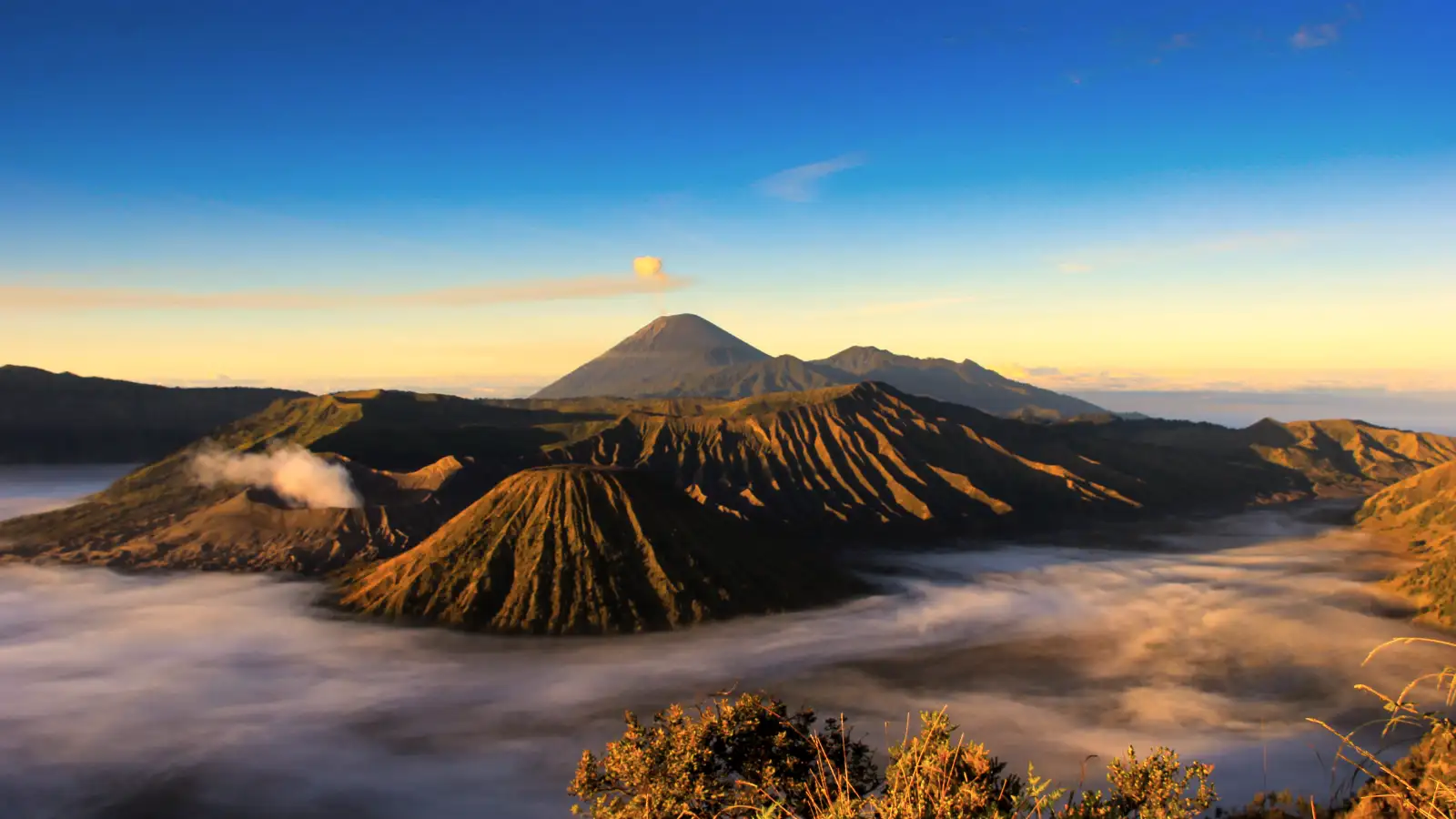
The Ultimate Guide to Bromo Ijen Tour 2026
Embark on a definitive journey through East Java’s volcanic heartland, where celestial sunrises meet the rare phenomenon of electric blue fire.
The Bromo Ijen Tour is a moderate-difficulty adventure located in East Java, Indonesia, best experienced during the dry season (April to October). It combines the iconic sunrise views of the Bromo caldera with a midnight trek to witness the rare blue flames and acidic turquoise lake of Ijen Crater.
- Comprehensive Overview & History
- How to Get There: Logistics & Routes
- The Best Time to Visit
- Top Highlights & Viewpoints
- Expert Tips & Preparation
- Curated Tour Packages
1. Comprehensive Overview of the Bromo Ijen Circuit
The Bromo Ijen Tour is widely regarded as the pinnacle of Indonesian overland travel. This circuit traverses the rugged landscapes of East Java, connecting two of the world’s most unique geological marvels. Mount Bromo, sitting within the massive Tengger caldera, offers a lunar-like landscape that has captivated travelers for centuries. Its significance is deeply rooted in the local Hindu culture of the Tenggerese people, who consider the volcano sacred.
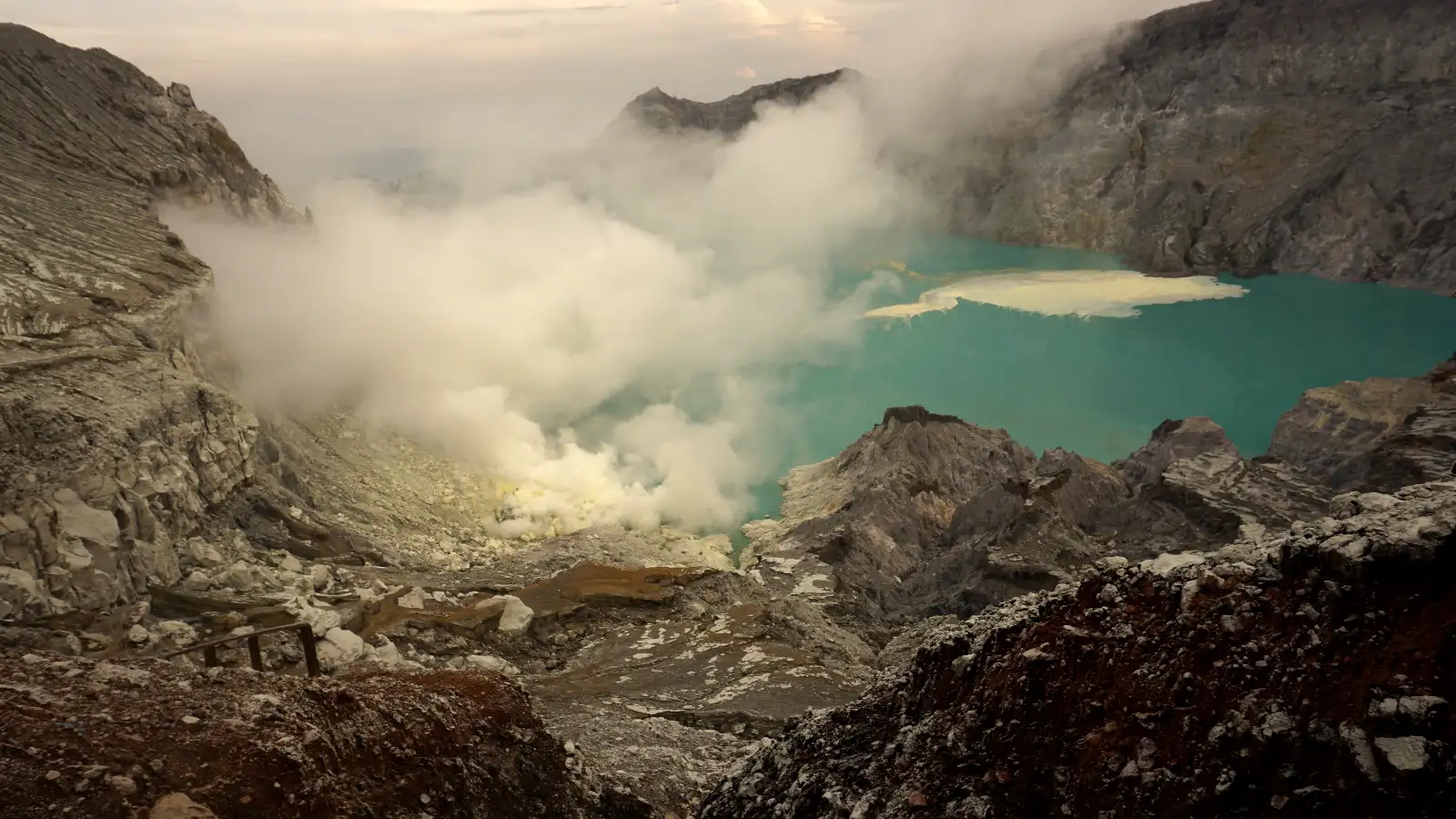
Further east lies the Ijen plateau, home to the Ijen Crater Tour. This destination is famous for its hyper-acidic lake and the mesmerizing “Blue Fire,” a phenomenon caused by the combustion of sulfuric gases. Understanding the Ijen crater facts is essential for any visitor, as the area is not just a tourist spot but a working sulfur mine where local miners carry heavy loads of volcanic rock daily. For a deeper look at the national park’s ecology, the Bromo Tengger Semeru National Park provides a sanctuary for diverse flora and fauna amidst the volcanic activity.
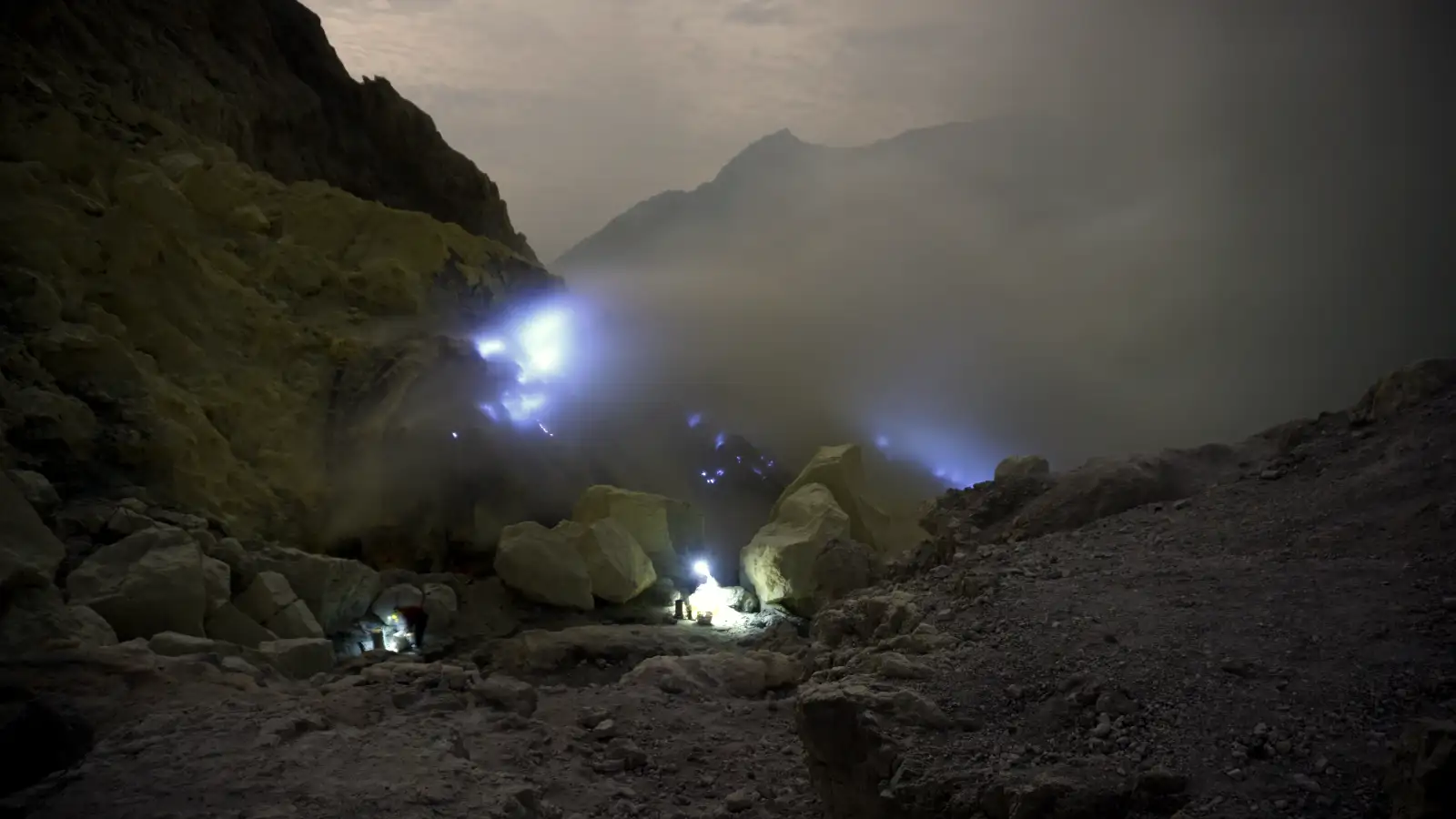
While many travelers focus solely on the peaks, the micro-climates of East Java are exceptionally varied. At Mount Bromo, the “Sea of Sand” creates a unique dust-vortex effect during the transition between dry and wet seasons. Conversely, Ijen’s crater rim can experience sudden temperature drops to near freezing before dawn, despite the tropical heat at the base. Only a local guide can accurately predict the “sulfur wind” direction, which determines whether the blue fire will be visible or obscured by thick smoke on any given night.
2. How to Get There: Logistics and Routes
Navigating to East Java requires careful planning, as the major volcanic sites are several hours apart. Most international travelers begin their journey from major transport hubs. The most common starting point is Surabaya, the second-largest city in Indonesia, which offers a robust international airport. From here, many opt for a Bromo Ijen tour from Surabaya, which typically spans three days.
Alternatively, travelers coming from Central Java often choose a Bromo Ijen tour from Yogyakarta, utilizing the scenic train routes to reach Probolinggo or Malang. For those finishing their journey in paradise, the Bromo Ijen tour from Bali is a popular reverse route, often involving a ferry crossing from Gilimanuk to Ketapang. Each route offers distinct advantages, whether it is the urban convenience of Surabaya or the cultural immersion of Yogyakarta.
Transportation Hubs
- Surabaya (SUB): Best for international flights and quick access to Bromo.
- Malang (MLG): A cooler, more aesthetic city, perfect for starting a Bromo Ijen tour from Malang.
- Banyuwangi: The closest town to Ijen, ideal for those arriving from Bali.
3. The Best Time to Visit
Timing is everything when planning a Bromo Ijen Tour. Indonesia’s tropical climate is divided into the dry season and the rainy season. To ensure the best visibility for the Bromo sunrise and the Ijen blue fire, the dry season—running from April to October—is the gold standard. During these months, the skies are generally clear, and the trails are less slippery, making the midnight hikes safer and more enjoyable.
However, the “shoulder months” of March and November can also be rewarding for those looking to avoid the peak season crowds. While there is a higher chance of rain, the landscape is much greener and more vibrant. For those specifically interested in the Ijen portion, checking the best time to visit Ijen crater is crucial, as the crater can occasionally close due to increased volcanic activity or heavy gas emissions. For more general travel information about the region, the official Indonesia Travel portal provides updated safety and entry requirements.
Explore Specific Bromo Ijen Tour Packages
Ready to plan your trip? Explore our curated packages departing from various cities to find the perfect fit for your itinerary.
Bromo Ijen Tour from Surabaya 3D2N
Bromo Ijen Tour from Bali 3D2N
Bromo Ijen Tour from Malang 3D2N
Bromo Ijen Tour from Yogyakarta 3D2N
4. Top Highlights & Viewpoints
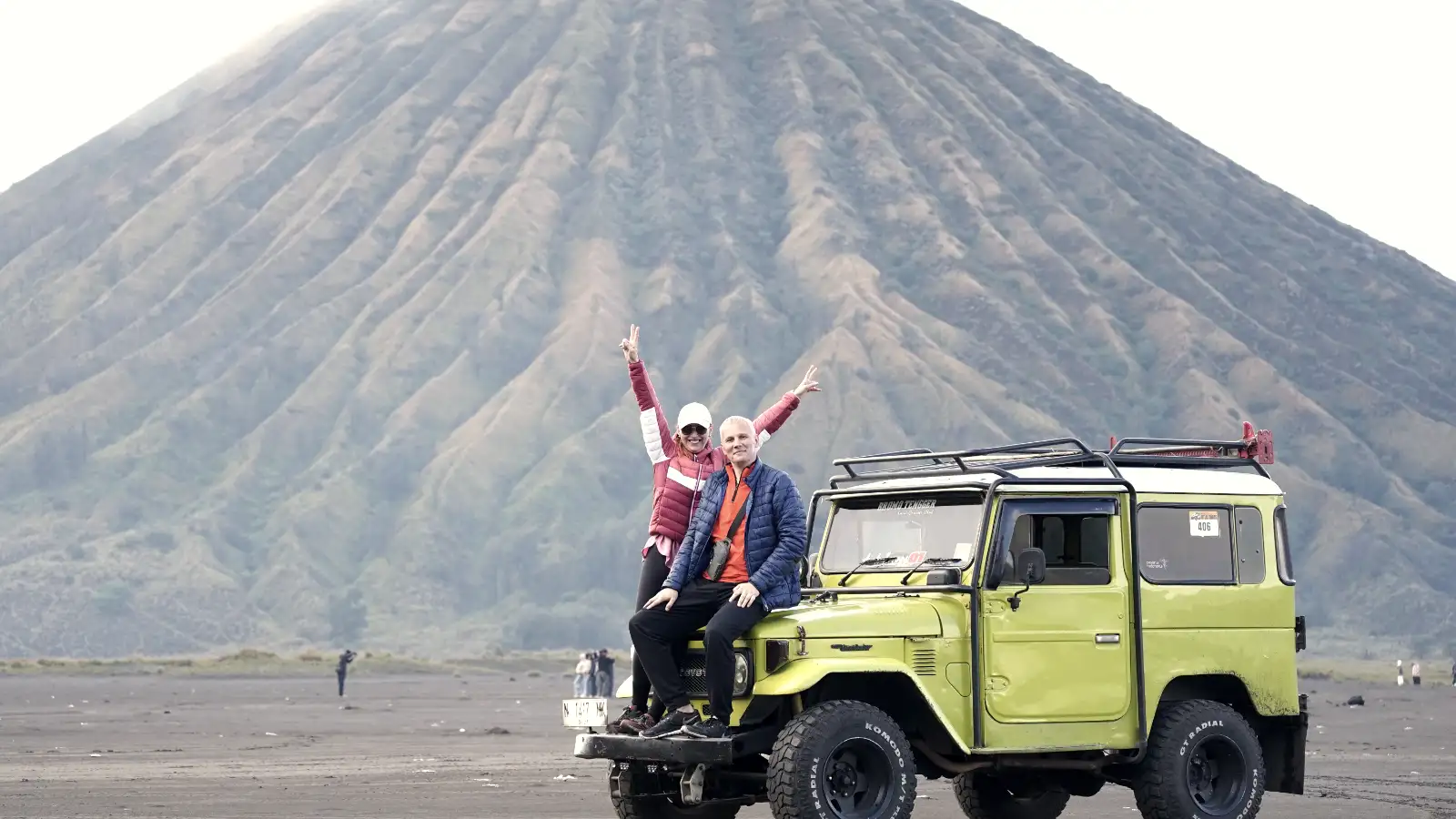
The Bromo Ijen circuit is a visual feast, offering some of the most photographed locations in Southeast Asia. At Mount Bromo, the experience begins long before the sun rises. Most tours involve a 4×4 Jeep ride to the rim of the caldera, followed by a short hike to one of the many viewpoints. Choosing between King Kong Hill vs Seruni Point is a common dilemma; King Kong Hill offers the highest vantage point, while Seruni Point provides a closer, more intimate perspective of the crater.
- The Sea of Sand: A vast, volcanic plain that surrounds the Bromo peaks, often covered in a mystical morning mist.
- Ijen Blue Fire: A rare natural phenomenon visible only in the darkness of night. It requires a steep trek down into the crater. Learn more about the Ijen blue fire explained here.
- The Dead Tree Viewpoint: A hauntingly beautiful spot at Ijen, perfect for minimalist photography. Check our guide on navigating Ijen photo spots for details.
- Mount Bromo Crater Rim: After the sunrise, you can hike to the very edge of the active Bromo crater to hear the “roar” of the earth.
5. Expert Tips & Preparation
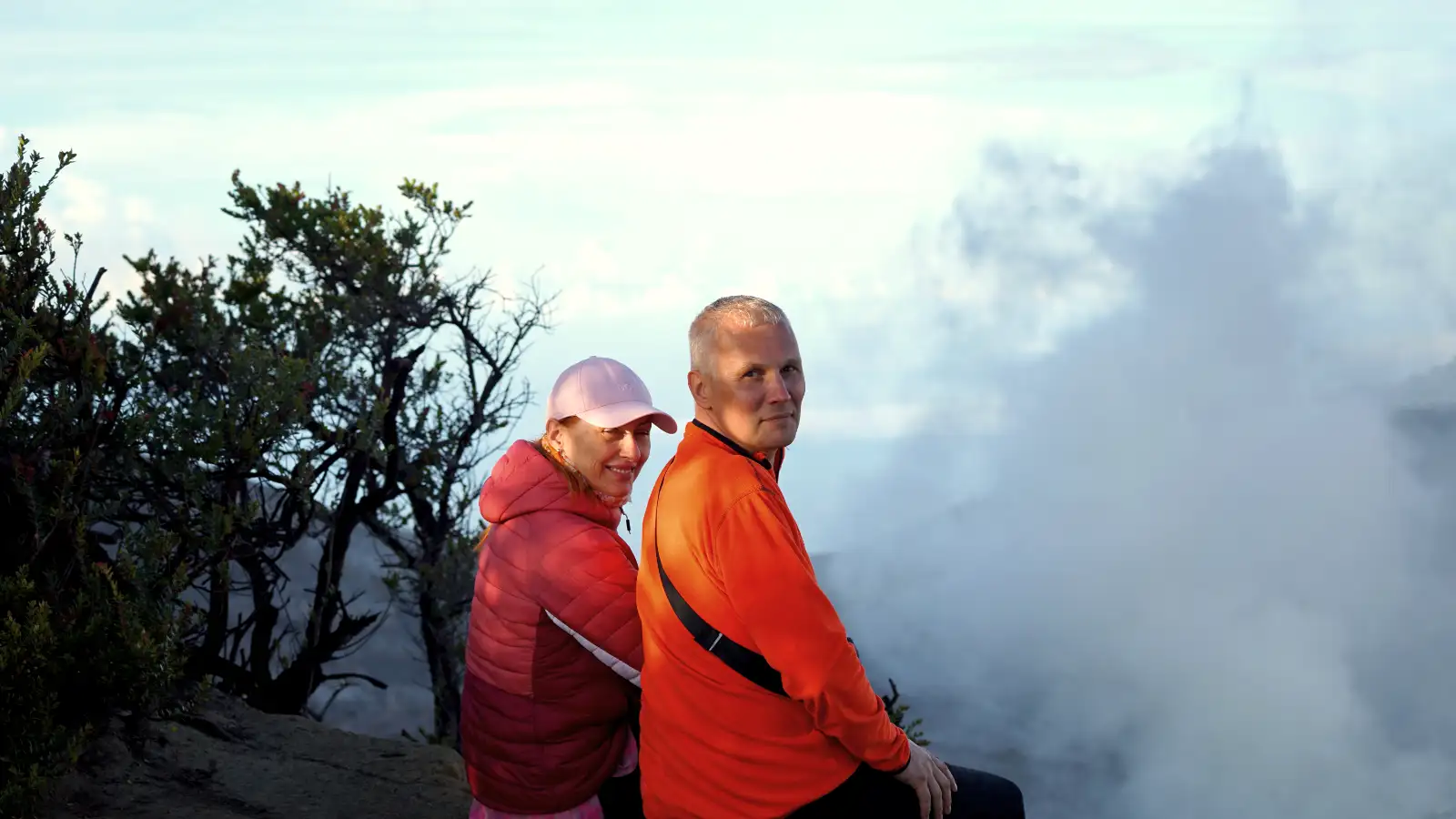
Preparation is the difference between a grueling hike and a life-changing adventure. The Bromo Ijen Tour involves significant physical exertion, early wake-up calls (often at midnight), and exposure to volcanic gases. For the Ijen portion, a high-quality gas mask is non-negotiable to protect your lungs from sulfur dioxide. If the hike seems too daunting, the local Ijen trolley taxi service is available to assist travelers up the steep incline.
Packing correctly is equally vital. Layered clothing is essential, as temperatures can fluctuate from 5°C at sunrise to 25°C by midday. Refer to our Ijen crater temperature guide to understand what to expect. For photographers, bringing a tripod is mandatory for capturing the Milky Way or the faint glow of the blue fire. If you are planning to document your trip, be sure to review the Ijen drone rules to avoid fines or equipment confiscation.
Need Help Planning Your Trip?
Our local travel experts are ready to customize the perfect itinerary for your adventure.
Frequently Asked Questions
1. How difficult is the Bromo Ijen Tour for beginners?
The tour is considered moderate. Mount Bromo involves walking on flat sand and climbing stairs, while Ijen requires a 1.5 to 2-hour uphill hike on a dirt path. Most people with basic fitness can complete it.
2. Is the Blue Fire at Ijen Crater guaranteed to be visible?
Visibility depends on weather and volcanic activity. It is only visible in complete darkness (before 5 AM) and can be obscured by thick sulfur smoke or rain.
3. What is the best city to start the Bromo Ijen Tour from?
Surabaya is the most popular starting point due to its airport, but Banyuwangi is best if you are coming directly from Bali. Malang is a great alternative for a more scenic route.
4. Do I need a gas mask for the Ijen Crater trek?
Yes, a respirator mask (N95 or better) is essential for the Ijen Crater to protect against toxic sulfur fumes, especially if you plan to go down into the crater to see the blue fire.
5. Can I see the Milky Way during the Bromo Ijen Tour?
Yes, both Bromo and Ijen are excellent for astrophotography. The best time is during the new moon in the dry season when light pollution is minimal.