How to Travel from Bali to Ijen Crater Safely: The Definitive 2026 Transit & Trekking Guide
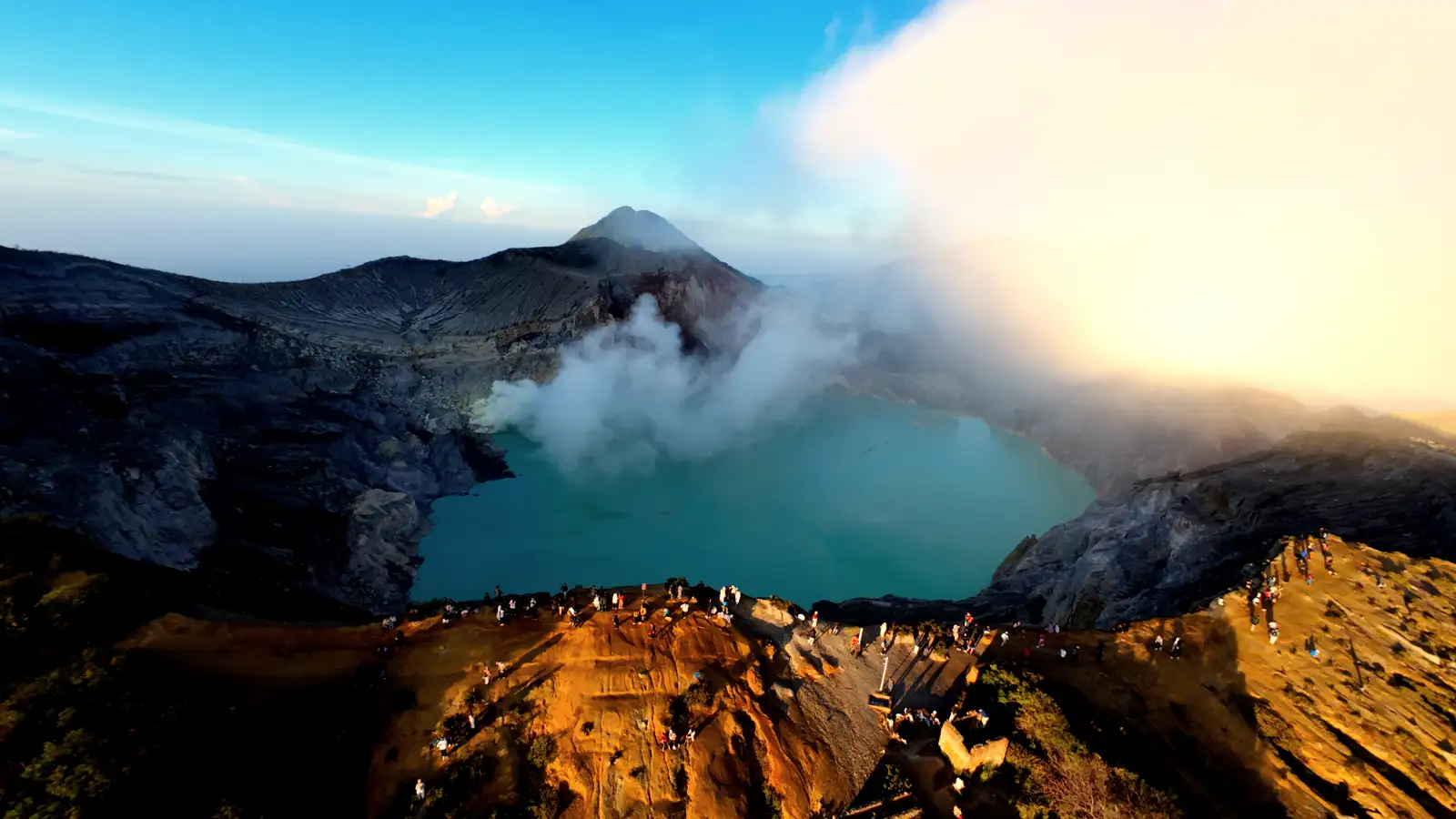
Imagine standing on the jagged rim of a caldera at 2:00 AM, the air thick with the scent of sulfur and the electric glow of blue flames dancing in the abyss below. For most travelers in Bali, the dream of witnessing the Kawah Ijen trekking experience is often clouded by the nightmare of logistics. You are faced with a grueling midnight departure, the complexities of the Gilimanuk port crossing, and the rising tide of new 2026 safety regulations. Navigating this journey solo can be an exhausting gamble; however, with the right strategic planning, the transition from Bali’s beaches to Java’s volcanic heart is not just possible—it is life-changing.
To travel from Bali to Ijen Crater safely in 2026, you must secure an online booking and a mandatory health certificate, then transit via the Gilimanuk-Ketapang ferry. The safest method is hiring a private driver or joining a specialized Ijen tour from Bali that manages all permits, gas masks, and professional guiding.
What You Need to Know
Logistics: 4-5 hour drive from South Bali to Gilimanuk, 1-hour ferry to Java, then 1.5 hours to the Ijen base camp.
2026 Regulations: Mandatory “Surat Keterangan Sehat” (Health Certificate) and digital pre-booking via the BBKSDA Jatim portal are strictly required for entry.
Safety Gear: Professional-grade respirators (gas masks) are non-negotiable due to high sulfur concentrations near the blue flame phenomenon.
Estimated Costs (2025/2026): IDR 250,000 for weekend entry, IDR 1,500,000 – 3,500,000 for all-inclusive private transport from Bali.
Why Trust This Guide
Navigating the evolving landscape of Indonesian travel requires more than just a map; it requires real-time data and local boots on the ground. This guide is curated by seasoned travel journalists who have traversed the Bali-to-Java corridor over fifty times. We maintain direct communication with the Banyuwangi ferry authorities and the Ijen National Park rangers.
In 2026, safety protocols have shifted significantly following increased volcanic activity monitoring. Unlike generic blogs, we provide the most current 2025-2026 pricing and regulatory updates, ensuring your expedition is compliant with local laws and optimized for maximum safety. We understand the nuances of both the backpacker’s budget and the luxury traveler’s expectation for seamless comfort.
Table of Contents
The Logistics of Crossing from Bali to East Java
The journey begins with a long drive toward the western tip of Bali. Whether you are departing from the trendy streets of Canggu or the cultural heart of Ubud, the trek to Gilimanuk port typically takes between 4 and 5 hours. In 2026, traffic congestion along the coastal road remains a factor, so an 8:00 PM departure is the industry standard for those aiming to see the blue flames.
Once you reach the port, you will board the Banyuwangi ferry. These vessels operate 24/7, departing every 20-30 minutes. The crossing itself is a brief 45-to-60-minute affair across the Bali Strait. For international travelers, the most important document here is your passport or a clear digital copy, as security checks have tightened. If you are traveling via a private tour, your driver will handle the vehicle manifesting and ticketing, allowing you to rest in the passenger lounge.
Upon arrival at Ketapang Port in Java, you are only 90 minutes away from the Ijen base camp (Paltuding). The road winds through lush rainforests and giant ferns, climbing steeply into the highlands. This is where Java travel logistics become tricky; the road is narrow and often misty. Utilizing a driver experienced in these specific switchbacks is a critical safety choice, especially during the dark early hours of the morning.
For those prioritizing comfort, several premium transit options now exist, including private luxury SUVs equipped with reclining seats and climate control. This allows travelers to sleep during the long Bali transit, ensuring they are fresh for the challenging Ijen hike that begins at 2:00 AM.
Essential Safety Protocols & 2026 Regulations
Safety at Kawah Ijen has undergone a paradigm shift. As of 2025 and 2026, the Indonesian government has implemented a mandatory Ijen health certificate for all hikers. This document, which can be obtained at local clinics in Bali or Banyuwangi for a small fee (approx. IDR 50,000), certifies that you do not have respiratory or cardiovascular issues that could be exacerbated by the high altitude and toxic gases.
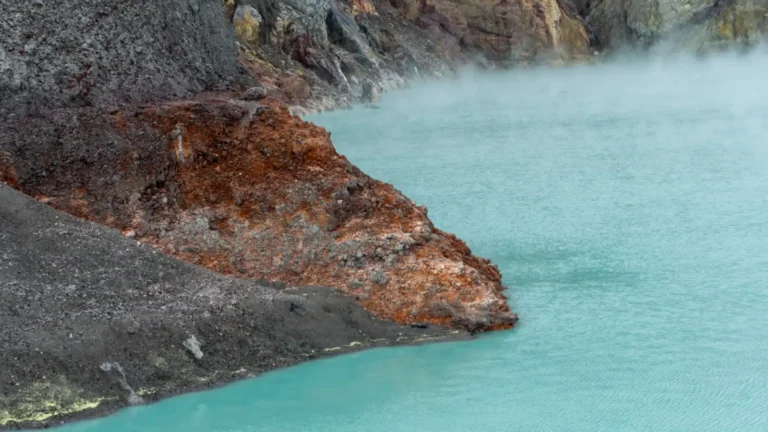
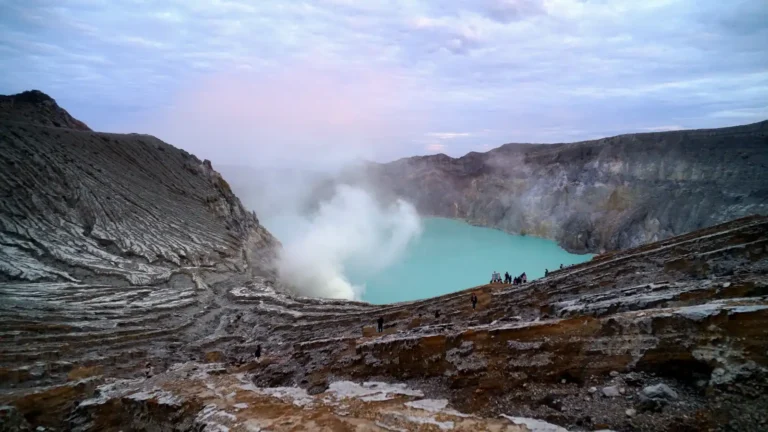
Furthermore, Mount Ijen safety protocols now dictate that all visitors must wear a professional-grade respirator (P100 or higher) when descending into the crater. The volcanic acid lake—the largest of its kind in the world—releases high concentrations of sulfur dioxide. Inhaling these fumes without protection can cause immediate respiratory distress. Quality gas masks rentals are available at the Paltuding entrance, but ensure your tour operator provides sanitized, high-quality units.
The descent into the crater to see the blue fire is currently regulated based on daily volcanic activity levels. It is vital to check the latest official Ijen Crater updates before you begin your ascent. If the sulfur clouds are too dense, rangers may cordone off the descent path for your protection.
Lastly, weather patterns in the Ijen highlands are notoriously unpredictable. Temperatures can drop to 5°C (41°F) before dawn. Hypothermia is a genuine risk for unprepared travelers. Wearing moisture-wicking layers and a windproof outer shell is essential. For more details on the environment, consult our seasonal weather guide for Ijen.
Crafting the Perfect Midnight Itinerary
To maximize safety and visual impact, timing is everything. A standard “Blue Fire” itinerary leaves South Bali at 7:00 PM. This allows for a buffer in case of ferry delays or heavy traffic. You will arrive at the Paltuding base camp around 1:30 AM, just as the gates open. The hike to the rim takes approximately 90 minutes of steady climbing on a well-maintained but steep dirt path.
If your goal is the blue flame phenomenon, you must descend into the crater immediately upon reaching the rim, usually between 3:00 AM and 4:00 AM. This descent is rocky and steep; having a local guide to navigate the terrain in the dark is highly recommended. The blue fire vanishes once the first rays of sunlight hit the crater floor, usually around 5:15 AM.
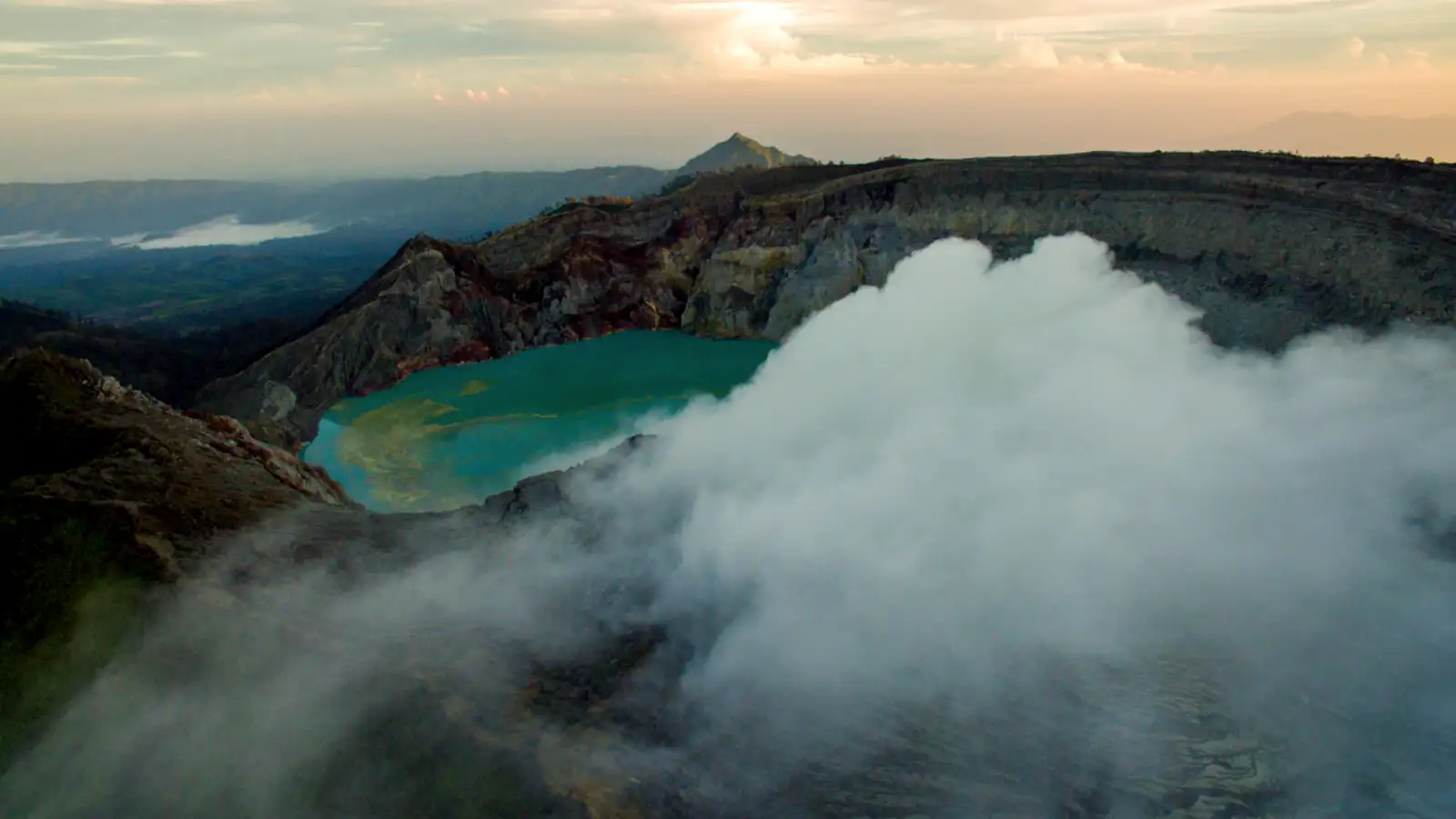
Post-sunrise, the landscape transforms. The volcanic acid lake reveals its stunning turquoise hue, contrasting sharply with the yellow sulfur deposits and white steam. This is the time for photography. Most travelers begin their descent back to the base camp at 7:00 AM, arriving by 8:30 AM for a well-earned breakfast.
For a truly seamless experience, many travelers choose to extend their stay in East Java rather than rushing back to Bali. Exploring the nearby Jagir Waterfalls or the coffee plantations of Banyuwangi provides a cultural counterpoint to the raw power of the volcano. Planning for these additions requires a deep understanding of the local geography and transit times.
Backpacking vs. Luxury Private Tours
The “safe” way to travel from Bali depends heavily on your budget and experience. Backpackers often opt for a combination of public buses to Gilimanuk and local “ojek” (motorcycle taxis) in Java. While this is the most affordable route (approx. IDR 600,000 total), it carries higher risks regarding sleep deprivation and the reliability of Java travel logistics.
Luxury and mid-range travelers typically choose a private Ijen tour from Bali. These packages, priced between IDR 2,000,000 and 3,500,000 per person in 2026, include door-to-door transport, ferry tickets, national park fees, health certificates, and a private guide. The primary safety benefit here is the “sleep factor”—you rest while a professional driver handles the 8-hour round-trip journey.
In 2026, many tour operators have also introduced “Shared Luxury” vans. These offer the comfort of a private vehicle but at a lower price point, making them a popular choice for solo travelers who want the safety of an organized group without the high cost of a private car.
Regardless of your choice, ensure your booking includes a local guide who understands the blue fire safety protocols. These guides are often former sulfur miners who possess intimate knowledge of the wind patterns and gas movements inside the crater, providing an invaluable layer of protection.
Physical Preparation & Specialized Equipment
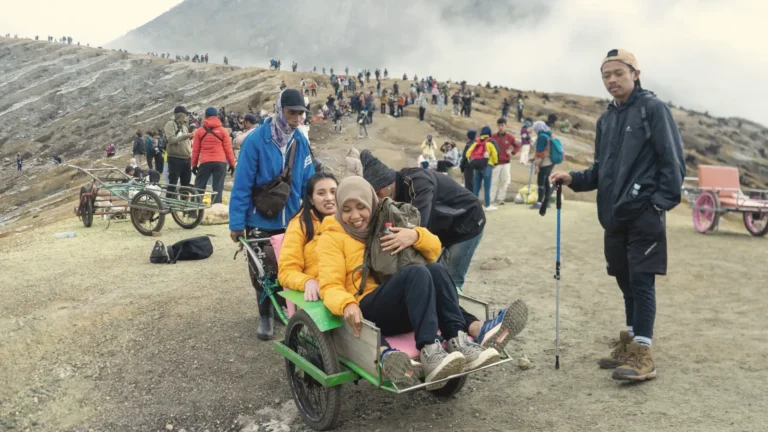
The hike to the Ijen rim is 3 kilometers (1.8 miles) long with an elevation gain of about 450 meters. While not an Alpine climb, the 35-degree incline in the first 2 kilometers is taxing. In 2026, “trolley taxis” (pushed by locals) are still available for those who find the climb too difficult, costing around IDR 800,000 – 1,000,000 for a round trip.
Your gear list should be specific. Footwear is the most critical item; hiking boots with deep lugs are preferred, though high-quality trail running shoes suffice. Avoid flat-soled sneakers, as the dust on the trail can be incredibly slippery on the descent. Additionally, a powerful headlamp (minimum 300 lumens) is required for the midnight ascent, as handheld flashlights make the rocky descent into the crater more dangerous.
Do not underestimate the sulfur. The gas can tarnish silver jewelry instantly and leave a lingering scent on clothing. It is wise to wear “adventure clothes” that you don’t mind getting dusty. Carrying a small bottle of water and some high-energy snacks like dates or chocolate will help maintain your blood sugar during the strenuous dawn hours.
Finally, mental preparation is key. You will be hiking in the dark, surrounded by strange sounds and the alien landscape of a volcanic caldera. Staying calm and following your guide’s instructions when the wind shifts the sulfur clouds is the hallmark of a safe and successful traveler.
Continue Your Adventure
While Ijen is a masterpiece of nature, it is often just the beginning of a broader East Javanese odyssey. Many travelers find that combining this trip with a Mount Bromo and Ijen crater combo offers the most comprehensive volcanic experience in Indonesia. If you have more time, the four-day expedition featuring the Tumpak Sewu waterfall and Bromo is widely considered the ultimate adventure route. For those on a tighter schedule, a direct sunrise tour to Bromo from Bali provides a similarly spectacular, albeit less physically demanding, alternative to the Ijen trek.
Ready for Your Adventure?
Don’t leave your safety to chance. Book a professionally managed Ijen expedition with the experts in East Java transit. We handle the 2026 health certificates, luxury transport, and expert guiding so you can focus on the breathtaking views.
WhatsApp: +62 851-8531-9904 | 📧 Email: ijencratertourofficial@gmail.com
Frequently Asked Questions (FAQ)
A: Generally, yes. However, the park closes on the first Friday of every month for “Ijen Reverses”—a conservation day. It may also close unexpectedly due to high volcanic activity (Level II or higher).
Q: How do I get the mandatory health certificate?
A: You can visit any “Puskesmas” (public clinic) or private hospital in Bali or Banyuwangi. The check-up is simple, focusing on blood pressure and respiratory health. Most tours include this in their package.
Q: Can I see the blue fire if I start the hike at sunrise?
A: No. The blue fire is only visible in complete darkness. You must start your hike by 2:00 AM at the latest to reach the crater floor while the flames are still visible.
Q: What is the entrance fee for Ijen in 2026?
A: For international visitors, the 2025-2026 rates are approximately IDR 150,000 on weekdays and IDR 250,000 on weekends and public holidays.
Q: Is it safe for children or the elderly?
A: The hike is strenuous and the sulfur fumes are harsh. It is not recommended for children under 7, elderly with mobility issues, or anyone with asthma or heart conditions.