
How to Plan the Perfect Ijen Crater Itinerary: Revealed
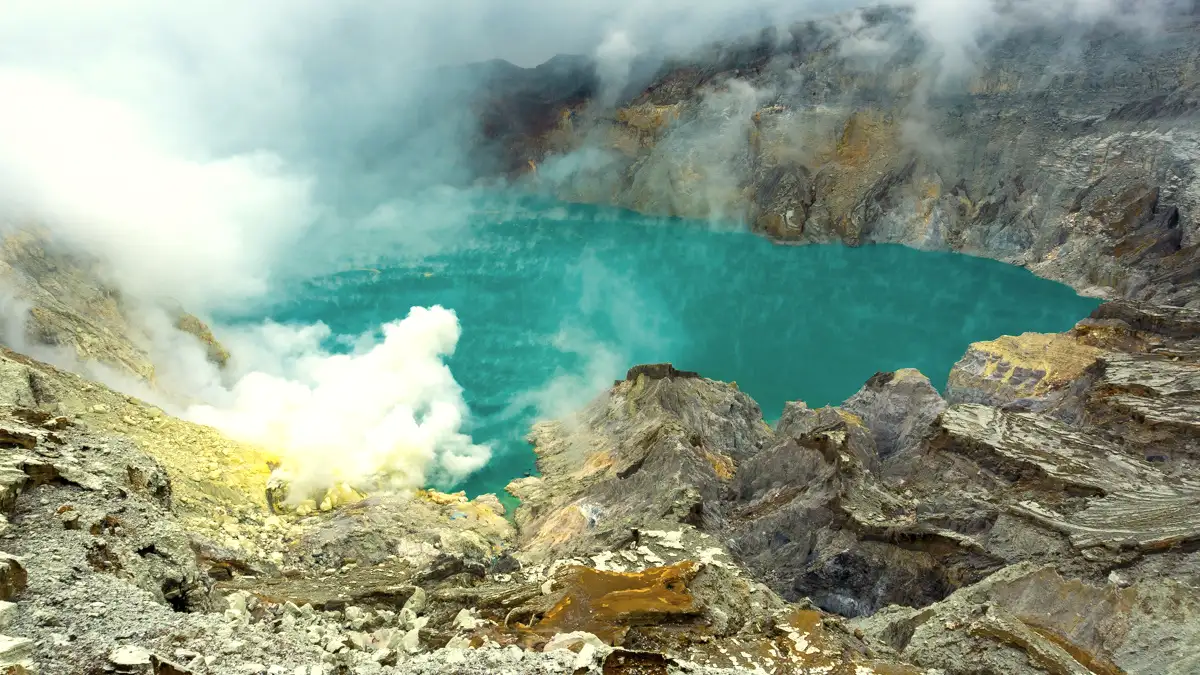
Standing on the edge of a massive volcanic cauldron at 2 AM is a surreal experience. The wind howls across the rim, carrying the sharp, stinging scent of sulfur that makes your eyes water even behind a gas mask. Most travelers arrive here exhausted, having traded sleep for a chance to witness the electric blue flames dancing in the dark. However, without a solid plan, this bucket-list moment can quickly turn into a chaotic scramble through thick crowds and blinding smoke.
Planning your journey involves more than just booking a flight to Indonesia. You need to synchronize ferry schedules from Bali, navigate local transport in Banyuwangi, and understand the physical toll of a midnight ascent. If you want to avoid the common pitfalls and secure a seamless experience, we recommend starting your journey by looking into how to book your trip now with experts who live and breathe this volcano. Our comprehensive Ijen Crater tour guide is designed to transform a stressful logistics puzzle into the highlight of your East Java adventure.
What You Need to Know
Essential Snapshot:
- Location: Banyuwangi/Bondowoso, East Java, Indonesia.
- Start Time: Usually 12:00 AM – 2:00 AM from your hotel.
- Difficulty: Moderate to hard. The first 2km is a steep incline on sandy terrain.
- Weather: Extremely cold (5°C to 12°C) before sunrise.
- Highlights: The electric Blue Fire, the world’s largest highly acidic lake, and the incredible sulfur miners.
- Entry Requirements: Recent health certificates are occasionally required depending on local volcanic activity levels.
Why Trust This Guide
We aren’t just writers; we are local operators who have walked the Ijen trail thousands of times. Our team monitors the volcanic activity daily, speaking directly with the rangers at the Paltuding post. When the wind shifts and the gas becomes dangerous, we are the first to know. We’ve seen the “Instagram vs. Reality” side of this volcano—the crowded trails, the broken headlamps, and the shivering hikers who didn’t bring a jacket. This guide is built on real-world experience, not just search engine data.
Our commitment is to your safety and the quality of your experience. Because we work closely with the local community, including the sulfur miners, we provide a perspective that respects the mountain’s culture while delivering the high standards expected by international travelers. Whether you are a backpacker on a budget or looking for a luxury private journey, these insights come from the front lines of East Java tourism.
Real-Time Operational Knowledge
Conditions at the crater change with the weather. Heavy rain can make the descent into the crater slippery and hazardous, leading rangers to close the path to the lake. Volcanic activity levels, monitored by the Center for Volcanology and Geological Hazard Mitigation, determine if the park opens at 2 AM or later. We stay updated so you don’t have to guess. Before you pack your bags, it’s vital to check if Ijen Crater is safe for your specific travel dates.
Logistics: Getting to the Gateway
Most travelers choose Banyuwangi as their base. This coastal town is the closest major hub, located just an hour’s drive from the Paltuding basecamp. You can reach Banyuwangi by train from Surabaya or Malang, which offers a scenic look at Java’s emerald rice paddies. Alternatively, if you are coming from Bali, a short ferry ride from Gilimanuk to Ketapang puts you right at the doorstep of the volcano. The logistics might seem daunting, but the infrastructure for tourists has improved significantly.
For those seeking a more rugged approach, Bondowoso offers an alternative route from the west. This side is less crowded but involves a longer drive through coffee plantations. Regardless of your entry point, you need to arrange transport to the mountain by midnight. Private drivers are the standard choice here, as there is no reliable public transport that runs to the trailhead at 1 AM. Booking a package that includes transport ensures you aren’t left stranded at the ferry terminal in the middle of the night.
Accommodation Choices
Where you sleep—or rather, where you drop your bags before the midnight hike—matters. Luxury travelers often prefer the boutique resorts in the Licin area, which offer stunning views of the surrounding rainforest. Backpackers typically flock to homestays in Banyuwangi town for the cheap eats and easy access to the train station. Keep in mind that you will only be using the room for a few hours of sleep before the 12:30 AM wake-up call, so prioritize location over extravagant amenities.
Looking for the perfect way to see the highlights of East Java without the stress of planning? Our most popular routes combine the volcanic majesty of Ijen with the iconic Mount Bromo tour for a complete adventure. Whether you need a simple Ijen Crater tour or a full East Java tour package, we have you covered. For the ultimate bucket list experience, don’t miss our Bromo Ijen tour which links both volcanoes in one seamless journey.
The Midnight Hike Strategy
The journey begins at Paltuding, the base camp where you’ll find small warungs (local cafes) serving hot ginger tea and instant noodles. It’s a good idea to fuel up here. The temperature will likely be around 10°C, and the air is thin. Once you pass the ticket gate, the trail starts immediately with a steep, 2-kilometer incline. This is the hardest part of the hike. The path is wide but covered in fine volcanic sand that can make your feet slip if you don’t have proper traction.
By 3 AM, the trail is a constellation of moving headlamps. You’ll hear the rhythmic squeak of the sulfur miners’ trolleys—wooden carts used to haul 80kg of sulfur down the mountain. Nowadays, many miners also use these trolleys as “volcano taxis” to push tourists up the hill for a fee. While it might look tempting when your calves are screaming, try to push through. Reaching the top under your own power makes the eventual view of the blue flames much more rewarding.
Navigating the Crowd
Crowds are a reality at Ijen. On weekends and public holidays, the trail can feel more like a busy city street than a remote wilderness. To get ahead of the main surge, aim to arrive at the gate at least 30 minutes before it opens. Moving at a steady pace without long breaks will help you reach the crater rim before the bottleneck at the narrow descent path. This foresight allows you to experience the blue fire with a bit more breathing room.
The Truth About the Blue Fire
The “Blue Fire” isn’t actually lava; it’s sulfuric gas emerging from volcanic cracks at temperatures up to 600°C. When these gases hit the oxygen-rich air, they ignite into brilliant blue flames that can reach five meters high. It is one of only two places on Earth where this phenomenon occurs. However, seeing it requires descending about 800 meters into the crater itself. This path is rocky, steep, and often engulfed in thick, suffocating smoke.
Gas masks are non-negotiable here. Even if the air seems clear, a sudden shift in wind can send a wall of toxic sulfur gas directly into your face. We’ve seen unprepared hikers coughing uncontrollably and panicking when the gas hits. A professional-grade respirator with chemical filters is the only thing that will keep you comfortable. If you’re unsure about gear, check our guide on what to wear for Ijen to ensure you are fully prepared for the elements.
The Descent Into the Cauldron
Going down into the crater is an exercise in patience. You are sharing a narrow, rocky path with hundreds of other tourists and miners carrying heavy loads. The rocks are slippery with condensation and sulfur dust. Wear shoes with excellent grip—sneakers with flat soles are a recipe for a twisted ankle. Always give way to the miners; they are working a grueling job in extreme conditions, and they always have the right of way on the path.
Best Sunrise Viewpoints
Once the blue fire begins to fade with the approaching dawn, you need to climb back up to the rim for the sunrise. Most people congregate at the first viewpoint they reach, but if you walk another 15 to 20 minutes along the rim toward the “Sun Rise Point,” you’ll find better angles and fewer elbows in your ribs. From here, you can watch the sky turn from deep indigo to fiery orange, revealing the stunning turquoise color of the acid lake below.
The contrast between the yellow sulfur deposits, the white volcanic steam, and the vibrant teal water is a photographer’s dream. The acid lake is roughly one kilometer wide and has a pH of nearly 0, making it the largest highly acidic lake in the world. As the sun rises higher, the shadows retreat, showing the true scale of the crater. It is at this moment that most travelers realize the hike was worth every minute of lost sleep.
The Dead Forest Viewpoint
If you have extra energy, continue hiking further around the rim to reach the “Dead Forest.” This area is filled with bleached, twisted tree trunks that were killed by a past volcanic eruption. It provides a hauntingly beautiful foreground for photos of the crater. Very few people make it this far, as most head back down after the initial sunrise. If you want a quiet moment to absorb the majesty of the volcano, this is where you’ll find it.
Common Mistakes Travelers Make
The biggest mistake is underestimating the cold. Java is tropical, but at 2,400 meters in the middle of the night, it feels like the mountains of Europe. We’ve seen people hiking in shorts and cotton hoodies, only to be shivering violently by 3 AM. Layering is key. You’ll get hot during the steep climb, but as soon as you stop to wait for the sunrise, your body temperature will drop rapidly. Bring a windbreaker and a light down jacket that you can easily pack away.
Another error is arriving too late. If you reach the rim at 5 AM, you’ve likely missed the blue fire entirely. The fire is only visible in total darkness. Furthermore, the path down into the crater often gets closed by rangers as it gets later to allow the miners more space to work. If the blue flames are your priority, you need to be at the trailhead when the gates open. Being late means you’ll be stuck at the back of a very long, very slow-moving line of people.
Neglecting Respiratory Safety
Some hikers try to use simple surgical masks or scarves to filter the sulfur. This is useless. Sulfuric acid gas requires specialized filters to neutralize the toxins. Breathing in these fumes for extended periods can cause throat irritation and long-term respiratory issues. Don’t ruin your trip by being cheap on safety gear. Rental masks are available at the basecamp, but ensure the filters aren’t expired or clogged with dust before you start your ascent.
Continue Your Adventure
Don’t stop at just one volcano. East Java is a land of giants, and Ijen is often just the beginning. Explore these top-rated tour packages to see the best of the region:
- Secure Your Guaranteed Departure Now
- Ijen Crater Tour from Bali (All-Inclusive)
- 1-Day Ijen Adventure from Banyuwangi
- Bromo & Ijen 3-Day Journey from Surabaya
- Ultimate East Java Discovery Tour
Ready to Witness the Blue Fire?
Don’t leave your Ijen experience to chance. Our local experts handle the logistics, safety gear, and timing so you can focus on the breathtaking views. Join us for a journey you’ll never forget.
Frequently Asked Questions
Q: Which viewpoint is the least crowded for sunrise?
A: Most people stop at the first rim area after climbing back up from the crater. For fewer crowds, continue walking about 20 minutes further along the rim toward the “Dead Forest” or the higher peaks. The view of the lake is better from there, and you’ll escape about 70% of the tour groups.
Q: How bad is the dust on the trail?
A: The dust can be quite significant, especially during the dry season. Hundreds of feet kicking up volcanic sand create a fine haze. If you have asthma or sensitive eyes, wearing a buff or a mask even before you reach the sulfur zone is highly recommended. Contact lens wearers might find the dust particularly irritating.
Q: Can elderly travelers handle the stairs and the climb?
A: There aren’t many “stairs,” but the incline is very steep (about 15-20 degrees) for the first 2km. If walking is an issue, the “trolley taxi” service operated by local miners is an option, where they push you up the mountain in a cart. However, the descent into the crater itself is rocky and uneven, which we do not recommend for anyone with knee issues or poor balance.
Q: What happens if the Blue Fire isn’t visible?
A: The Blue Fire is a natural phenomenon, not a light show. If the sulfur gas is too thin or the volcanic activity is low, it may not appear. In such cases, the sunrise over the turquoise lake and the interaction with the sulfur miners still make the trip incredibly worth it. The landscape looks like another planet regardless of the flames.
Q: Is it safe to visit if I have respiratory issues?
A: We generally advise against descending into the crater if you have chronic respiratory conditions like severe asthma or COPD. While a gas mask helps, the air is still thin and the physical exertion is high. You can still enjoy the sunrise from the rim, where the air is much clearer and the risk of gas exposure is significantly lower.
Planning to visit Ijen or Mount Bromo?
Explore available tour options and ask our local team about your itinerary.
Explore Tour Packages →