Is Ijen Crater Safe for Asthma Sufferers and Elderly Travelers?: Ultimate Safety Guide
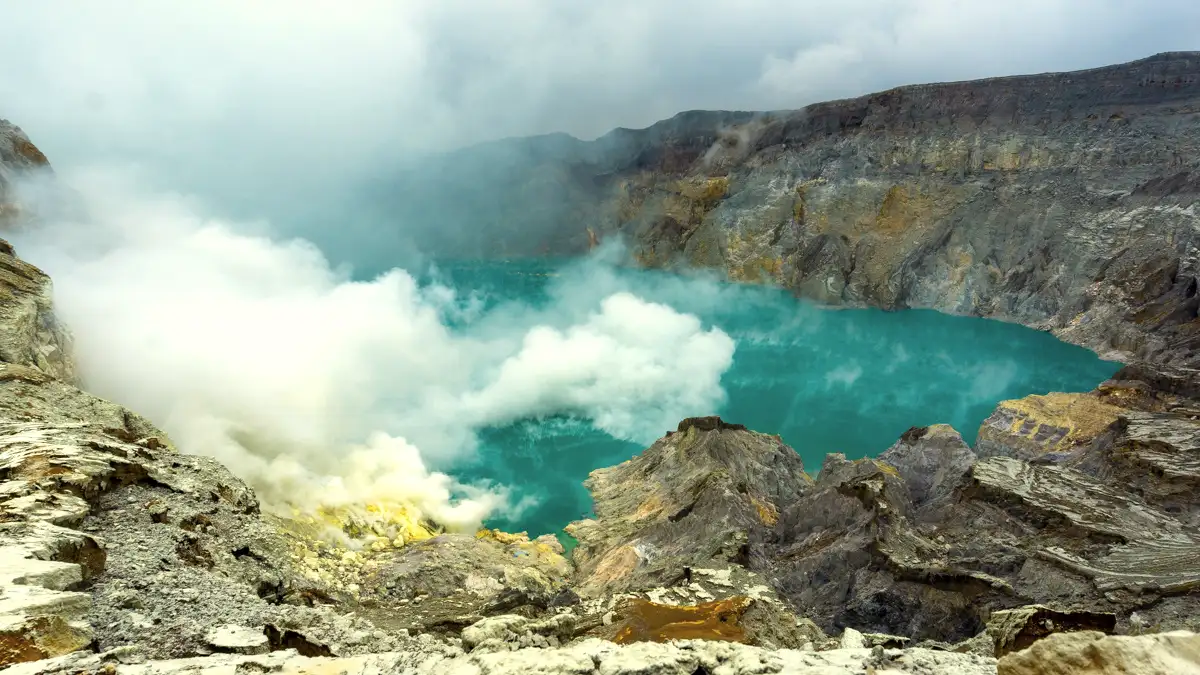
Standing on the edge of a volcanic caldera at 2 AM, surrounded by a swirling mist of toxic sulfur gas, isn’t exactly a typical vacation. For most, Ijen Crater is the peak of East Javanese adventure. But if you are managing asthma or traveling in your golden years, those iconic blue flames can feel more like a hazard than a highlight. You might be wondering if your lungs can handle the sulfur gas exposure or if your knees will survive the 2-hour vertical scramble. These are valid fears that most Instagram-perfect travel blogs completely ignore.
The short answer? It depends entirely on your preparation and current health status. While the Ijen hiking difficulty is often rated as moderate, the environmental factors are extreme. We have seen 70-year-olds reach the summit with ease using the local “taxi” service, and we have seen young backpackers struggle because they underestimated the volcanic fumes. Before you lock in your reservation, you need the raw, unfiltered truth about the risks involved.
This guide isn’t here to scare you off. It’s here to give you the data-driven reality of Mount Ijen safety. We will break down the respiratory health risks, the logistics of the Ijen trolley taxi service, and how to navigate the Paltuding basecamp procedures. Whether you are a luxury traveler seeking comfort or a backpacker with a chronic cough, your safety is the only priority that matters when facing an active volcano.
What You Need to Know
Safety at Ijen is not a guarantee; it is a calculation. Here is the essential breakdown for high-risk travelers:
- Sulfur Concentration: The gas is highly acidic. Even with a mask, it can trigger immediate bronchospasms in asthma sufferers.
- The “Trolley Taxi”: Local miners offer a pulling service for those who cannot hike. It costs roughly 800,000 to 1,000,000 IDR for a round trip.
- Temperature Extremes: It can drop to 5°C (41°F) at the summit. Cold air is a known asthma trigger.
- Medical Services: There is no hospital at the summit. The nearest clinic is down in the valley, which is a 45-minute drive from the basecamp.
Why Trust This Guide
We aren’t just writers; we are local operators who spend every morning at the Ijen Crater rim. We see the 3 AM panic when the wind shifts. We help travelers navigate the steep paths and coordinate with the local miners for trolley rescues. Our knowledge comes from the ground, not from a textbook. We have handled thousands of guests, including seniors and those with medical conditions, ensuring they have a safe and memorable journey.
Volcanic activity is fluid. What was safe yesterday might be restricted today. We stay in constant communication with the local rangers and the Indonesian Center for Volcanology (PVMBG) to provide real-time advice. This guide is built on that expertise, focusing on the harsh realities of the terrain and the physiological impact of high-altitude volcanic gases.
Is Ijen Safe for Asthma Sufferers?
Asthma and active volcanoes are generally a poor mix. The primary concern at Ijen is the high concentration of sulfur dioxide (SO2). When this gas reacts with the moisture in your throat and lungs, it creates a mild sulfuric acid. For a person with healthy lungs, this causes coughing and eye irritation. For someone with asthma, it can trigger an immediate, severe inflammatory response in the airways. You aren’t just breathing “smoky” air; you are breathing chemically active fumes.
The Trigger Zones
Most of the hike up the mountain is relatively safe regarding gas. You are walking through a forest where the air is crisp. The danger starts once you reach the crater rim. If the wind is blowing towards the path, you will be hit with thick, white clouds. This is the moment when most asthma sufferers feel the “tightening” in their chest. Even a high-quality gas mask cannot filter 100% of the sulfur if the concentration is high enough. You must carry your rescue inhaler and know your limits.
Going Down into the Crater
We strongly advise asthma sufferers against descending into the crater to see the blue fire. The gas density at the bottom is significantly higher than at the rim. While the rim offers a quick escape if the wind shifts, the crater floor is a basin where gas can get trapped. If you have any history of exercise-induced or chemical-sensitive asthma, staying at the rim is the only responsible choice. The view from the top is spectacular enough without risking a medical emergency in a remote location.
Is Ijen Safe for Elderly Travelers?
Aging doesn’t mean you have to miss out on Java’s wonders, but it does mean you need a different strategy. The elderly accessibility at Ijen has improved significantly over the years, mainly due to the local trolley system. However, the physical toll is still high. The hike starts at midnight, meaning your sleep cycle is completely disrupted. For older travelers, this exhaustion can lead to dizziness or a higher risk of trips and falls on the uneven volcanic rock.
The Steepness Factor
The first 2 kilometers of the trail are quite steep, with an incline reaching up to 30 degrees in some sections. There are no stairs, only a dusty, sandy path that can be slippery. If you have joint issues, specifically in the knees or hips, this ascent (and the subsequent descent) will be taxing. Many seniors find that using trekking poles is non-negotiable here. They provide the stability needed to navigate the loose gravel and reduce the impact on your joints during the way down.
Heart and Lung Capacity
At an altitude of over 2,300 meters, the air is thinner. Your heart has to work harder to pump oxygen. If you have any history of cardiovascular issues, you must consult a doctor before attempting this. The combination of steep climbing, high altitude, and potential gas inhalation puts a unique stress on the body. We recommend taking the hike slowly, stopping at the “Warung” (halfway point) for a long rest, and not feeling pressured by the younger crowds rushing for the sunrise.
If you’re planning a trip to East Java, it’s essential to look at the bigger picture of your itinerary. Many travelers find that a comprehensive Ijen Crater tour is best enjoyed when combined with a Mount Bromo tour for the ultimate volcanic experience. Our Bromo Ijen tour packages are designed to balance adventure with safety, making them perfect for those exploring the East Java tour region.
The Ijen Trolley: Comfort at a Price
If the Ijen hiking difficulty seems too daunting, there is a local solution that has become legendary: the “Ijen Taxi.” These are actually the same wooden trolleys used by Ijen sulfur miners to transport heavy loads of rocks. For a fee, two or three miners will pull you up the steep incline while you sit on a modified seat. It’s a raw, bouncy ride, but it eliminates the physical exertion of the climb.
How the Trolley Works
Miners hang around the Paltuding entrance and the base of the steep section. You don’t usually need to book them in advance; they will likely find you. For elderly travelers, this is a godsend. It allows you to save your energy for the rim where the views are best. The cost is quite high by local standards, but it directly supports the mining community. Keep in mind that these trolleys cannot go down into the crater floor; they are strictly for the main trail to the rim.
Safety on the Trolley
While the miners are incredibly strong and experienced, you should be aware that the trolley has no seatbelts. You are sitting on a padded wooden board. On the way down, the “driver” uses his boots as brakes against the sandy trail. It can feel a bit precarious if you aren’t used to it. If you have severe back pain or spinal issues, the jolting of the trolley might be uncomfortable. However, for most elderly visitors, it is the only way to experience the crater without physical exhaustion.
Essential Safety Tips for High-Risk Hikers
Preparation is your best defense against the mountain’s harshness. If you fall into a high-risk category, you cannot wing it. You need the right gear and the right mindset. Start by ensuring you have a professional-grade gas mask with replaceable filters. The cheap paper masks sold by some vendors at the base are useless against sulfur dioxide. You can check our gas mask rental guide to see what a proper setup looks like.
Timing and Weather
Try to avoid the peak weekends if possible. The trail gets incredibly crowded, and if you are moving slowly or using a trolley, the human traffic can be stressful. Wind direction is also crucial. During the dry season, the winds are more predictable, but they can still shift. If the gas is blowing heavily toward the rim, even healthy hikers are often turned back by rangers. Don’t push your luck; if the air feels suffocating, move back immediately.
Health Gear Checklist
Beyond the gas mask, asthma sufferers should bring a spare inhaler kept in a warm inner pocket (cold can affect medication delivery). Elderly travelers should prioritize high-quality hiking boots with ankle support. The temperature at the top can lead to hypothermia if you aren’t moving much, so layering is essential. We recommend a moisture-wicking base, a fleece mid-layer, and a windproof jacket. You can find more detail in our clothing guide for Ijen.
Continue Your Adventure
If you’re looking for more ways to explore the volcanic landscapes of East Java safely and professionally, consider these popular options:
- Book Your Trip Now – Secure your private tour with our local experts.
- Ijen Crater Tour – Our flagship one-day adventure from Banyuwangi.
- Ijen Crater Tour from Bali – The most popular way to visit Ijen from the Island of Gods.
- Ijen Crater Tour from Banyuwangi – The fastest and most convenient local start.
- Ijen Crater Latest Updates – Stay informed on trail closures and volcanic activity.
- Ijen Tour from Surabaya – A perfect 2-day escape from the city.
Ready to Witness the Blue Fire Safely?
Don’t leave your safety to chance. Our team of experienced local guides knows how to navigate Ijen with care, ensuring every traveler—regardless of age or health—has a safe journey.
Frequently Asked Questions (FAQ)
Q: Which viewpoint is the least crowded for elderly travelers?
A: Most people congregate at the first sunrise point they hit on the rim. If you walk another 15-20 minutes further along the rim toward the “Dead Forest” area, the crowds thin out significantly, offering a much more peaceful experience for those moving at a slower pace.
Q: How bad is the dust for someone with mild respiratory issues?
A: The trail can be very dusty, especially during the dry season. The constant foot traffic and trolley movement kick up fine volcanic ash and sand. We recommend wearing a light buff or neck gaiter even before you reach the sulfur zone to prevent throat irritation.
Q: Can elderly travelers handle the stairs inside the crater?
A: There are no proper “stairs” down into the crater. It is a rocky, jagged descent that requires significant balance and leg strength. We strongly advise elderly travelers and anyone with joint issues to stay on the rim. The risks of a fall are very high, and rescue from the crater floor is extremely difficult.
Q: Is there any medical staff on-site at Paltuding?
A: There is a basic first-aid post at the basecamp (Paltuding), but it is not a fully equipped clinic. The staff can handle minor injuries, but for anything serious, you would need to be transported to the hospital in Licin or Banyuwangi, which can take an hour or more.
Q: Is the sulfur gas smell permanent on clothes?
A: The smell is very persistent. For those with sensory sensitivities or asthma, the lingering scent on your jacket or hair can continue to be a trigger even after the hike. We recommend washing your clothes immediately and taking a long, hot shower to remove all sulfur particles from your skin.