
The Definitive Guide to Mount Bromo Tour 2026
Embark on a journey to the heart of East Java’s volcanic wilderness. This comprehensive guide provides everything you need to master the Mount Bromo experience, from secret sunrise spots to complex logistics.
Mount Bromo is located in East Java, Indonesia, within the Bromo Tengger Semeru National Park. The best time to visit is during the dry season (April to October) for clear sunrise views, and while the trek is moderate, it requires early morning departures and preparation for cold temperatures.
- Comprehensive Overview of Mount Bromo
- Logistics: How to Get There
- The Best Time to Visit
- Top Highlights & Viewpoints
- Expert Tips & Preparation
1. Comprehensive Overview of Mount Bromo
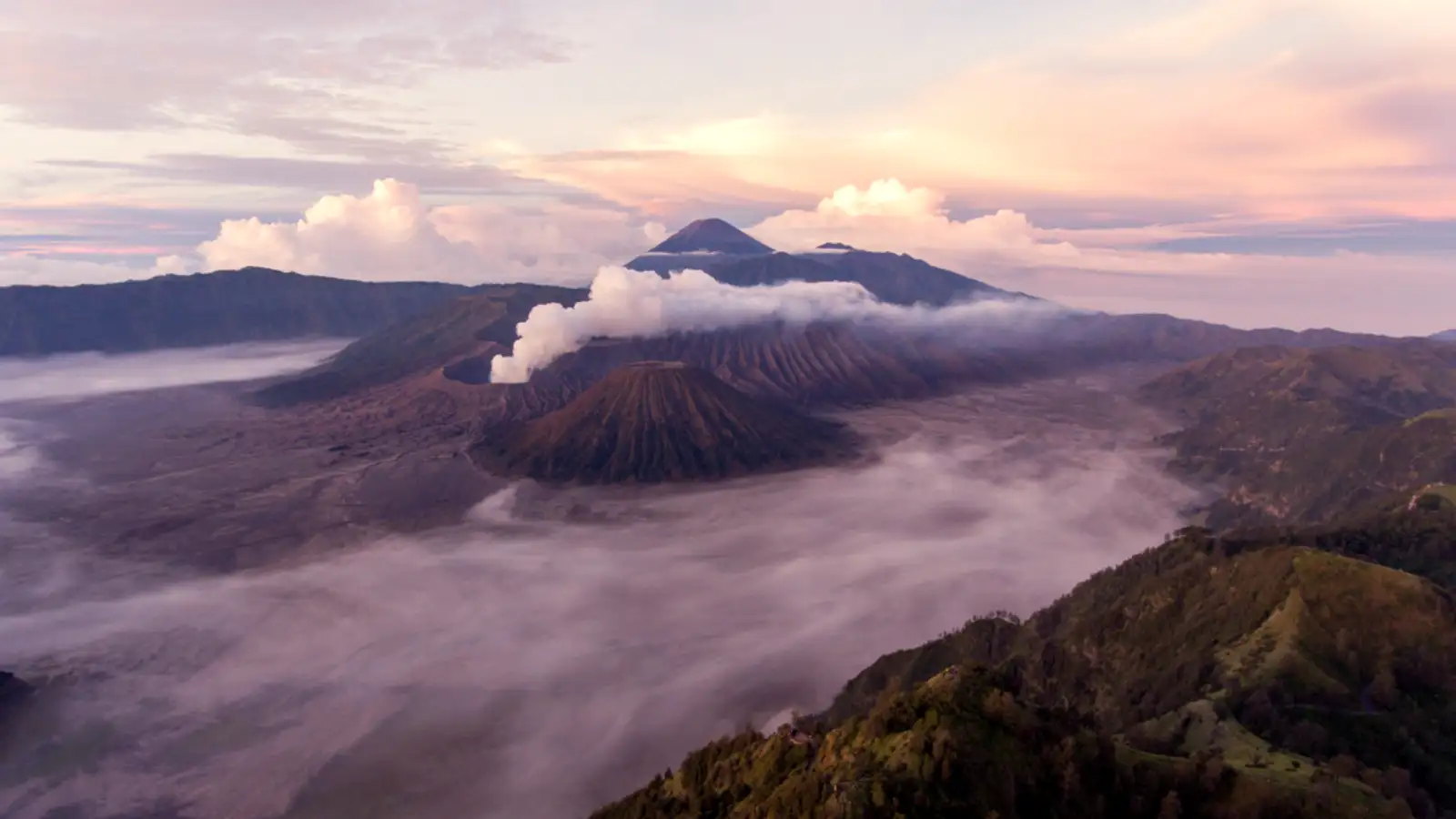
Mount Bromo, standing at 2,329 meters, is not the highest peak in Indonesia, but it is undoubtedly the most iconic. Nestled within the massive Tengger Caldera, it is part of the Bromo Tengger Semeru National Park, a landscape so surreal it is often described as “lunar.” The volcano is an active stratovolcano, characterized by its constant plume of white sulfurous smoke and its position inside a vast “Sea of Sand.”
The history of Mount Bromo is deeply intertwined with the Tenggerese people, a Hindu community that has inhabited these highlands for centuries. According to local legend, the volcano was the site of a great sacrifice by Princess Roro Anteng and her husband Joko Seger. Today, this heritage is celebrated annually during the Yadnya Kasada festival, where locals offer fruit, livestock, and flowers into the crater to appease the mountain gods. Understanding this cultural depth transforms a simple Mount Bromo Tour from a mere sightseeing trip into a profound spiritual encounter.
Geologically, Bromo is one of several peaks located inside the ancient Tengger caldera, which spans roughly 10 kilometers. While Mount Semeru (the highest peak in Java) looms in the background, Bromo remains the focal point for travelers due to its accessibility and the sheer drama of its surroundings. For those looking to extend their adventure, many travelers combine this visit with a Bromo Ijen Tour to witness the famous blue flames of the neighboring crater.
Most tourists focus only on the sunrise, but the “Sea of Sand” (Lautan Pasir) creates its own micro-climate. During the dry season, high-speed winds can create localized sand-whirls. We always recommend bringing a high-quality buff or dust mask, even if the sky looks clear. Additionally, the temperature at the Penanjakan viewpoints can drop to 3-5°C before dawn, so layering is non-negotiable for comfort and safety.
2. How to Get There
Reaching Mount Bromo requires careful planning, as the volcano is located in a remote part of East Java. The most common gateways are the cities of Surabaya and Malang. Most international travelers fly into Juanda International Airport (SUB) in Surabaya, which serves as the primary hub for the region. From there, it is a 3 to 4-hour drive to the mountain base.
Routes from Major Cities
There are several established routes depending on your starting point in Indonesia:
- From Surabaya: This is the most popular route. You can easily book a Mount Bromo sunrise tour from Surabaya which typically departs at midnight to reach the viewpoints in time for dawn.
- From Malang: A slightly more scenic route, often involving a Jeep journey through the Tumpang gateway. This route provides better access to the southern side of the national park.
- From Probolinggo: This is the classic backpacker route. Probolinggo is the nearest major town with a train station, making it accessible for those traveling across Java by rail.
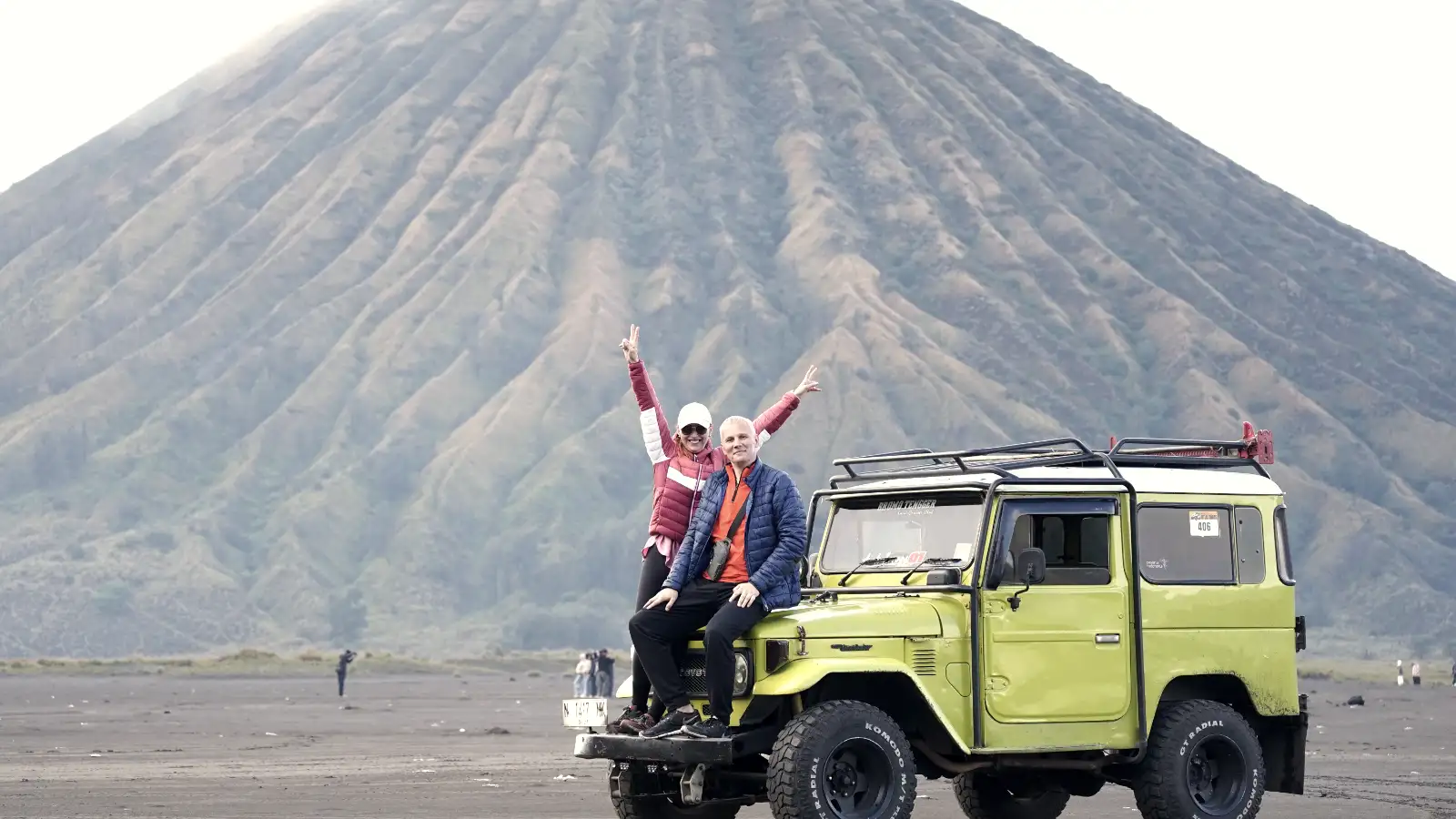
For those coming from further afield, such as Central Java, a Mount Bromo tour from Yogyakarta is a common choice, involving a long-distance train or private car transfer. Regardless of the route, the final leg of the journey almost always involves a 4WD Toyota Land Cruiser, as the steep, winding roads and sandy terrain are impassable for standard vehicles.
3. The Best Time to Visit
Timing is everything when planning your visit. Because the primary draw is the sunrise panorama, weather conditions play a critical role in the quality of your experience. Indonesia has two distinct seasons: the dry season and the wet season.
The Dry Season (April to October)
This is widely considered the best time for a tour. The skies are generally clear, providing a high probability of seeing the sun emerge from behind the peaks. For photographers, this is also the “Milky Way season,” where the lack of cloud cover allows for incredible astrophotography. However, be aware that July and August are peak tourist months, and viewpoints can become extremely crowded.
The Wet Season (November to March)
While rain is more frequent, visiting during the wet season has its advantages. The landscape turns a vibrant, lush green, contrasting beautifully with the volcanic ash. The crowds are significantly thinner, offering a more tranquil experience. If you choose this time, be prepared for potential fog which may obscure the sunrise, though the clouds often clear by mid-morning.
For more detailed climate data, you can check official updates from Indonesia Travel or the local meteorological department. Planning your trip around the lunar calendar can also provide a unique opportunity to witness the Yadnya Kasada festival if your dates align.
Explore Specific Mount Bromo Tour Packages
Ready to plan your trip? Explore our curated packages departing from various cities to find the perfect fit for your itinerary.
Bromo Tour from Surabaya
Bromo Tour from Malang
Bromo Tour from Bali
Bromo Tour from Yogyakarta
4. Top Highlights & Viewpoints
The Bromo experience is more than just one lookout point. The national park offers a variety of perspectives, each offering a different angle of the caldera and the surrounding peaks. Choosing the right spot depends on your fitness level and your desire to avoid crowds.
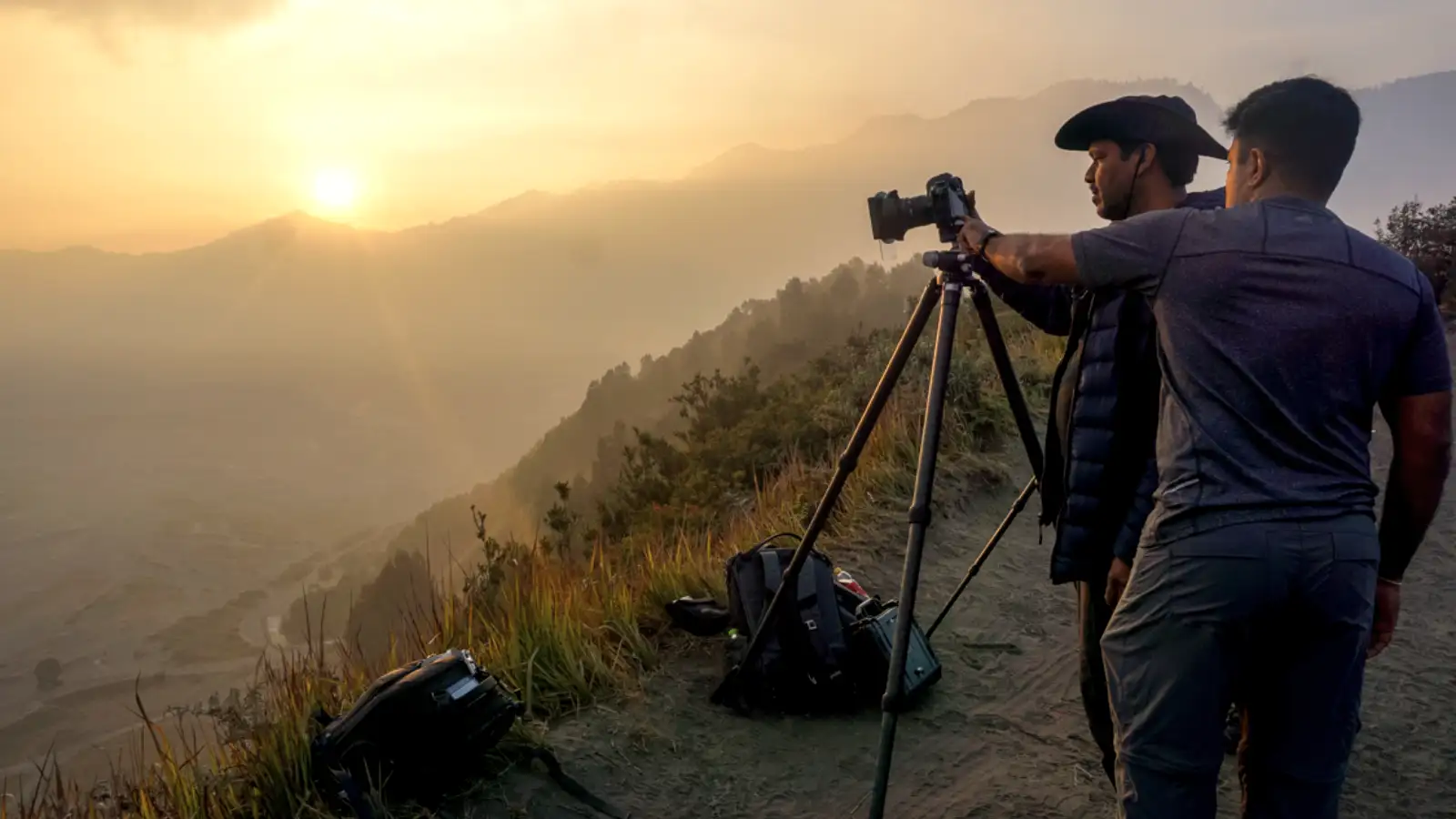
- Penanjakan 1: The most famous and highest viewpoint. It offers the classic “postcard” view but is the most crowded. Most Jeep tours head here by default.
- King Kong Hill: A fantastic alternative to Penanjakan 1. It sits slightly lower but offers a very similar perspective with slightly fewer people. Learn more in our King Kong Hill vs Seruni Point comparison.
- Seruni Point: Accessible by climbing a grand staircase, this point is lower but provides a dramatic “up-close” feel of the caldera rim.
- The Bromo Crater Rim: After the sunrise, you will cross the Sea of Sand and hike up to the actual rim of the volcano. The roar of the sulfur vents from the depths is an unforgettable sound.
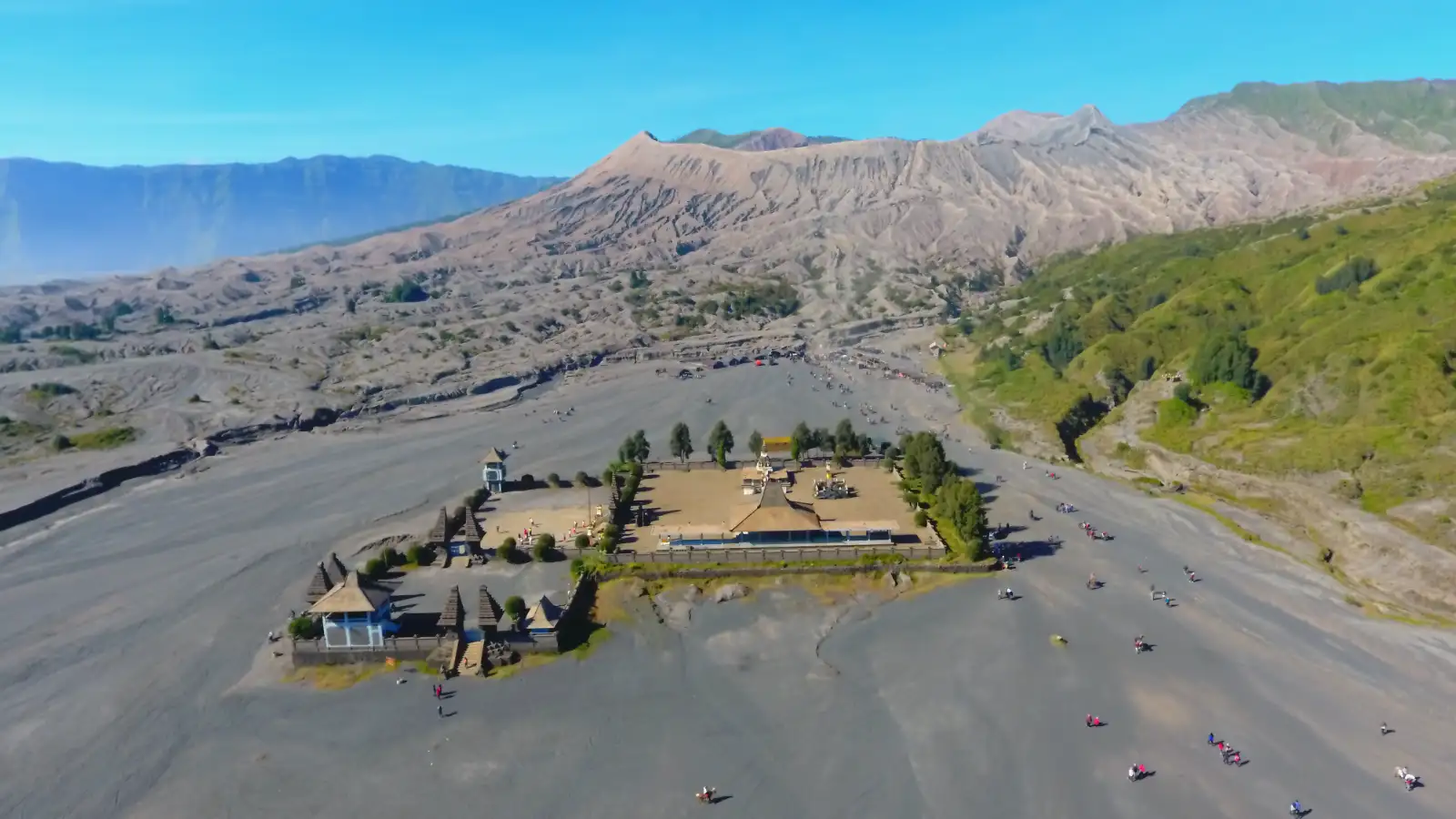
- Luhur Poten Temple: A Hindu temple sitting at the foot of Mount Bromo. It serves as a stark reminder of the mountain’s sacred status for the Tenggerese people.
For those who prefer a more adventurous route, combining these sights with a visit to the Tumpak Sewu Waterfall is highly recommended, as it showcases the sheer geological diversity of East Java.
5. Expert Tips & Preparation
To ensure a smooth trip, preparation is key. While the hike itself is not overly technical, the environment is harsh and unpredictable. Here is a checklist of essentials for your tour:
Packing Essentials
- Warm Layers: A down jacket, gloves, and a beanie are essential for the pre-dawn wait.
- Footwear: Sturdy sneakers or hiking boots with good grip are necessary for the sandy ascent to the crater.
- Health Protection: A mask is vital to protect against volcanic ash and sulfur fumes. Eye drops can also help if the wind picks up sand.
- Photography Gear: A tripod is a must for sunrise shots, and a wide-angle lens is best for capturing the vastness of the caldera.
Safety and Regulations
Always follow the instructions of your local guide and pay attention to the alert levels issued by the Center for Volcanology and Geological Hazard Mitigation. The crater rim may be closed if volcanic activity increases. Additionally, ensure you have your entrance tickets booked in advance, as the national park has daily quotas for visitors.
Need Help Planning Your Trip?
Our local travel experts are ready to customize the perfect itinerary for your adventure.
Frequently Asked Questions
1. Is Mount Bromo safe to visit?
Yes, Mount Bromo is generally safe for tourists. However, it is an active volcano. Authorities monitor activity levels constantly and will close access to the crater if there is any danger. Always check the current status before your trip.
2. How difficult is the hike to the crater?
The hike is considered moderate. From the Jeep parking area, it is a flat walk across the Sea of Sand, followed by a flight of 250 concrete steps to the rim. If you prefer not to walk, local horse rides are available for the flat section.
3. What is the best time of day to visit?
Sunrise is the most popular and spectacular time to visit. Most tours begin around 3:00 AM to reach the viewpoints by 5:00 AM. However, visiting mid-morning is also beautiful and much less crowded.
4. Can I visit Mount Bromo without a tour?
While possible for experienced independent travelers, it is challenging due to the lack of public transport to the viewpoints and the requirement for 4WD vehicles. Most visitors find that booking a tour is the most efficient way to see the highlights.
5. What should I wear for the tour?
Layering is key. It can be as cold as 5°C at the sunrise viewpoints but will warm up significantly once the sun is up. Wear a warm jacket, long pants, and comfortable hiking shoes.