Ijen Crater Gas Mask Rental Guide: Master Your 2026 Hike
Midnight in East Java feels like a different planet. You step out of your transport at Paltuding basecamp, and the air immediately bites. It is cold, sharp, and smells faintly of spent matches.
Most travelers arrive with high hopes of seeing the electric-blue flames. They focus on the steep climb and the freezing temperatures. Often, they forget the most critical piece of Ijen hiking gear: the gas mask.
Without proper volcanic gas protection, your dream adventure turns into a coughing fit. The sulfur fumes are no joke. Secure your professional guide and gear now to ensure you breathe easy while others struggle in the toxic clouds.
What You Need to Know
Gas masks are mandatory for descending into the crater. You can rent them at the basecamp or through your tour operator. Prices are low, but quality varies wildly between vendors.
Always check the filter seal before starting your ascent. Real-time conditions change, and local rangers may block access if gas levels spike. Prepare for the smell to linger on your clothes for days.
Why Trust This Guide
We live and breathe the volcanic landscapes of East Java. Our team coordinates hundreds of treks every month. We know which rental shops maintain their filters and which ones hand out dusty relics.
Safety isn’t just a buzzword for us; it is our daily reality. We watch the wind patterns shift at the crater rim every morning. This guide comes from years of practical, hands-on experience in the field.
We see travelers arrive unprepared every single night. Most rely on cheap cloth masks that offer zero protection. This guide aims to fix that and keep your lungs safe.
The Raw Reality of Sulfur Fumes
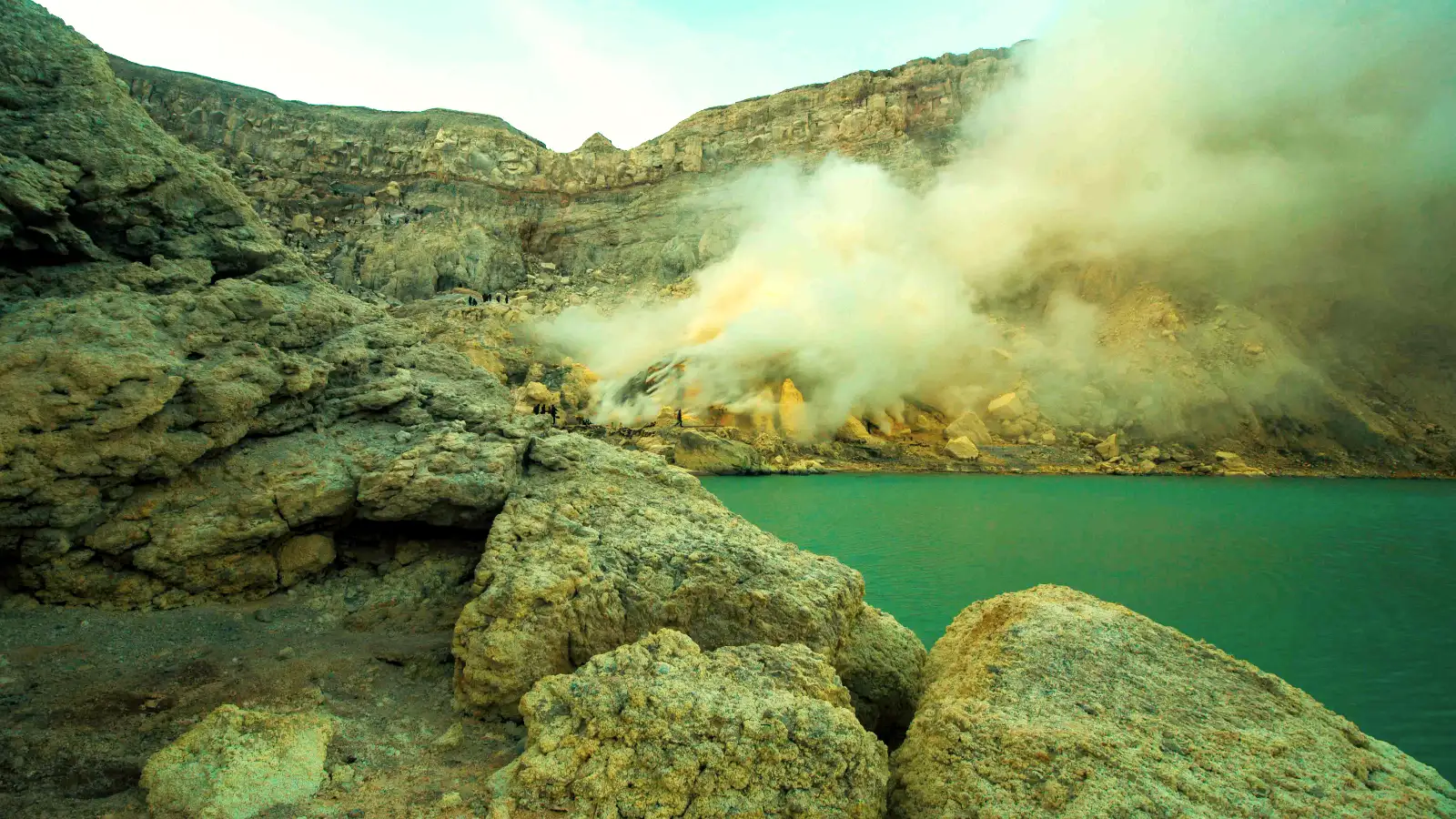
Imagine the smell of a thousand rotten eggs concentrated into a single cloud. That is what hits you as you approach the rim. It isn’t just an unpleasant odor; it is physically restrictive.
Sulfur dioxide reacts with the moisture in your throat and lungs. It creates a mild sulfuric acid that triggers an immediate coughing reflex. Your eyes will sting, and your chest might feel tight.
The Ijen sulfur miners endure this daily with minimal gear. They are superhuman, but you are not. Don’t try to “tough it out” without a proper respirator.
Sensory Overload at the Rim
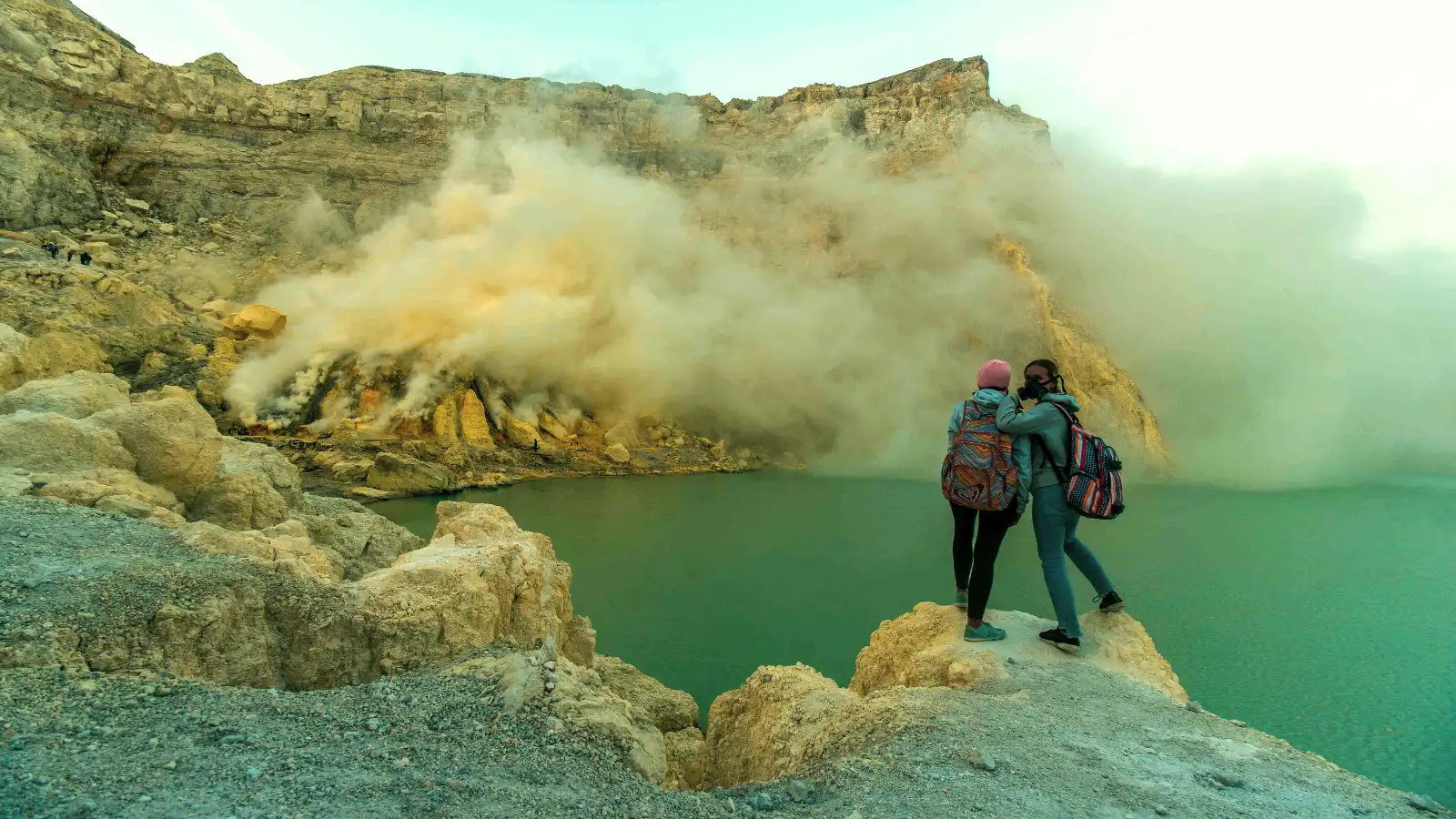
The wind is the most unpredictable factor on the mountain. One moment, the air is clear and the stars are vibrant. Suddenly, the breeze shifts, and you are engulfed in a thick, white fog.
Panic is a common reaction for first-timers when the gas hits. You can’t see your feet, and the air becomes thick. A high-quality gas mask is your only tether to comfort in those moments.
You will hear the rhythmic “whoosh” of filtered air in your ears. It sounds like Darth Vader, but it is the sound of safety. This gear allows you to witness the blue fire without gasping for air.
Rental Logistics at Paltuding
Paltuding is the starting point for every Ijen adventure. It is a hive of activity between 1 AM and 3 AM. Local warungs and small stalls line the entrance area.
You will find several spots for Banyuwangi gas mask hire right at the basecamp. Most local guides include the mask in their tour price. If you are solo, you will need to negotiate the rental yourself.
Expect to pay a small fee, usually around 50,000 IDR. This often includes a pair of goggles to protect your eyes. Always ask for a fresh filter if the one offered looks gray or clogged.
| Item | Estimated Cost (IDR) | Notes |
|---|---|---|
| Gas Mask Rental | 50,000 | Includes basic respirator |
| Safety Goggles | 25,000 | Often bundled with mask |
| Headlamp Rental | 30,000 | Essential for night hike |
Where to Find the Best Gear
Don’t wait until you are at the crater rim to find a mask. There are no rental shops at the top. Everything must be secured at the bottom before you begin the 2-hour climb.
Look for vendors who keep their masks in plastic bags. This is a sign that the equipment has been cleaned. Avoid masks that look damp or have a strong smell from the previous user.
Check the elastic straps for elasticity. A mask that slides down your face is useless when you are scrambling over rocks. Secure it tightly against your bridge and chin.
Planning a trip across East Java involves many moving parts. From securing the right gear to timing the sunrise perfectly, the logistics can be overwhelming. We recommend exploring our comprehensive Ijen Crater tour options to take the stress out of your journey. Many travelers choose to combine this with a Mount Bromo tour for the ultimate volcanic experience. If you are short on time, a Bromo Ijen tour package covers both iconic peaks seamlessly. For those wanting a broader look at the region, our East Java tour provides a deep dive into the culture and landscapes beyond the volcanoes.
Respirator Types: Double vs Single Valve
Not all masks are created equal. In the context of Ijen nighttime hike equipment, you generally see two types of respirators. The single-filter mask is the most common and lightweight.
Double-filter masks offer better air intake. They are slightly heavier but much easier to breathe through during physical exertion. If you have asthma or low cardio, choose the double filter.
Check the cartridge type. It should be rated for acid gases. A standard N95 mask for dust will not stop the sulfur fumes from reaching your lungs.
Checking Filter Integrity
How do you know if the filter works? Put the mask on and cover the filters with your hands. Try to inhale deeply.
If you can’t get any air, the seal is perfect. If air leaks in through the sides, adjust the straps. A poor fit makes the rental pointless when the sulfur cloud arrives.
Filters have a limited lifespan. Local respirator rental Paltuding services are supposed to change them regularly. If you smell sulfur while wearing the mask, the filter is likely saturated.
Mistakes Travelers Make with Masks
The biggest error is putting the mask on too late. People wait until they are already coughing. By then, your throat is irritated, making the rest of the hike miserable.
Another mistake is taking the mask off for photos. The gas doesn’t care about your Instagram aesthetic. A single shift in wind can send a concentrated blast your way.
Some hikers bring their own N95 masks thinking they are sufficient. As mentioned on this authoritative safety page, sulfur dioxide requires specific chemical filtration. Don’t risk your health on hardware store masks.
The Eye Protection Factor
People focus on their lungs but forget their eyes. Sulfur gas is highly acidic. It turns into liquid acid upon contact with the moisture in your eyes.
This causes intense stinging and temporary blurring of vision. Rent a pair of sealed goggles alongside your mask. Swimming goggles work in a pinch, but specialized safety ones are better.
If you wear contact lenses, consider switching to glasses for the night. The gas can get trapped behind the lens, causing severe irritation. It is a common regret among backpackers.
What Nobody Tells You About the Gas
The smell doesn’t just go away when you leave the mountain. It permeates your hair, your jacket, and your backpack. You will smell like a volcano for at least two showers.
Pro tip: Bring a dedicated plastic bag for your “volcano clothes.” Don’t mix them with your clean laundry in your main pack. The sulfur scent is incredibly stubborn.
Also, the gas can damage sensitive electronics. While your phone is usually fine, professional camera lenses can suffer. The acidic vapor can degrade lens coatings over time.
Dealing with the Physical Strain
Hiking with a respirator is significantly harder than hiking normally. Your heart rate will be higher because your air intake is restricted. Take it slow and steady.
The climb from Paltuding is steep, with a 17-degree incline in some sections. Adding a mask into the mix can make you feel claustrophobic. Practice breathing deeply through the mask before you hit the rim.
If you feel lightheaded, move away from the sulfur source before removing the mask. Never take it off inside the crater. The concentration levels down there can be dangerously high.
Continue Your Adventure
Once you have conquered Ijen, the rest of East Java awaits. There is so much more to see in this volcanic corridor. Check out these curated experiences to complete your journey:
- Book Your Trip Now – Secure your professional guide and equipment today.
- Ijen Crater Tour from Bali – The most popular way to reach the volcano.
- Ijen Crater Tour from Banyuwangi – The quickest and most direct route.
- Ijen Crater Update – Stay informed on current crater conditions and closures.
- Where to Stay Near Mount Ijen – Find the best hotels for a pre-hike rest.
- Best Time to Visit Ijen – Plan your trek around the perfect weather window.
Secure Your Gear with the Experts
Don’t leave your safety to chance at the last minute. The Ijen hike is a world-class experience, but only if you can actually breathe. Our team ensures all our guests receive premium, sanitized respirators and professional guidance.
We handle the logistics so you can focus on the sunrise. From Bali transfers to local permits, we’ve got you covered. Reach out to our local team to plan your perfect volcanic trek.
Frequently Asked Questions (FAQ)
Q: Which gas mask is best for travelers with glasses?
A: Double-filter masks are better as they reduce fogging. However, tight-fitting masks can push against your frames. Many travelers find contact lenses easier, though goggles are still needed.
Q: How bad is the dust compared to the sulfur gas?
A: The trail is very dusty, especially during the dry season. While the respirator handles the gas, it also blocks the volcanic dust. This makes your breathing much cleaner during the steep ascent.
Q: Can I bring my own N95 mask instead of renting?
A: No, an N95 is insufficient for sulfur dioxide. It only filters particles, not chemical vapors. You need an active carbon filter rating for acid gases to be safe.
Q: Are the rental masks at Paltuding properly sanitized?
A: It depends on the vendor. Some are very diligent, while others are not. We always recommend bringing alcohol wipes to clean the rubber seal before you use it.
Q: What should I do if the gas shifts and I feel panicky?
A: Stay calm and lower your center of gravity. Most gas clouds pass within a few minutes. Keep your mask tightly sealed and follow your guide’s instructions immediately.