
What Makes an Ijen Trip So Different From Other Volcanoes?
- Visible electric blue flames caused by ignited sulfur gas.
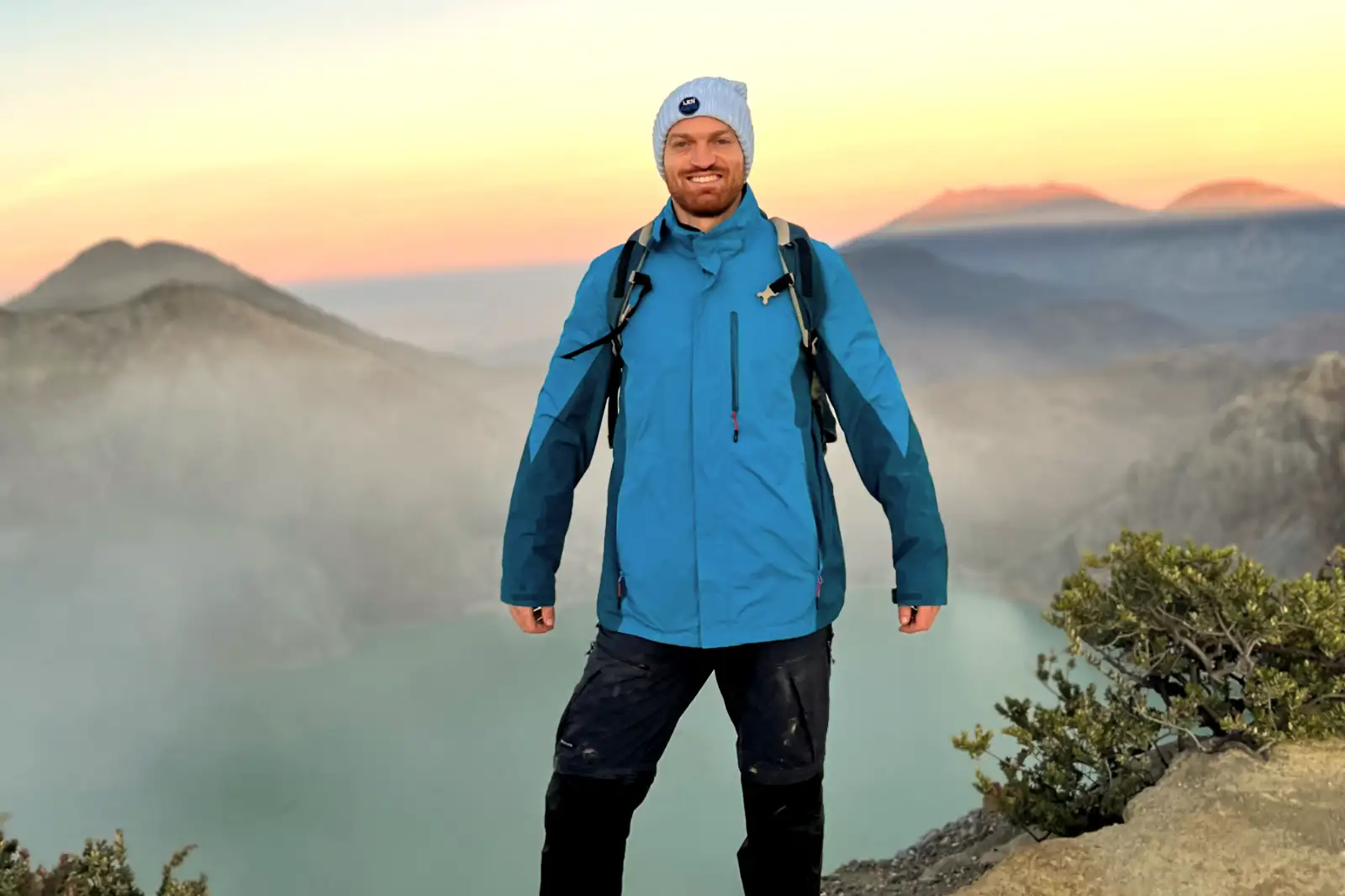
- Terrifyingly beautiful turquoise lake with extreme acidity.
- Mandatory gas masks due to thick, toxic sulfur clouds.
- A gritty look at the lives of local traditional sulfur miners.
About This Guide: Written by our Banyuwangi-based local operational team with first-hand field experience across East Java, including current trail conditions, departure timing, weather shifts, and real visitor logistics.
Table of Contents
The Core Difference: Chemistry vs. Geology
Most travelers think a volcano trip is all about watching a sunrise over a smoking cone. Bromo does that perfectly. But Ijen is a different beast entirely. Here’s the deal: it’s not about the shape of the mountain. It’s about the volatile chemistry happening inside the crater floor.
When you join an Ijen Crater Tour, you aren’t just looking at scenery. You are entering a toxic, beautiful environment where sulfur gas reacts with oxygen to create colors you won’t see anywhere else on the planet. It feels more like a science fiction movie set than a standard hike.
Visual Starkness and the Gear
The first thing you’ll notice is the gear. You don’t need a professional gas mask for Mount Bromo. At Ijen, it’s mandatory. The sulfur hits your throat before you even see the rim. This physical intensity sets it apart. You aren’t just a spectator; you’re actively navigating a hazardous zone. It makes the experience feel earned and raw.
The Midnight Spectacle: Blue Fire
Truth is, the electric blue fire is the main reason people fly halfway across the world to East Java. This isn’t lava. Lava is orange. This is high-pressure sulfur gas emerging at temperatures up to 600 degrees Celsius and igniting upon contact with air.
To see it, you have to start your hike at 2:00 AM. It’s pitch black. Your headlamp flickers against the volcanic dust. If the volcanic activity allows, you descend 300 meters into the crater. Seeing those ghost-like blue flames licking the rocks in the dark is an experience that makes other volcano viewpoints feel ordinary.
Conditions for Visibility
You can’t see the blue fire during the day. It’s too faint. This requirement for a midnight start creates a unique camaraderie among travelers at the basecamp in Paltuding. Everyone is cold, everyone is tired, and everyone is excited. It’s a shared struggle that ends in a visual reward unlike any other.
The World’s Most Acidic Lake
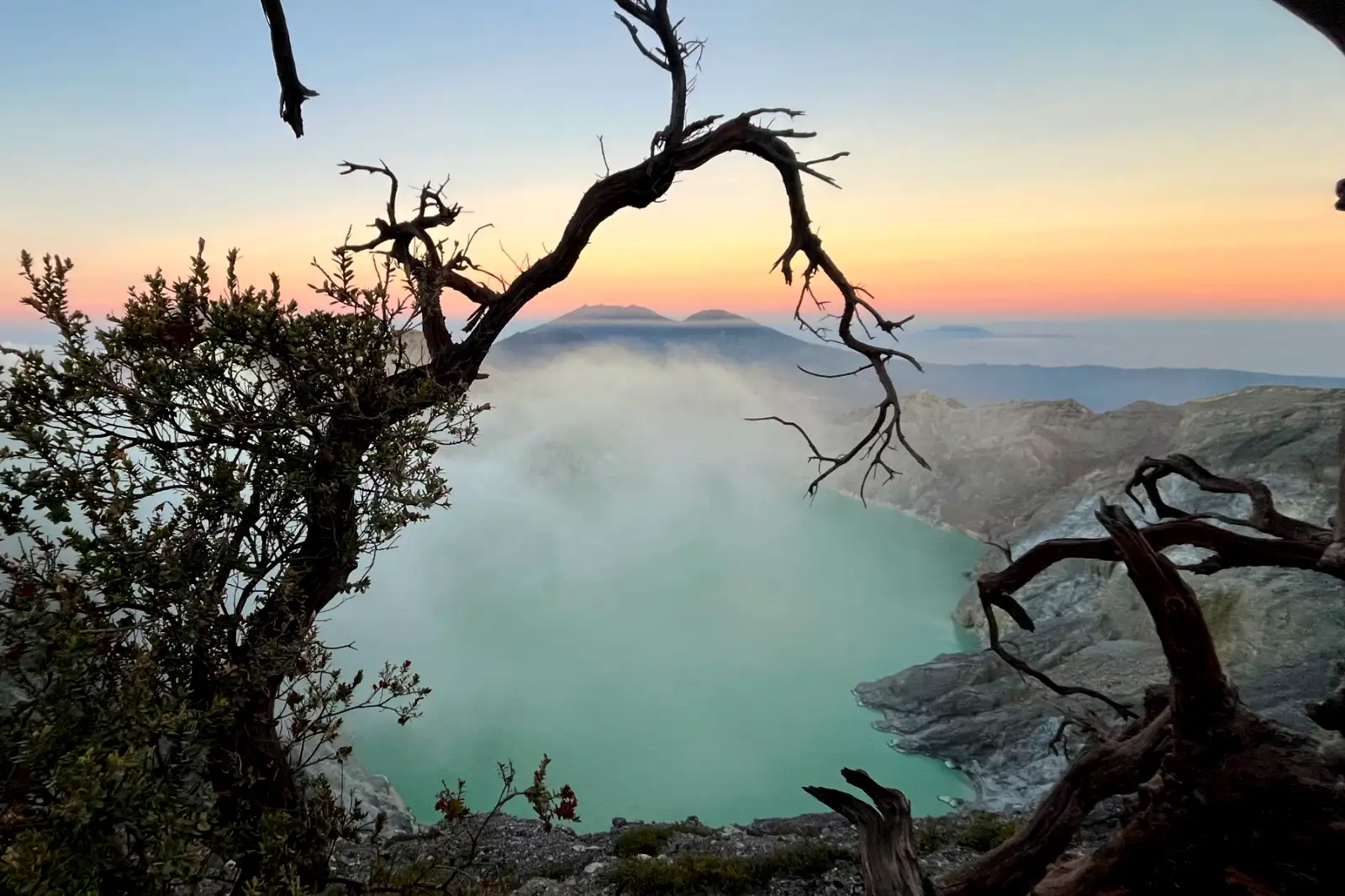
Once the sun rises, the blue fire fades and the lake takes center stage. This isn’t a refreshing mountain lake. It’s a massive turquoise cauldron of sulfuric and hydrochloric acid. The pH level is roughly the same as battery acid.
The contrast between the white-hot sun, the yellow sulfur rocks, and the deep teal water is stunning. For those coming from overseas, taking an Ijen Crater Tour from Bali offers a sharp departure from the lush jungles of Ubud. It’s a moonscape. If you want to know more about the chemistry, check out why Ijen has the world’s most acidic crater lake to understand how the magma below fuels this acid vat.
The Human Element: Sulfur Miners
Most volcano experiences are purely about nature. Ijen is about people. Every day, local sulfur miners climb the mountain, descend into the toxic vents, and carry 70-90kg of solid sulfur on their shoulders in bamboo baskets.
They do this twice a day. They pass you on the trail with a smile, often without the high-end gas masks tourists wear. Watching them work is humbling. It adds a layer of social reality to the trip that you won’t find at a national park in Europe or the US. It reminds you that this volcano is a source of life and livelihood, however harsh that life may be.
Practical Information
If you’re planning to visit, don’t just wing it. The regulations here change based on volcanic activity. Here are the hard facts for your logistics planning.
- Location: Paltuding Basecamp, Licin, Banyuwangi, East Java.
- Opening Hours: 2:00 AM (WIB). Check official status daily.
- Hike Difficulty: Moderate to challenging. The first 1.5km is a steep incline. For more, read our Ijen hike difficulty guide.
- Mandatory Requirement: A Health Certificate (Surat Keterangan Sehat) is now required by the BBKSDA.
- Temperature: 3°C to 12°C at the summit before sunrise.
Ijen vs. Other Java Volcanoes
| Feature | Mount Ijen | Mount Bromo |
|---|---|---|
| Main Highlight | Blue Fire & Acid Lake | Sunrise & Caldera Sea of Sand |
| Start Time | 02:00 AM (Midnight Hike) | 03:00 AM (Jeep Ride) |
| Gear Needed | Gas Mask, Warm Jacket | Dust Mask, Warm Jacket |
| Vibe | Industrial, Moody, Raw | Cinematic, Vast, Iconic |
Local Tips You Should Know
Look, we live here and see these trails every day. Here is the ground reality: the gas mask rental isn’t just a suggestion. Even if the air looks clear, a sudden shift in wind can send a cloud of sulfur right into your lungs. It’s painful and dangerous without a mask.
Also, don’t wear your best clothes. Sulfur smell sticks to fabric like glue. You might have to wash your jacket three times to get the scent out. Better yet, wear an old layer that you don’t mind smelling like rotten eggs for a few days. Finally, ensure you are aware of the latest visitor regulations regarding trail closures.
Safety & Important Considerations
Is it safe? Generally, yes, but it’s a volcano. The gas levels are monitored by the PVMBG. If they say the crater is closed, it’s closed for a reason. Toxic gas is silent and invisible until it’s too late. Always follow your guide’s instructions. If you have respiratory issues like asthma, consult a doctor before attempting this hike. Read our full analysis on Ijen safety standards for peace of mind.
Common Mistakes Travelers Make
The biggest mistake? Not bringing enough water because “it’s cold.” The climb is steep and you’ll sweat under your layers. Dehydration hits hard at altitude. Another mistake is forgetting the health certificate. You can get one easily at local clinics in Banyuwangi or Licin, but doing it last minute at 1 AM is a nightmare.
Frequently Asked Questions
Q: Can I see the blue fire every night?
A: Not necessarily. It depends on volcanic activity and weather. If the gas is too thick or the wind is too strong, rangers may prohibit the descent into the crater floor for safety.
Q: How long does the hike take?
A: Most people reach the rim in 1.5 to 2 hours. If you descend to the blue fire, add another 45 minutes for the rocky climb down and back up.
Q: Is there a way to reach the top without walking?
A: Yes, local miners offer a “trolley taxi” service. They pull you up the steep incline in a converted sulfur cart. It is expensive but supports the local community.
Q: Do I really need a guide?
A: While the trail is clear, a guide is highly recommended for safety inside the crater and to manage gas mask usage during heavy smoke shifts.
Q: Is the water in the lake warm?
A: Yes, but don’t touch it. The high acid content will cause severe skin irritation or burns instantly. It is for looking, not swimming.
Recommended Tour Packages
- 3D2N Bromo Ijen Adventure – The classic East Java volcano circuit starting from Surabaya or Bali.
- Ijen Midnight Tour from Banyuwangi – The fastest way to see the blue fire if you are already in Java.
- Java Waterfall & Volcano Combo – Explore Tumpak Sewu, Bromo, and Ijen in one epic trip.
- Full Day Ijen Tour from Bali – A 24-hour dash from Bali to Java and back.
- Bromo Sunrise Special – Perfect for those who want to pair Ijen with a Bromo visit.
Final Takeaway
Ijen isn’t a “relaxing” holiday destination. It’s a challenge. It’s a sensory overload of acrid smells, freezing winds, and impossible colors. If you want a story to tell and photos that look like they were taken on another planet, Ijen is the only place in the world that delivers this specific combination of blue fire and acid.
Planning Your Trip to East Java?
Explore our local tour options and choose a route that matches your travel schedule.
Planning to visit Ijen or Mount Bromo?
Explore available tour options and ask our local team about your itinerary.
Explore Tour Packages →