
How to Get to Ijen Crater from Bali: A Local Expert Guide
Key Takeaways:
- Java is 1 hour behind Bali time.
- A mandatory health certificate is required for all hikers.
- Ferries run 24/7 across the Bali Strait.
- Private tours offer the most reliable midnight logistics.
About This Guide: Written by our Banyuwangi-based local operational team with first-hand field experience across East Java, including current trail conditions, departure timing, weather shifts, and real visitor logistics.
Table of Contents
What is the Ijen Crater Journey?
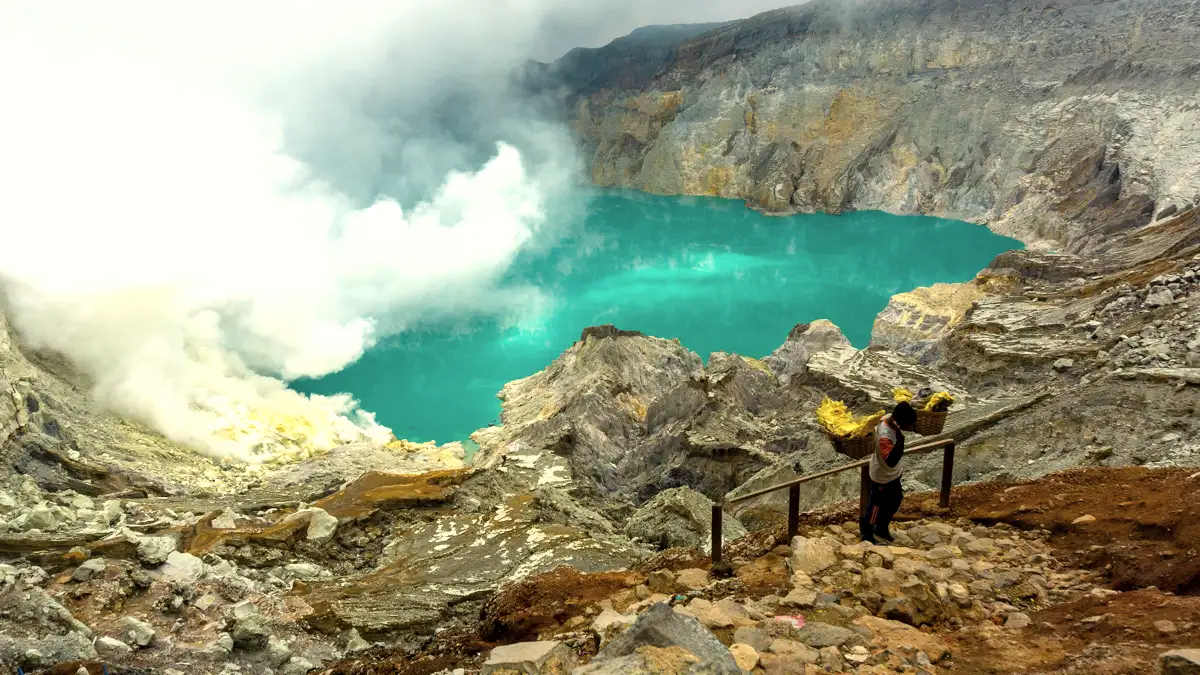
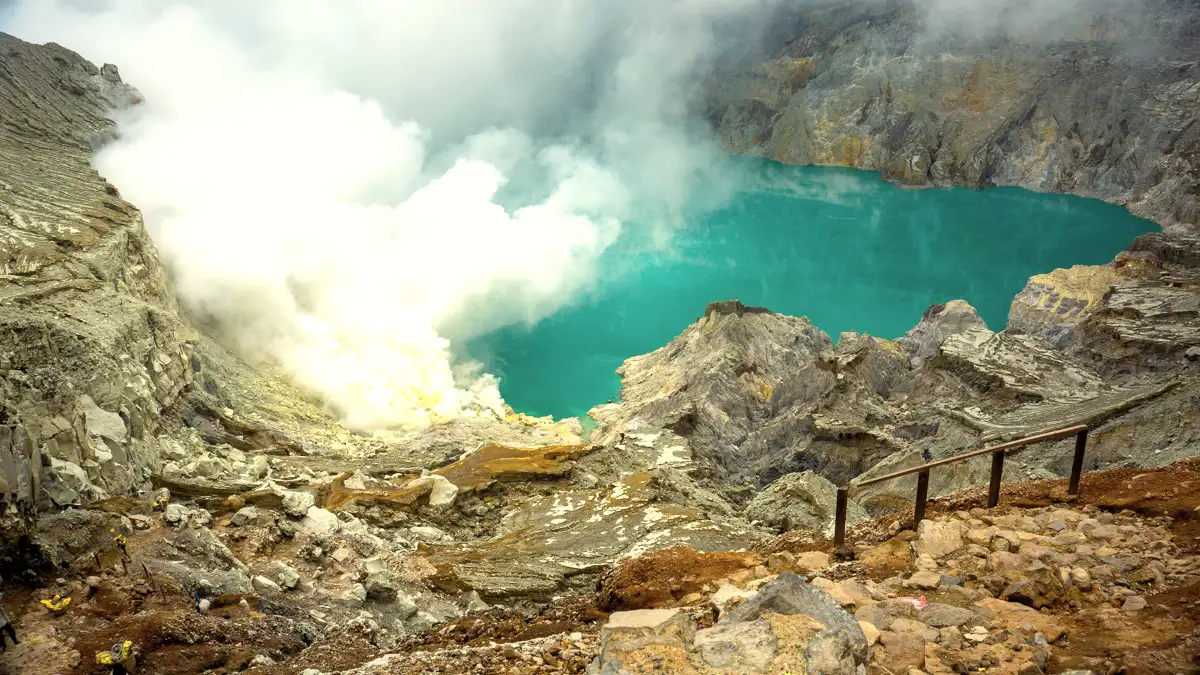
Ijen isn’t just another mountain. It’s a hyper-acidic volcanic lake that glows with electric blue flames at night. Located on the eastern edge of Java, it sits just across the water from Bali. If you’re staying in Ubud, Canggu, or Kuta, this is the most accessible Javanese volcano for a quick trip.
Truth is, the trip is a long haul. You’ll swap white sand beaches for cold volcanic ridges. Most people choose an Ijen Crater tour from Bali because coordinating the car, ferry, and 4WD on the other side is a massive headache at 1:00 AM. You’re coming for the views, not the logistical stress.
The Best Way to Travel from Bali
Look, you have three main options. You can drive yourself (not recommended), take a public bus (painfully slow), or book a private transfer. For most, the private Ijen volcano tour from Bali 1 day package is the gold standard. It handles the door-to-door transit while you sleep in the back seat.
The Midnight Departure Strategy
Here’s the deal: if you want to see the Blue Fire, you leave Bali early. We’re talking 7:00 PM or 8:00 PM. This midnight departure strategy ensures you hit the ferry before the midnight rush and arrive at Paltuding before the trail opens at 2:00 AM.
The drive from South Bali to Gilimanuk takes about 4 hours. The roads are winding. Truck traffic is heavy. It’s a bumpy ride, so bring a neck pillow. Once you reach the port, the transition to Java is relatively quick.
Crossing the Bali Strait
The ferry is the bridge between two worlds. When you travel from Bali to East Java, you’ll use the Gilimanuk-Ketapang route. Ferries depart every 20-30 minutes, 24 hours a day. The crossing takes about 45 to 60 minutes depending on the currents.
The Time Zone Shift
Don’t forget the clock. Java is one hour behind Bali. When you land in Ketapang at 1:00 AM Bali time, it’s actually midnight in Java. This gives you an “extra hour,” which is usually spent grabbing a quick coffee or finalizing your gear before heading up the mountain.
Route Comparison
| Option | Best For | Duration | Difficulty |
|---|---|---|---|
| Private Tour | Convenience/Families | 24 Hours (Round trip) | Easy (Logistics-wise) |
| Public Bus | Solo Budget Travelers | 30+ Hours | Hard |
| Self-Drive Scooter | Extreme Adventurers | Varies | Very Dangerous |
Local Tips for the Journey
We see travelers make the same mistakes every week. First, check the Ijen opening hours. Usually, the gate opens at 2:00 AM, but if there’s high volcanic gas, the authorities might delay it. Follow the official Ijen geological updates for safety.
Second, the Blue Fire is only visible in total darkness. If you arrive at the rim after 5:00 AM, you’ve missed it. You need to hike fast or start exactly when the gates open. It’s a 3km uphill trek that tests your lungs and legs.
What to Pack
It’s freezing at the summit. Temperatures can drop to 3°C. Knowing what to wear is vital: layers, gloves, and a warm hat. Once the sun comes up, it gets hot fast, so you’ll want to peel those layers off.
Safety & Health Requirements
Recently, regulations have tightened. Every hiker must present a Surat Keterangan Sehat (Health Certificate). You can get this at local clinics in Bali or Banyuwangi for a small fee. Without it, you aren’t getting past the ticket gate.
Also, pay the entrance fee online or through your guide. The prices differ for domestic and international tourists, and they spike on weekends. Lastly, never enter the crater floor without a professional gas mask. The sulfur fumes are toxic and can damage your lungs in minutes.
Common Mistakes to Avoid
- Ignoring the 1-hour time difference: You might show up an hour late for your hike.
- Underestimating the cold: Many tourists arrive in shorts and flip-flops. Don’t be that person.
- Forgetting the health certificate: It’s a long drive back to find a clinic.
- Booking pick-ups in remote areas: Check the hotel pickup areas to ensure your tour operator covers your location without extra fees.
Recommended Tour Packages
If you want to skip the logistics and just enjoy the volcano, here are the most reliable routes we operate:
- Ijen Crater Tour from Denpasar Bali – The classic day-trip for those staying in the city center.
- Ijen Crater Tour from Nusa Dua – Door-to-door service from the southern resort belt.
- Ijen Crater Tour from Canggu – Perfect for the digital nomad crowd looking for a weekend escape.
- Ijen Crater Tour from Ubud – A slightly shorter drive from Bali’s cultural heart.
- Ijen Crater Tour from Seminyak – Premium private transfers for those staying in the west.
Final Takeaway
Getting to Ijen from Bali is a rite of passage. It’s tiring, sulfurous, and cold, but standing on that rim as the sun hits the turquoise acid lake is a core memory. Plan your ferry crossing carefully, respect the local regulations, and make sure you have your health documents ready. Java is waiting.
Planning Your Trip to East Java?
Explore our local tour options and choose a route that matches your travel schedule.
Frequently Asked Questions
Q: Is Ijen Crater open every day?
A: Generally yes, but it can close due to high volcanic activity or monthly “clean-up” days. Always check the latest PVMBG status before leaving Bali.
Q: Can I do a day trip to Ijen from Bali?
A: Yes. It usually takes 20-24 hours round trip. You leave in the evening and return the following afternoon. It is exhausting but very popular.
Q: Do I need a guide for Ijen?
A: While not strictly mandatory by law for the trail, a guide is highly recommended for safety in the sulfur clouds and navigating the ferry logistics.
Q: How long is the hike?
A: The hike is 3km one way. It takes about 1.5 to 2 hours to reach the rim, and another 30-45 minutes to descend to the crater floor.
Q: What is the best month to visit?
A: The dry season (April to October) offers the clearest views and safest trail conditions. Avoid the rainy season if possible as trails get slippery.
Q: Do I really need a health certificate?
A: Yes. As of current regulations, the BBKSDA (Natural Resources Conservation Agency) requires a medical check-up document to enter the park.
Planning to visit Ijen or Mount Bromo?
Explore available tour options and ask our local team about your itinerary.
Explore Tour Packages →