How to Travel From Bali to East Java for a Volcano Adventure
Leaving the humid warmth of a Canggu beach for the bone-chilling winds of a Javanese volcano peak is a transition that catches many travelers off guard. You might be dreaming of the electric blue flames of Ijen or the Martian landscapes of Bromo, but the logistics of crossing the Bali Strait can be a nightmare. Between finding a reliable driver, timing the booking for your journey, and surviving the midnight ferry, the “adventure” often starts with stress rather than awe.
Most backpackers and luxury seekers alike underestimate the sheer scale of East Java. This isn’t just another day trip; it is a tactical mission through different time zones, languages, and climates. This guide breaks down exactly how to bridge the gap between Bali’s luxury and Java’s raw volcanic power, ensuring you spend less time in a cramped van and more time witnessing the world’s most spectacular natural phenomena. Combining these elements is easy when you follow a professional Bromo Ijen tour strategy.
What You Need to Know
The journey from Bali to East Java is a transition from relaxation to rugged exploration. You’ll cross the sea by ferry, climb active volcanic craters, and likely lose quite a bit of sleep. Here is the reality: temperatures at the summit drop to 2°C, the sulfur gas at Ijen can be suffocating without a professional mask, and the “Blue Fire” is only visible before dawn. Prepare for a physical challenge that rewards you with views found nowhere else on the planet.
Why Trust This Guide
We don’t just write about these volcanoes; we live on them. Our team consists of local operators and guides who have navigated the trail from Bali to East Java thousands of times. We know the 3 AM temperature shifts at the Ijen rim and which ferry terminal has the best coffee while you wait for the crossing. We’ve seen the “Blue Fire” grow from a tiny spark to a roaring electric river and back again. This expertise ensures you get the truth—not just the Instagram-filtered version of the trip.
Logistics: Crossing the Bali Strait
The transition from Bali to Java begins at Gilimanuk, the westernmost tip of Bali. If you are coming from Seminyak or Ubud, expect a 4 to 5-hour drive through winding coastal roads. It is a long haul, often plagued by slow-moving trucks carrying goods between islands. Most tours depart Bali around 7 PM to 9 PM to ensure they reach the ferry in time for a midnight arrival in Java. The ferry itself is a 45-minute crossing to Ketapang Port in Banyuwangi, but wait times can fluctuate wildly based on weather and queue lengths.
Navigating the Gilimanuk Ferry
Do not expect luxury on the public ferry. It is a functional vessel designed for commuters and logistics. You will likely find yourself sitting on plastic benches or standing on deck, breathing in the salty night air. While it’s only a short distance, the ferry is the gateway to a different culture. Once you step off at Ketapang, you’ve officially entered East Java, where the language shifts from Balinese to Javanese and Osing, and the landscape becomes noticeably more rugged.
Transport Options From Bali
You have three main choices: a private tour, a public bus, or a self-drive scooter. We strongly advise against the scooter unless you are a veteran rider; the Bali-Java road is notorious for aggressive truck drivers and fatigue-inducing distances. A private Ijen tour from Bali is the gold standard for luxury and comfort, providing a dedicated driver who handles the ferry tickets and the grueling night drive while you try to get some sleep in the backseat.
The Mount Ijen Hike: Blue Fire and Acid Lakes
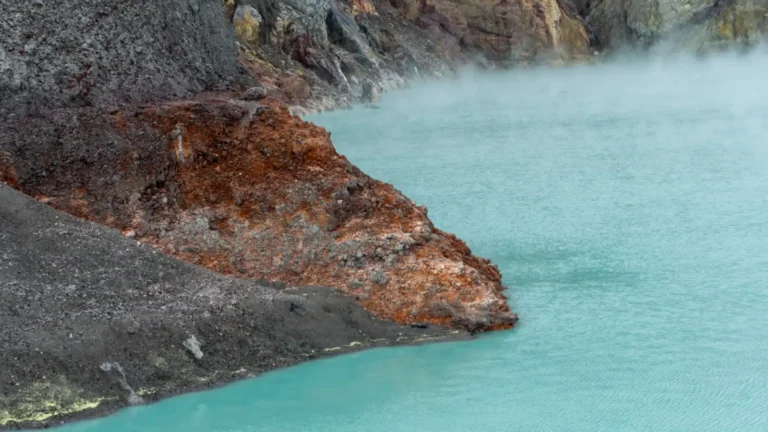
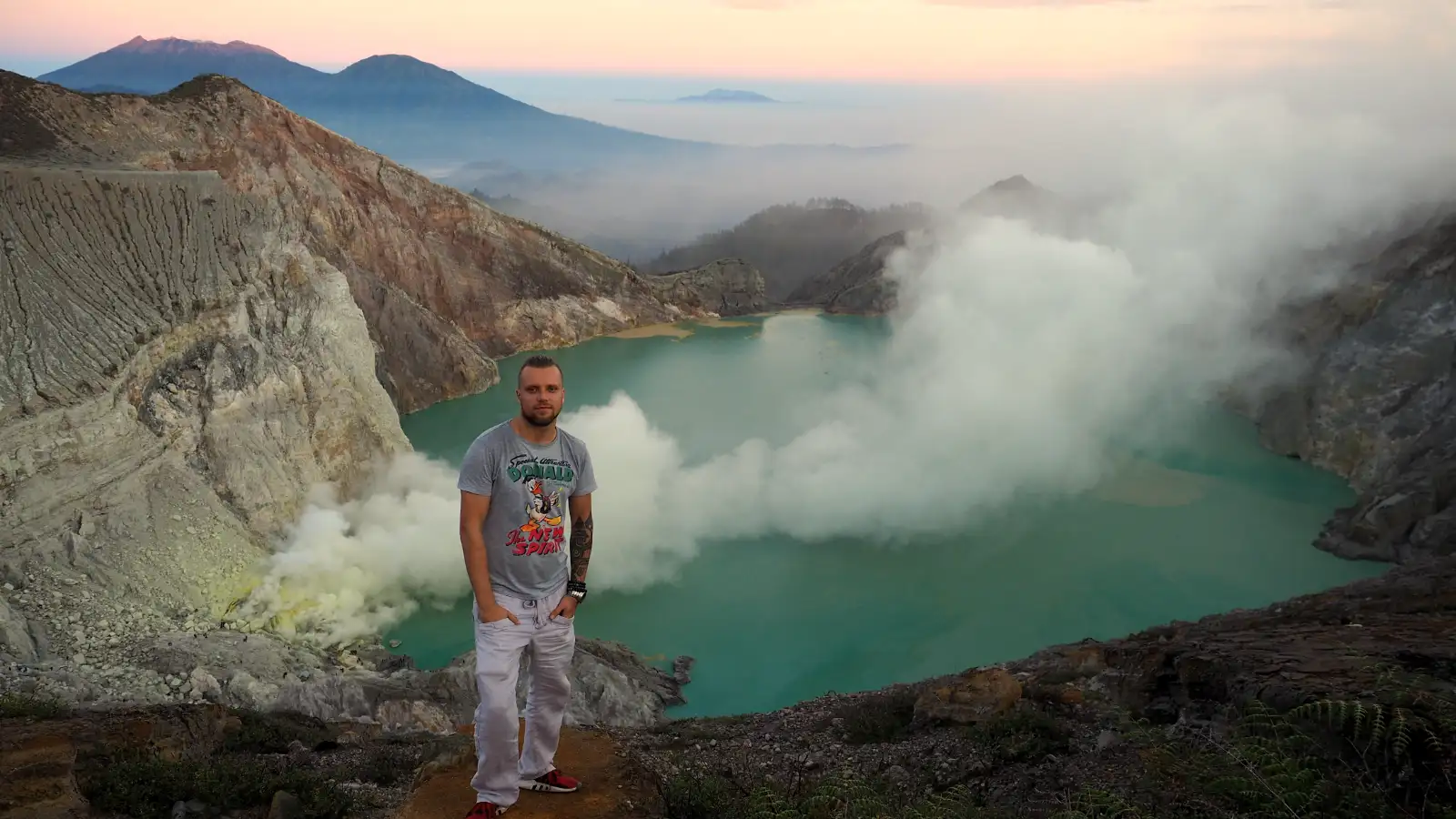
Mount Ijen is famous for its highly acidic turquoise lake and the rare blue fire phenomenon. The hike starts at Paltuding basecamp, usually around 2 AM. The first two kilometers are a relentless uphill incline on a sandy, well-worn path. It is steep enough to make even fit hikers stop for breath. You’ll hear the squeak of the sulfur miners’ trolleys—some carrying tourists who’ve opted for a “taxi” ride up, and others returning with heavy loads of yellow sulfur ore.
The Reality of the Blue Fire
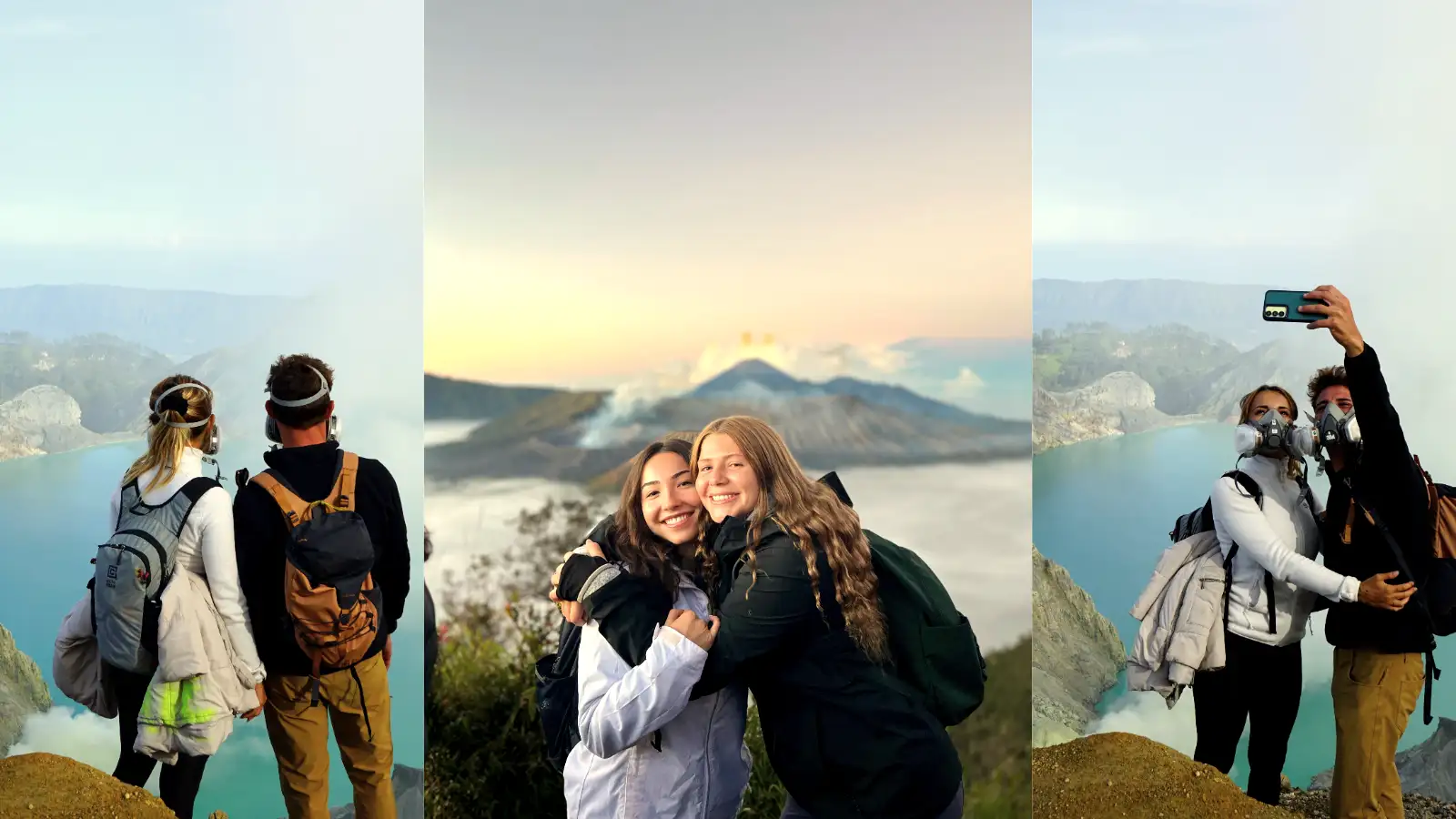
To see the blue fire, you must descend into the crater. This is not a casual walk. It involves scrambling down a rocky, jagged path for about 30 minutes in the dark. The gas is the real challenge. As the wind shifts, thick clouds of sulfur dioxide can envelop you, causing coughing fits and stinging eyes. This is why a professional gas mask is non-negotiable. The fire itself is a chemical reaction—sulfuric gases ignited by the heat of the volcano—and its size changes daily depending on volcanic activity.
Sunrise at the Crater Rim
If the scramble into the crater sounds too intense, the sunrise from the rim is equally breathtaking. As the sun hits the lake, the water transforms from a dark void into a brilliant, milky turquoise. You’ll see the “Dead Forest” of stunted trees silhouetted against the morning sky. It is a moment of pure cinematic beauty that makes the 3 AM wake-up call feel entirely worth it. Just remember, the crater can be closed without warning if the volcanic activity levels rise too high.
If you are planning a comprehensive journey, you might want to look into a multi-day Bromo Ijen tour to see both icons in one go. For those focused on the blue fire, the Ijen crater tour is the best choice. If your heart is set on the sunrise over the sea of sand, check out the Mount Bromo tour. For a deeper dive into the region, the East Java tour covers waterfalls and hidden gems.
The Sea of Sand: Tackling Mount Bromo
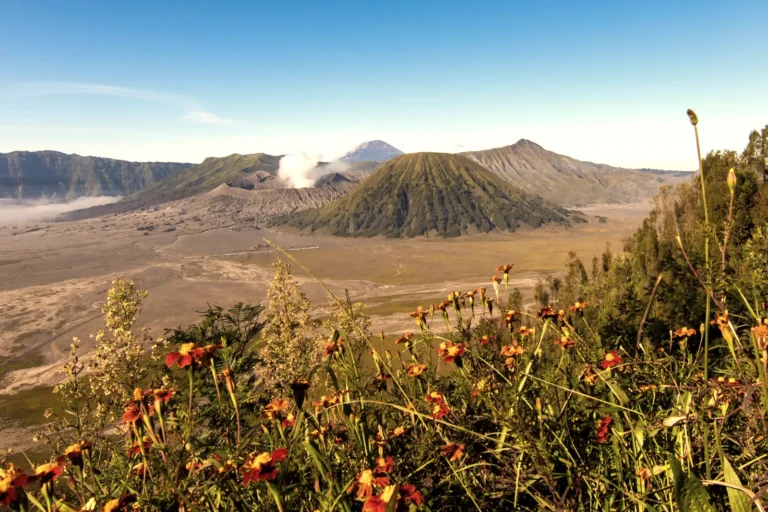
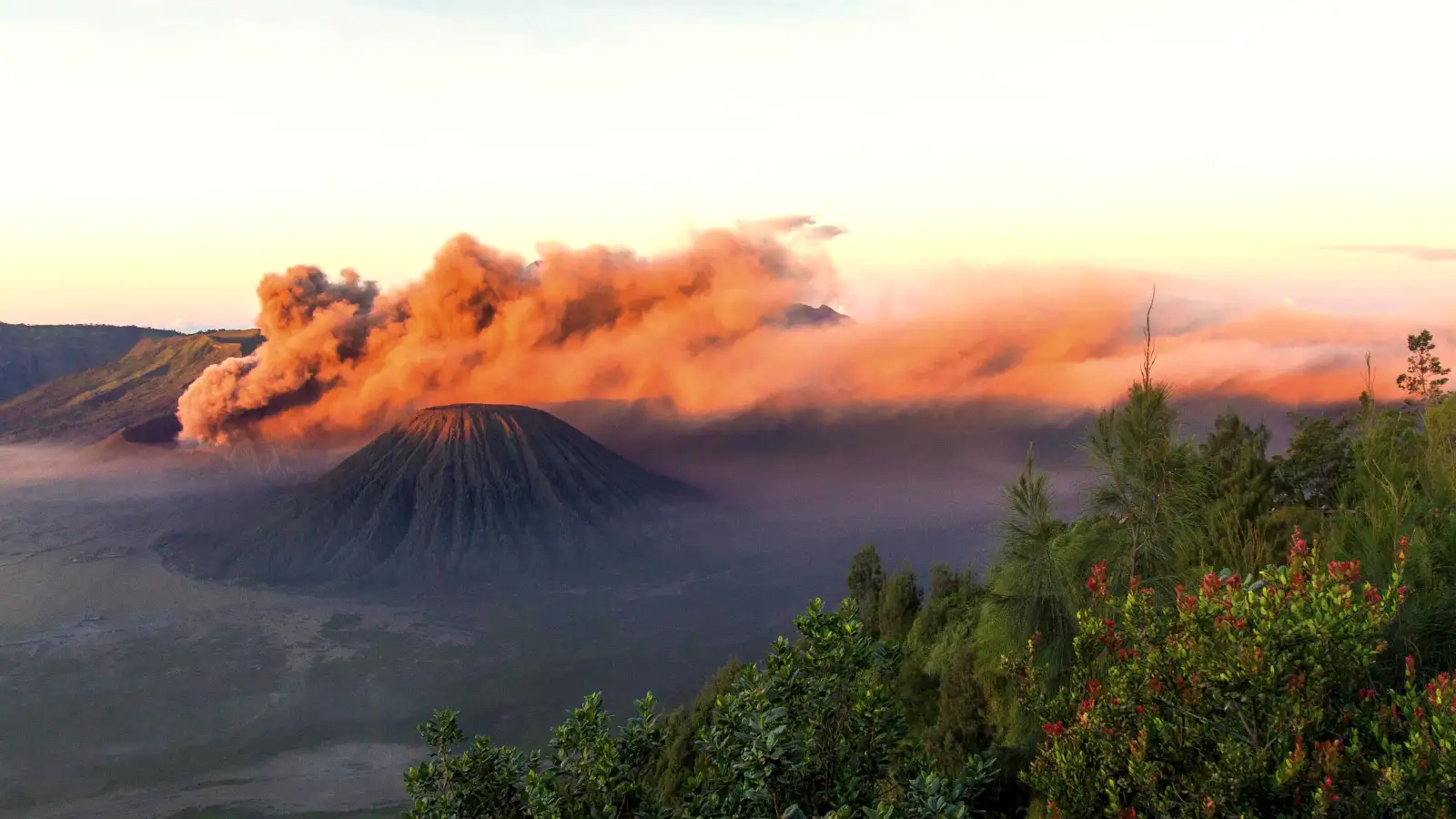
If Ijen is about the fire and the gas, Mount Bromo is about the sheer vastness of the caldera. After finishing your Ijen hike, most travelers take a 5-hour drive further west to Cemoro Lawang, the village perched on the edge of the Bromo crater. The air here is thin and cold, and the village often smells of woodfire and diesel from the local jeeps. Bromo isn’t just one mountain; it’s part of the Tengger massif, a massive volcanic complex that looks like the surface of another planet.
The Jeep Journey to Penanjakan
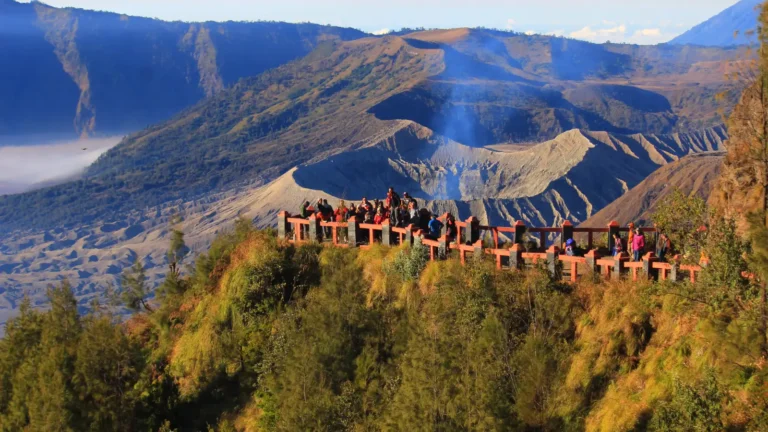
At 3:30 AM, Cemoro Lawang transforms into a chaotic hive of activity. Hundreds of brightly colored Toyota Land Cruisers roar to life, ferrying travelers to the Penanjakan viewpoints. The ride is bumpy, loud, and incredibly dusty. By 4:30 AM, the viewpoints like King Kong Hill are packed with people huddled in blankets, clutching hot cups of coffee from the local warungs. When the sun finally breaks over the horizon, illuminating the smoking crater of Bromo and the towering Mount Semeru in the background, the crowds usually fall silent.
Crossing the Sea of Sand
After sunrise, the jeeps descend back into the caldera to cross the Sea of Sand (Lautan Pasir). You can hike across the flat volcanic plain or hire a horse to take you to the base of the Bromo stairs. The climb to the rim is 253 steps, often covered in ash. Standing on the narrow rim, peering into the roaring vent of an active volcano while the wind whips ash around you, is a sensory overload. It is raw, loud, and humbling. This is the essence of a Mount Bromo volcano trip.
Packing Essentials for the Volcano
Do not be fooled by Bali’s tropical heat. East Java is cold. You need layers. A base layer of moisture-wicking fabric, a warm fleece, and a windproof jacket are essential. Many travelers make the mistake of bringing only a light hoodie and find themselves shivering uncontrollably at the Ijen rim. Comfortable hiking shoes with good grip are also vital; the trails are often covered in loose sand and volcanic scree that can make you slip easily, especially on the descent.
The Critical Gear List
Beyond clothing, your most important tool is a high-quality headlamp. Navigating the rocky descent into the Ijen crater requires both hands free, so a handheld flashlight is a liability. You will also need a gas mask with a proper filter; the cheap surgical masks sold by some vendors are useless against concentrated sulfuric gas. Bring extra batteries for your camera—the extreme cold drains battery life faster than you’d expect—and plenty of water to combat the dry, volcanic air.
| Item | Why You Need It | Priority |
|---|---|---|
| Gas Mask (Respirator) | Protection against toxic sulfur clouds at Ijen. | Critical |
| Headlamp | Hands-free navigation during midnight hikes. | High |
| Down Jacket | Temperatures can drop below 5°C. | High |
| Gaiters / Buff | Keeps fine volcanic dust out of your lungs/shoes. | Medium |
Continue Your Adventure
Your journey doesn’t have to end at the crater rim. East Java is a treasure trove of landscapes that many travelers overlook in their rush to get back to Bali. Explore these curated options to extend your trip and see the best the region has to offer:
- For those starting from Central Java, check out the Mount Bromo sunrise tour from Surabaya for a quick, efficient strike at the volcano.
- If you want to handle everything from your Bali hotel, the Mount Bromo tour from Bali 2D1N is the most seamless package available.
- Travelers coming from the city can opt for the Bromo Ijen tour from Surabaya 3D2N to see both icons without the long Bali drive.
- The ultimate island-hopping experience is the Bromo Ijen tour from Bali 3D2N, which manages all ferry and land logistics.
- Add the most beautiful waterfall in Indonesia to your list with the Bromo Ijen Tumpak Sewu tour from Surabaya 4D3N.
- Ready to lock in your dates? Book your volcano trip now to secure your expert local guide.
Ready for the Ultimate Volcano Trek?
Don’t leave your Javanese adventure to chance. Our local experts handle the logistics, so you can focus on the view.
Frequently Asked Questions (FAQ)
Q: Which viewpoint is the least crowded at Mount Bromo?
A: King Kong Hill and Penanjakan 1 are the most famous and therefore the most crowded. If you want a quieter experience, try Seruni Point or the Metigen Hill viewpoint. While the angle is slightly lower, you’ll avoid the “concert crowd” atmosphere of the main peaks.
Q: How bad is the dust at Bromo?
A: It can be intense, especially during the dry season. The “Sea of Sand” lives up to its name, and the wind frequently whips up fine volcanic ash. Wearing a buff or a face mask is highly recommended to prevent respiratory irritation and to keep your camera gear safe.
Q: Can elderly travelers handle the stairs at Bromo?
A: The 253 steps are steep and often covered in ash, making them slippery. However, there are landing spots to rest. For those with mobility issues, you can take a horse to the base of the stairs, but the final climb must be done on foot. It is physically demanding, so proceed with caution.
Q: What happens if I forget a gas mask for Ijen?
A: Most local guides provide them as part of the tour package. If you are traveling independently, you can rent them at the Paltuding basecamp. Never attempt to descend into the crater without one; the sulfur fumes can be dangerously concentrated depending on wind direction.
Q: Is the ferry crossing from Bali to Java reliable?
A: Generally, yes. Ferries run 24/7, every 15-30 minutes. However, during high winds or extreme weather, the port authorities may suspend operations for several hours. Always check the weather forecast if you are on a tight schedule for a midnight hike.