Is Ijen Crater Worth Visiting? Honest Traveler Review 2026
Standing at the edge of a massive volcanic caldera at 3 AM while wearing a gas mask isn’t your typical vacation morning. You are likely shivering, rubbing sleep from your eyes, and wondering why you paid to climb a steep mountain in the pitch black. Is the hype real, or is this just another over-saturated Instagram trap? If you are planning an Ijen Crater tour, these questions probably keep you up more than the midnight alarm will.
Most travelers arrive in East Java with one goal: seeing the electric blue flames dancing in the dark. This natural phenomenon is rare, occurring in only a few places on Earth. Yet, the journey involves more than just a quick photo op. It requires a sulfuric gas mask, sturdy shoes, and a decent amount of grit. Many visitors find themselves breathless, not just from the view, but from the steep incline and thin air.
We have guided thousands of souls up this volcano. We have seen the disappointment when the clouds roll in and the absolute awe when the sun hits the world’s most acidic lake. This review isn’t a glossy brochure. It is the raw, unfiltered reality of what it takes to witness Kawah Ijen trekking firsthand. Let’s dive into whether this adventure earns a spot on your bucket list.
What You Need to Know
Physical Difficulty: Moderate to challenging. The first 2 kilometers are a steep uphill grind on sandy terrain. If your knees hate downhill sections, bring poles.
The Temperature: It is bone-chilling at the base (around 5-10°C) but you will sweat through your layers during the hike. Pack light, moisture-wicking clothes with a warm outer shell.
Cost Factors: The entrance fee for international visitors is roughly 100,000 to 150,000 IDR depending on the day. Local guides and gas mask rentals are additional but highly recommended for safety.
The Smell: Imagine a thousand rotten eggs exploding at once. That is the sulfur. It sticks to your clothes and hair for days. Wear old gear that you don’t mind smelling like a volcanic vent.
Logistics: Most people stay in Banyuwangi. The drive to the Paltuding basecamp takes about 1 hour to 90 minutes. You need to leave by midnight to catch the blue fire.
The Reality of the Blue Fire: Hype vs. Fact
Social media feeds are flooded with vibrant, glowing sapphire flames that look like they belong in a fantasy movie. The reality is that the blue fire Java experience is highly dependent on the volcano’s mood. These flames are actually ignited sulfuric gases emerging from cracks at temperatures up to 600 degrees Celsius. When they hit the oxygen-rich air, they burst into blue light.
Some nights, the fire is a massive spectacle that illuminates the crater floor. Other nights, it is a tiny flicker hidden behind thick plumes of white smoke. The wind is your best friend or your worst enemy here. If the wind shifts, the gas can become so thick that the rangers will prevent you from descending to the crater floor. This is for your own protection; the gas is caustic and can burn your throat and eyes even through a mask.
Is the Crater Floor Descent Necessary?
Descending to the crater floor is the only way to see the fire up close. The path down is a narrow, rocky scramble that you share with working miners. It is steep, slippery, and often crowded. If you have mobility issues or a fear of heights, you might want to skip this part. You can still see the fire from the rim, though it will look much smaller from a distance.
Even if the fire is small, the experience of being inside a “living” volcano is hauntingly beautiful. The sound of the gas roaring out of the vents like a jet engine is something a photo cannot capture. Most travelers agree that even a mediocre fire display is worth the effort because the sunrise that follows is world-class.
How Difficult is the Hike Really? An Insider Look
Don’t let the word “trek” fool you into thinking it’s a casual stroll. The path from Paltuding to the rim is about 3 kilometers one way. The first 2 kilometers are consistently steep. There are no stairs, just a wide, dusty trail of volcanic sand. Every step feels like you are sliding back half a centimeter. Your calves will burn, and your heart rate will definitely spike.
The final kilometer to the rim flattens out, offering a much-needed reprieve. However, if you choose to go down to the lake, the difficulty resets. That 700-meter descent is essentially a goat path. It’s rocky, uneven, and requires careful foot placement. People frequently slip here, especially when trying to navigate around miners carrying 80kg of sulfur on their shoulders.
The “Trolley Taxi” Phenomenon
If your legs give out, you will notice local men pushing modified wheelbarrows, often called “Ijen Taxis.” For a significant fee (often 800,000 to 1,000,000 IDR), they will push you up the mountain. While it’s a controversial sight for some, it provides a vital income for the locals. It also makes the crater accessible for those who physically couldn’t make the climb otherwise.
Many beginners find Ijen difficult because they start too fast. The secret is the “slow and steady” pace. The air gets thinner as you climb toward the 2,386-meter summit. Take breaks at the “Warung” (local snack hut) halfway up. Grab a hot tea, breathe, and remember that you aren’t in a race.
Why Trust This Guide?
We aren’t just writers sitting in an office; we are local operators who live and breathe the East Java volcanic circuit. Our teams are at the Paltuding basecamp every single night. We know the Mount Ijen sunrise spots that the crowds miss. We speak with the rangers daily about volcanic activity levels to ensure our guests stay safe.
Our expertise comes from years of navigating the logistical mess of midnight departures and shifting weather patterns. We have seen Ijen in the pouring rain, in thick fog, and under the clearest Milky Way skies. We provide this review to set realistic expectations. Our goal is for you to leave Java with great memories, not a sense of being misled by edited photos.
If you are looking to simplify your logistics, our Ijen Crater tour handles everything from gas masks to transport. Many travelers choose to pair this with the iconic Mount Bromo tour for the ultimate volcanic duo. If you have more time, our comprehensive Bromo Ijen tour or a wider East Java tour will show you the hidden waterfalls and secret spots of the region.
Meeting the Toughest Men on Earth: The Sulfur Miners
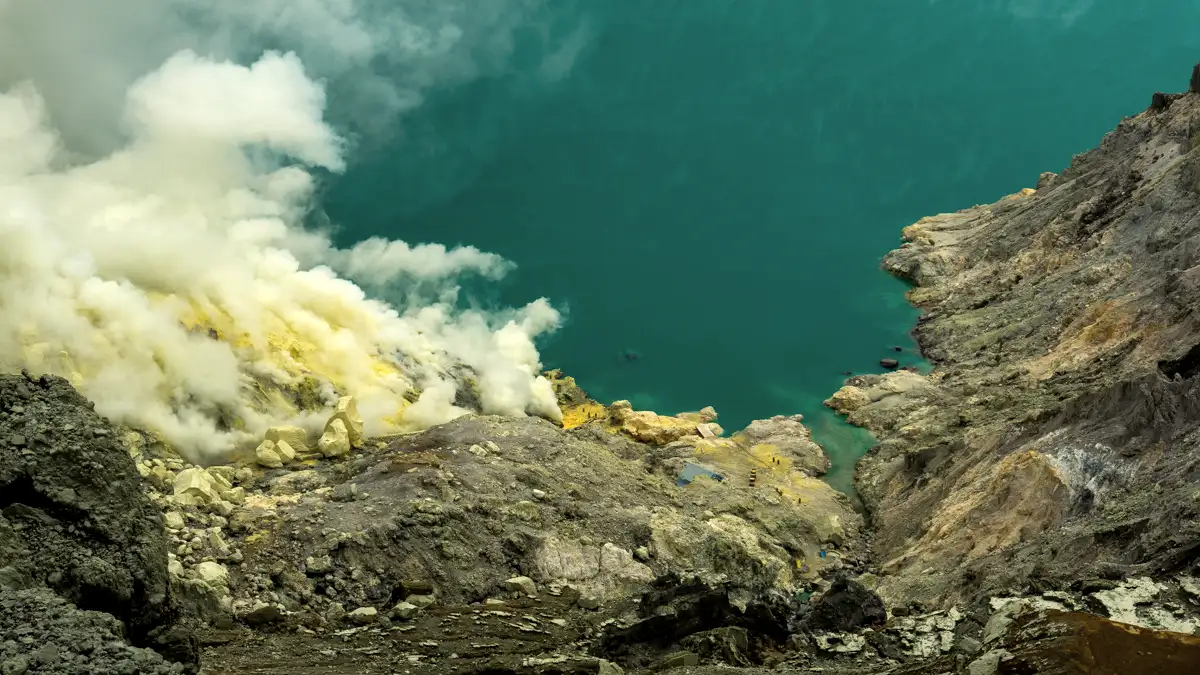
Perhaps the most humbling part of any Ijen sulfur mine visit is encountering the miners. These men descend into the toxic fumes of the crater floor without high-tech gear. They break off chunks of bright yellow sulfur and carry them in double baskets connected by a bamboo pole. One load typically weighs between 70kg and 90kg—more than the body weight of many tourists.
The miners make this trek twice a day. They sell the sulfur for a few cents per kilogram. It is backbreaking work in an environment that would make most people gag. Seeing their resilience is a stark reminder of the local reality. Most travelers choose to tip the miners or buy small sulfur carvings to support them. It’s a small gesture that goes a long way for these incredible individuals.
The Ethical Debate
Some people feel uncomfortable visiting a place where men perform such grueling labor for tourists’ amusement. However, the mining has existed long before the tourism. In fact, the influx of travelers has created new income streams for the miners. Many have transitioned from mining to being mountain guides or “taxi” operators, which is significantly less hazardous and pays better.
Your presence as a tourist actually helps diversify the local economy. When you hire a local guide or buy a snack at the basecamp, you are directly supporting the community. The key is to be respectful. Don’t block their path, don’t shove a camera in their face without asking, and always yield the right of way on the steep trails.
Common Mistakes First-Timers Make
The biggest mistake is wearing the wrong clothes. People often dress for the 25°C weather of Bali and forget that Ijen temperatures at night can drop near freezing. You will be shivering at the start and sweating by the time you reach the rim. Layering is non-negotiable. Bring a windbreaker and a fleece that you can easily stuff into a backpack.
Another error is bringing a cheap, flimsy mask. A basic medical mask or a buff will do nothing against the concentrated sulfur dioxide. You need a proper respirator with chemical filters. If you can smell the sulfur through the mask, it’s not fitted correctly. Most reputable Ijen crater tour packages include high-quality mask rentals, so don’t settle for the cheap ones sold by street vendors.
Timing and Crowds
Many travelers underestimate how crowded Ijen can get. On weekends or public holidays, the trail looks like a busy city sidewalk. If you want a more peaceful experience, try to visit on a Tuesday or Wednesday. Arriving early (around midnight) ensures you are among the first to reach the rim, giving you a better chance to see the blue fire before the smoke gets stirred up by hundreds of feet.
Also, don’t rush the sunrise. Everyone crowds around the first viewpoint they see. If you walk further along the rim towards the “Dead Forest” area, you will find much better angles of the volcanic crater lake with fewer people in your shots. This area offers a dramatic landscape of blackened trees against the turquoise water—a photographer’s dream.
The Verdict: Is Ijen Crater Worth It?
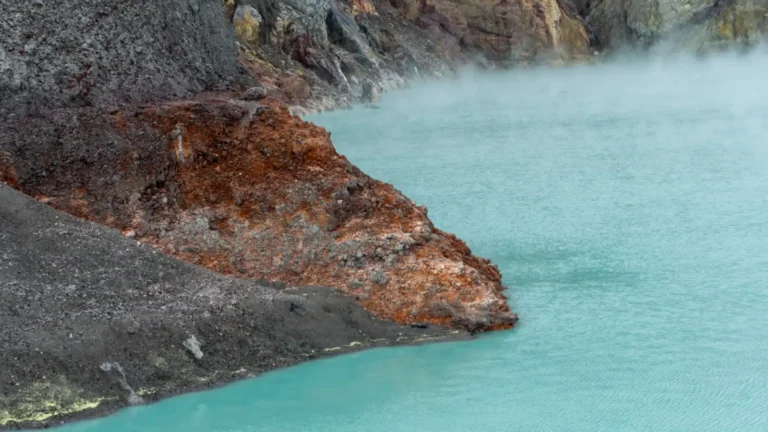
Is it worth the sleep deprivation, the burning lungs, and the sulfur-scented clothes? For 95% of travelers, the answer is a resounding yes. There are very few places on this planet where you can witness the raw power of the Earth in such a visceral way. The sight of the sunrise illuminating the turquoise acidic lake, which is like a giant emerald tucked into the mountains, is something you will never forget.
While the blue fire is the main draw for many, it is the overall atmosphere that makes Ijen special. The camaraderie of the midnight hikers, the strength of the sulfur miners, and the sheer scale of the landscape create a deeply moving experience. It is a challenging journey, but the rewards are far more than just a photo for your social media feed.
If you prefer luxury and comfort above all else, the Banyuwangi hiking experience might be a shock. But if you have an adventurous soul and a desire to see one of nature’s most bizarre wonders, Ijen is an absolute must. Just pack some warm clothes, grab a reliable guide, and prepare for one of the most memorable nights of your life.
Continue Your Adventure
- Secure Your Private Java Adventure Now
- Comprehensive Ijen Crater Midnight Tour
- Ijen Crater Tour Departing from Bali
- One Day Ijen Exploration from Banyuwangi
- Relaxed 2-Day Ijen & Waterfall Experience
- Ijen Crater Gateway from Surabaya
Ready to Witness the Blue Fire?
Don’t leave your Java journey to chance. Our local experts handle the logistics, safety gear, and timing so you can focus on the view. Book your journey with the most trusted team in East Java.
Frequently Asked Questions (FAQ)
Q: Which viewpoint is the least crowded for sunrise?
A: Most people stop at the first viewpoint they hit after the rim ascent. For a much quieter experience with a unique perspective, walk about 15-20 minutes further along the rim to the south towards the “Dead Forest.” The view of the acidic lake from there is stunning and far less congested.
Q: How bad is the dust during the hike?
A: The dust can be quite significant, especially during the dry season (July to September). Hundreds of hikers kicking up volcanic sand can make it hard to breathe even before you reach the sulfur clouds. We recommend wearing a buff or light scarf over your face during the ascent to keep the grit out of your lungs.
Q: Can elderly travelers handle the stairs and climb?
A: There are no stairs, only a steep, sandy incline. For elderly travelers with good fitness, it is doable with a slow pace. However, for those with knee issues or heart conditions, we highly recommend using the “Ijen Taxi” (local trolley) service to get to the rim. We generally advise against elderly travelers descending to the crater floor due to the rocky, uneven terrain.
Q: Is the gas mask really necessary if I don’t go down to the lake?
A: Yes, it is. Even on the rim, the wind can shift suddenly, blowing thick clouds of sulfur dioxide directly into your path. This gas is incredibly irritating and can cause immediate coughing fits or difficulty breathing. Having a mask around your neck is a safety essential for everyone on the mountain.
Q: What is the best month to visit to avoid rain?
A: The dry season from May to October is the most reliable time for clear skies and safe trekking conditions. Visiting during the rainy season (December to March) can be dangerous as the trails become extremely slippery, and the crater is often filled with thick fog, making the blue fire and lake invisible.