Understanding Ijen Volcano Activity Before Your Hike: 2026 Expert Guide
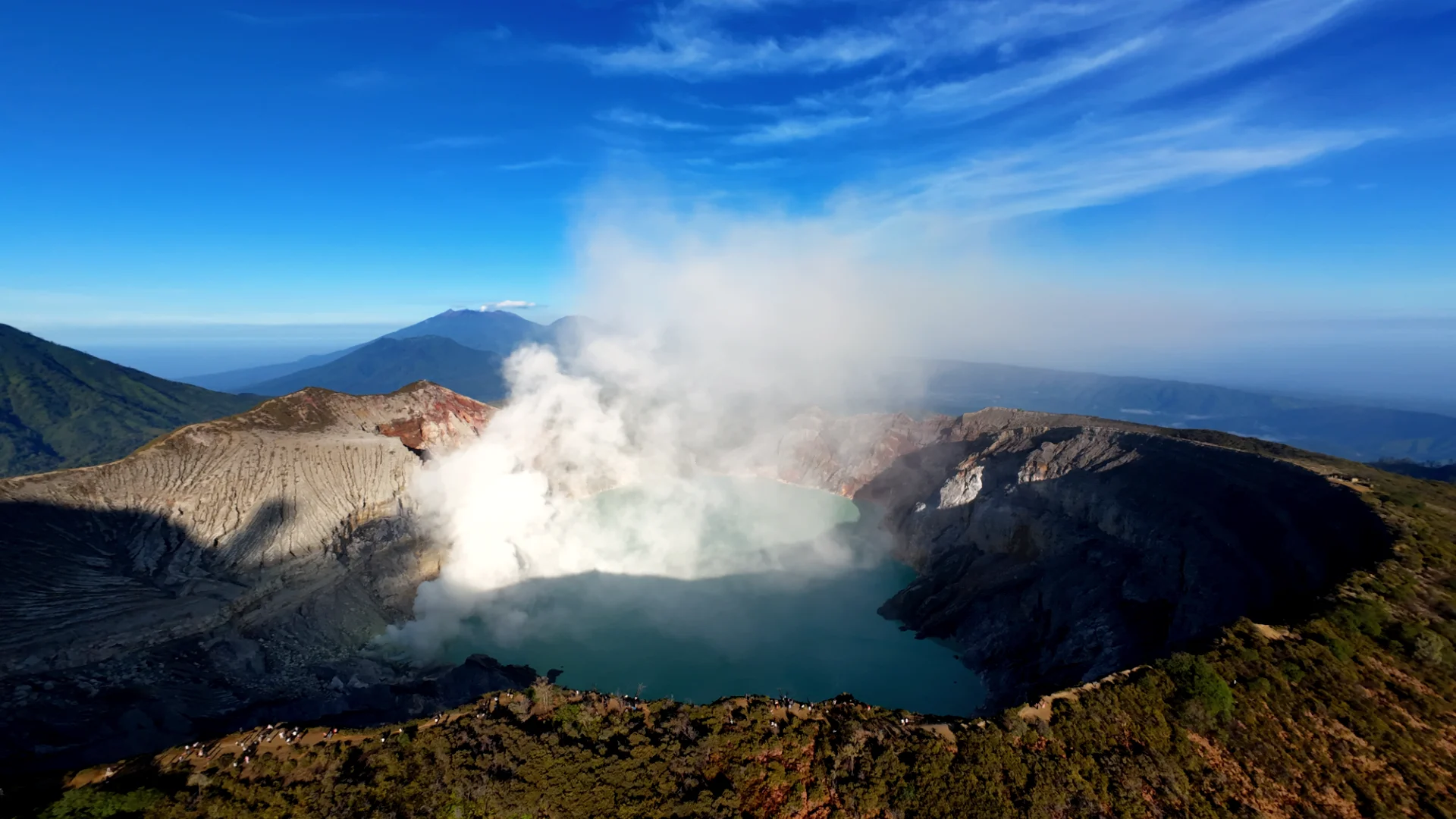
To understand Ijen volcano activity, you must monitor local seismic reports and sulfur gas emissions. Specifically, activity determines the visibility of the famous Blue Fire and trail safety. Ultimately, booking a professional tour ensures you navigate these changing conditions with expert local guidance and high-quality safety equipment.
Author Expertise
This guide is authored by the veteran expedition team at Ijen Crater Tour. Moreover, we have spent over a decade leading thousands of travelers through the volcanic terrains of East Java. Consequently, our real-time data comes directly from daily interactions with the Ijen Volcanology Post (PVMBG).
What You Need to Know
First, Ijen is an active stratovolcano known for the world’s largest acidic crater lake. Second, conditions can change within hours due to tectonic activity. Therefore, checking the latest Ijen crater update is non-negotiable for every hiker.
Table of Contents
The Current State of Ijen Crater Activity
Imagine standing on the edge of a colossal cauldron where nature brews its most potent chemistry. However, this beauty comes with inherent risks that every traveler must respect. Furthermore, Ijen volcano activity is primarily characterized by solfataric action, where volcanic gases escape through vents at high pressure.
Specifically, the “Level I” (Normal) or “Level II” (Waspada) status dictates whether hikers can descend to the lake floor. Consequently, if seismic activity increases, the local authorities immediately restrict access to the rim only. In addition, you should understand that these alerts are designed to protect you from sudden phreatic eruptions.
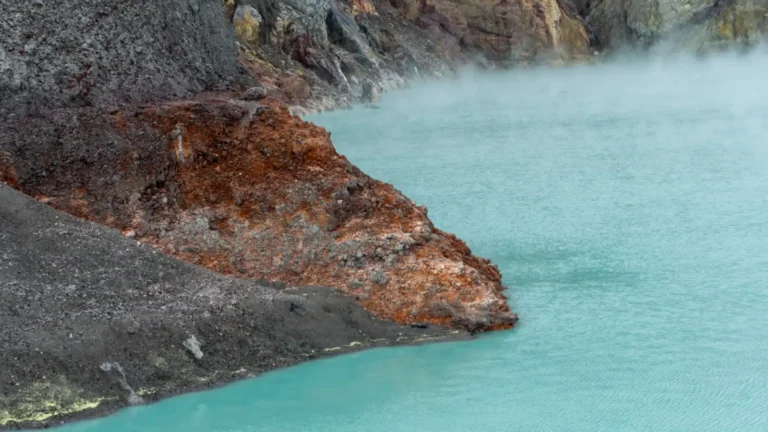
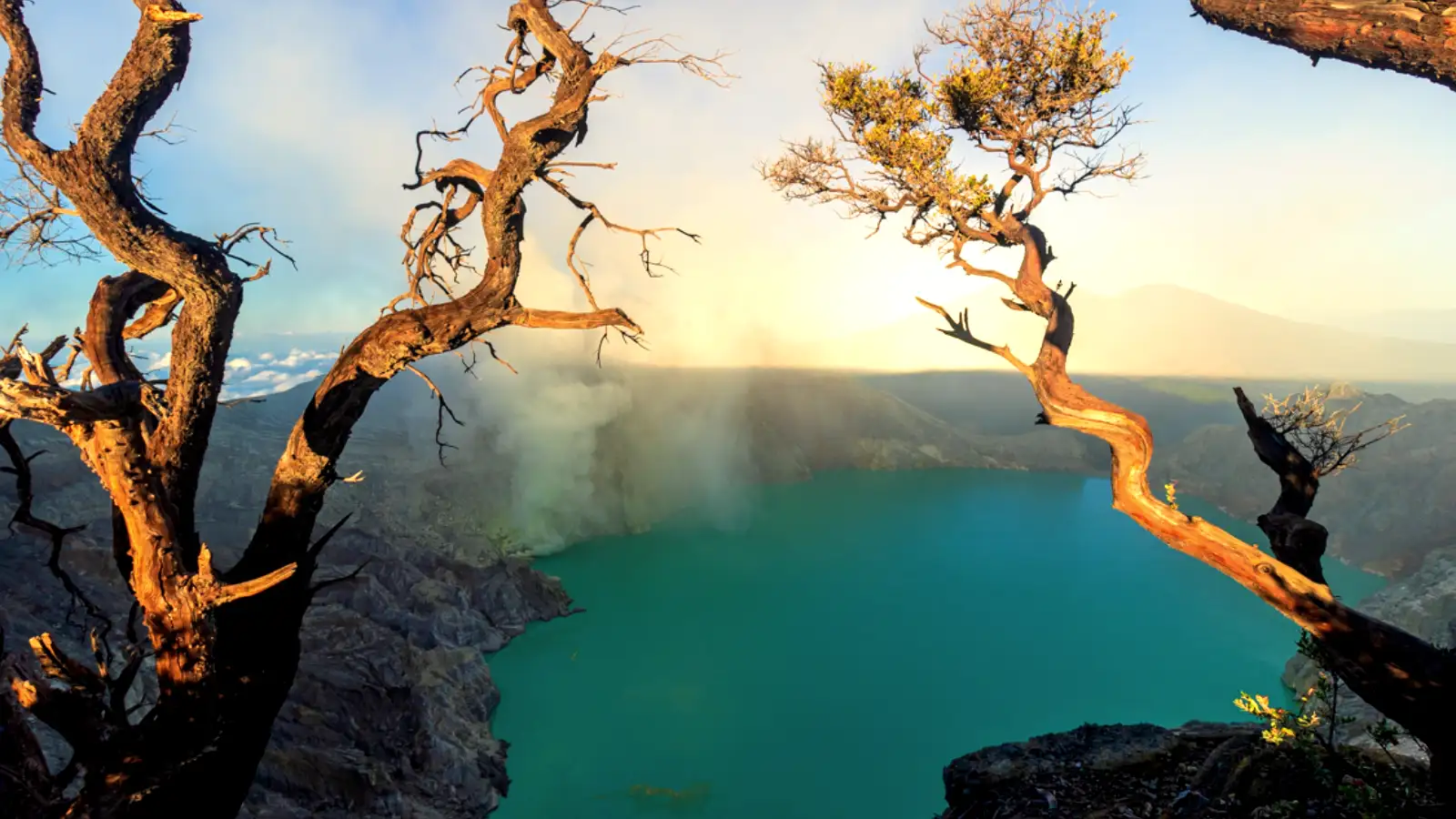
Moreover, the acidity levels of the lake are among the highest on Earth, often reaching a pH of nearly 0. Therefore, the water is effectively concentrated sulfuric acid. Eventually, this unique environment creates the breathtaking turquoise color that photographers crave, yet it remains a hostile landscape for the unprepared.
Monitoring Volcanic Gas Levels
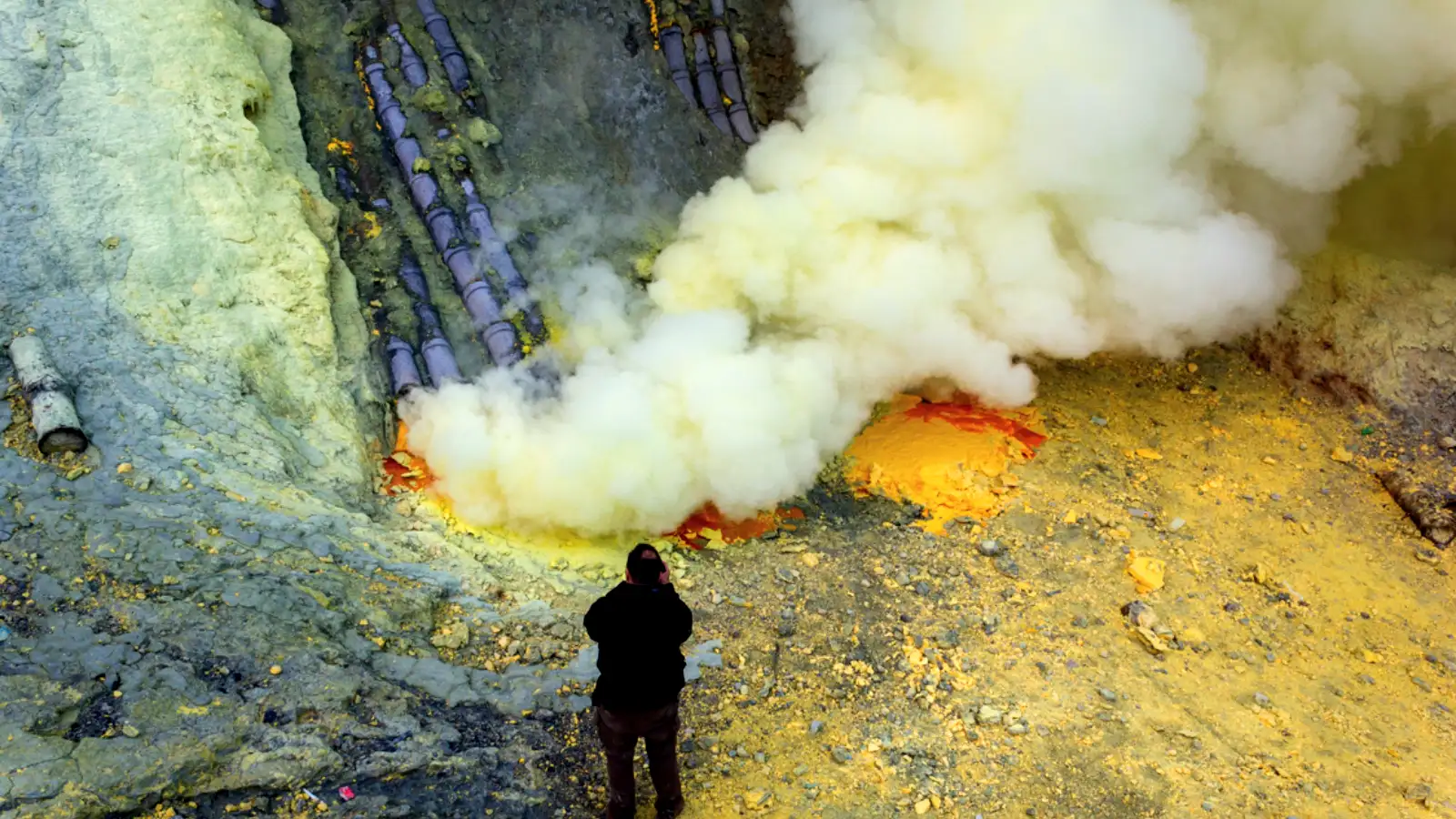
Scientists at the local observation post use advanced sensors to track sulfur dioxide (SO2) and hydrogen sulfide (H2S). For instance, if gas concentration exceeds safe limits, the trail may be closed even on sunny days. Meanwhile, our guides carry portable gas detectors to ensure your safety during the midnight ascent.
In addition, the wind direction plays a critical role in your hiking experience. Specifically, wind can push dense sulfur clouds across the path, requiring the immediate use of professional gas masks. Consequently, checking the daily gas report is a standard part of our pre-hike preparation routine for all guests.
The Significance of Acidic Water pH
Furthermore, the interaction between volcanic gases and the crater lake creates a complex ecosystem. For example, the high acidity prevents any life from surviving within the water. Nevertheless, the surrounding landscape thrives with unique flora that has adapted to the sulfur-rich soil and misty conditions.
Ultimately, this chemical balance is what makes Ijen a UNESCO Global Geopark site of immense international value. Therefore, travelers should view their hike not just as a physical challenge, but as a journey into a living laboratory. As a result, every step on the trail offers a lesson in geology and planetary evolution.
The Science Behind Blue Fire Visibility
Many travelers arrive with the singular goal of witnessing the ethereal electric-blue flames. However, understanding what causes this phenomenon is key to managing your expectations. Specifically, the blue fire is not lava, but rather the combustion of sulfuric gases emerging from cracks in the volcano.
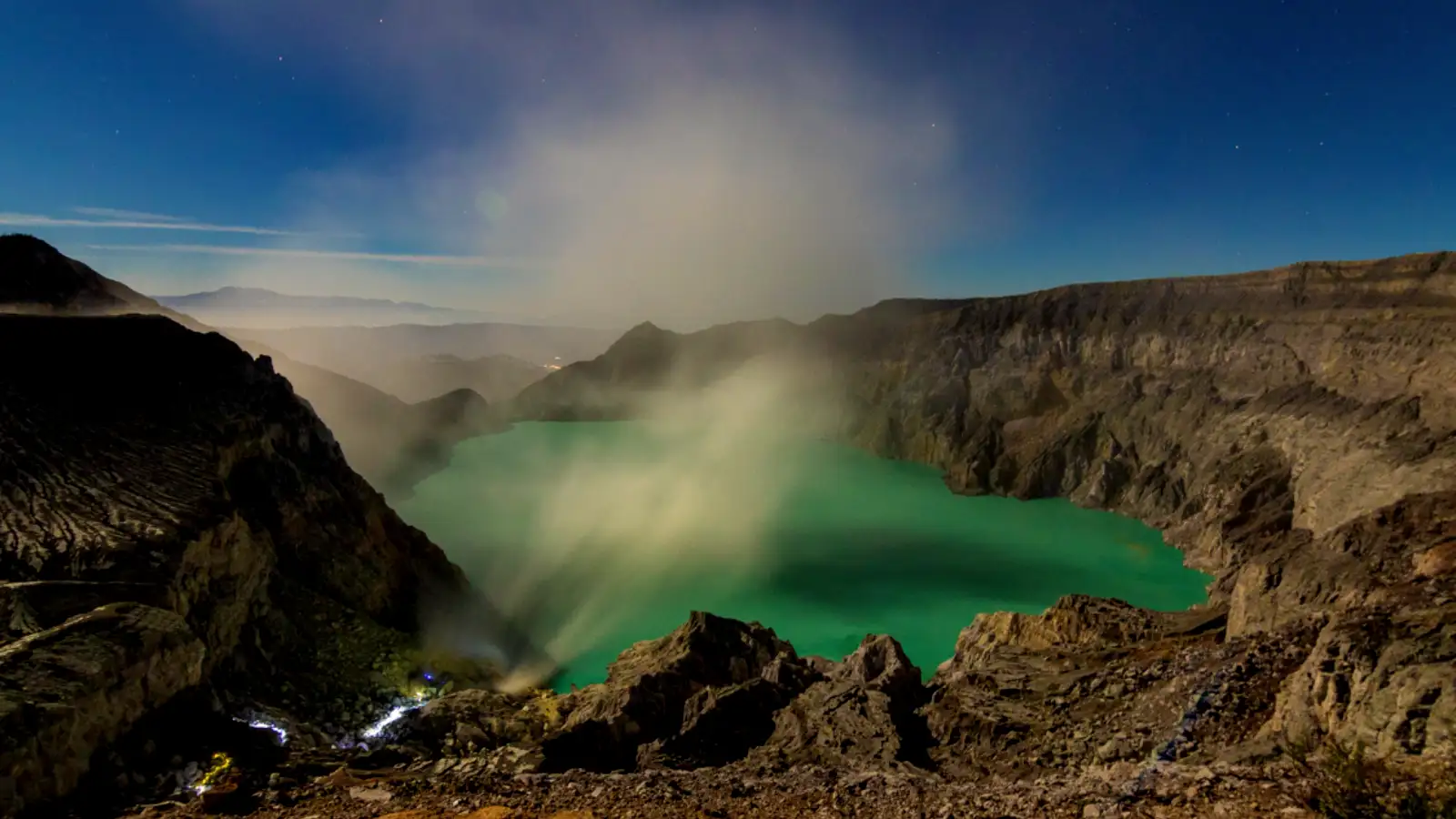
Consequently, when these gases meet the oxygen-rich air at temperatures above 600 degrees Celsius, they ignite. Furthermore, this creates the illusion of blue lava flowing down the rocks. In addition, the intensity of the flames depends heavily on the gas pressure from deep within the tectonic plates below East Java.
Important Update: The appearance of the Blue Fire at Ijen Crater is highly unpredictable. It depends heavily on daily volcanic activity, gas density, and weather conditions. It is sometimes clearly visible, and sometimes not visible at all. To avoid disappointment, please contact us via WhatsApp to check the latest daily updates before you hike.
Factors Affecting Flame Intensity
First, the moonlight can actually make the blue fire harder to see. For instance, a bright full moon washes out the subtle blue glow of the burning sulfur. Therefore, many experienced photographers prefer trekking during the new moon phase. Meanwhile, heavy rain can temporarily extinguish the surface flames, though the gas continues to hiss beneath.
Moreover, the amount of sulfur being actively mined can impact visibility. Specifically, if the mining pipes are redirected, the gas flow might change its exit point. Consequently, our local guides are the first to know where the most vibrant displays are located on any given night. This expertise is a core part of our ijen blue fire explained resource.
Why Night Hiking is Mandatory
In addition, the blue fire is only visible in complete darkness. Therefore, most tours begin at approximately 2:00 AM to allow enough time to reach the crater floor before dawn. Furthermore, this timing allows you to witness the transition from the haunting blue flames to the spectacular sunrise over the Bali Strait.
Eventually, as the sun rises, the flames “disappear” into the daylight. However, the smoke continues to billow, signaling the relentless activity within. As a result, the early start is a small price to pay for witnessing one of the rarest natural wonders on the planet. Most backpackers find this midnight trek to be the highlight of their Indonesian journey.
Safety Protocols and Gear Essentials
Safety is the primary concern when navigating active volcanic regions. Therefore, we emphasize that a hike up Ijen is a moderate to difficult physical undertaking. For instance, the trail begins with a steep incline that tests your cardiovascular endurance. Consequently, wearing the right gear is the difference between a successful trek and a miserable one.
Specifically, a professional respirator mask is the most critical piece of equipment. Moreover, standard surgical masks or simple N95s are insufficient against high concentrations of sulfur dioxide. In addition, we provide all our guests with dual-filter industrial masks to ensure they can breathe comfortably even near the vents. This is especially vital when combining Ijen with other volcanoes in the region.
| Essential Item | Why You Need It |
|---|---|
| Gas Mask | Protects lungs from toxic sulfur fumes. |
| Headlamp | Navigating the steep, dark trail safely. |
| Warm Layers | Temperatures can drop below 5°C. |
| Hiking Boots | Provides grip on loose volcanic scree. |
Preparing for Temperature Fluctuations
Furthermore, many travelers underestimate the cold in East Java. For instance, while the base of the mountain is tropical, the summit is often freezing before sunrise. Therefore, we recommend a three-layer clothing system. Specifically, use a moisture-wicking base, an insulating mid-layer, and a windproof outer shell. Check our Ijen temperature guide for seasonal data.
In addition, the descent into the crater involves navigating rocky and sometimes slippery terrain. Consequently, sturdy hiking boots with good ankle support are highly recommended. Meanwhile, gloves are useful not just for the cold, but also for gripping rocks if you need balance during the steep climb down to the lake.
Health and Physical Preparedness
Moreover, individuals with respiratory issues like asthma should consult a doctor before attempting this hike. Specifically, the sulfur fumes can trigger breathing difficulties even with a mask. Furthermore, the 3-kilometer trek to the rim includes several sections with a 15 to 20-degree incline. Therefore, a basic level of fitness is required to enjoy the experience without exhaustion.
Ultimately, your safety is our top priority. For instance, if a guest feels unwell, our guides are trained to provide immediate assistance and oxygen if necessary. Consequently, we always maintain a conservative pace to ensure everyone reaches the summit safely. This patient approach is why travelers trust our booking services year after year.
Optimal Timing for Your Trek
Timing is everything when it comes to volcanic exploration. Specifically, the dry season (typically April to October) offers the clearest skies and most stable trail conditions. However, the beauty of Ijen can be captured year-round if you are prepared for the elements. Furthermore, the “shoulder months” often provide a perfect balance of good weather and fewer crowds.
Specifically, hiking during the wet season means dealing with frequent morning fog. Consequently, the panoramic views of the acid lake might be obscured. Meanwhile, the rain can make the path muddy and increase the difficulty of the descent. Therefore, if you visit during these months, flexibility in your schedule is highly beneficial.
Seasonal Weather Impacts
In addition, the volcanic activity itself does not strictly follow seasonal patterns. For instance, seismic unrest can happen during any month. Nevertheless, the heavy rains of January and February often lead to spectacular “misty” photography opportunities that luxury travelers love. Eventually, the sun breaks through, creating a dramatic contrast against the turquoise water.
Moreover, the wind patterns shift significantly during the middle of the year. Specifically, July and August often see stronger winds, which can help clear sulfur gas away from the trail. As a result, these months are considered the peak for blue fire visibility. However, they also coincide with the busiest tourist period, requiring earlier bookings for accommodation.
Crowds vs. Solitude
Furthermore, weekend hikes are significantly busier than weekday excursions. For instance, local travelers from Surabaya and Bali often visit during the Friday-Sunday window. Therefore, we recommend planning your trek for a Tuesday or Wednesday to enjoy a more serene experience. Consequently, you will have more space at the photo spots and a quieter path for reflection.
Ultimately, regardless of when you go, the majesty of Ijen is undeniable. In addition, arriving at the trailhead early—around 1:00 AM—can help you stay ahead of the larger tour groups. Specifically, this allows you to reach the blue fire before the rim becomes crowded. As a result, you get the best views and the most immersive experience possible.
Sulfur Mining and Local Culture
Beyond the geological wonders, Ijen is home to a resilient community of sulfur miners. Specifically, these men carry heavy loads of hardened sulfur—often weighing 70 to 90 kilograms—up from the crater floor. Furthermore, they do this without the advanced gear used by tourists. This human element adds a profound layer of depth to your visit.
Consequently, interacting with the miners is a highlight for many backpackers. For instance, many miners are happy to share stories or sell small sulfur carvings. Meanwhile, it is important to remember that the trail is their “office.” Therefore, hikers should always give way to miners carrying loads, as their work is incredibly physically demanding.
The Economics of Sulfur
In addition, the sulfur collected here is used for various industries, including sugar refining and cosmetics. Specifically, the “yellow gold” of Ijen is a vital part of the local economy in the Banyuwangi region. Moreover, the miners have developed an incredible tolerance for the harsh environment. Consequently, they are often the most knowledgeable “guides” regarding daily changes in volcanic gas behavior.
Furthermore, the presence of the miners serves as a constant reminder of the volcano’s power. For example, they monitor the vents daily and know exactly when the gas pressure is rising. Therefore, their presence on the trail is often a reassuring sign of stability. Ultimately, supporting the local community through responsible tourism helps sustain the livelihoods of these incredible workers.
Continue Your Adventure
Once you have conquered the heights of Ijen, the wonders of East Java are just beginning. For instance, many travelers choose to bridge the gap between islands by taking an Ijen crater tour from Bali, making it a seamless transition into the wild. Furthermore, if you are looking for the ultimate volcanic experience, consider the world-famous Mount Bromo and Ijen combination tour. For those with more time, the Tumpak Sewu waterfall and volcano expedition offers a deep dive into the most dramatic landscapes in Indonesia. Ultimately, booking your trip now ensures you secure the best guides and logistics for these life-changing adventures.
Ready to Experience Ijen Safely?
Don’t leave your adventure to chance. Join our expert-led expeditions and witness the majesty of Ijen with the highest safety standards and local insights.
💬 WhatsApp: +62 851-8531-9904 | 📧 Email: ijencratertourofficial@gmail.com
Frequently Asked Questions (FAQ)
Q: Is Ijen Crater safe to visit right now?
A: Yes, it is generally safe as long as the status is at Level I or II. However, we always monitor the daily reports from the Volcanology Post to ensure our guests’ safety.
Q: Can I see the Blue Fire every night?
A: While the Blue Fire is a permanent feature of the volcano, its visibility varies daily based on gas density and weather. We recommend contacting us via WhatsApp for the most recent sightings.
Q: Do I really need a gas mask?
A: Absolutely. The sulfur fumes can be very thick and toxic. We provide professional industrial-grade respirators to all our guests for maximum protection.
Q: How difficult is the hike for beginners?
A: The hike is moderately difficult due to the steep incline. However, beginners with a decent level of fitness can complete it by taking a slow and steady pace with our guides.
Q: What should I wear for the midnight trek?
A: You should wear warm layers, including a jacket, gloves, and a hat. Temperatures at the summit can be quite cold, often dropping below 10°C before sunrise.