What Is the Actual Ijen Crater Temperature? A Local Weather Guide
Key Takeaways:
- Night temperatures often dip below 5°C at the summit peak.
- The coldest months are July, August, and September (Dry Season).
- A mandatory health certificate is required to hike due to altitude and gas.
- Layers are essential; don’t rely on tropical Bali weather expectations.
About This Guide: Written by our Banyuwangi-based local operational team with first-hand field experience across East Java, including current trail conditions, departure timing, weather shifts, and real visitor logistics.
Table of Contents
Understanding the Ijen Crater Climate
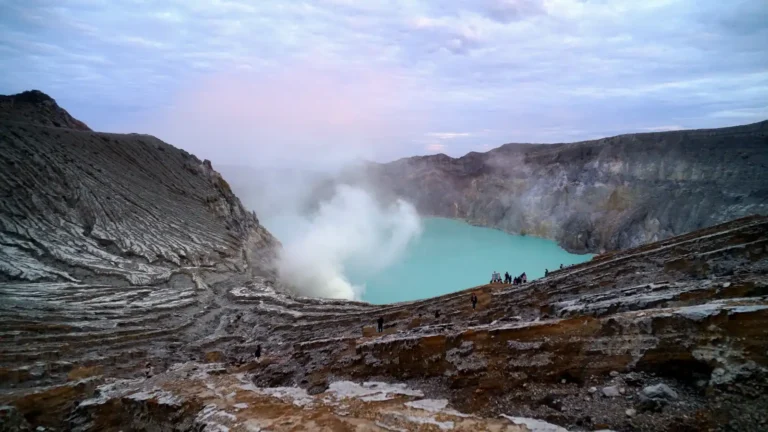
Ijen Crater isn’t your typical tropical destination. While Banyuwangi or Bali might be sweltering at 30°C, the volcanic highlands operate under a different set of rules. The altitude at the Paltuding basecamp sits at 1,850 meters, while the summit peak reaches 2,386 meters. This elevation gain creates a dramatic drop in mercury.
Here’s the deal: the air is thin and the wind is often relentless. Because the hike usually begins at 2:00 AM, you are dealing with the absolute coldest part of the diurnal cycle. You aren’t just fighting the incline; you’re fighting the chill. Understanding the Ijen Crater temperature is the difference between an enjoyable sunrise and shivering uncontrollably for three hours.
Ijen Crater Temperature by Time of Day
Timing is everything here. Most travelers arrive at the basecamp around midnight. At this hour, the temperature at Ijen Crater basecamp is usually around 10°C to 12°C. As you start the 3-kilometer trek upward, your body heat will rise, making the air feel manageable. However, that changes quickly once you stop moving at the top.
Midnight to 4:00 AM: The Deep Freeze
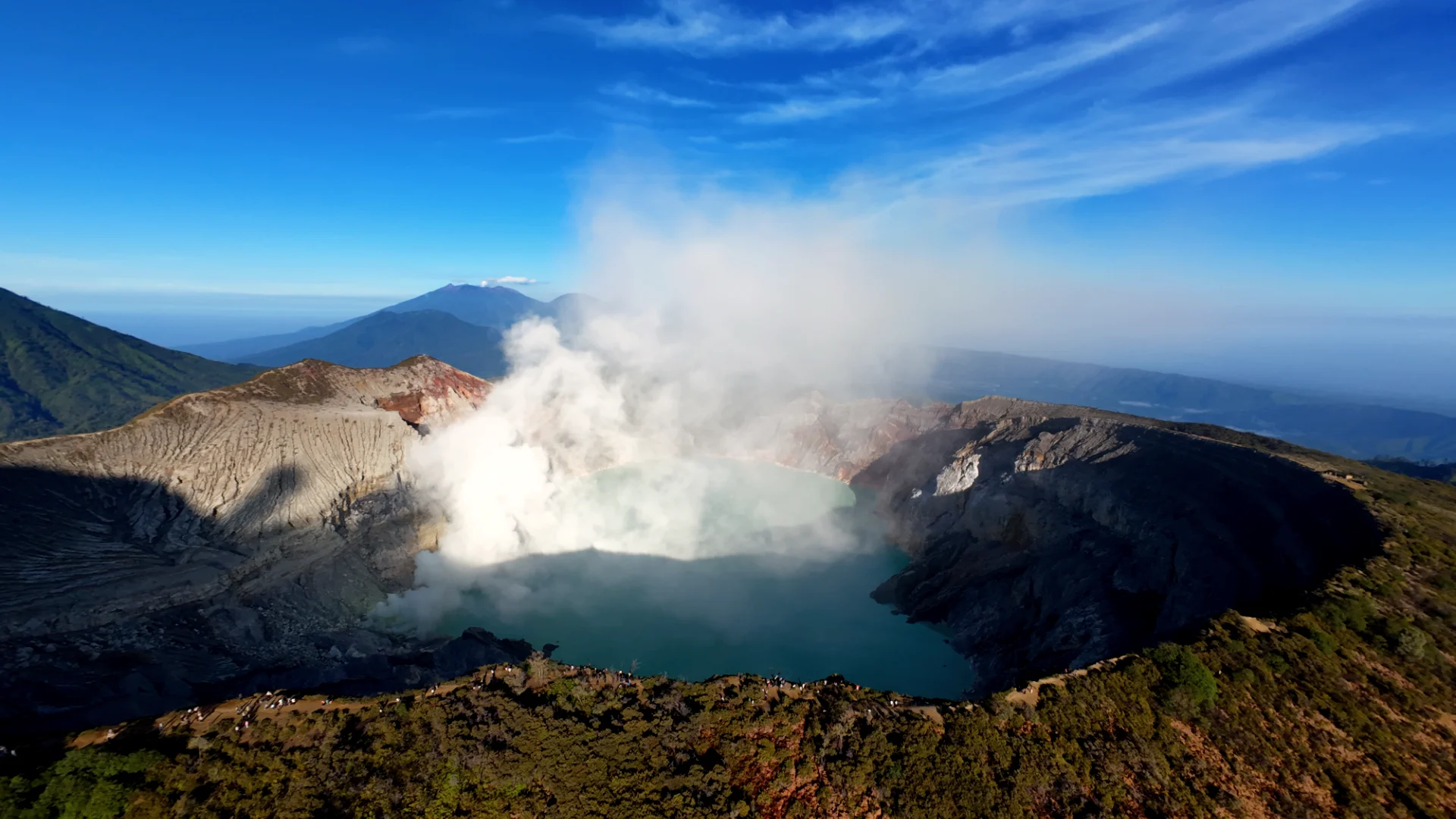
This is when the Ijen Crater night temperature hits its floor. Near the summit and the crater rim, the mercury can slide down to 2°C or 5°C. If there is a strong wind coming off the Ijen plateau, it feels like sub-zero. This is the period when most people descend into the crater to see the Blue Fire. Interestingly, the crater floor is slightly warmer due to the geothermal activity and sulfur vents, but the rim remains freezing.
5:00 AM to 7:00 AM: Sunrise Shifts
As the sun breaks the horizon, the Ijen Crater morning temperature begins a slow climb. It usually hovers around 8°C to 10°C. This is often the windiest time. Once the sun is fully up, the radiant heat helps significantly, but don’t expect to be stripping down to a t-shirt just yet. The best time to visit Ijen Crater for photography is during this window, but your fingers might still be numb.
Monthly Temperature Breakdown
The Ijen Crater climate is dictated by the Indonesian monsoon seasons. Most people assume the rainy season is the coldest, but the opposite is often true on the mountain. During the dry season, the lack of cloud cover allows heat to escape the atmosphere rapidly at night, leading to “frost” conditions.
Dry Season (May – September)
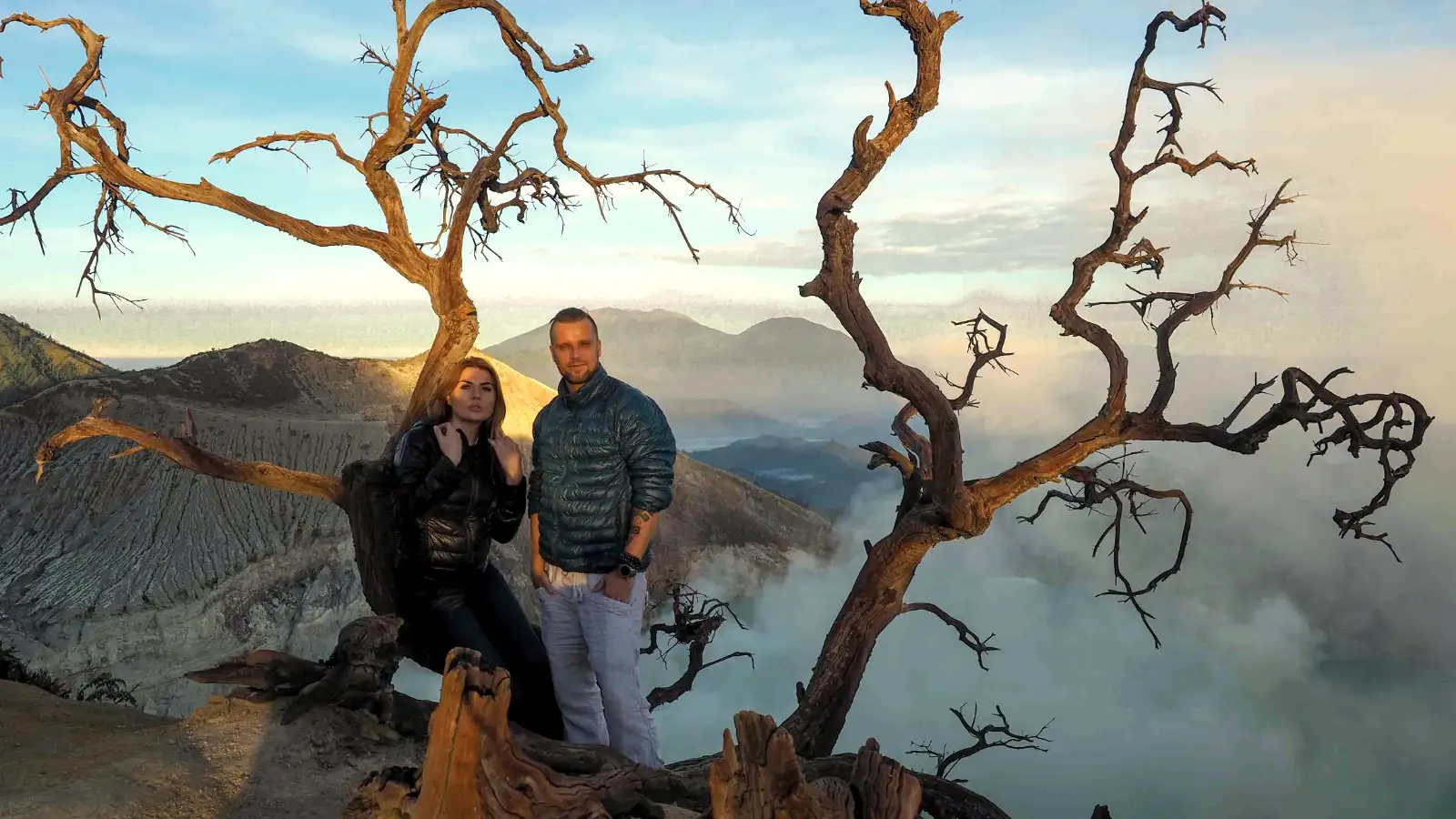
Expect the Ijen Crater average temperature to be at its lowest. In August, it is not uncommon for temperatures to hit 2°C at the summit. The air is crisp, dry, and very cold. This is also when the wind is strongest. If you are planning an Ijen Crater tour during these months, heavy jackets are mandatory.
Rainy Season (November – March)
While the Ijen Crater weather is wetter, the night temperatures are slightly higher, usually staying between 10°C and 15°C. Humidity is high, and the trail can be slippery. The “bone-chilling” wind is less frequent, but the rain adds a different level of difficulty to the hike. Always check the ijen crater visitor regulations during this time as trails may close during extreme storms.
Practical Information
When preparing for the Ijen Crater cold weather, don’t just guess. Here are the hard facts you need for your logistics:
- Location: Licin, Banyuwangi, East Java.
- Opening Hours: 02:00 AM (Standard official opening).
- Hiking Duration: 1.5 to 2 hours to the summit.
- Difficulty: Moderate (Steep incline for the first 2km).
- Mandatory Doc: Health Certificate (Surat Keterangan Sehat).
- Essential Gear: Windbreaker, fleece, gloves, and a warm hat (beanie).
Temperature Comparison: Basecamp vs. Summit
To help you decide what to wear at Ijen Crater, look at this breakdown of how the temperature shifts as you climb higher into the volcanic complex.
| Location | Elevation | Avg. Night Temp | Difficulty |
|---|---|---|---|
| Paltuding Basecamp | 1,850m | 10°C – 14°C | Easy (Start) |
| Halfway Point (Warung) | 2,100m | 7°C – 10°C | Moderate |
| Summit Peak | 2,386m | 2°C – 8°C | Challenging |
| Crater Floor (Blue Fire) | 2,100m | 15°C – 20°C* | Very Steep |
*Note: The crater floor feels warmer due to volcanic steam and proximity to active sulfur vents, despite the ambient cold air.
Local Tips You Should Know
Look, the biggest mistake people make is coming straight from the Bali beaches in shorts. I’ve seen it a hundred times. Truth is, you will be miserable. Here is how we locals handle the Ijen Crater temperature:
First, use the “Layering System.” Wear a moisture-wicking base, a warm fleece or down jacket, and a windproof outer shell. The wind at the rim is the real enemy. Second, bring a pair of cheap cotton gloves. You can buy them for a few cents at Paltuding. They don’t just keep you warm; they protect your hands if you need to steady yourself on the rocky descent into the crater.
Honestly, the best way to stay warm is to keep moving. If you reach the summit too early and sit still for an hour waiting for sunrise, the Ijen Crater hiking temperature will sap your energy. Time your pace so you arrive just as the sky starts to turn gray.
Safety & Important Considerations
Hypothermia is a rare but real risk if you are caught in the rain without proper gear. Always carry a lightweight emergency poncho. Furthermore, the is ijen crater safe question often focuses on gas, but the cold and slippery terrain are the most common causes of minor injuries.
Remember that a health certificate is now mandatory. Local clinics in Banyuwangi can issue these for a small fee. This regulation exists because the combination of cold, high altitude, and sulfur gas puts significant strain on your respiratory and cardiovascular systems.
Common Mistakes Travelers Make
One: Underestimating the Ijen Crater night temperature. Just because it was 30°C in your hotel doesn’t mean it isn’t freezing at 2,300 meters. Two: Forgetting a change of clothes for after the hike. Once you finish, you’ll be sweaty. That sweat turns cold fast when you stop. Have a dry t-shirt waiting in the car. Three: Not bringing a beanie. You lose a massive amount of heat through your head while standing on the windy crater rim.
Frequently Asked Questions
Q: How cold is Ijen Crater at night?
A: It typically ranges from 2°C to 8°C at the summit. During the windiest months of July and August, it can feel even colder due to the wind chill factor on the exposed rim.
Q: Do I need a professional winter jacket for Ijen?
A: You don’t need arctic gear, but a decent windbreaker paired with a warm fleece or a light down jacket is essential. Layers are better than one heavy coat.
Q: What is the temperature during the day at Ijen?
A: By midday, the temperature at the basecamp can rise to 20°C or 25°C, but the summit usually remains cool, hovering around 15°C to 18°C under direct sunlight.
Q: Is there snow at Ijen Crater?
A: No, it does not snow. However, during the peak of the dry season, you may occasionally see “frost” (embun upas) on the grass near the basecamp on extremely cold mornings.
Q: Does the sulfur gas make it feel warmer?
A: Only when you are standing directly near the vents at the crater floor. On the rim, the gas can be irritating, but it provides no warmth against the freezing mountain air.
Recommended Tour Packages
- Standard Midnight Trek: The most popular way to beat the heat and see the Blue Fire. Ijen Crater Tour
- Bali Departure: Full logistics from your Bali hotel to the freezing summit and back. Ijen Crater Tour from Bali
- Short 1-Day Trip: Perfect for those staying in Banyuwangi city center. Ijen Crater Tour from Banyuwangi
- Surabaya Connection: A multi-day adventure focusing on East Java’s volcanic peaks. Ijen Crater Tour Surabaya 2D1N
- The Full Volcano Loop: Combine Bromo and Ijen for a complete weather experience. Bromo Ijen Tour
Final Takeaway
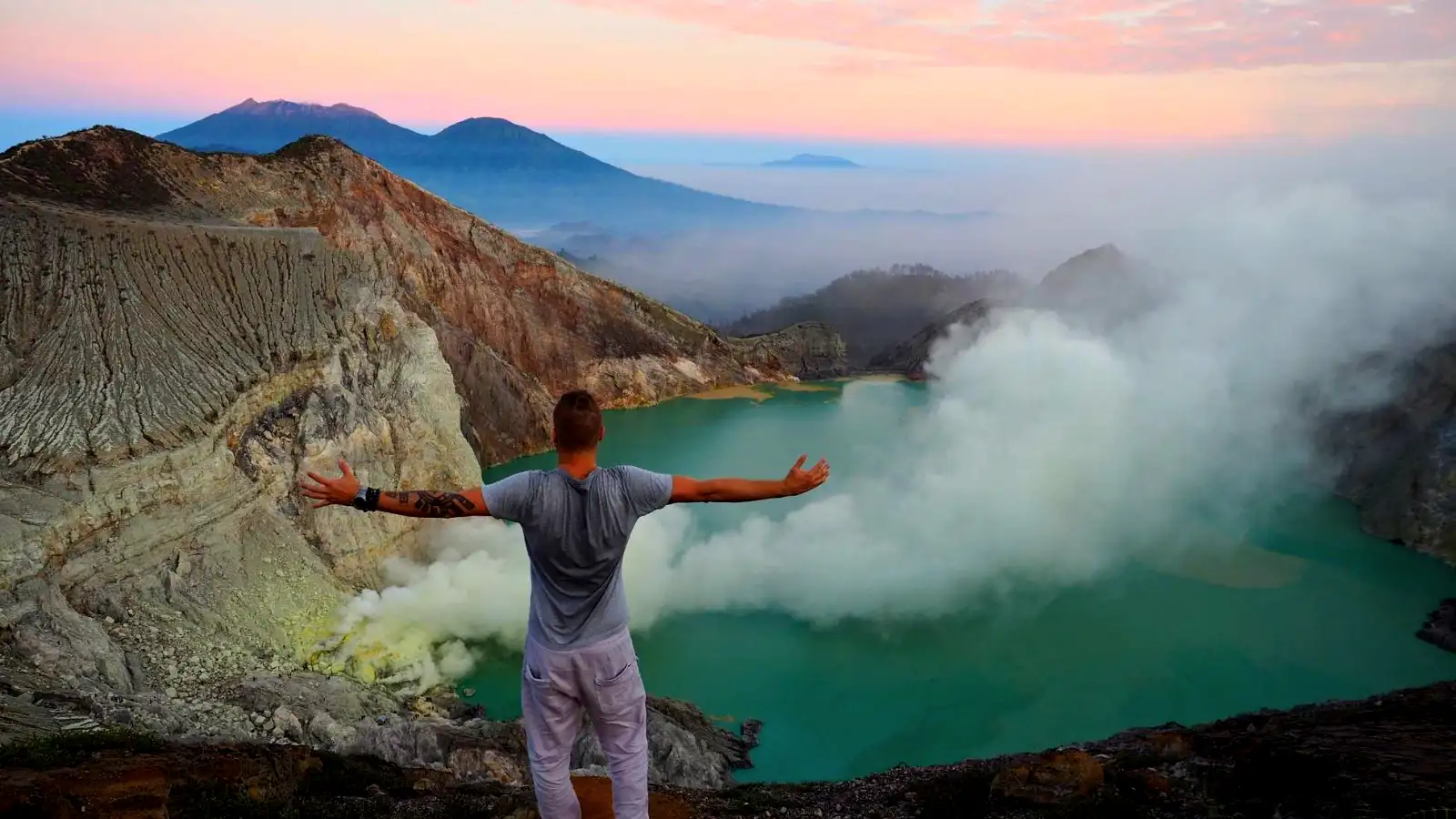
Don’t let the Ijen Crater temperature scare you away, but do respect it. Most of the discomfort travelers face comes from poor preparation rather than the actual cold. If you bring layers, a good headlamp, and a sense of adventure, the 2°C chill at the summit will be the last thing on your mind when the sun starts to illuminate the turquoise acidic lake. Pack smart, check the what to wear for ijen crater guide, and enjoy the most unique sunrise in Indonesia.
Planning Your Trip to East Java?
Explore our local tour options and choose a route that matches your travel schedule.