
Ijen Blue Fire Update: What Visitors Can Actually See Now
Key Takeaways:
- Natural Blue Fire access is currently limited or closed.
- A visible blue flame may be present but involves human intervention.
- Mount Ijen remains open for sunrise and crater rim views.
- Mandatory health certificates are required for all hikers.
About This Guide: Written by our Banyuwangi-based local operational team with first-hand field experience across East Java, including current trail conditions, departure timing, weather shifts, and real visitor logistics.
Table of Contents
What Is the Current Situation at Ijen?
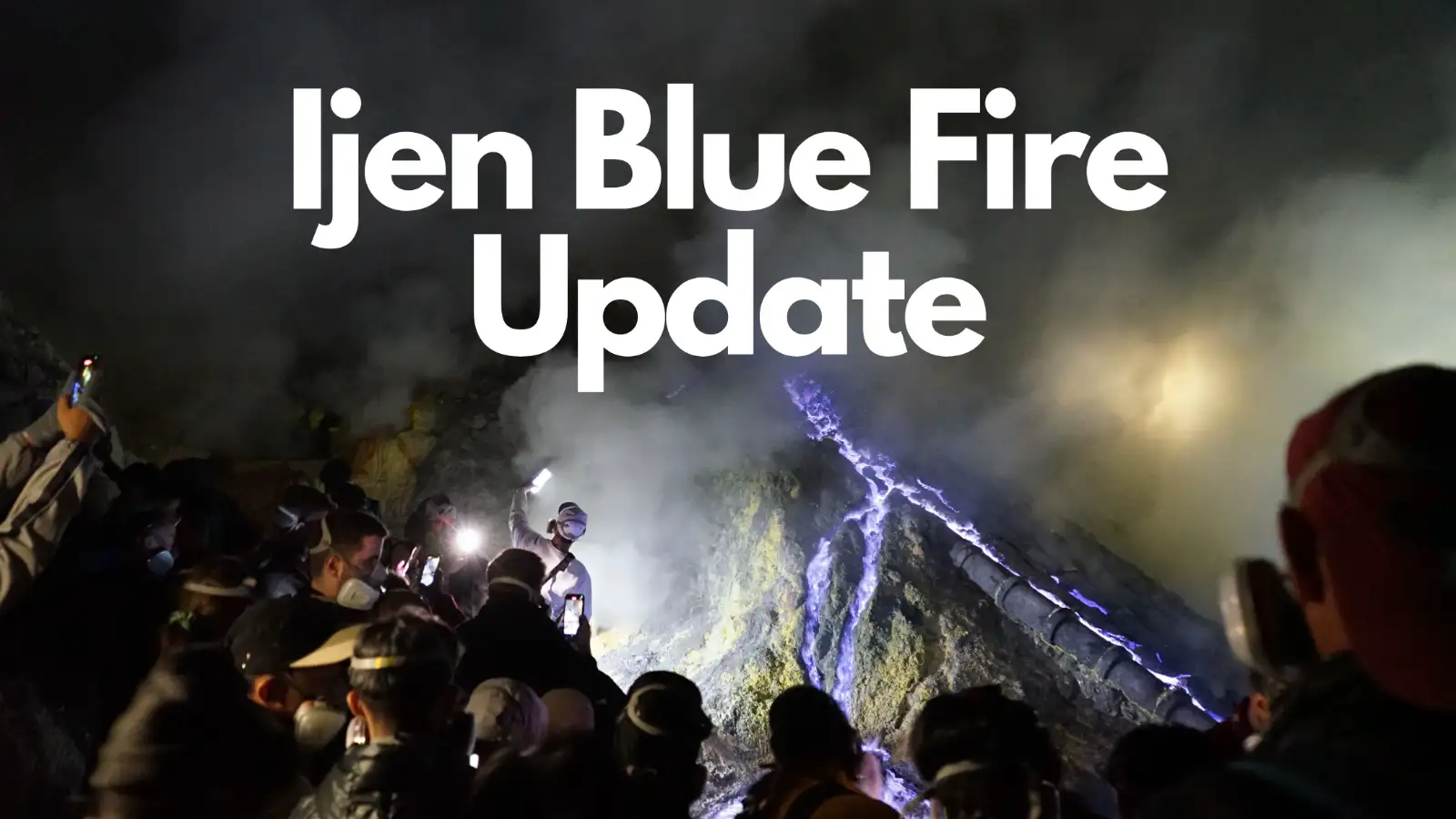
Look, things have changed at the crater. If you’re planning a trip to East Java specifically for the electric-blue flames, you need the full picture. Truth is, the original natural Blue Fire area remains restricted for visitors. The gas density and volcanic activity levels often make the crater floor off-limits for safety reasons.
However, the mountain isn’t “closed.” Far from it. Travelers are still heading to Paltuding basecamp at 2:00 AM to make the climb. The hike to the summit is still very much a go. You just might not be able to stand right next to the sulfur vents like people did a few years back. Safety first, always. Is Ijen Crater Safe? Generally yes, but the crater floor is a different story.
To be fair, the sunrise from the rim is still world-class. You get that deep turquoise color of the acidic crater lake contrasting with the orange morning sky. It’s a sensory overload. The sulfur hits your throat, the wind bites at your face, and the view is honestly staggering even without the flames.
Natural vs. Artificial: What You See Now
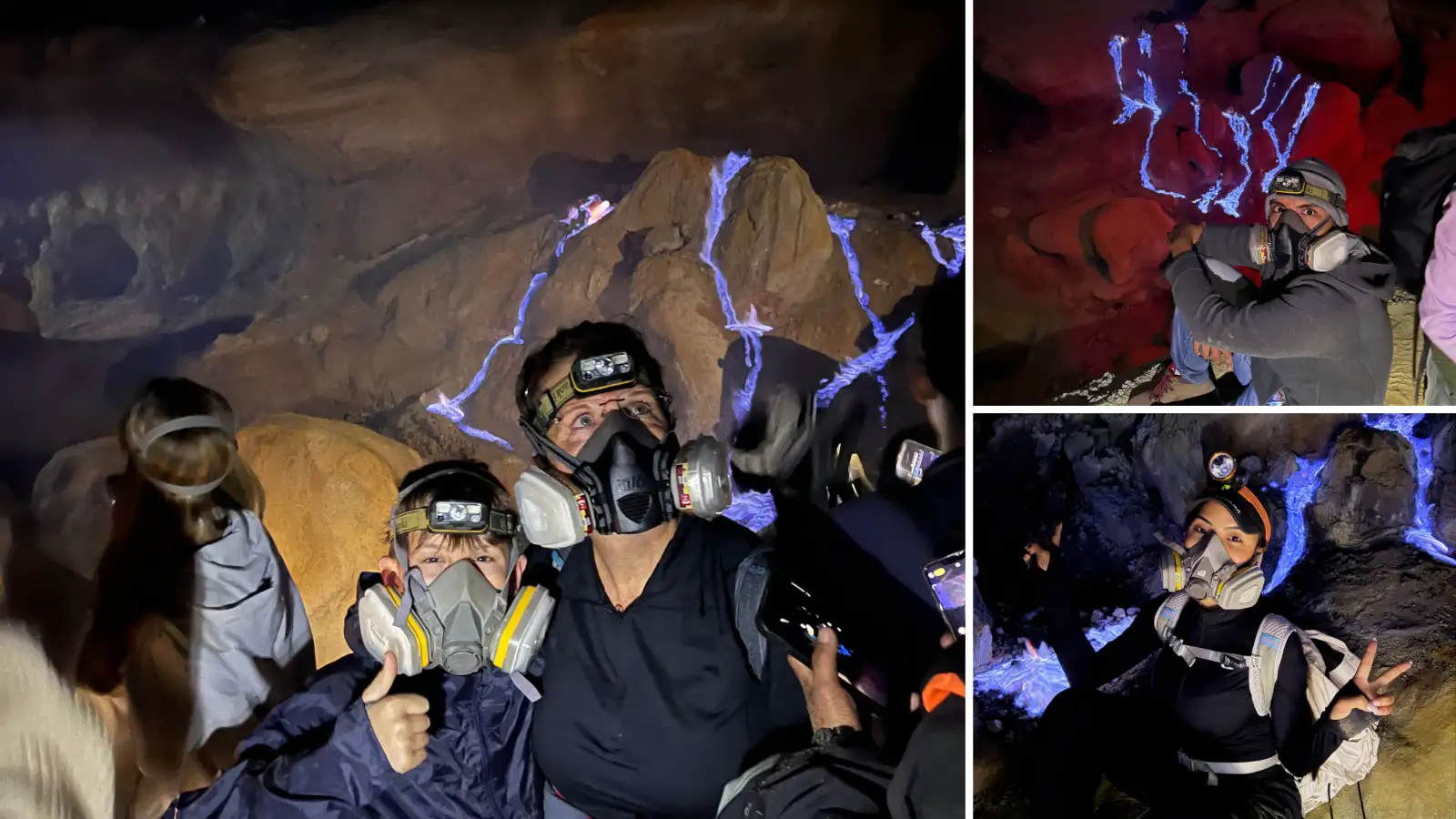
Here’s the deal: many visitors still report seeing blue flames. We want to be transparent about this. The blue flame currently visible often involves human intervention. It’s not the same as the raw, natural phenomenon where sulfur gas ignites spontaneously from the volcanic system. It shouldn’t be marketed as the “authentic” natural Blue Fire experience.
Why This Distinction Matters
If you’re a serious photographer or a geology enthusiast, the source of the flame matters. Seeing a flame that has been “helped along” feels different than witnessing one of nature’s rarest volcanic events. We believe travelers deserve the truth before they commit to a Ijen Crater Tour from a distance.
That said, if you just want the visual—a blue light dancing in the dark—you might still get that. But manage your expectations. The “wow” factor now comes from the sunrise, the massive caldera, and the sheer grit of the sulfur miners carrying 80kg loads up the steep cliffs.
Can You Still Go Down to the Crater Floor?
This is the most common question we get. Official access to the crater floor is strictly regulated by BBKSDA (the local forestry department). If the sulfur gas is too thick or the volcanic alert level rises, the path down is closed. Period. Most mornings, visitors are kept on the rim for safety. Honestly, after seeing how fast the wind can shift that toxic gas, staying on the rim isn’t such a bad idea.
Operational Reality and Regulations
Don’t just show up at Paltuding and expect to walk in. You need a Surat Keterangan Sehat (Health Certificate). This is mandatory now. You can get one at local clinics in Banyuwangi or the Licin area. It’s a simple check—blood pressure and basic vitals—but without it, you aren’t getting past the gate.
If you are coming on an Ijen tour from Bali, remember the time difference. Java is one hour behind Bali. Leaving Bali at midnight means arriving at the ferry in Gilimanuk around 4:00 AM Bali time, which is 3:00 AM Java time. It’s a long night. Wear layers. What to wear is crucial—it can drop to 3°C before the sun comes up.
Practical Information
| Feature | Details |
|---|---|
| Opening Hours | Gate opens at 02:00 AM (WIB) |
| Difficulty | Moderate (3km uphill trek) |
| Lake pH | Less than 0.5 (Extremely Acidic) |
| Mandatory Items | Gas mask, Health Certificate, Headlamp |
Local Tips You Should Know
First, the gas masks. Don’t rent the cheap ones from the parking lot if they look like they’ve been through a war. You want a proper respirator with a fresh filter. The sulfur is no joke. It’s acrid, biting into the back of your throat. Ijen gas mask guide helps you pick the right gear.
Second, the “Trolley Taxi.” If the 3km climb is too much, local miners offer a ride in their wooden sulfur carts. It’s not cheap, but it’s an experience. Just know that the prices are usually non-negotiable because the work is incredibly hard. Visitor regulations are strictly enforced at the gate, so have your online booking QR code ready.
If you’re wondering, is Ijen worth visiting without the blue fire? Yes. Watching the sun hit the acid lake is something you won’t forget. The landscape looks like another planet. Just manage your expectations about the “blue fire” photos you see on social media—many of those are from years ago.
Frequently Asked Questions
Q: Is the natural Blue Fire completely gone?
A: No, it is a natural phenomenon that still occurs. However, the specific area where it is most visible is currently restricted for visitor safety due to high gas levels.
Q: Do I need a guide to see what’s left of the blue flame?
A: While you can hike the trail alone, a local guide is highly recommended to navigate current safety zones and help with gas mask fitting and timing.
Q: Can I visit Ijen as a day trip from Bali?
A: Yes, it is a very popular option. Visiting Ijen from Bali in one day involves a midnight departure and a ferry crossing.
Q: What time does the Ijen trail open?
A: The official opening time is 02:00 AM WIB, though this can change based on the PVMBG volcanic activity status. Check the latest opening hours before you go.
Q: Is the health certificate really mandatory?
A: Yes. Rangers check for the Surat Keterangan Sehat at the Paltuding entrance. You cannot buy tickets at the gate without it.
Recommended Tour Packages
- Ijen Crater Tour from Banyuwangi (1 Day) – The most efficient way to see the crater with local pickup and gear included.
- Mount Bromo & Ijen Crater Tour – The classic East Java volcano duo, typically spanning 3 days from Surabaya or Malang.
- Bromo, Ijen, & Tumpak Sewu (3D2N) – A high-intensity adventure covering volcanoes and the most famous waterfall in Java.
- Ijen Tour from Bali (Midnight Departure) – Perfect for those staying in Ubud, Canggu, or Seminyak who want a quick volcano fix.
- All-Inclusive East Java Adventure – A multi-day journey exploring the hidden corners of the region beyond the main tourist spots.
Final Takeaway
The Ijen experience is shifting. While the “natural” Blue Fire is harder to see due to safety closures, the trek remains one of the most unique on the planet. Don’t come just for a specific photo of a flame. Come for the raw, sulfurous air, the incredible turquoise lake, and the sheer physical challenge of the climb. We will keep this page updated as official access conditions change. For now, embrace the sunrise and the volcanic power of the rim.
Planning Your Trip to East Java?
Explore our local tour options and choose a route that matches your travel schedule.
Planning to visit Ijen or Mount Bromo?
Explore available tour options and ask our local team about your itinerary.
Explore Tour Packages →