Mount Bromo Temperature: Real Facts and Survival Guide
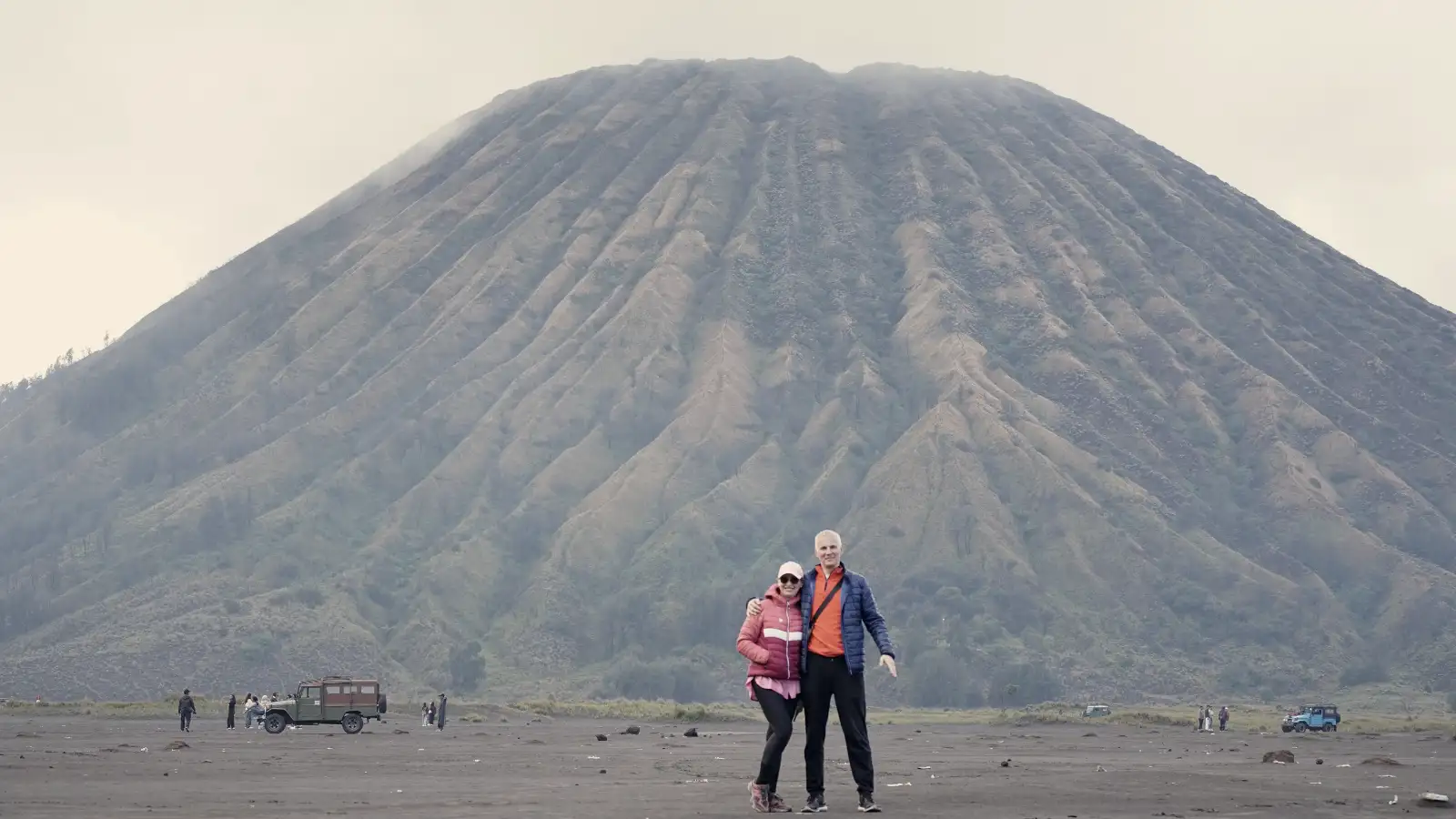
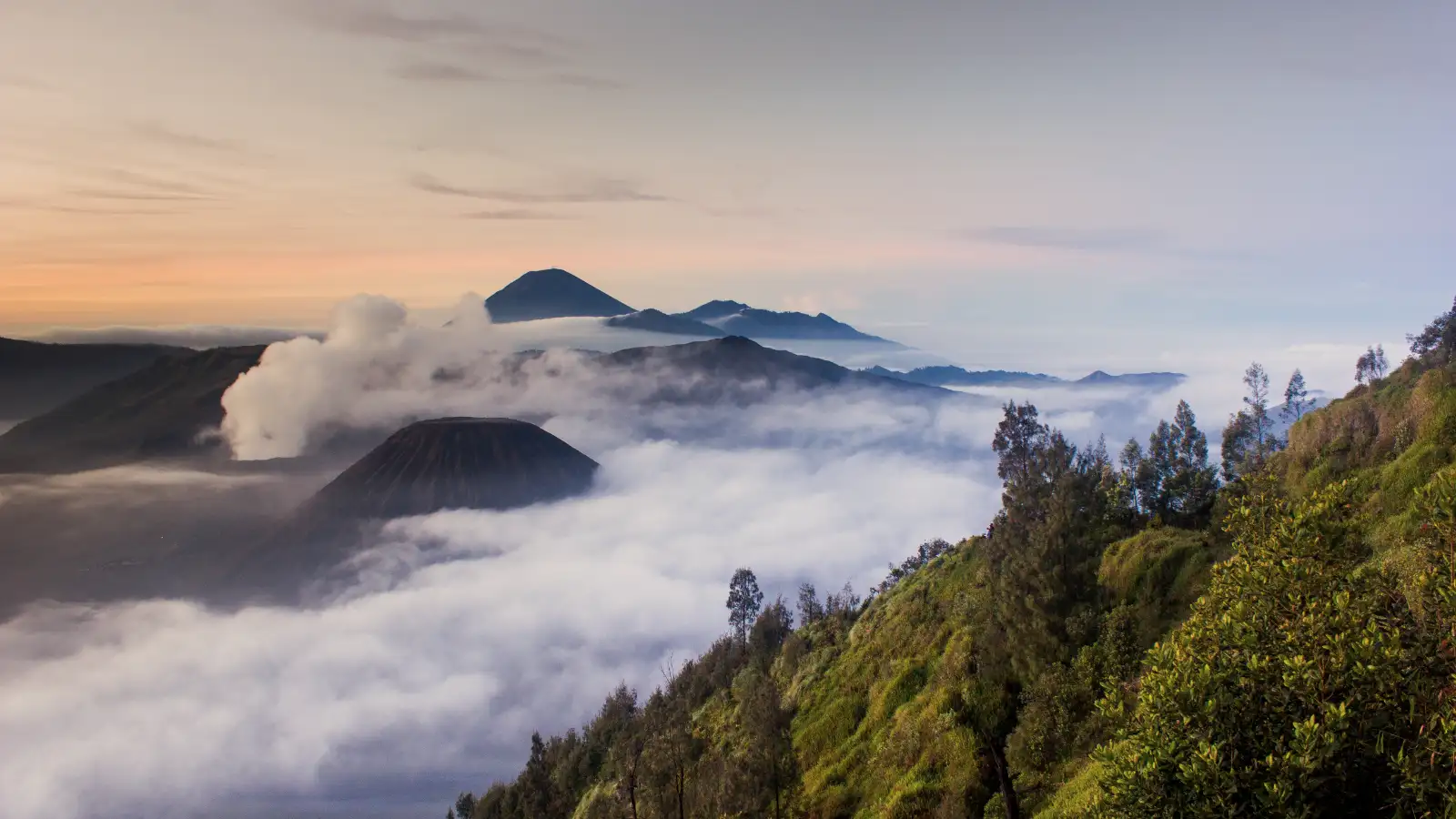
Standing on the edge of the King Kong viewpoint at 3:30 AM is a sensory overload. Your breath hitches in the thin, freezing air as the Mount Bromo temperature drops toward zero. Many travelers arrive in shorts, expecting tropical Indonesian heat, only to face a bone-chilling reality check.
Planning a Mount Bromo tour requires more than just a camera and a sense of wonder. You need to understand the volatile East Java climate and the volcano altitude cold that catches thousands off guard every year. Shivering through a sunrise is no way to experience one of the world’s most cinematic landscapes.
Avoid the common pitfalls by booking your trip now with experts who know the highlands intimately. We have spent years navigating the Tengger Caldera weather, ensuring our guests stay warm while others scramble for overpriced rental jackets. This guide breaks down exactly what to expect from the mercury when you visit.
What You Need to Know
Temperature Range: 0°C to 20°C (32°F to 68°F). The coldest hours are between 2:00 AM and 5:00 AM.
Peak Chill: July and August are the coldest months, often seeing dry season frost on the crater floor.
Wind Factor: The “Sea of Sand” acts like a wind tunnel, significantly lowering the “feels like” temperature.
Preparation: Layering is mandatory. Do not rely on local rentals if you want high-performance thermal gear.
Why Trust This Guide
We aren’t just writers; we are local operators who have stood on these rims thousands of times. Our teams track the Java highland temperatures daily to ensure safety for every traveler. We’ve seen the Madakaripura fog roll in and the monsoon humidity shift within minutes.
Rangers and local jeep drivers provide us with real-time updates on volcanic activity and path conditions. This isn’t a recycled travel blog; it is boots-on-the-ground intelligence. We know when the wind will bite and when the sun will scorch.
Local Presence and Expertise
Our office is located right in the heart of East Java, allowing us to monitor micro-climates constantly. Weather apps often fail in the mountains, but our drivers know the sky’s language. Trusting local wisdom is the best way to avoid being caught in a freezing rainstorm.
For more detailed planning, check out National Geographic’s insights on Indonesian volcanic landscapes. Their data matches our observations regarding high-altitude volcanic environments. Understanding the terrain is the first step toward a successful journey.
The Hourly Mercury: From Midnight to Noon
The Mount Bromo temperature is a rollercoaster that starts in the dark. At midnight, when you leave your hotel, the air is crisp but manageable. As the jeep climbs toward the sunrise viewpoints, the Penanjakan sunrise chill begins to set in.
By 4:00 AM, the temperature usually hits its lowest point, often hovering between 3°C and 7°C. If there is a breeze, the wind chill can easily make it feel like -2°C. This is the moment when most travelers regret their clothing choices.
The Rapid Morning Thaw
Once the sun peaks over the horizon, everything changes with startling speed. The thermal layers you desperately needed an hour ago suddenly feel suffocating. By 8:00 AM, the sun is high and the volcanic sand begins to absorb heat.
Walking across the Sea of Sand at 10:00 AM feels like a different planet entirely. Temperatures rise to a comfortable 18°C or 20°C, and the intense tropical sun can lead to sunburn. Carrying a backpack to store your discarded layers is essential for this transition.
The Sudden Nighttime Drop
Evening falls fast in the highlands, and the mercury follows suit. As soon as the sun dips behind the mountain range, the heat evaporates. Staying overnight in Cemoro Lawang means preparing for a cold night without central heating.
Most local homestays provide thick blankets, but the air remains biting. Luxury travelers often find that even high-end resorts can feel drafty during the peak of the dry season frost months. Always check if your accommodation provides extra heaters or high-quality bedding.
Seasonal Shifts and the Dry Season Frost
| Season | Months | Avg Low | Avg High |
|---|---|---|---|
| Dry Season | May – Sept | 2°C | 20°C |
| Wet Season | Oct – April | 10°C | 22°C |
The dry season is arguably the most beautiful but also the most punishing for the unprepared. During July and August, a phenomenon known as “frozen dew” often covers the ground. This dry season frost creates a surreal white coating over the volcanic landscape.
Humidity is very low during these months, making the air feel even sharper. The skies are generally clear, which allows heat to escape into space rapidly at night. You will get the best photos, but you will work for them in the cold.
Monsoon Humidity and Fog
The wet season brings a different kind of chill characterized by monsoon humidity. While the raw temperature is higher, the dampness can seep into your bones. Fog is frequent, often obscuring the sunrise entirely during December and January.
Hiking the crater rim becomes slippery and more physically demanding in the rain. We often recommend guests check our best time to visit guide to compare Bromo and Ijen conditions. Both volcanoes share similar highland weather patterns but react differently to rain.
Survival Gear: What to Pack for the Cold
Packing for the Mount Bromo temperature requires a strategy of adaptability. You aren’t just packing for a hike; you are packing for three different climates in one day. Start with a base layer of moisture-wicking material to keep sweat away from your skin.
Add a mid-layer, such as a fleece or a down sweater, which traps heat effectively. Finally, a windbreaker or a waterproof shell is non-negotiable. The Sea of Sand wind can be ferocious, and a thin jacket will not stand a chance against it.
The Accessories That Save the Day
Don’t forget your extremities. A warm beanie and a pair of light gloves will make the wait for the sun much more tolerable. Many travelers also find a neck gaiter useful to protect against both the cold and the fine volcanic dust.
Footwear is another critical component. While heavy boots aren’t strictly necessary for the walk, they provide better insulation than thin sneakers. Cold feet are often the first sign that you’re losing the battle against the volcano altitude cold.
Dust and Sulfur Gas
The wind doesn’t just carry a chill; it carries volcanic ash. When the Mount Bromo temperature drops and the wind kicks up, the dust can be suffocating. Wearing a mask isn’t just for COVID-19 anymore; it’s a standard piece of highland survival gear.
If you have sensitive eyes, consider bringing sunglasses even for the early morning. The grit can be abrasive, and the combination of cold wind and dust leads to instant irritation. Be prepared for a raw, unfiltered experience that tests your gear to its limits.
Insider Tips: What Instagram Won’t Tell You
Social media often shows travelers in flowy dresses at sunrise. What you don’t see is the shivering person just off-camera holding three heavy coats. The Mount Bromo temperature is unforgiving to those who prioritize fashion over function.
Another “hidden” truth is the coffee culture at the viewpoints. Local warungs (small stalls) sell hot ginger tea (wedang jahe) and instant noodles. These small shelters are literal lifesavers when the wind starts to howl at 4:00 AM.
Using the Crowd for Heat
By 4:00 AM, the main viewpoints like Penanjakan 1 feel more like a rock concert than a quiet mountain peak. While the crowds can be frustrating, the collective body heat in the shelter areas does offer a slight reprieve. If you want a more solitary experience, you’ll have to head to lower, more exposed viewpoints.
Those quieter spots, like King Kong Hill or Seruni Point, are significantly colder because they lack wind protection. If you choose the “lesser-known” path, double your thermal layers. The silence of the mountain is beautiful, but it comes with a much sharper bite.
Volcanic Gas and Heat
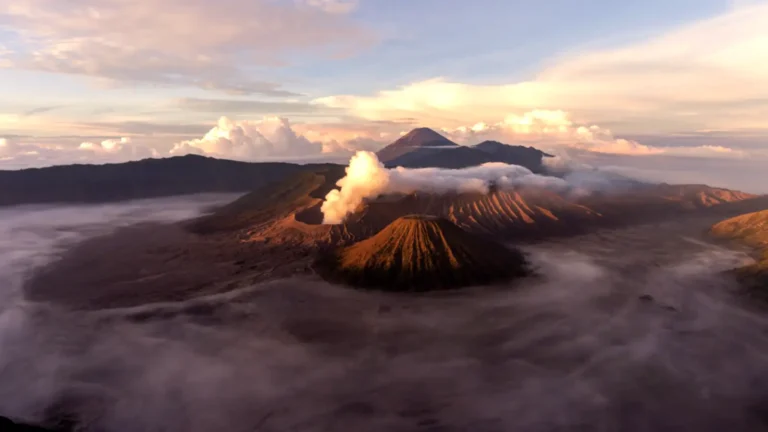
Surprisingly, as you approach the actual crater rim, you might feel a warmth that isn’t from the sun. The volcanic activity underground creates localized heat pockets. However, this warmth comes with the smell of rotten eggs—sulfur gas.
Rangers monitor the gas levels daily. If the wind shifts, the gas can become suffocating, forcing an immediate closure of the crater path. Safety decisions are made on the fly, and the Mount Bromo temperature can feel irrelevant when you’re trying to breathe through a sulfur cloud.
Continue Your Adventure
The highlands of East Java offer so much more than just a single sunrise. Once you have braved the Mount Bromo temperature, you might find yourself craving more volcanic drama. You could consider traveling from Bali to see both Bromo and Ijen in one epic loop. If you are short on time, a quick trip from Surabaya provides a perfect 2-day escape. For the ultimate thrill-seekers, combining these peaks with the hidden waterfalls of East Java on a multi-day adventure is the only way to go. Whatever your pace, booking your trip now ensures you get the best local guides and the most comfortable transport available.
Ready to Brave the Bromo Chill?
Don’t let the freezing temperatures keep you from witnessing the most spectacular sunrise in Southeast Asia. Our expert local team handles all the logistics, from warm transport to providing the latest safety updates on volcanic activity. We ensure you are in the right place at the right time, with the right gear to enjoy the view without the shivers.
Frequently Asked Questions
Q: Which viewpoint is the least crowded?
A: Seruni Point or the “Love Hill” (Bukit Cinta) usually have fewer people than Penanjakan 1. However, they are more exposed to the wind, so the temperature feels colder.
Q: How bad is the dust at the crater rim?
A: It can be severe, especially in the dry season when the “Sea of Sand” is parched. The wind whips up fine volcanic ash that irritates eyes and lungs instantly.
Q: Can elderly travelers handle the cold and the climb?
A: Yes, if they use the jeep for transport and wear high-quality thermal layers. We recommend hiring a local horse to reach the crater stairs to minimize physical strain in the thin air.
Q: Is there any heating in the Cemoro Lawang hotels?
A: Most standard homestays do not have central heating. Luxury hotels like Plataran Bromo offer climate control, but for most, a thick jacket and hot tea are your only defenses.
Q: Do I need a professional gas mask for Bromo?
A: Usually, a standard N95 mask is enough for the dust. However, if you are doing a combo tour that includes Ijen, you will definitely need a professional respirator for the sulfur fumes there.