Ijen Crater Tour Checklist Before You Go: Master The Hike
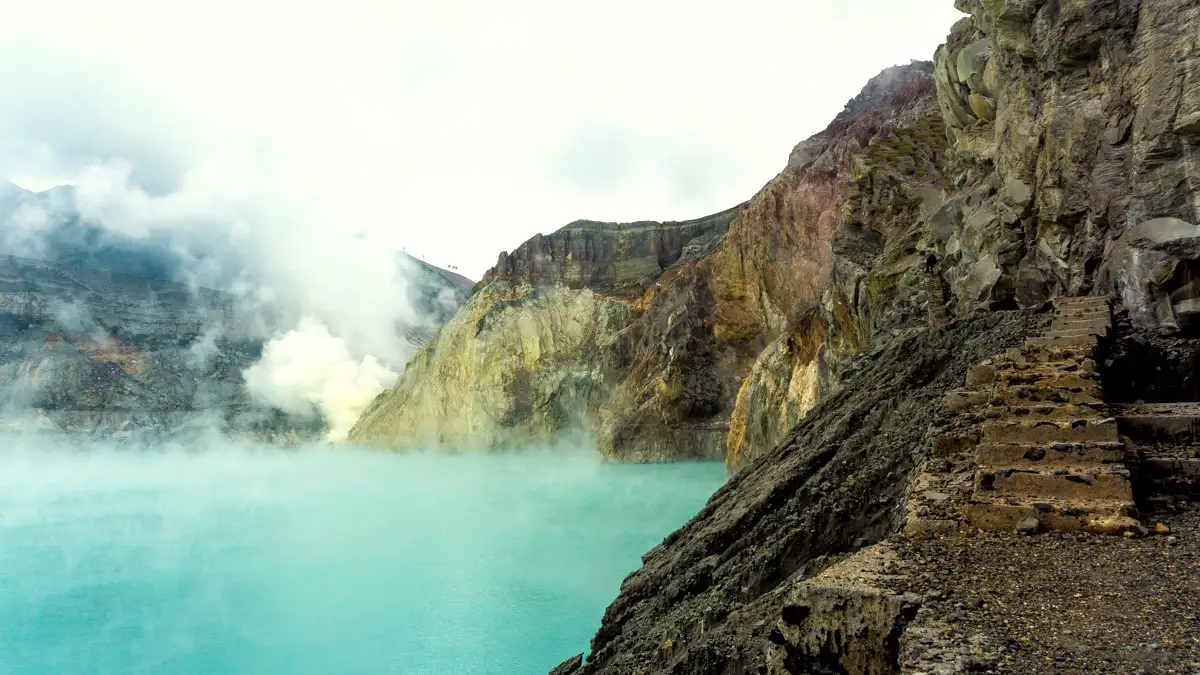
Standing at the edge of a massive volcanic caldera at 2 AM is a sensory overload. Your breath hitches as the sharp, biting smell of sulfur cuts through the freezing mountain air. Below, the famous blue fire phenomenon flickers like a phantom in the dark, a rare sight that draws travelers from across the globe to this corner of East Java. Many arrive unprepared, shivering in thin hoodies or gasping for air without the right protection. Planning a successful secure your guaranteed departure requires more than just a sense of adventure; it demands a solid strategy to handle the high-altitude conditions and unpredictable volcanic activity.
Navigating the logistics of a Kawah Ijen hike can feel overwhelming if you are doing it for the first time. From securing the right volcanic gas mask to understanding the latest health regulations at Paltuding basecamp, every detail matters. This guide isn’t just a list; it’s a deep dive into the reality of the trail, shaped by years of leading travelers through the rugged terrain of the Ijen Crater tour. We focus on the raw experience, ensuring you know exactly what to pack, how to prepare, and what to expect when the sun begins to peek over the jagged rim of the crater.
What You Need to Know
- Basecamp Location: Paltuding, Banyuwangi/Bondowoso border.
- Start Time: Usually 1:00 AM to 2:00 AM for the blue fire.
- Climate: Can drop to 5°C (41°F) at the summit.
- Difficulty: Moderate to steep (3km uphill).
- Mandatory: Health certificate (available on-site or in town) and gas mask for crater descent.
Why Trust This Guide
We live and breathe the East Java volcanic circuit. Our team doesn’t just read about Ijen; we are at the Paltuding basecamp daily, chatting with local rangers and monitoring the shifting winds that dictate whether the crater is open or closed. We’ve seen the gear that fails—the cheap sneakers that slip on volcanic ash and the low-quality masks that let in suffocating fumes. Our goal is to bridge the gap between “Instagram expectations” and the gritty, beautiful reality of this trek.
Volcanic conditions change in a heartbeat. A route that was open yesterday might be restricted today due to high gas concentrations. We maintain direct lines of communication with the BKSDA (Natural Resources Conservation Agency) to ensure our guests and readers have the most current safety data. When we tell you to bring a certain layer or arrive at a specific time, it’s based on thousands of real-world climbs. We want you to see the acidic crater lake in all its glory without the stress of being underprepared.
Real-Time Local Expertise
Unlike massive international booking platforms, we operate on the ground. We know which warung at the basecamp serves the best ginger tea at 1 AM and which local porters are the most reliable if you need a “trolley taxi.” This guide is built on the sweat and experience of local guides who have climbed this volcano hundreds of times. We prioritize your safety and the authenticity of your experience over everything else.
Physical Preparation and Health Rules
The climb to the Ijen rim is about 3 kilometers of continuous uphill trail. While it is paved for much of the way, the incline is steep—averaging a 17 to 20 percent grade in some sections. This isn’t a casual stroll; it’s a workout that will test your lungs, especially as the air thins. If you haven’t hiked in a while, your calves will definitely feel the burn by the time you reach the halfway point. Most travelers take about 1.5 to 2 hours to reach the summit, depending on their fitness level.
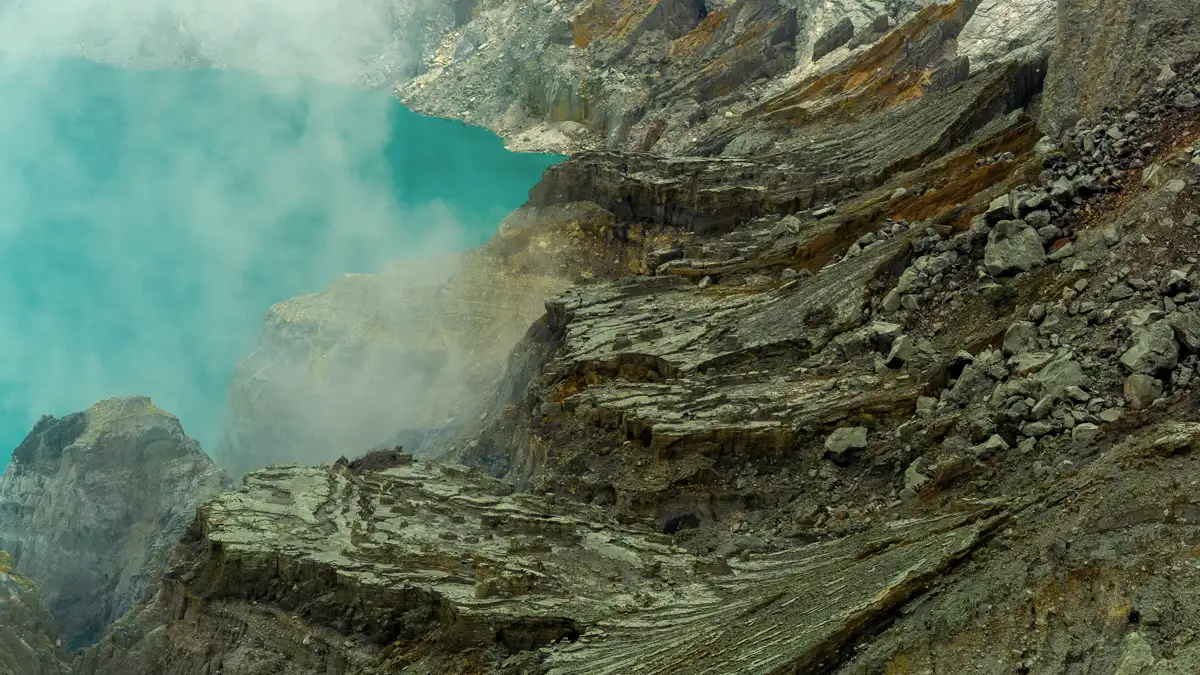
Current regulations require all visitors to provide a medical health certificate. This rule was implemented to ensure hikers don’t have underlying heart or respiratory issues that could be exacerbated by the altitude and sulfur gas. You can get these certificates at local clinics in Banyuwangi for a small fee, or sometimes at a makeshift booth near the Paltuding entrance. Don’t leave this to the last minute; having it ready in your backpack will save you a lot of stress during the midnight rush.
Managing the Sulfur Gas
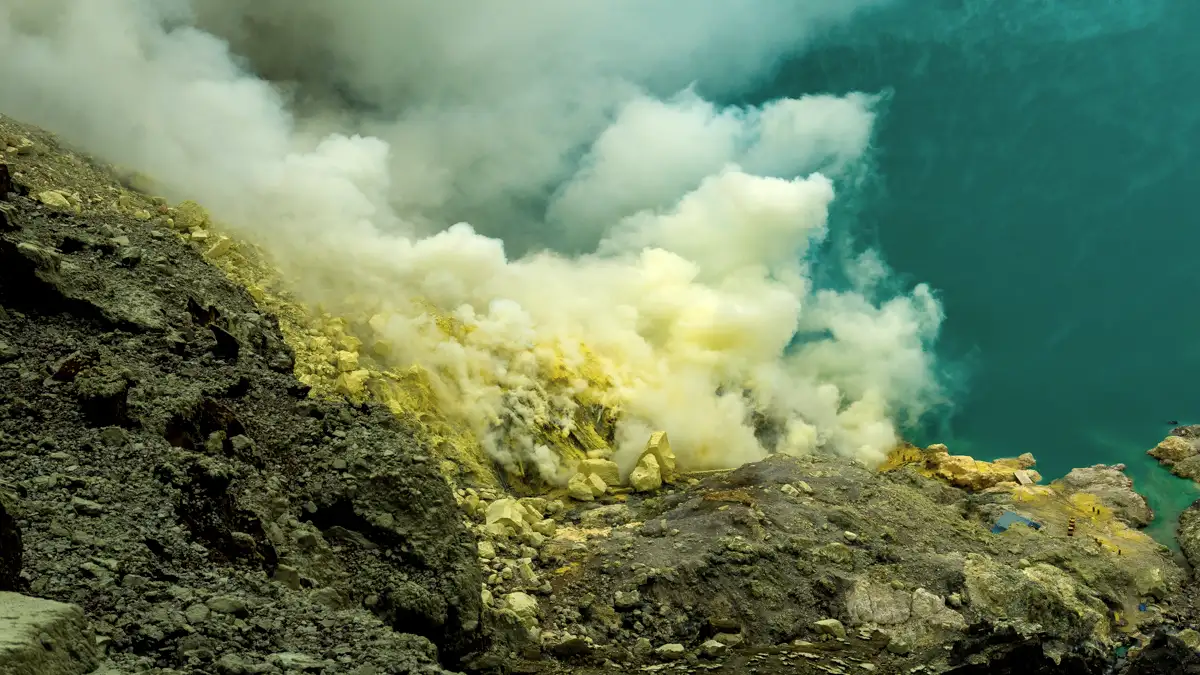
The sulfur mine trail is legendary for its intense fumes. When the wind shifts, a thick cloud of white smoke can engulf the trail, making it impossible to see or breathe without protection. If you have asthma or severe respiratory sensitivities, you must be extremely cautious. Even for healthy hikers, a professional-grade respirator with a chemical filter is non-negotiable if you plan to descend into the crater to see the blue flames. Simple surgical masks or scarves are completely useless against volcanic gas.
The Ijen Trolley Taxi Option
If the hike sounds too daunting, there is a unique local solution. Local sulfur miners have repurposed their heavy wooden trolleys into “human taxis.” For a fee, two or three men will pull and push you up the steep slopes. While some find it a bit awkward to be wheeled up a mountain, it’s a vital source of income for the miners and a savior for those with knee injuries or low stamina. It also provides a direct way to support the local community while ensuring you don’t miss the sunrise views.
The Essential Packing Checklist
Layering is the secret to staying comfortable at Ijen. At the basecamp, it might feel mild, but the wind chill at the summit can be brutal. You’ll be sweating on the way up and shivering the moment you stop to wait for the sunrise. Start with a moisture-wicking base layer, add a warm fleece or down jacket, and top it off with a windproof shell. Don’t forget a beanie and gloves; your extremities will be the first to go numb while you’re standing on the rim in the dark.
Footwear is another critical component. The trail is a mix of packed dirt and loose volcanic gravel. You need shoes with a deep tread—hiking boots are ideal, but solid trail running shoes work well too. Avoid flat-soled sneakers or flip-flops at all costs. The descent into the crater is particularly rocky and slippery; one wrong step on loose shale can result in a nasty tumble. A good pair of wool socks will also prevent blisters and keep your toes warm during the long wait for dawn.
Must-Have Gear and Gadgets
A reliable headlamp is much better than a handheld flashlight because it keeps your hands free for balance. The trail is pitch black, and you’ll need to see where you’re stepping to avoid the “trolley taxis” zooming past. Also, consider the impact of the sulfur gas on your electronics. The acidic air can be hard on camera lenses and smartphone ports. Many professional photographers use protective wraps, but for most, simply keeping your phone in a zipped pocket when not in use is enough protection.
Planning a trip through East Java requires careful timing and local knowledge. Whether you are looking for a dedicated Ijen Crater tour to see the electric blue flames or want to witness the iconic Mount Bromo tour sunrise, we have you covered. Most travelers find that a combined Bromo Ijen tour is the most efficient way to see the best of the region. For those with more time, a full East Java tour offers a deep dive into waterfalls, volcanoes, and local culture.
Navigating Logistics and Access
Most travelers approach Ijen from Banyuwangi travel hubs or by crossing over from Bali. If you are coming from Bali, be prepared for a long night. You’ll leave your hotel around 7 PM, drive several hours to the ferry port, cross the strait, and then drive another hour to the basecamp. It’s an exhausting journey, but the adrenaline usually kicks in the moment you see the volcanic peaks looming in the moonlight. Booking a organized tour is highly recommended to handle the ferry tickets and local transport seamlessly.
Entrance fees for Ijen are split into weekday and weekend rates, with international tourists paying a significantly higher price than locals. The current entrance fee is approximately 100,000 IDR on weekdays and 150,000 IDR on weekends and public holidays. These funds go toward the maintenance of the national park and the salaries of the rangers who monitor the volcano’s activity. Remember to carry cash in Indonesian Rupiah, as credit card facilities at the basecamp are non-existent or unreliable.
Opening Hours and Timing
The gates at Paltuding usually open at 2:00 AM, though this can shift to 1:00 AM during peak season or if volcanic activity levels change. The race to the top is real; everyone wants to get down into the crater before the blue fire disappears as the sky brightens. If you want a more peaceful experience, consider starting a bit later to catch the Ijen sunrise viewpoint from the rim, which is arguably even more spectacular than the flames themselves. The park closes to new hikers by mid-morning, so this is strictly an early-bird adventure.
Finding a Health Certificate
If you arrive in Banyuwangi without a medical certificate, don’t panic. Several small clinics in the city center specialize in providing these specifically for Ijen hikers. The process takes about 10 minutes and involves a basic blood pressure check and a few health questions. In a pinch, there are often doctors available at the Paltuding basecamp during the night, but the lines can be long and might cause you to miss the start of the hike. It’s always better to handle this in town the day before.
Insider Tips for the Hike
The “Dead Forest” or the dead tree viewpoint is one of the most photographed spots on the volcano. It’s a hauntingly beautiful area where volcanic gases have bleached the trees white against the dark volcanic soil. Most people rush past this on their way to the lake, but it’s worth stopping for a few minutes on your way down. The light during the “golden hour” just after sunrise makes the landscape look like something from another planet. It’s also much quieter here than at the main crater rim.
Interaction with the sulfur miners is a highlight for many, but it requires respect. These men carry up to 90kg of sulfur in bamboo baskets on their shoulders, making the steep climb multiple times a day. Always give them the right of way on the trail—they are working in incredibly difficult conditions. If you want to take a photo of them, it’s polite to ask first and perhaps buy a small sulfur carving or offer a small tip. They are some of the hardest-working people you will ever meet, and their stories are a vital part of the Ijen experience.
Should You Go Down?
Descending into the crater to get close to the blue fire is technically forbidden by official park rules, though it is widely practiced and often led by local guides. The path down is incredibly narrow, steep, and rocky. If it has rained, it becomes a mud-slicked hazard. You must decide if the risk is worth it. Many find the view from the rim perfectly satisfying. If you do go down, ensure your gas mask is tightly sealed and follow your guide’s instructions to the letter when the wind shifts.
Hydration and Nutrition
Pack more water than you think you need. The dry volcanic air and the physical exertion will dehydrate you quickly. A few high-energy snacks like bananas, chocolate, or nuts are essential for that final push to the summit. There are small stalls selling snacks at the basecamp and even a small hut halfway up the mountain, but the prices are higher and the selection is limited. Having your own stash ensures you have exactly what you need to keep your energy levels up.
Continue Your Adventure
Don’t let your journey end at the crater rim. East Java is packed with world-class sights that are easily reachable from Ijen. Check out these top-rated tours to complete your Indonesian bucket list:
- Lock in Your Exclusive Adventure Now
- Full-Day Ijen Crater Journey from Bali
- Quick 1-Day Ijen Tour from Banyuwangi
- Immersive 2-Day Ijen Crater Experience
- Ijen Crater Gateway from Surabaya (2D1N)
- The Ultimate Bromo & Ijen Volcano Combo
Ready to Witness the Blue Fire?
Join our expert local guides for a safe, seamless, and unforgettable hike to the heart of Ijen.
Frequently Asked Questions
Q: Which viewpoint is the least crowded?
A: While most people cluster at the main crater rim directly above the sulfur mines, walking about 15-20 minutes further along the rim toward the “Sunrise Point” usually thins the crowds significantly. The views of the lake from here are more panoramic and peaceful.
Q: How bad is the dust?
A: It can be quite significant, especially during the dry season. The trail is made of fine volcanic sand that gets kicked up by hundreds of hikers and the trolley taxis. If you have sensitive eyes, bringing sunglasses or clear goggles can prevent irritation.
Q: Can elderly travelers handle the stairs and slope?
A: The slope is continuous and steep, which can be tough on the knees and heart. However, the “trolley taxi” service makes it accessible for those who cannot hike. The main challenge for elderly travelers is usually the cold and the sulfur fumes, so a high-quality mask is vital.
Q: What happens if the crater is closed due to gas?
A: The park rangers monitor gas levels 24/7. If levels are dangerous, they will block the trail to the summit or just the descent into the crater. In such cases, your guide will usually pivot the tour to focus on the surrounding hills or nearby coffee plantations.
Q: Do I really need a guide for Ijen?
A: While you can technically hike solo, a guide provides essential safety monitoring for shifting gas winds, helps navigate the dark trail, and handles the health certificate logistics. They also offer deep cultural context about the miners that you won’t get on your own.
For more official information on the volcanic status of Ijen, you can visit the Ijen Volcano Wikipedia page which details the geological significance of this unique UNESCO Biosphere Reserve.