What Is the Ijen Crater Lake?: The Ultimate Insider Guide
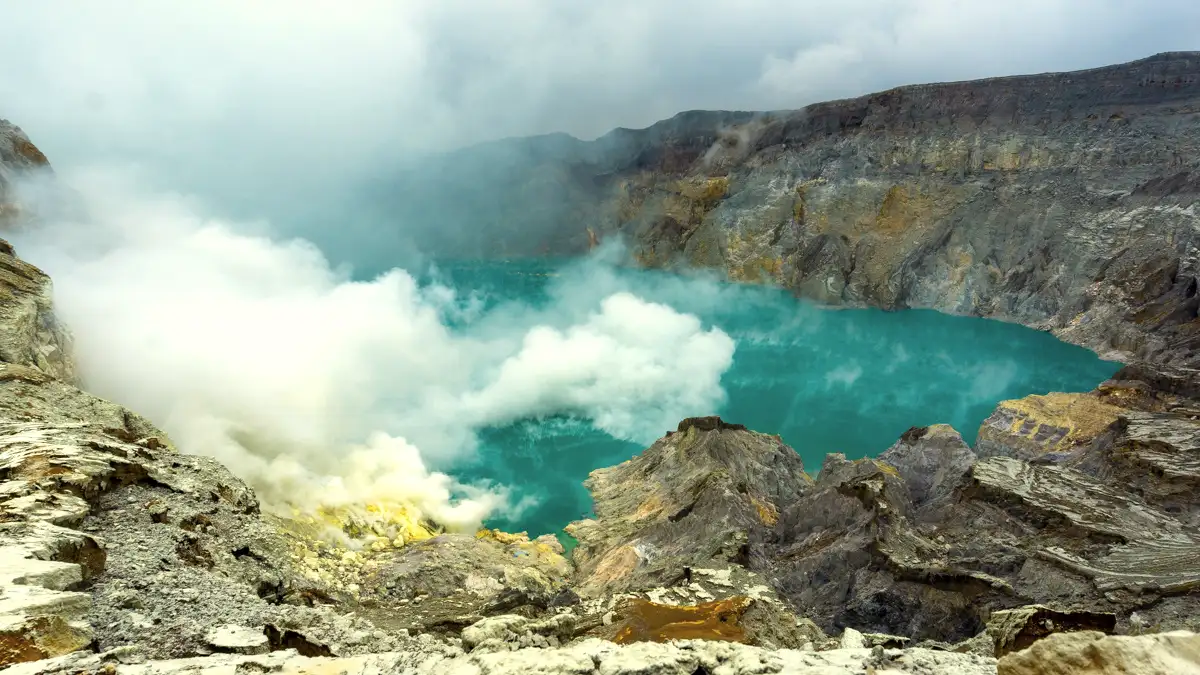
Standing on the jagged rim of a volcano at 3 AM, your lungs burning and eyes stinging from sulfuric gas, you might wonder why you left your warm bed. Then, the darkness breaks. A faint glow of electric blue dances along the crater floor, followed by the slow revelation of a turquoise lake so vibrant it looks painted onto the landscape. This is the Kawah Ijen experience—a raw, sensory-overload encounter with one of nature’s most extreme environments.
Planning this trek often feels like a logistical puzzle. You have to navigate midnight departures, erratic weather, and the physical toll of a steep climb. Many travelers struggle to find reliable information on safety or how to book your trip now to ensure a seamless transition from Bali or Surabaya to the volcanic heart of East Java. This guide breaks down everything you need to know about this toxic yet mesmerizing masterpiece.
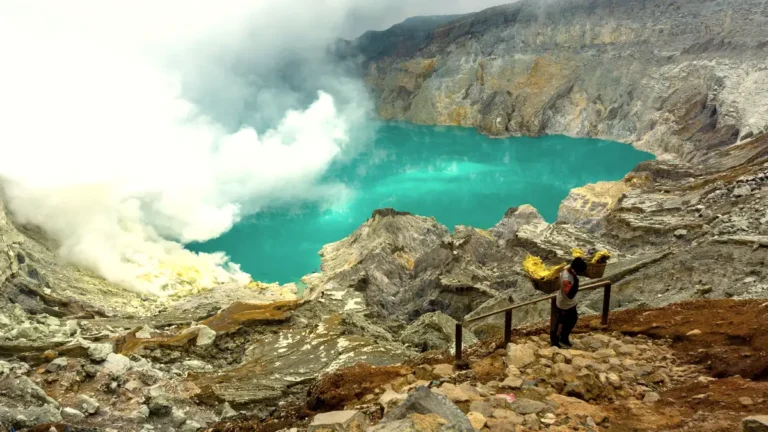
The Ijen Crater Lake is essentially the world’s largest highly acidic lake. It sits within a massive caldera system in East Java, Indonesia. It is not just a body of water; it is a living, breathing chemical laboratory. The Ijen Crater tour provides a front-row seat to this geological drama, where high-pressure volcanic gases interact with the atmosphere to create the famous “Blue Fire.”
What You Need to Know
- 📍 Location: Banyuwangi / Bondowoso border, East Java, Indonesia.
- 🌋 Type: Highly acidic crater lake (pH < 0.5) inside an active stratovolcano.
- 🔥 Main Attraction: The rare Blue Fire phenomenon and the turquoise sulfur lake.
- 🥾 Difficulty: Moderate to challenging; steep 3km hike to the rim.
- 🕒 Best Time: Midnight start for Blue Fire; 4 AM for the sunrise lake view.
- 😷 Essential Gear: Professional gas mask, warm layers, and sturdy hiking boots.
The Science: Why is the Water Turquoise?
The Ijen Crater Lake is a visual paradox. While it looks like a tropical paradise from a distance, the water is actually a potent cocktail of sulfuric and hydrochloric acids. This extreme acidity is caused by the interaction of groundwater with volcanic gases. According to the official geological records, the pH level here hovers around 0.5, which is roughly equivalent to car battery acid.
Metals dissolved in the water give the lake its signature turquoise hue. High concentrations of aluminum and iron are the primary artists behind this color. When sunlight hits these suspended particles, it scatters the light, creating that surreal “Gatorade blue” effect. Don’t let the beauty fool you; dipping a finger in this water would result in severe chemical burns.
Volcanic Gas and Heat
The heat at the bottom of the crater is intense. Active vents, known as fumaroles, constantly release high-pressure gases. These vents are also the source of the lake’s temperature, which can fluctuate based on the volcanic activity. The lake acts as a massive thermal regulator for the volcano’s plumbing system.
Every day, the lake breathes. Bubbles of gas rise from the depths, sometimes creating small ripples on the otherwise glassy surface. This constant chemical reaction is what makes Ijen one of the most unique geological sites on the planet. It is one of the few places where you can witness the raw power of the earth’s interior reacting directly with the surface environment.
The Blue Fire Phenomenon: Real vs. Hype
Most travelers arrive at the Paltuding basecamp at midnight specifically to see the Blue Fire. This isn’t actually “lava” as many Instagram captions suggest. Instead, it is the result of sulfuric gases emerging from the earth at temperatures up to 600 degrees Celsius. When these gases come into contact with the oxygen-rich air, they ignite, creating a blue flame that can reach five meters in height.
Seeing it requires a descent into the crater itself. The path is narrow, rocky, and often crowded. You’ll be walking against a flow of sulfur miners who are carrying 70kg to 90kg of rock on their shoulders. It is a chaotic, intense experience that demands your full attention. The wind can shift in seconds, sending a thick cloud of white smoke toward the trail, making visibility zero.
When to Skip the Descent
There are days when the gas is simply too thick. If the rangers or your guide suggest staying on the rim, listen to them. Your health is more important than a photo. Even from the rim, the view of the sunrise over the turquoise lake is often considered the highlight of the trip, outshining the flames themselves. The interplay of shadows and light as the sun hits the acidic water is breathtaking.
Patience is a requirement here. The flames are best seen in total darkness, typically between 2 AM and 4 AM. Once the sun begins to rise, the blue light is washed out by the natural morning glow. If you arrive too late, you’ll miss the show entirely. This is why a midnight departure from your hotel is non-negotiable for the full experience.
The Human Element: Meeting the Sulfur Miners
Perhaps the most humbling part of visiting Ijen is witnessing the sulfur mining operation. These men perform one of the toughest jobs on Earth. They climb into the crater multiple times a day, break off chunks of solidified sulfur from the vents, and carry them back up the steep slope in bamboo baskets. Their resilience is staggering, often working without professional-grade gas masks.
The sulfur they collect is used in various industries, including sugar refining and cosmetic production. While tourists are there for the views, for these men, the crater is an office. It is important to be respectful. Step aside to let them pass on the narrow trails. They always have the right of way. Many miners are happy to chat or pose for a photo, but a small tip or a simple “terima kasih” (thank you) goes a long way.
Experience the magic of East Java with our curated packages. Whether you want a dedicated Ijen Crater tour or want to see the sunrise at another icon on a Mount Bromo tour, we have you covered. For the ultimate adventure, combine them both in a Bromo Ijen tour or explore the wider region with an East Java tour.
The “Ijen Taxi”
If the climb feels too daunting, you’ll encounter local men offering “taxi” services. These are modified sulfur trolleys with seats. They will pull and push you up the mountain for a fee. It might look strange, but it provides vital income for the local community and helps travelers who aren’t physically prepared for the 3km uphill slog. It’s a unique part of the Ijen trolley taxi culture.
Watching these trolleys zip back down the mountain after sunrise is quite a sight. The drivers are incredibly skilled, navigating the sandy, narrow paths with ease. While most backpackers choose to hike, these trolleys make the crater accessible to families and older travelers who might otherwise miss out on this bucket-list location.
Planning Your Journey: Logistics and Timing
Most travelers approach Ijen from either Banyuwangi or Bondowoso. Banyuwangi is the more popular choice as it is closer to the ferry terminal from Bali. The journey from the city center to the Paltuding basecamp takes about 1 to 1.5 hours by Jeep or scooter. If you’re coming from Bali, you’ll likely need a midnight start to catch the ferry and reach the basecamp in time.
The current entrance fee for international visitors is roughly IDR 100,000 to IDR 150,000 depending on the day (weekends are more expensive). You also need a health certificate, which can be obtained at local clinics in Banyuwangi for a small fee. This regulation was introduced to ensure hikers are physically fit enough for the high altitude and sulfur exposure.
Weather and Clothing
Expect freezing temperatures before sunrise. It can drop to 5°C or lower at the rim. Wind chill is a real factor. Dress in layers: a moisture-wicking base layer, a warm fleece or down jacket, and a windbreaker. Once the sun comes up and you start hiking back down, you’ll likely want to strip down to a t-shirt as the tropical heat returns.
Gloves and a beanie are highly recommended. Your hands will get cold waiting for the sun to rise. Don’t forget proper hiking shoes with good grip; the trail is composed of loose volcanic sand and gravel, making it very slippery on the descent. If you’re staying in a hotel near Mount Ijen, they often have gear for rent if you didn’t pack for cold weather.
Safety and Essential Equipment
You cannot hike Ijen safely without a professional gas mask. A simple surgical mask or a scarf won’t stop the sulfur dioxide from irritating your lungs. The gas is heavy and can cause intense coughing fits or even fainting if you’re not prepared. Most tours include a mask rental, but you can also rent them at the basecamp for a few dollars.
Headlamps are essential for the night climb. Holding a flashlight in your hand while trying to balance on rocky terrain is not ideal. A headlamp keeps your hands free to grab onto rocks or balance yourself. Ensure your batteries are fully charged, or carry a spare set. The darkness on the trail is absolute, and there are no streetlights here.
Hydration and Energy
Bring at least 1.5 liters of water. The dry, dusty air and the physical exertion will dehydrate you faster than you realize. Pack some high-energy snacks like chocolate, nuts, or bananas. There are small warungs (local cafes) at the Paltuding basecamp where you can grab a hot ginger tea or fried bananas after the hike, but you won’t find food on the trail itself.
Avoid drinking the crater water at all costs. Some people try to touch it or even bottle it—don’t. The chemical composition is extremely dangerous. Stick to your bottled water and keep your mask on whenever the wind blows the white sulfur clouds in your direction. If you have asthma or heart conditions, consult a doctor before attempting this trek.
Why Trust This Guide
We aren’t just writers; we are local operators based in East Java who live and breathe these mountains. Our teams are on the ground every single day, talking to the rangers, checking the volcanic activity reports, and guiding travelers through the dark. We’ve seen Ijen in every possible condition—from crystal clear moonlit nights to heavy sulfur storms where we had to turn back for safety.
Our expertise comes from thousands of successful journeys and a deep respect for the volcano. We know which warung has the best coffee, which section of the trail is the slipperiest after rain, and exactly how to time the hike so you’re not stuck in the middle of a crowd. When we give advice, it’s based on real-time reality, not just what looks good on a travel brochure.
Continue Your Adventure
- Secure Your Guaranteed Departure – Lock in your professional guide and transport today.
- Ijen Crater 1-Day Tour from Banyuwangi – The most efficient way to see the lake if you’re already in East Java.
- Surabaya to Ijen 2D1N Package – A comfortable round-trip from the city with overnight accommodation.
- Ijen Tour from Ubud Bali – A challenging but rewarding midnight dash for those short on time.
- Ijen Day Trip from Seminyak – Direct transport and expert guidance from Bali’s southern coast.
Ready to Witness the Blue Fire?
Don’t leave your Indonesian bucket list to chance. Join our local experts for a safe, unforgettable journey to the world’s most incredible acidic lake.
Frequently Asked Questions (FAQ)
Q: Which viewpoint is the least crowded?
A: Most people gather at the sunrise point near the summit. If you walk about 15-20 minutes further along the rim toward the “Dead Forest” (Hutan Mati) area, the crowds thin out significantly and the perspective of the lake is much more dramatic.
Q: How bad is the sulfur dust?
A: It’s less about dust and more about the gas. When the wind shifts, a thick cloud of sulfur dioxide can envelop the trail. It smells like rotten eggs and is intensely suffocating without a mask. The trail itself is sandy, so your shoes will be covered in fine volcanic dust by the end.
Q: Can elderly travelers handle the hike?
A: The 3km uphill climb is steep and relentless. However, the local “trolley taxi” service allows elderly travelers or those with limited mobility to be pushed and pulled up the mountain. If they can handle the cold and the gas, the trolley makes it very accessible.
Q: Is it safe to go down into the crater?
A: It is generally safe if you have a professional gas mask and follow your guide’s instructions. However, the path is extremely rocky and steep. If the volcanic activity is high or the wind is blowing the gas directly onto the path, the rangers will close the descent. Never ignore their warnings.
Q: What happens if I forget my health certificate?
A: You likely won’t be allowed to buy a ticket. The basecamp checks these documents strictly. Fortunately, there are clinics in Banyuwangi that specialize in these quick check-ups. Most tour operators will arrange this stop for you on the way to the volcano.