
Mount Bromo Crater Walk: Difficulty & Distance Guide
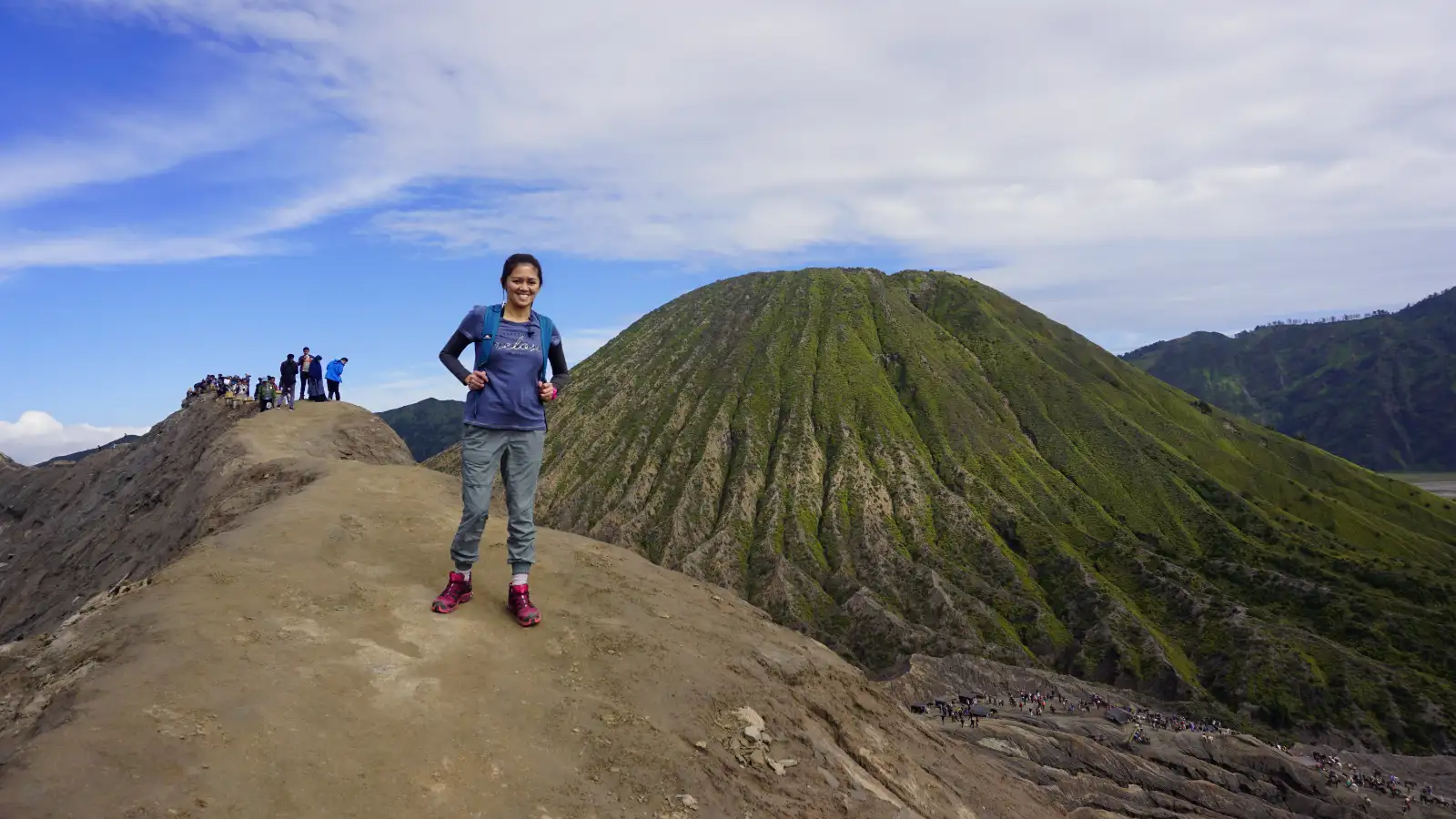
Standing on the edge of a roaring active volcano is a bucket-list dream.
But the logistics of reaching the summit often leave travelers confused and cold at 3 AM.
Most people struggle with the altitude and the thick volcanic ash during the ascent.
The journey across the caldera is physically demanding but incredibly rewarding.
You can simplify your logistics and focus on the views by choosing to secure your professional tour today.
Expert planning ensures you miss the worst of the crowds and the dust.
This guide breaks down every meter of the path.
We cover the physical requirements and the technical distance involved.
Refer to our comprehensive Mount Bromo tour guide for even more localized details.
What You Need to Know
Total Distance: Approximately 3 kilometers (round trip) from the Jeep parking area to the crater rim.
Difficulty Level: Moderate. The walk is mostly flat until the final steep staircase ascent.
Total Steps: 253 concrete steps lead directly to the smoking edge.
Essential Gear: A high-quality N95 dust mask is mandatory for the sulfur fumes and volcanic ash.
Insider Secret: Arrive at the crater after 8:30 AM to avoid the massive sunrise crowds who rush the rim simultaneously.
Why Trust This Guide
Our team lives and breathes the landscapes of East Java.
We escort thousands of travelers across the Tengger Caldera every single year.
This isn’t just data pulled from a brochure; it’s hard-earned local knowledge.
Conditions change rapidly on this active volcano.
Local rangers monitor seismic activity daily and may close the rim without notice.
We stay in constant contact with these authorities to keep our guests safe and informed.
Our guides know where the softest sand is and how to pace the climb.
Trusting a local operator means you get the unfiltered truth about the journey.
We prioritize your safety over social media photo ops.
The Sea of Sand: Terrain and Distance
The journey begins long before you see the first concrete step.
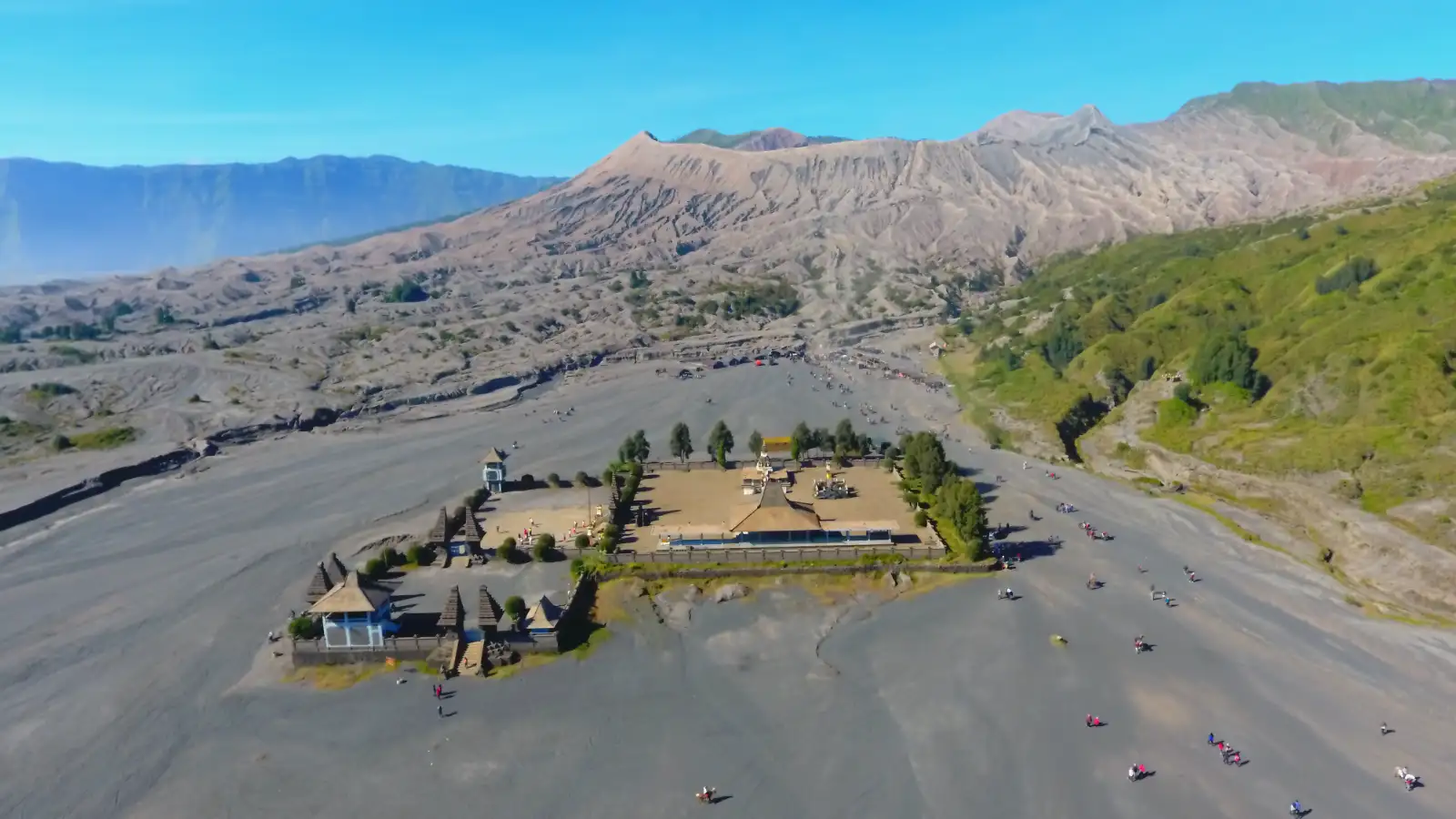
Jeeps drop you off in a vast, desolate area known as the Segara Wedi.
This “Sea of Sand” is a massive volcanic caldera filled with fine, grey ash.
Expect to walk about 1.5 kilometers just to reach the base of the volcano.
The terrain is deceivingly difficult because your feet sink into the loose sediment.
Every step forward feels like you are sliding back a few inches.
The Ash Factor
Wind is your primary enemy in the caldera.
Sudden gusts can whip up blinding clouds of volcanic dust.
Without goggles or sunglasses, your eyes will suffer within minutes of starting the walk.
Many travelers find the flat walk more tiring than the actual climb.
The lack of shade and the high altitude thin the air significantly.
Keep a steady pace and drink water frequently to combat the dry environment.
Caldera Landscapes
The scale of the Tengger massif is hard to grasp until you are in it.
Huge cliffs surround you on all sides like a prehistoric amphitheater.
Pura Luhur Poten, a sacred Hindu temple, sits silently in the middle of this grey desert.
Watching the temple emerge through the morning mist is a spiritual experience.
It serves as a reminder that this is a sacred site for the Tenggerese people.
Always show respect to the locals who live and worship in this extreme environment.
Walking vs. Horse Riding: The Big Debate
Local horsemen will approach you the moment you step out of your Jeep.
They offer rides across the Sea of Sand directly to the base of the stairs.
For some, this is a lifesaver; for others, it’s a moral or physical dilemma.
The cost usually ranges from 150,000 to 300,000 IDR for a return trip.
Prices are often higher during peak holiday seasons.
Negotiating is expected, but remember these porters work extremely hard in harsh conditions.
Pros and Cons of Riding
Riding a horse saves your energy for the 253-step climb at the end.
It also keeps your shoes relatively clean from the deep ash.
However, the ride can be bumpy and slightly nerve-wracking for inexperienced riders.
Walking allows you to soak in the atmosphere at your own pace.
You can stop for photos whenever the light hits the volcanic ridges perfectly.
Just be prepared for the physical toll of walking through “sand dunes” for thirty minutes.
The 253 Steps: Conquering the Vertical
Once you cross the sand, you face the final challenge.
A long, steep concrete staircase leads directly to the crater rim.
Depending on the season, these steps may be buried under several inches of ash.
Walking up these steps at 2,300 meters above sea level is tiring.
Your heart rate will spike, and your breath will shorten quickly.
It is perfectly normal to stop every 20 or 30 steps to catch your breath.
Navigating the Crowds
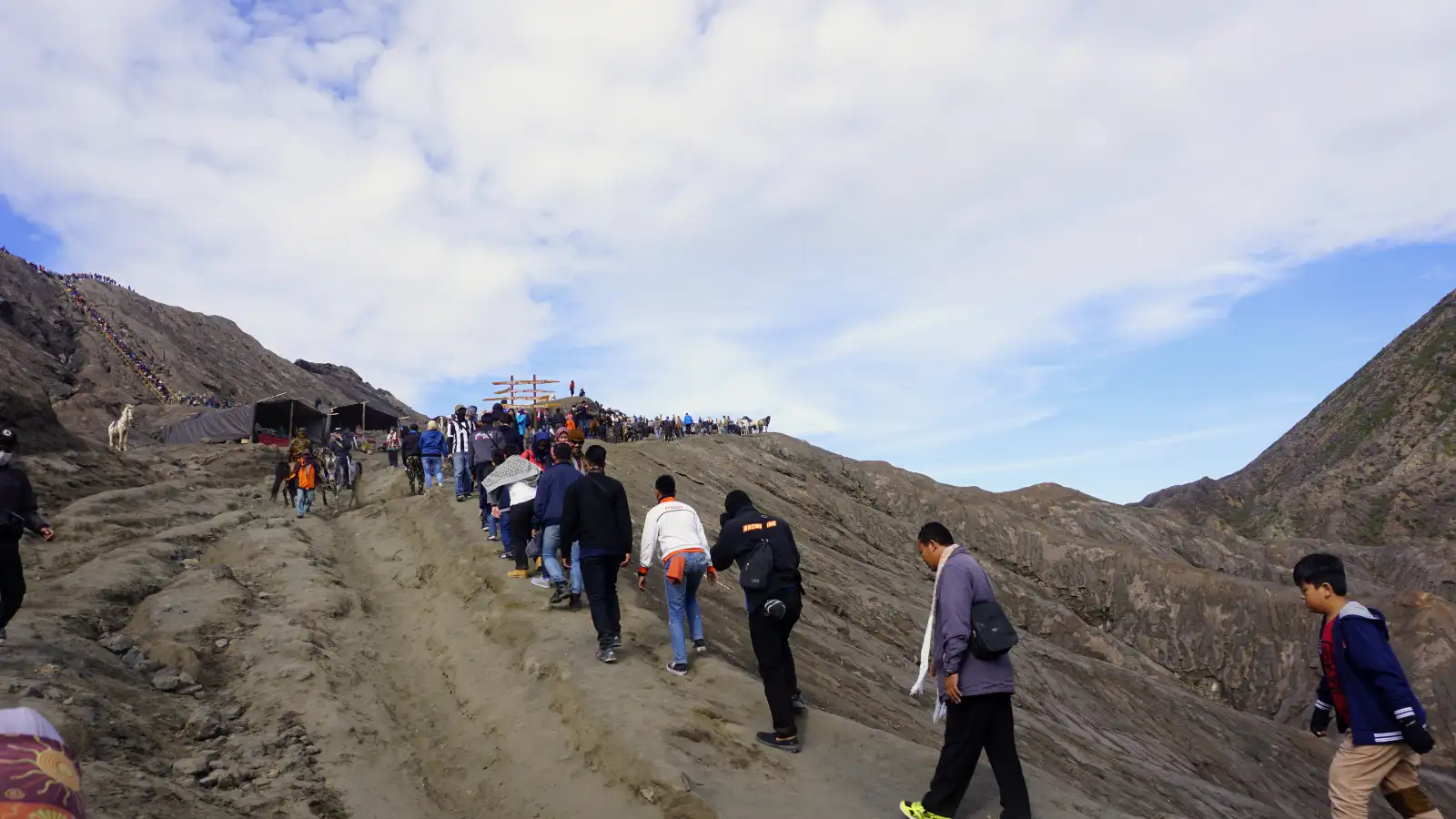
Traffic jams on the stairs are very common between 6:00 AM and 7:30 AM.
People are often pushing to get up while others are trying to come down.
The handrails are helpful, but they are often covered in grit and grime.
Try to stay to the right and be patient with slower climbers.
If you suffer from claustrophobia, the crowded staircase can feel overwhelming.
Starting your walk slightly later than the sunrise rush helps avoid this bottleneck.
The Impact of Wind and Rain
If it has rained recently, the steps become incredibly slippery.
The mixture of water and volcanic ash creates a mud-like sludge.
Footwear with aggressive grip is essential for staying upright in these conditions.
Heavy winds can also make the staircase feel exposed.
While there are concrete walls on either side, the gusts can be startling.
Keep your belongings secure and hold onto your hat firmly.
Surviving the Crater Rim: Safety and Gases
Reaching the top reveals a sight that few ever forget.
You are standing on a narrow ledge overlooking a massive, steaming pit.
The roar of the volcano sounds like a distant jet engine or a crashing ocean.
There is no safety fence around the vast majority of the rim.
Only a small section near the stairs has a concrete barrier.
One wrong step on the crumbly volcanic soil could be disastrous.
Dealing with Volcanic Gases
Mount Bromo is a very active volcano that constantly vents sulfur dioxide.
The direction of the white smoke can change in a heartbeat.
If the wind shifts and blows the gas toward you, it will sting your eyes and throat.
This is where your packing essentials for Indonesia’s volcanoes become critical.
A mask isn’t just for the dust; it’s to help you breathe when the sulfur gets thick.
If you feel dizzy or find it hard to breathe, descend immediately.
The Fear of Heights
The rim path is only about one to two meters wide in some places.
On one side is the drop into the active crater; on the other is a steep roll down the cone.
Travelers with vertigo may find this section extremely challenging.
You don’t have to walk the entire circumference of the rim.
Most people stay near the top of the stairs for photos and then head back.
Venturing further along the ridge offers better views but significantly higher risk.
Preparation: Gear and Physical Fitness
You don’t need to be an elite athlete to walk the Bromo crater.
However, having a basic level of cardio fitness will make the experience much better.
If you can climb five flights of stairs without stopping, you can handle Bromo.
Proper clothing is the difference between misery and a great time.
Temperatures at the basecamp can hover near freezing before sunrise.
Check our survival guide to Bromo’s temperatures for layering tips.
Choosing the Right Shoes
Leave your white sneakers at the hotel unless you want them ruined.
The volcanic ash is fine and will penetrate almost any fabric.
Hiking boots or sturdy trail running shoes with good traction are the best choice.
Some locals hike in flip-flops, but we strongly advise against this.
The loose sand and steep stairs require ankle support and grip.
Your feet will be covered in grey dust by the end of the day regardless of your choice.
The High Altitude Sun
Even though it feels cold, the sun at this altitude is incredibly strong.
The grey sand reflects UV rays directly back at your face.
Apply high-SPF sunscreen and wear a hat even if it’s cloudy.
Dehydration happens faster in the dry, volcanic air.
Carry at least one liter of water per person for the round trip.
Avoid drinking too much caffeine at the basecamp warungs before you start your hike.
A Shared Landscape
The landscape of East Java is part of a broader volcanic chain.
Much of this area is protected under UNESCO World Heritage frameworks for its unique geology.
Understanding the global significance of this park adds depth to your walk.
Listen for the sound of the “Gamelan” music often playing near the temple.
Local Tenggerese people often carry offerings of flowers and fruit to the rim.
Witnessing their devotion is just as moving as the volcanic landscape itself.
Continue Your Adventure
Mount Bromo is just the beginning of what East Java has to offer.
Many travelers combine this trek with other iconic destinations nearby.
Explore these popular routes to make the most of your journey:
- Mount Bromo Tour from Yogyakarta
- Mount Bromo Tour from Bali (2 Days)
- Mount Bromo Tour from Surabaya (2 Days)
- Mount Bromo Day Trip from Malang
- Mount Bromo Sunrise Tour from Surabaya
- Book Your Custom Java Adventure Now
Ready to Stand on the Edge?
Don’t let logistics ruin your sunrise. Let our local experts handle the Jeeps, permits, and timing while you enjoy the view.
Frequently Asked Questions
Q: Is the Mount Bromo crater walk safe for children?
A: Yes, children with a basic level of fitness can handle the walk. However, parents must keep a very tight grip on their hands at the rim, as there are no safety fences and the drop is extreme.
Q: How bad is the dust in the Sea of Sand?
A: It can be very intense. On windy days, the volcanic ash gets into your hair, eyes, and lungs. Wearing an N95 mask and goggles or sunglasses is highly recommended for everyone.
Q: Can elderly travelers handle the 253 steps?
A: It depends on their mobility. The steps are steep and can be slippery with ash. Many elderly visitors choose to take a horse across the sand to save energy and then take the stairs very slowly with frequent breaks.
Q: Which viewpoint is the least crowded for the sunrise?
A: King Kong Hill is the most popular and crowded. Mentigen Hill or Seruni Point are often slightly less packed, though still busy. For the crater walk itself, waiting until after 9 AM ensures the fewest crowds.
Q: Are there toilets available during the crater walk?
A: There are basic local toilets near the Jeep parking area in the Sea of Sand. However, once you start walking toward the volcano or climbing the steps, there are no facilities available until you return to the parking lot.
Planning to visit Ijen or Mount Bromo?
Explore available tour options and ask our local team about your itinerary.
Explore Tour Packages →