
Packing List for Both Mount Bromo and Ijen Crater: Must-Haves
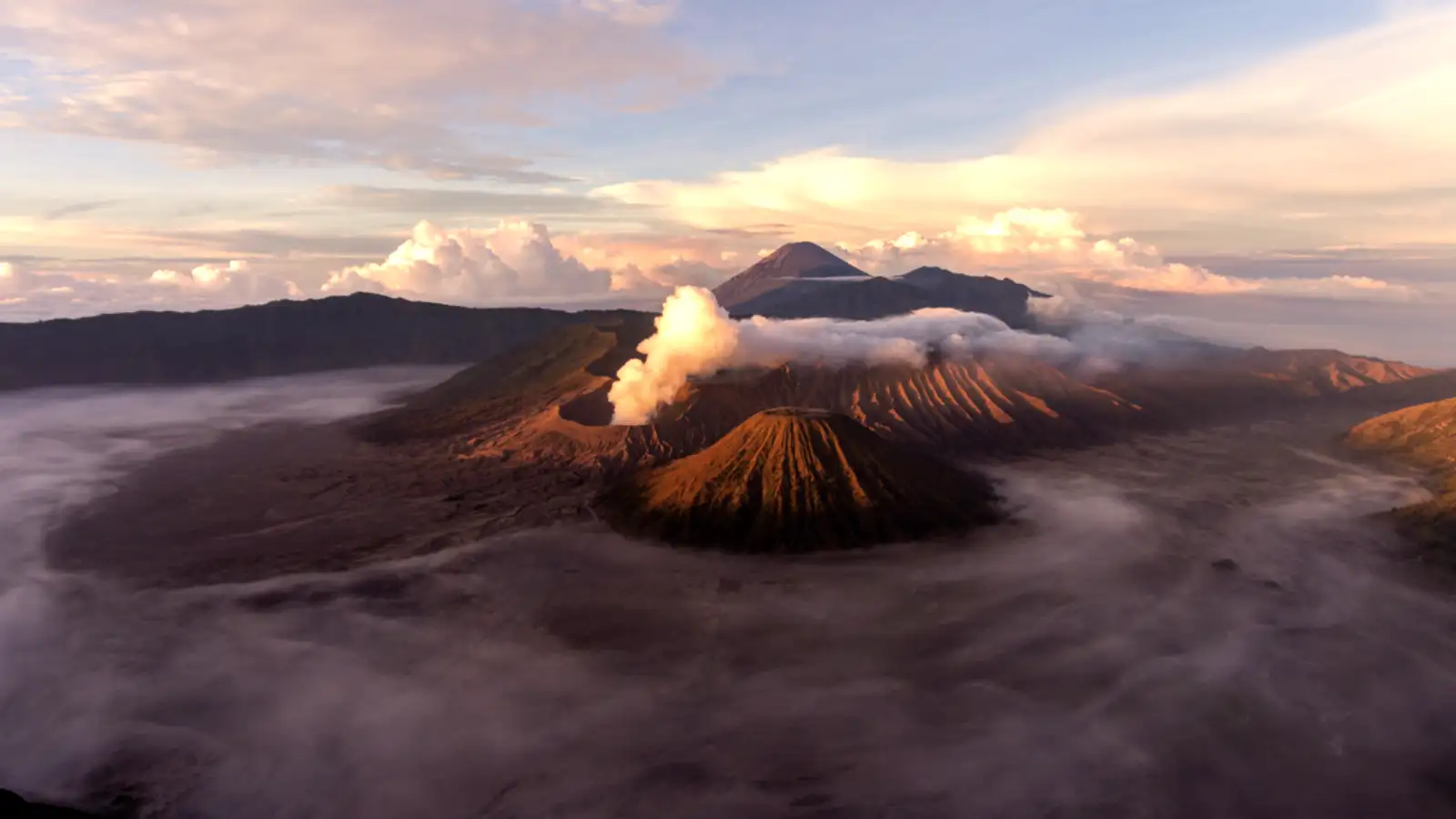
Standing at the edge of a volcanic caldera at 3 AM is a surreal experience. The wind howls across the Bromo sand sea while your breath hitches in the freezing mountain air. Most travelers arrive in East Java completely unprepared for the extreme temperature shifts and harsh volcanic environments.
Planning a Bromo Ijen tour requires more than just a camera and a sense of wonder. You are moving between two vastly different landscapes that demand specific technical gear and smart layering strategies. Failure to pack correctly means shivering through the sunrise or choking on sulfurous fumes.
This guide breaks down every essential item you need to survive and thrive on these active volcanoes. We have helped thousands of travelers navigate these trails, from luxury seekers to rugged backpackers. Ready to lock in your adventure? You should secure your booking now to ensure a seamless trek through the Java Ring of Fire.
What You Need to Know
The terrain shifts from soft, ankle-deep volcanic ash to steep, slippery rocky inclines. Your packing list for both Mount Bromo and Ijen Crater must prioritize thermal layering, high-traction footwear, and respiratory protection.
Don’t forget that batteries drain twice as fast in the cold, and the sulfur at Ijen can tarnish silver jewelry instantly. Pack light but pack smart.
Why Trust This Guide
We live and breathe these mountains every single day. Our team coordinates daily departures, meaning we see exactly what gear fails and what keeps travelers comfortable. We have watched hikers struggle in flip-flops and witnessed the relief of those who brought a simple headlamp.
Experience on the ground is the only way to understand the micro-climates of East Java. The weather apps often lie about the summit temperatures. We provide real-world insights based on thousands of sunrise treks and crater descents.
Our expertise comes from seeing the volcanoes in all conditions, from torrential tropical rains to bone-dry dust storms. This isn’t just a list; it is a blueprint for safety and comfort. We know the Ijen Crater logistics inside and out.
The Three-Layer System for Java Weather
The biggest mistake travelers make is wearing one heavy coat. When you start the hike, you will be freezing. After twenty minutes of uphill climbing, you will be drenched in sweat.
Sweat is your enemy in the mountains. Once you stop moving at the viewpoint, that moisture cools down rapidly. This can lead to mild hypothermia or just extreme discomfort while waiting for the sun.
Moisture-Wicking Base Layers
Avoid cotton at all costs. Cotton traps moisture and stays wet. Opt for synthetic materials or merino wool that pull sweat away from your skin.
A long-sleeve thermal top is ideal. It provides warmth without being bulky. You can easily roll up the sleeves as the morning sun begins to heat the caldera.
Insulating Mid-Layers
The mid-layer’s job is to trap body heat. A lightweight fleece or a “puffer” down jacket is perfect for this. These items are highly compressible, making them easy to stuff into your daypack later.
Boutique travelers often prefer high-end down jackets. Backpackers usually stick to rugged fleece. Both work, provided they allow for full range of motion during the steep sections of the trail.
Windproof and Waterproof Shell
The wind at Mount Bromo can be incredibly sharp. A dedicated windbreaker or a waterproof hardshell is necessary. It acts as a barrier against the “sand blast” effect in the Sea of Sand.
Check the zippers and hoods before you pack. A good hood is a lifesaver when the volcanic dust starts swirling. If you are lucky, you won’t need the waterproof aspect, but East Java weather changes fast.
Footwear: Traction and Sand Protection
Your shoes are the most critical piece of gear for a Mount Bromo tour. The terrain is deceptive. You will walk on flat asphalt, deep volcanic ash, and jagged rocky paths.
Slipping is common, especially on the descent from Ijen. The dust makes the rocks feel like they are covered in ball bearings. You need shoes with deep “lugs” or aggressive tread patterns.
Hiking Boots vs. Trail Runners
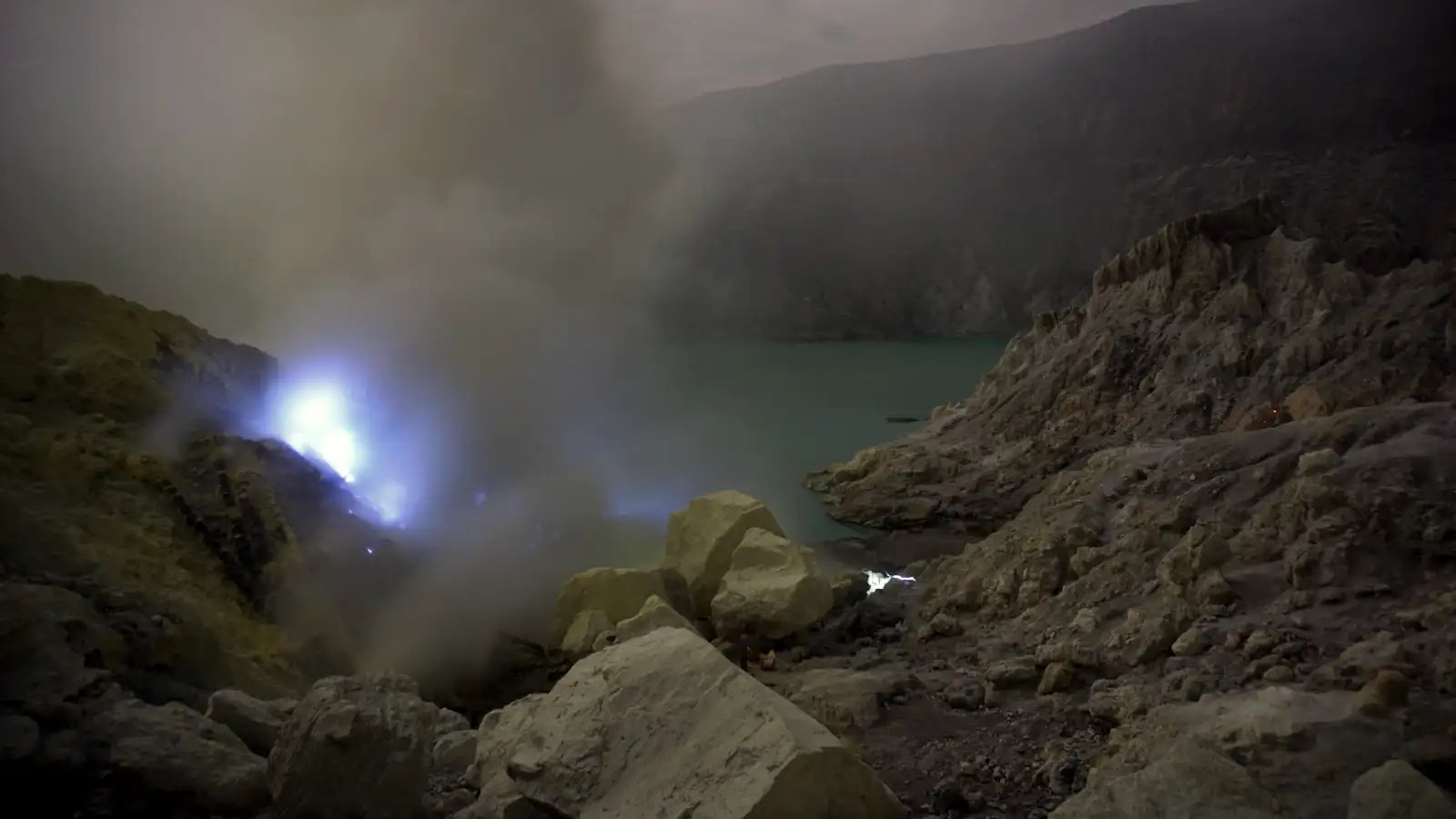
Ankle support is a major plus at Ijen. The path down to the blue flames is steep and uneven. If you are prone to rolling your ankles, bring mid-cut hiking boots.
Trail runners are a great alternative for those who prefer lightweight gear. They dry faster if they get wet. Just ensure they have high-quality Vibram or Megagrip soles for the slippery volcanic dust.
Technical Hiking Socks
Thin “no-show” socks will result in blisters within an hour. Wear thick, cushioned hiking socks. They provide a buffer against the friction of your shoes and the fine volcanic sand.
Sand *will* get into your shoes at Bromo. High-cut socks help keep some of it out. Some professional photographers even use trail gaiters to seal their shoes completely from the ash.
Ijen-Specific Safety Equipment
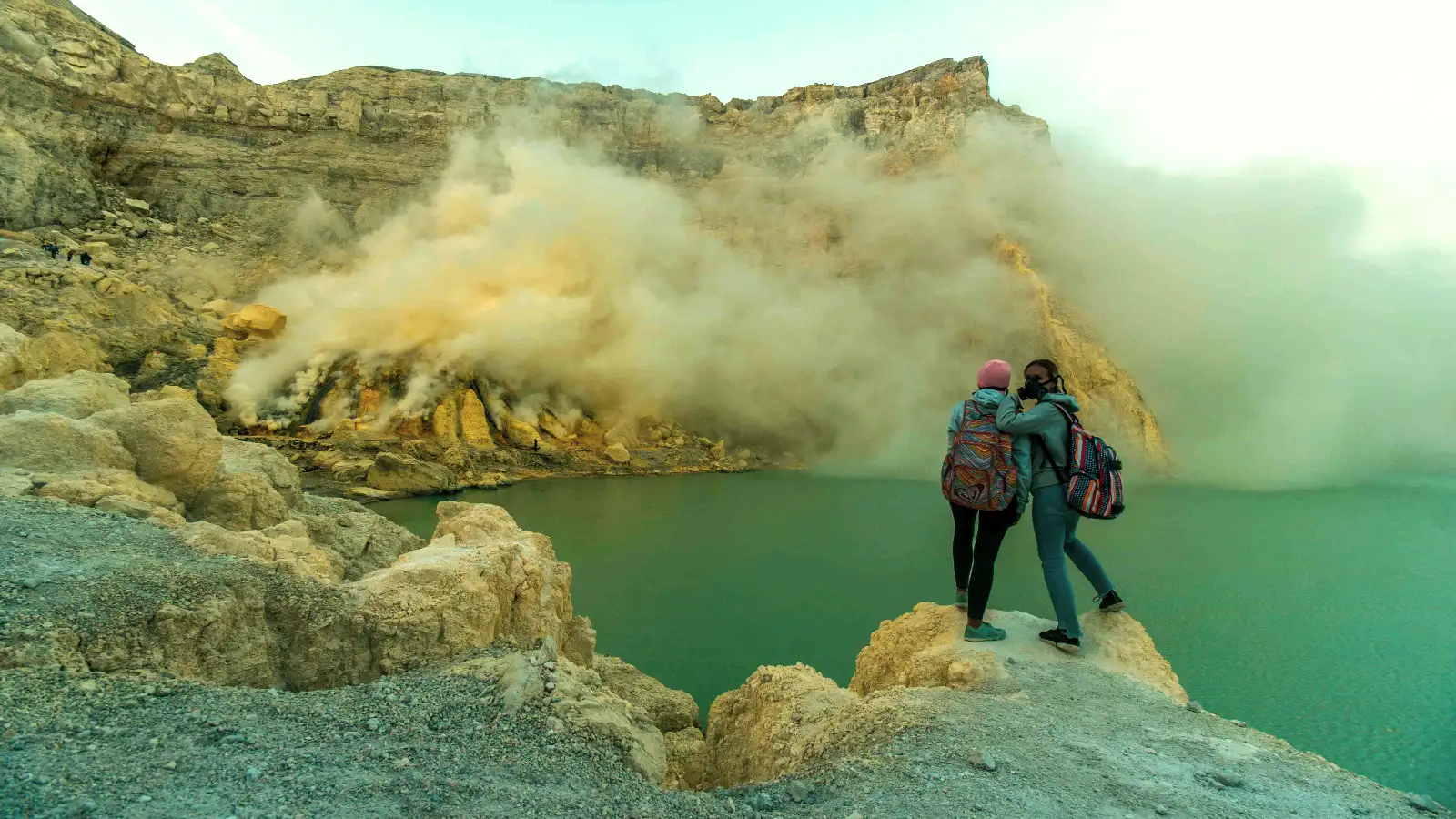
Ijen is not a standard mountain hike. It is an active sulfur mine. The volcanic activity produces thick clouds of sulfur dioxide gas.
This gas is heavier than air and settles in the crater. It is caustic and can cause immediate respiratory distress. Proper protection is not optional; it is a survival requirement for the descent.
Industrial Strength Gas Masks
Forget the surgical masks or simple buffs. You need a respirator with chemical cartridges (specifically for acid gases). While many tours provide these, luxury travelers often prefer to bring their own for hygiene reasons.
Ensure the mask creates a tight seal around your face. Beards can often prevent a proper seal, allowing gas to leak in. If the wind shifts, you will be glad you have a high-quality filter.
Eye Protection: Goggles over Sunglasses
Sulfur gas reacts with moisture. This includes the moisture in your eyes. It creates a stinging sensation that can make it nearly impossible to see the trail.
Close-fitting goggles (like ski goggles) are the best defense. Sunglasses help with the glare once the sun is up, but they don’t stop the gas from reaching your eyes. If you wear contact lenses, consider switching to glasses for the Ijen hike.
Planning your journey through East Java is easier when you have the right local support. We offer comprehensive Ijen crater tour options and classic Mount Bromo tour packages. For the ultimate experience, many travelers choose our signature Bromo Ijen tour to see both icons in one trip. Explore the best of the East Java tour circuit with our expert guides who ensure your safety and comfort every step of the way.
Electronics and Photography Gear
Capturing the dawn over the Tengger massif is a bucket-list moment. However, the conditions are hostile to electronics. Dust, cold, and sulfur gas are a triple threat to your gear.
You need to be intentional about what you carry. Every extra pound feels heavier at 2,000 meters above sea level. Pack only what you will actually use in the dark.
Reliable Light Sources
A headlamp is 100% mandatory. Your phone flashlight is not enough. You need both hands free to navigate the rocky sections of Ijen or to steady yourself on the Bromo crater rim.
Choose a headlamp with at least 200 lumens. Ensure it has a “red light” mode to preserve your night vision and avoid blinding other hikers. Always carry a spare set of batteries in a warm pocket.
Power Management in the Cold
Lithium-ion batteries lose capacity rapidly in near-freezing temperatures. Your phone might go from 40% to dead in minutes. Keep your phone and spare camera batteries close to your body heat.
An external power bank is essential. Keep it inside a woolen sock or a thermal pouch inside your backpack. This ensures you have enough juice to navigate and take photos until the sun is high.
Camera Protection
Volcanic ash is basically pulverized glass. It is incredibly abrasive. Never change lenses while standing in the Sea of Sand or on the rim of Ijen.
A simple dry bag or even a plastic Ziploc can protect your camera during the dusty parts of the trek. If you are using a high-end DSLR, a UV filter is a cheap way to protect your expensive glass from flying grit.
Hygiene and First Aid Must-Haves
The amenities on the mountains are basic at best. You will likely be using “squat” toilets at the basecamps. Hand sanitizer and your own supply of tissues are non-negotiable.
Small injuries are common on the trail. Scraped knees from a slip or a blister from new boots can ruin your day. A compact first-aid kit can keep you moving.
Sun and Wind Protection
Even though it feels cold, the tropical sun at altitude is fierce. You will get burnt before you even realize the temperature has risen. Apply high-SPF sunscreen to your face and neck.
Lip balm with SPF is also crucial. The combination of dry volcanic air and biting wind will chap your lips instantly. Keep it in an accessible pocket for frequent reapplication.
Hydration and Snacks
Altitude and cold air mask how much you are sweating. Dehydration often leads to altitude sickness symptoms like headaches. Carry at least 1.5 liters of water per person.
Pack high-energy snacks like nuts, chocolate, or energy bars. Your body burns through calories much faster when it is trying to keep you warm. Avoid heavy meals right before the midnight hike.
Continue Your Adventure
The journey doesn’t have to end at the crater rim. East Java is packed with hidden waterfalls and cultural landmarks that most tourists miss. If you want to maximize your time, consider a 3-day adventure including Tumpak Sewu. Our team can help you customize your route, whether you are starting a Mount Bromo tour from Surabaya or crossing over from Bali. The best way to ensure everything goes smoothly is to talk to our local experts today about your specific travel dates and preferences.
Frequently Asked Questions (FAQ)
Q: Which viewpoint at Bromo is the least crowded?
A: King Kong Hill and Penanjakan 1 are the most famous but also the most crowded. For a quieter experience, try Seruni Point or Bukit Cinta. They offer slightly different angles but far fewer people jostling for a photo spot.
Q: How bad is the dust at Mount Bromo really?
A: It can be severe, especially during the dry season. The “Sea of Sand” is fine volcanic ash that gets into everything. If you have contact lenses or asthma, you must wear a buff or mask and goggles when the wind picks up.
Q: Can elderly travelers handle the stairs at Bromo?
A: The climb to the Bromo crater rim involves about 250 concrete steps. It is steep but manageable with breaks. For those who cannot walk it, local horse rides can take you to the bottom of the stairs, but the stairs themselves must be climbed on foot.
Q: Are there bathrooms on the trails?
A: Facilities are extremely limited. There are basic toilets at the Paltuding basecamp (Ijen) and near the jeep parking areas at Bromo. Once you start the actual hike, there are no toilets. Always carry your own tissue and hand sanitizer.
Q: What is the average temperature at 3 AM?
A: Temperatures typically hover between 0°C and 5°C (32°F – 41°F). However, the wind chill factor can make it feel much colder. By 10 AM, the temperature usually jumps to 20°C or higher, which is why layering is so critical.
Planning to visit Ijen or Mount Bromo?
Explore available tour options and ask our local team about your itinerary.
Explore Tour Packages →