The Dead Tree Viewpoint: Navigating Ijen’s Photo Spots
Midnight in East Java hits differently than anywhere else. The air feels like a physical weight on your chest as you start the climb. Your headlamp cuts through a thick, swirling volcanic mist that smells faintly of matches.
Most travelers arrive with dreams of ethereal blue flames. They soon realize the real magic happens as the sun breaks the horizon. Finding the perfect spot to capture this can feel overwhelming in the dark. Booking a professional tour ensures you don’t miss the iconic skeletal silhouettes of the crater rim.
Our Ijen Crater tour guide highlights why the Dead Tree Viewpoint is the ultimate prize. It is the place where nature’s destruction meets cinematic beauty. You just need to know how to navigate the crowds.
What You Need to Know
Location: East Java, Indonesia (Near Banyuwangi).
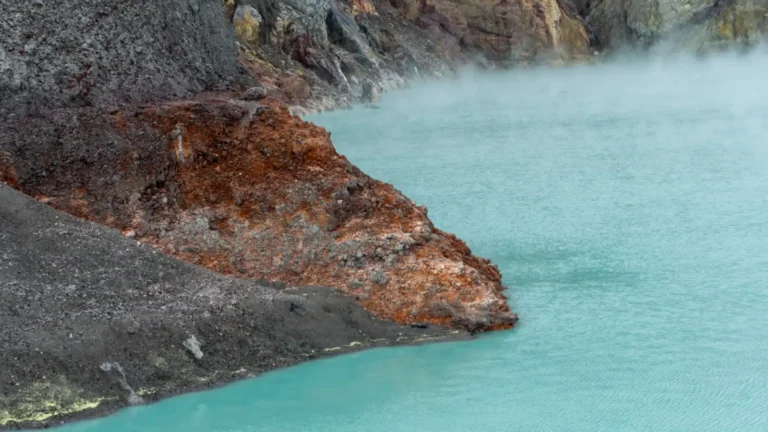
Main Attraction: Scorched trees overlooking a turquoise acidic lake.
Best Time: 05:30 AM to 07:00 AM for the softest light.
Difficulty: Moderate to steep hike; gas masks are mandatory.
Crowd Level: High during weekends and sunrise hours.
Why Trust This Guide
We live and breathe the volcanic landscapes of East Java. Our team spends more time on the crater rim than in our own living rooms. We’ve seen the “Dead Tree” through every possible weather condition imaginable.
Rangers and local guides are our primary sources of daily information. We know when the gas is too thick for a safe photo session. This guide isn’t based on a one-time trip; it’s built on years of operational experience.
Volcanic activity can close trails without any warning. We track these shifts in real-time to keep travelers safe and informed. You’re getting the ground-level truth, not a polished Instagram caption.
The Allure of Hutan Mati: The Dead Forest
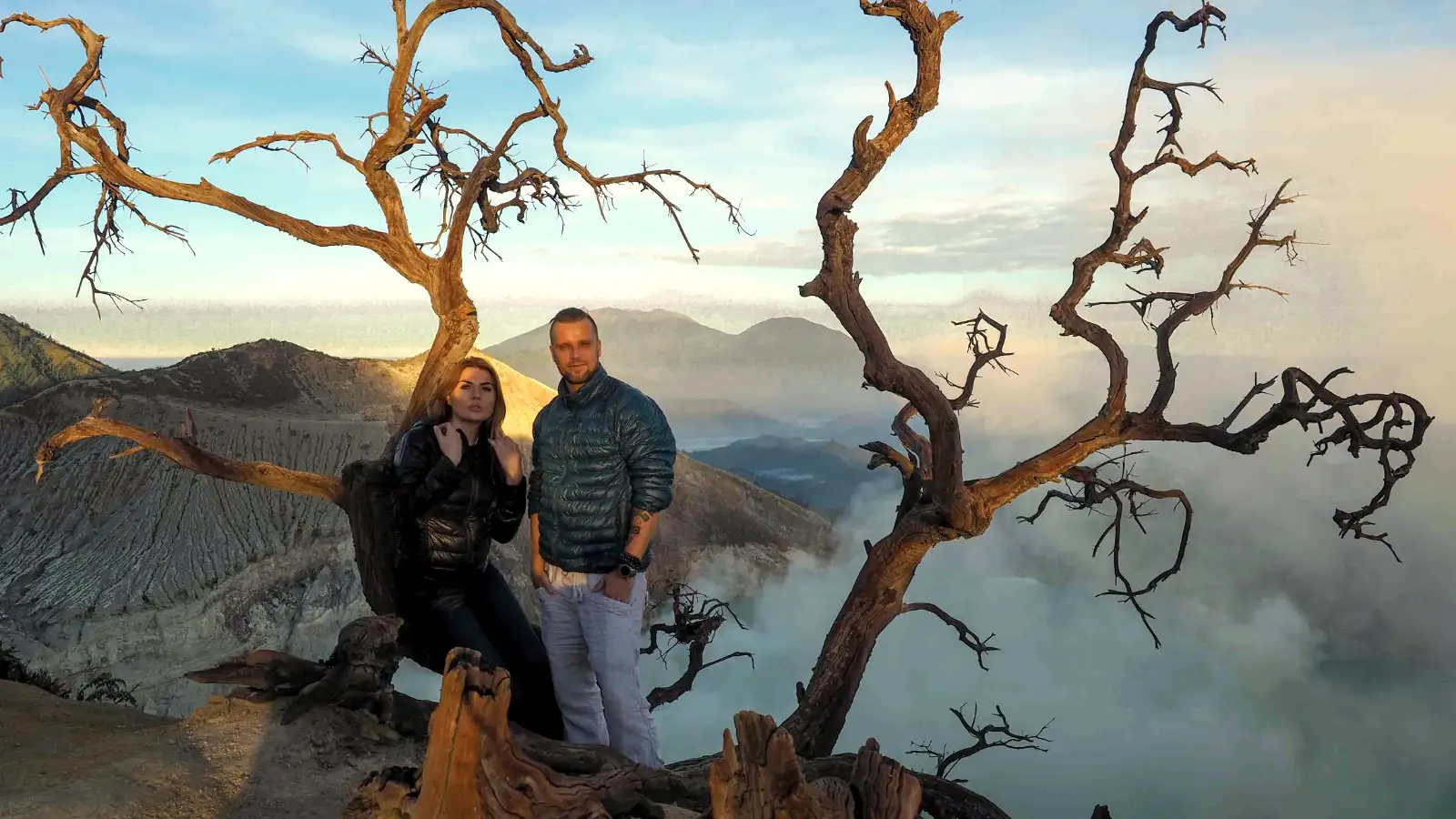
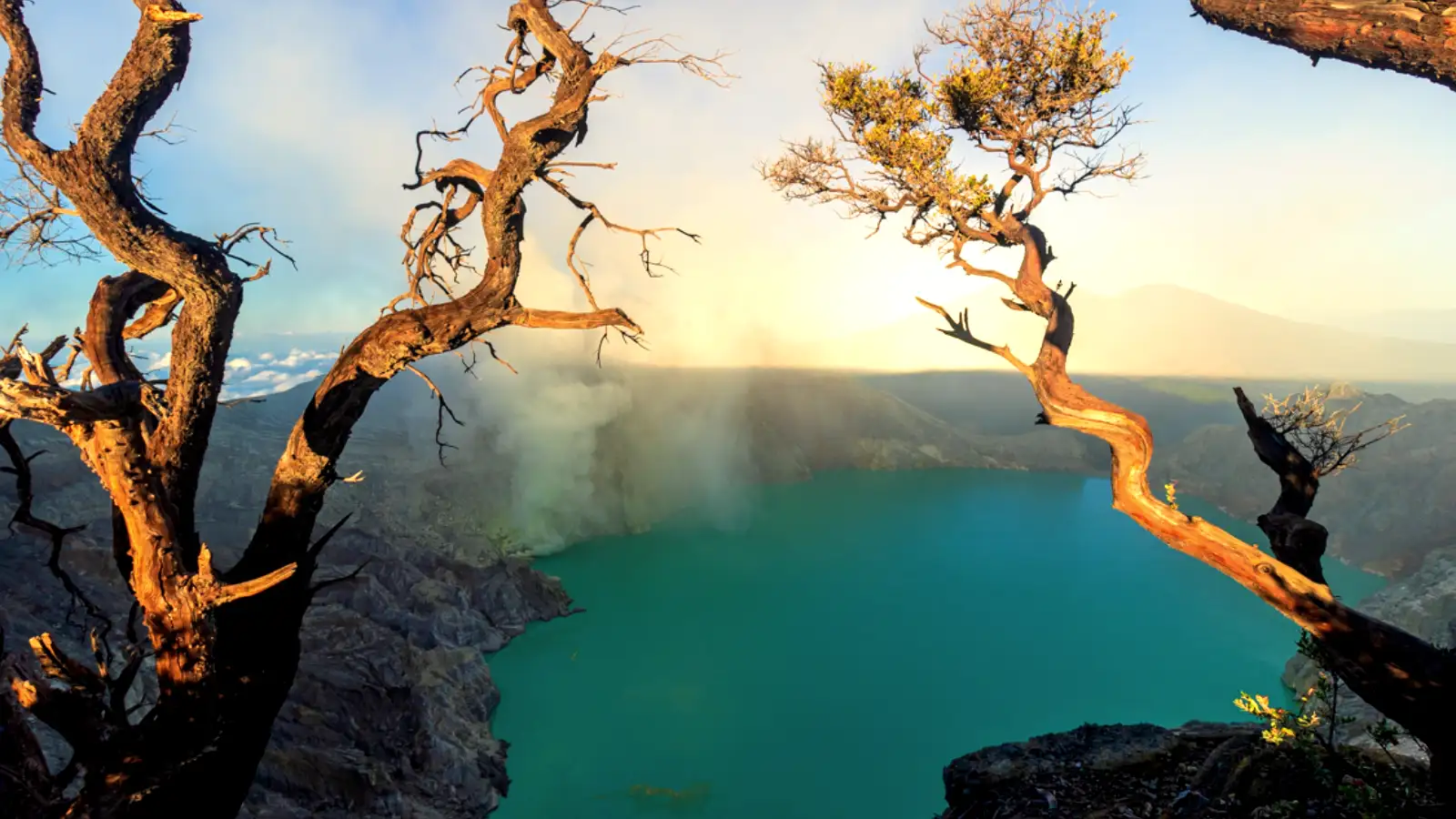
The “Dead Tree” isn’t just one single plant. It is part of a larger area often called Hutan Mati, or the Dead Forest. These trees were scorched during past eruptions and preserved by the acidic environment.
Skeletal branches reach toward the sky like jagged lightning bolts. Against the backdrop of the turquoise acidic lake, the contrast is haunting. It looks like a scene from another planet entirely.
Photographers love this spot because it provides a natural frame. The dark, charred wood makes the bright blues of the water pop. It adds a layer of drama that a simple landscape shot lacks.
The Story Behind the Scorch
Ijen is one of the most active volcanic systems in Indonesia. Frequent gas emissions and occasional heat spikes have killed off the vegetation near the rim. These trees remain standing as silent witnesses to the earth’s raw power.
Walking through this area feels like traversing a graveyard of giants. The ground is often covered in fine grey ash that crunches under your boots. It’s a stark reminder that you are standing on a living, breathing volcano.
Luxury travelers and backpackers alike find common ground here. The sheer scale of the destruction is humbling for everyone. You cannot help but feel small standing next to these ancient, burnt husks.
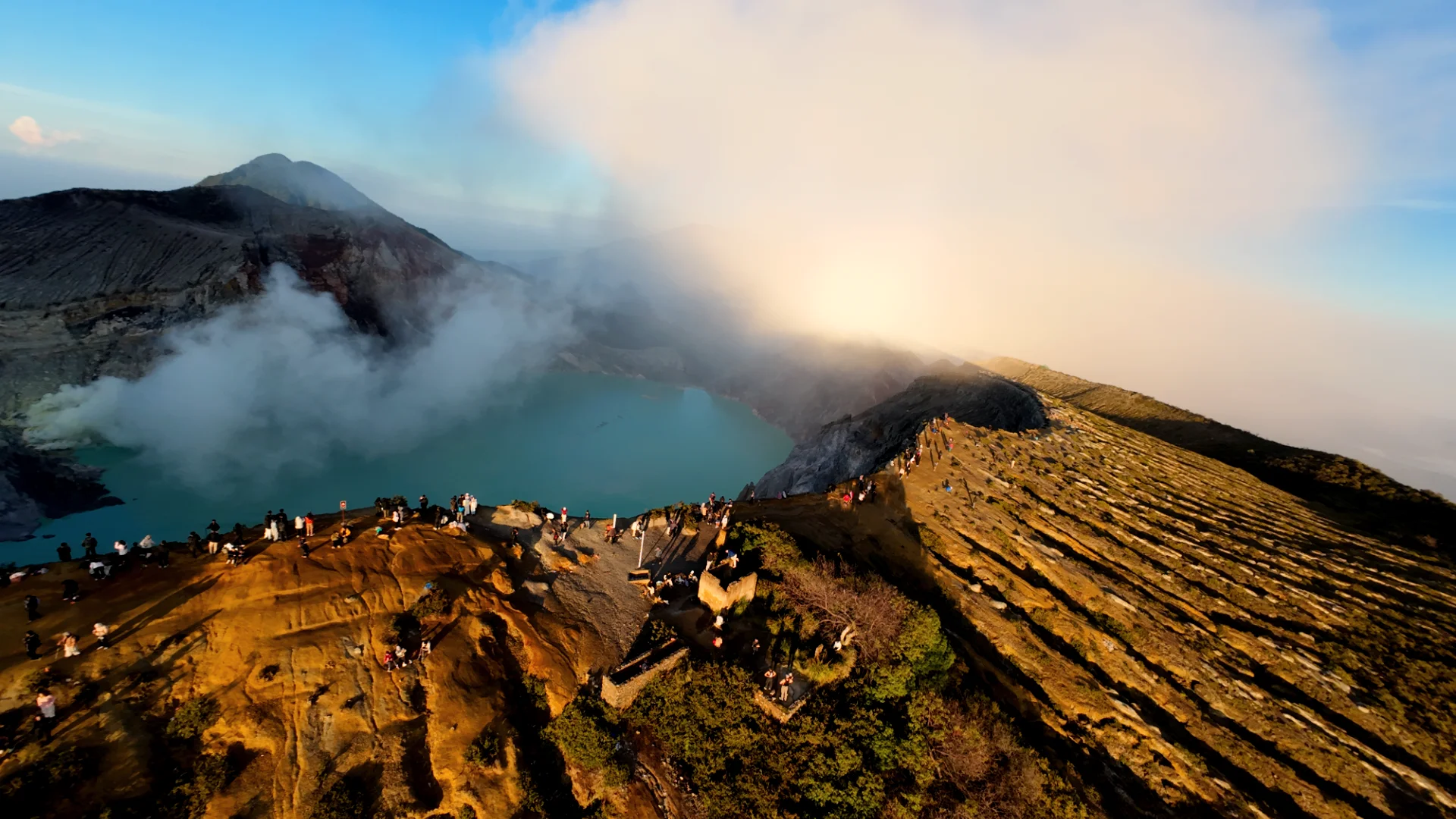
Finding the Specific Dead Tree Viewpoint
Navigating the rim in the dark is tricky for first-timers. Most people stop at the first clearing they find after the steep climb. However, the best trees are located further along the rim to the right.
Follow the main path past the initial sunrise point. The trail narrows and becomes more rugged as you move away from the crowds. Look for the silhouettes of gnarled branches emerging from the mist.
The most famous “Dead Tree” leans out over the crater itself. It has been photographed thousands of times, yet it never loses its impact. Reaching it requires careful footing and a bit of patience.
Beating the Morning Rush
By 5 AM, the main viewpoints become incredibly crowded. People scramble for the best positions, often bumping into tripods. If you want a clean shot, you must arrive earlier than the masses.
Don’t just follow the person in front of you. Many hikers get stuck in a “conga line” that moves very slowly. Taking a Banyuwangi day trip with an expert guide helps you bypass the traffic.
Experience matters when the sulfur gas shifts direction suddenly. A local guide knows exactly which side of the rim will stay clear. They can steer you to secondary “dead trees” that are just as beautiful but far less busy.
Planning your journey through Java requires more than just a map. Whether you are looking for a comprehensive Ijen crater tour or want to witness the majestic peaks on a Mount Bromo tour, we have you covered. Most travelers find that a combined Bromo Ijen tour provides the best value and experience. Explore the depth of Indonesian culture and nature with our full East Java tour packages today.
Photography Tips for Ijen Crater
Shooting at the Dead Tree Viewpoint requires more than just a good camera. You are dealing with low light, high contrast, and flying volcanic ash. Your gear needs protection as much as you do.
Keep your lens cap on until you are ready to click. The fine dust from the crater can easily scratch delicate glass coatings. Use a clear filter if you have one to add a layer of defense.
Golden hour here is fleeting. As the sun rises over the Bali Sea, the light hits the crater walls and turns them a vibrant orange. You have about twenty minutes of peak light before it becomes too harsh.
Mastering the Exposure
The bright lake and dark trees will confuse your camera’s light meter. If you expose for the water, the trees will be pure black silhouettes. If you expose for the trees, the lake will look like a white blob.
Shoot in RAW format to give yourself the most flexibility in post-processing. This allows you to pull details out of the shadows without losing the highlights. A tripod is helpful but can be difficult to set up in crowded spots.
Try using a wide-angle lens to capture the scale of the crater. Alternatively, a long lens can compress the distance between the trees and the turquoise water. Both styles offer a unique perspective on this volcanic landscape.
Managing the Sulfur Mist
Sometimes the gas clouds are your best friend. They add a layer of atmosphere and depth to your photos. However, they can also completely obscure your view within seconds.
Wait for the wind to shift. Patience is the most valuable tool in a photographer’s kit at Ijen. The clouds are constantly moving, revealing and hiding the lake in a rhythmic dance.
Wipe your lens frequently with a clean microfiber cloth. Sulfur particles are slightly sticky and can leave a haze on your images. Be quick, be careful, and stay aware of your surroundings.
Safety, Gas, and Crater Etiquette
Safety is not a suggestion at Ijen; it is a survival requirement. The sulfur gas is highly corrosive and can cause immediate respiratory distress. Never remove your mask when the wind blows the smoke toward the rim.
Listen to the local rangers. They monitor the gas levels constantly and will close sections of the rim if conditions deteriorate. Their word is final, even if it ruins your perfect photo plan.
Respect the local sulfur miners who work these trails daily. They carry up to 90kg of rock on their shoulders. Always give them the right of way and never block their path with your photography gear.
Physical Preparedness
The hike to the rim is about 3 kilometers of uphill climbing. It isn’t a walk in the park, especially at 2 AM. Wear sturdy hiking boots with good grip to handle the loose volcanic sand.
Temperatures can drop significantly before sunrise. Layer your clothing so you can strip down as you heat up during the climb. A windbreaker is essential once you reach the exposed rim where the wind howls.
Hydration is key. Even in the cold, you will sweat during the ascent. Bring enough water to last the entire morning, as there are no shops once you leave the basecamp.
The Reality of the Hike
Social media often makes the Dead Tree look isolated and quiet. The reality is much louder and more frantic. You will be sharing the trail with hundreds of other eager travelers.
Expect to wait in line for the most famous trees. Use this time to scout other angles or chat with fellow adventurers. Maintaining a positive attitude makes the experience much better for everyone involved.
Don’t forget to put the camera down for a few minutes. Seeing the sun rise over the world’s largest acidic lake is a soul-stirring experience. No photo can ever fully capture the feeling of that cold volcanic wind on your face.
Ready for the Ultimate Photo Journey?
Don’t leave your Ijen experience to chance. Our local experts know the best secret spots and the perfect timing to beat the crowds.
Continue Your Adventure
Exploring the Dead Tree Viewpoint is just the beginning of what East Java has to offer. Many travelers choose to extend their journey by combining Ijen with Mount Bromo for a multi-day volcanic experience. If you are starting from the capital of East Java, consider an organized tour from Surabaya to save time and energy. For those seeking the ultimate waterfall experience alongside their hike, the Tumpak Sewu combo tour is an unbeatable choice. No matter which path you take, booking your trip now ensures you get the best local guides and seamless logistics.
Frequently Asked Questions
A: The further you walk along the rim toward the south side, the thinner the crowds become. Most tourists stay near the initial sunrise point, so an extra 15-minute walk makes a massive difference.
Q: How bad is the dust for my camera gear?
A: It is very abrasive and slightly acidic. You must keep your gear in a sealed bag when not in use and avoid changing lenses on the rim to prevent dust from hitting the sensor.
Q: Can elderly travelers handle the hike to the Dead Tree?
A: It is challenging due to the steep incline and gas. However, local “trolley” services can transport travelers up the mountain for a fee if the physical exertion is too much.
Q: Is the sulfur gas dangerous for my lungs?
A: Yes, if you breathe it in directly without a mask. High-quality respirators are a must, and you should always follow your guide’s instructions on when to move away from gas clouds.
Q: Do I need a permit for professional photography or drones?
A: Standard photography is fine, but drone use often requires a specific permit and payment to the National Park office. Always check with your guide about current drone regulations as they change often.