East Java Volcano Tours – Ijen & Bromo Specialist
4 April 2026 5x Ijen Crater Travel Guide
Ijen Crater Temperature Guide: How Cold Does It Get? (2026)
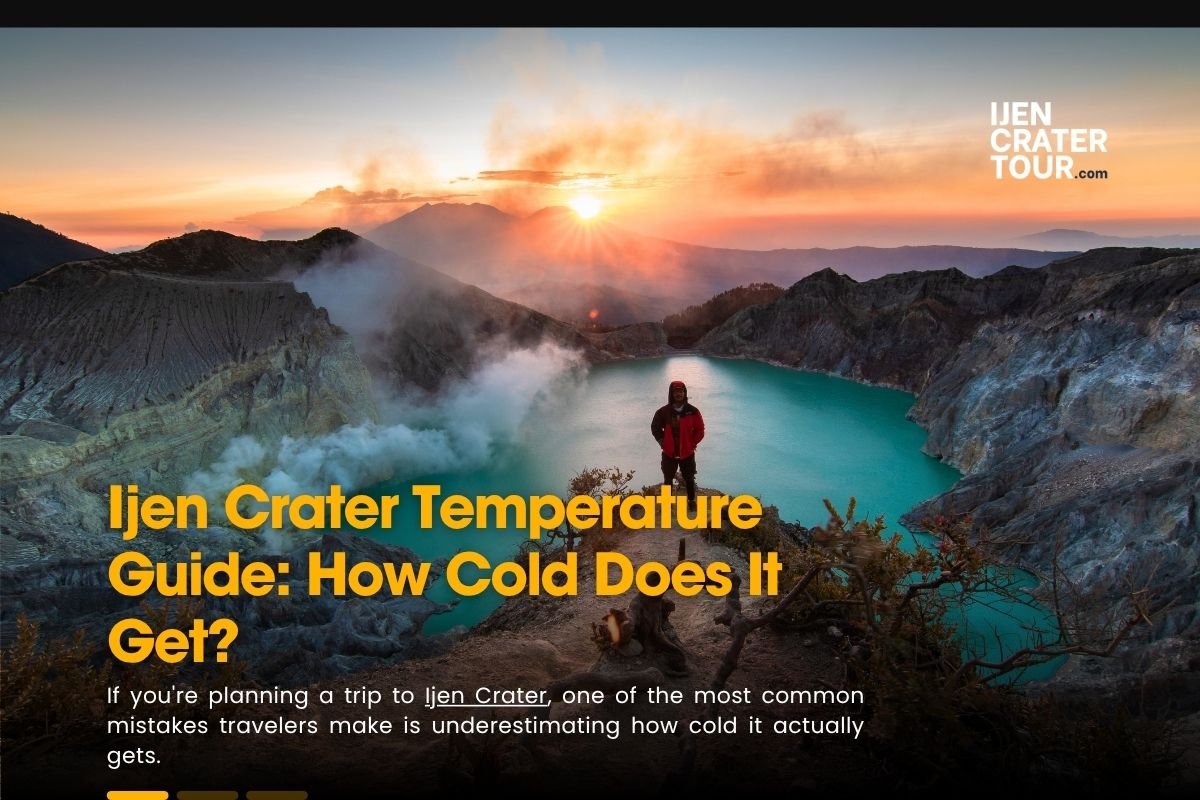
Don’t Underestimate the Cold at Ijen Crater
If you’re planning a trip to Ijen Crater, one of the most common mistakes travelers make is underestimating how cold it actually gets.
Indonesia is widely known for its tropical climate — warm, humid, and sunny. But Ijen Crater offers a completely different experience. Located at approximately 2,386 meters above sea level, the temperature drops significantly, especially during the early morning hike to witness the famous blue fire phenomenon.
Many first-time visitors arrive unprepared:
- Wearing light clothing
- Skipping proper layering
- Not anticipating strong mountain winds
As a result, what should be an unforgettable experience turns into an uncomfortable and exhausting trek.
From our experience guiding international travelers across East Java, understanding the ijen crater temperature is one of the most important factors for a successful trip. Weather conditions at high-altitude volcanoes can change quickly — and preparation makes all the difference.
If you’re still in the early planning stage, it’s worth exploring a complete overview of the trekking experience, including routes, timing, and conditions in this Ijen Crater tour guide
For a broader look at travel options across East Java, including combination trips and routes, you can also explore the main travel hub here: 👉 Ijencratertour.com
If you’re unsure how to prepare for the cold conditions at Ijen, you can always get quick guidance before your trip.
📲 WhatsApp: +62 851-8531-9904
Table of Contents
To help you navigate this guide easily and find exactly what you need, here’s a complete breakdown of everything we’ll cover about ijen crater temperature and how it affects your trip:
- Quick Answer: How Cold Does Ijen Crater Get?
- Temperature Breakdown (Night vs Day at Ijen)
- Real Night Hiking Experience at Ijen Crater
- Understanding Ijen Weather Conditions
- Why Ijen Feels Colder Than Expected
- What to Wear for Ijen Cold Weather
- Practical Preparation for Your Ijen Trip
- Tips to Stay Warm During the Hike
- Comparison: Ijen vs Other Volcanoes in Indonesia
- Best Time to Visit Ijen Crater
- Ijen Trip Planning (Packages & Routes)
- Frequently Asked Questions
- Conclusion & Final Tips
- Book Your Ijen Experience
If you’re specifically preparing for the hike and want a structured overview of routes, timing, and logistics, you can refer to this complete Ijen Crater tour page
For travelers combining multiple destinations like Bromo and Ijen in one itinerary, this guide can help you visualize the full journey: 👉 Bromo Ijen Tour
Quick Answer: How Cold Does Ijen Crater Get?
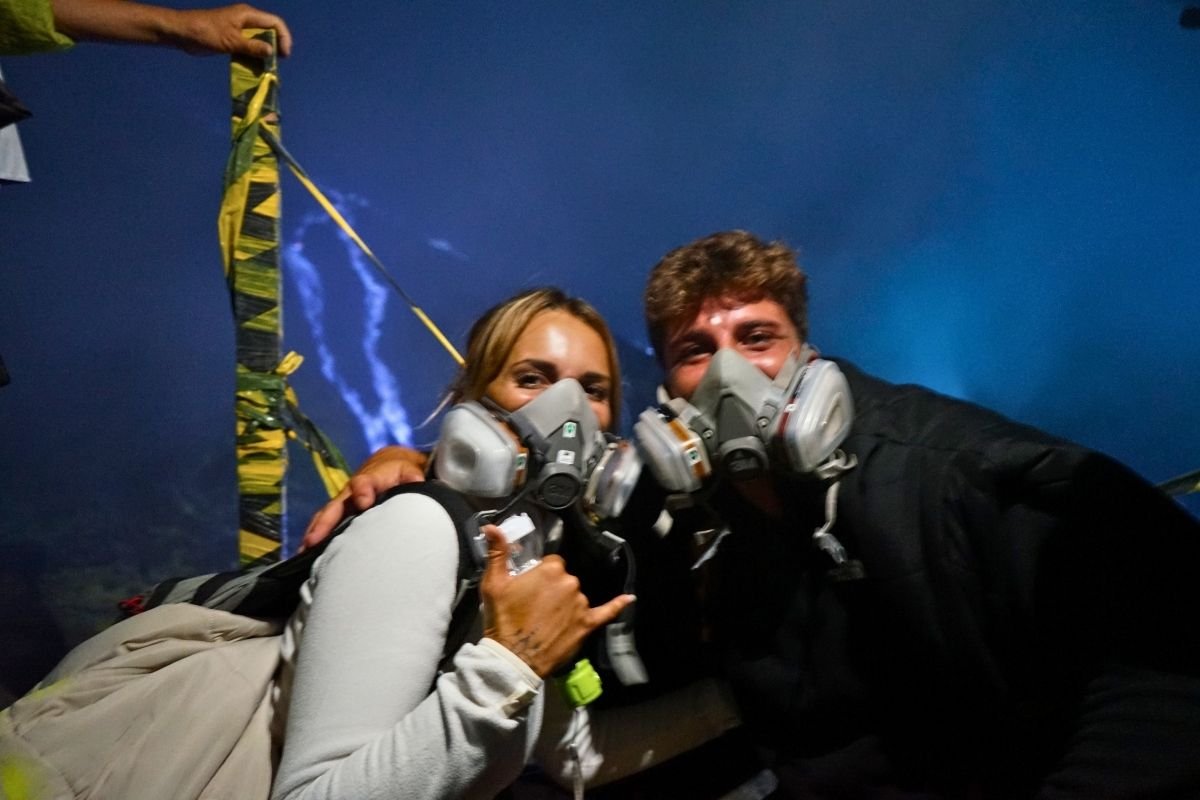
The ijen crater temperature typically ranges between 5°C to 10°C (41°F to 50°F) during the night hike, and 10°C to 20°C (50°F to 68°F) after sunrise. However, due to strong mountain winds and high elevation, the real feel temperature can drop to near freezing (0–5°C) — especially before sunrise.
In short: Yes, Ijen Crater can feel very cold — much colder than most travelers expect in Indonesia.
Key Temperature Facts (At a Glance)
- 🌡️ Night temperature: 5°C – 10°C
- ❄️ Feels like: 0°C – 5°C (wind chill effect)
- 🌅 Coldest time: around 3:00 – 5:00 AM
- ☀️ Daytime temperature: 10°C – 20°C
- 🏔️ Elevation: 2,386 meters above sea level
Why It Feels Colder Than the Actual Temperature
Even if the numbers don’t look extreme, several factors make the cold more intense:
- Wind exposure along the crater ridge
- Dry volcanic air, which reduces body heat retention
- Physical fatigue from hiking, making your body more sensitive
- Night trekking conditions with no sunlight for warmth
This is why many travelers underestimate how cold is Ijen, especially during the blue fire hike.
If you’re planning to experience the blue fire and sunrise, understanding timing and conditions is essential. You can see how the full itinerary works here: 👉 Ijen Blue Fire Tour 2 Day 1 Night From Banyuwangi
For a shorter option with similar conditions, this route is also popular among travelers: 👉 Ijen Crater Tour From Banyuwangi 1 Day
Not sure if you’re prepared for these temperatures?
Our team can help you plan the right timing and gear.
📲 Chat on WhatsApp: +62 851-8531-9904
Temperature Breakdown: Night vs Day at Ijen Crater
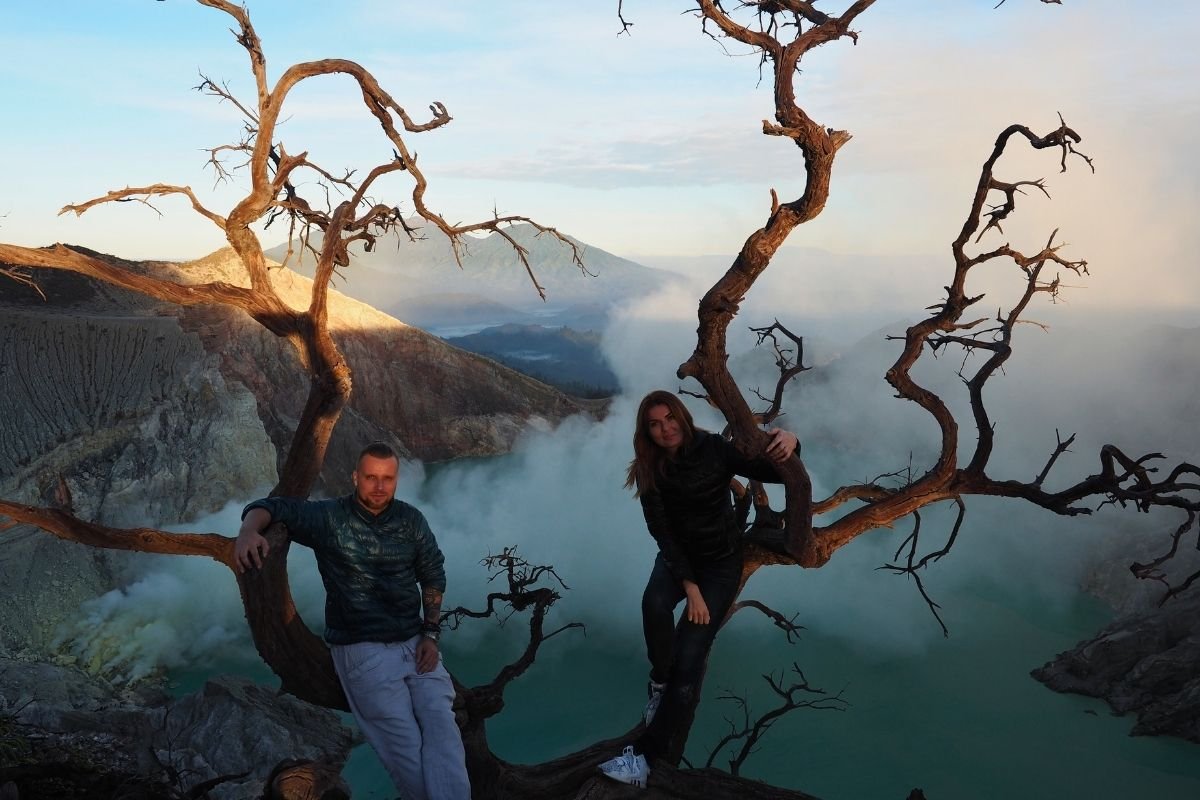
Understanding the difference between ijen night temperature and daytime conditions is essential for planning a safe and comfortable hike. While both can feel cool, the contrast between night and day at Ijen Crater is significant — and often underestimated.
Night Temperature at Ijen Crater (Midnight – Sunrise)
The most critical phase of your trip is the night hike, when temperatures are at their lowest.
- 🌡️ Average temperature: 5°C – 10°C
- ❄️ Feels like: 0°C – 5°C (due to wind chill)
- 🕒 Coldest window: 03:00 – 05:00 AM
- 🌬️ Conditions: Strong winds, dry air, limited visibility
At this stage, your body is exposed to a combination of cold air, physical exertion, and high-altitude conditions. This is also when most travelers hike down into the crater to witness the blue fire — making proper preparation essential.
For a complete breakdown of how the night trek works, including timing and safety flow, you can explore this detailed experience here:
👉 Ijen Blue Fire Tour From Banyuwangi 2 Day
Day Temperature at Ijen Crater (Sunrise – Late Morning)
After sunrise, temperatures gradually rise, but the environment remains relatively cool due to elevation.
- 🌡️ Average temperature: 10°C – 20°C
- ☀️ Warmer after sunrise, but still fresh
- 🏔️ Cooler near the crater rim due to wind exposure
This is the most enjoyable phase for many visitors — clear visibility, golden sunrise views, and more comfortable hiking conditions.
If you prefer experiencing Ijen without extreme cold exposure, choosing a well-timed itinerary can make a big difference. You can review different route options and durations here:
👉 Explore Ijen Crater in 1 Day and 2 Day
Key Insight — Why This Difference Matters
The temperature gap between night and day directly affects:
- What you should wear
- How you prepare physically
- The overall comfort of your experience
Travelers who only prepare for daytime conditions often struggle during the night hike — which is actually the most important part of the journey.
For those combining Ijen with other destinations like Bromo (which has even colder sunrise conditions), planning becomes even more crucial:
👉 Explore 2 active Volcano in East Java
Ijen Weather Conditions Explained
To fully understand the ijen weather temperature, you need to look beyond simple numbers. Weather at Ijen Crater is shaped by a combination of altitude, seasonal patterns, and volcanic terrain — creating a microclimate that feels very different from typical tropical destinations in Indonesia.
Altitude and Mountain Climate Effect
At 2,386 meters above sea level, Ijen sits in a highland environment where temperatures naturally drop as elevation increases.
Key impact:
- 🌡️ Temperature decreases with altitude (approx. 6.5°C per 1,000 meters)
- 🌬️ Air becomes thinner and colder
- 🏔️ Heat retention is lower compared to lowland areas
This is why even during the dry season, ijen crater weather conditions remain cool — especially at night.
Dry Season vs Rainy Season
Ijen has two main seasonal patterns that directly affect your hiking experience:
☀️ Dry Season (April – October)
- Clear skies, stable weather
- Colder nights due to low humidity
- Best visibility for blue fire and sunrise
🌧️ Rainy Season (November – March)
- Higher humidity, slightly warmer nights
- Slippery trails and reduced visibility
- Increased risk of sudden weather changes
If you’re planning your trip around weather comfort and visibility, choosing the right season is crucial. You can explore flexible itineraries and timing options here:
👉 Ijen Crater tour Package, 1 Day and 2 Day
Wind and Exposure at the Crater
One of the most underestimated factors is wind exposure.
- 🌬️ Open crater landscape = no natural wind barrier
- ❄️ Wind chill can reduce perceived temperature by several degrees
- 🌋 Strong gusts are common near the crater rim
This is the main reason why many travelers feel that how cold is Ijen is much more intense than expected.
For travelers combining Ijen with other highland destinations like Bromo — where wind exposure is even stronger — proper planning becomes even more important:
👉 Bromo Ijen Experience 3 Day
Volcanic Environment and Air Conditions
Unlike typical mountains, Ijen is an active volcanic area, which adds another layer to its weather conditions:
- Sulfur gases can affect breathing and comfort
- Dry air enhances the cold sensation
- Temperature can vary quickly depending on location (rim vs crater floor)
For a more complete multi-destination experience across East Java’s volcanic landscapes, you can explore broader travel routes here: 👉 East Java Tour Package
Key Insight: Weather = Experience Quality
At Ijen, weather is not just background information — it directly shapes:
- Your comfort level
- Your safety during the hike
- The visibility of key attractions (blue fire & sunrise)
Understanding these conditions is the foundation of a successful trip.
Why Ijen Feels Colder Than Expected
Many travelers check the forecast, see 5–10°C, and assume it’s manageable. But once they arrive at Ijen Crater, the reality feels much colder.
So why does the ijen crater temperature feel harsher than the actual numbers?
Wind Chill Effect (The Biggest Factor)
Temperature alone doesn’t tell the full story — wind chill plays a major role.
- 🌬️ Strong winds at the crater rim reduce body heat rapidly
- ❄️ A measured 8°C can feel like 2–4°C
- 🏔️ Open terrain means no natural protection
This is why many travelers underestimate how cold is Ijen, especially during the early morning summit.
Physical Fatigue Reduces Body Heat
During the hike, your body is constantly adjusting:
- Energy is used for climbing
- Sweat cools your body quickly in cold air
- Short breaks can make you feel colder instantly
As fatigue increases, your body becomes less efficient at maintaining warmth — making the ijen night temperature feel even more intense.
Dry Volcanic Air Accelerates Heat Loss
Unlike humid tropical areas, Ijen’s environment is relatively dry:
- Dry air pulls heat away from your body faster
- Sweat evaporates quickly → increasing cooling effect
- Combined with wind, it amplifies cold exposure
This is a key reason why ijen crater weather conditions feel different from typical mountain climates in Indonesia.
Night Hiking Without Sunlight
Most of the Ijen experience happens at night — which significantly impacts temperature perception:
- 🌌 No solar warmth
- 🌡️ Temperature drops continuously until sunrise
- 🕒 Coldest period: before dawn (3–5 AM)
If you’re planning your hike specifically for the blue fire experience, understanding this timing is critical. You can see how the schedule is structured in this itinerary:
👉 Ijen Blue Fire Tour From Banyuwangi 2 Day
Psychological Factor (Often Ignored)
Cold perception is not only physical — it’s also mental:
- Darkness increases discomfort
- Unfamiliar terrain adds stress
- Wind + sulfur smell creates a more intense environment
All of these combine to make the temperature feel colder than it actually is.
Key Insight: It’s Not Just Temperature — It’s the Environment
At Ijen, cold is amplified by a combination of:
- Wind
- Altitude
- Fatigue
- Dry air
- Night conditions
That’s why preparation is not optional — it’s essential.
If you’re planning a smoother and more comfortable experience with proper pacing and support, exploring a guided trekking option can make a significant difference:
👉 Ijen Blue Fire Tour From Banyuwangi 2 Day Experience
What to Wear for Ijen Cold Weather (Complete Practical Guide)
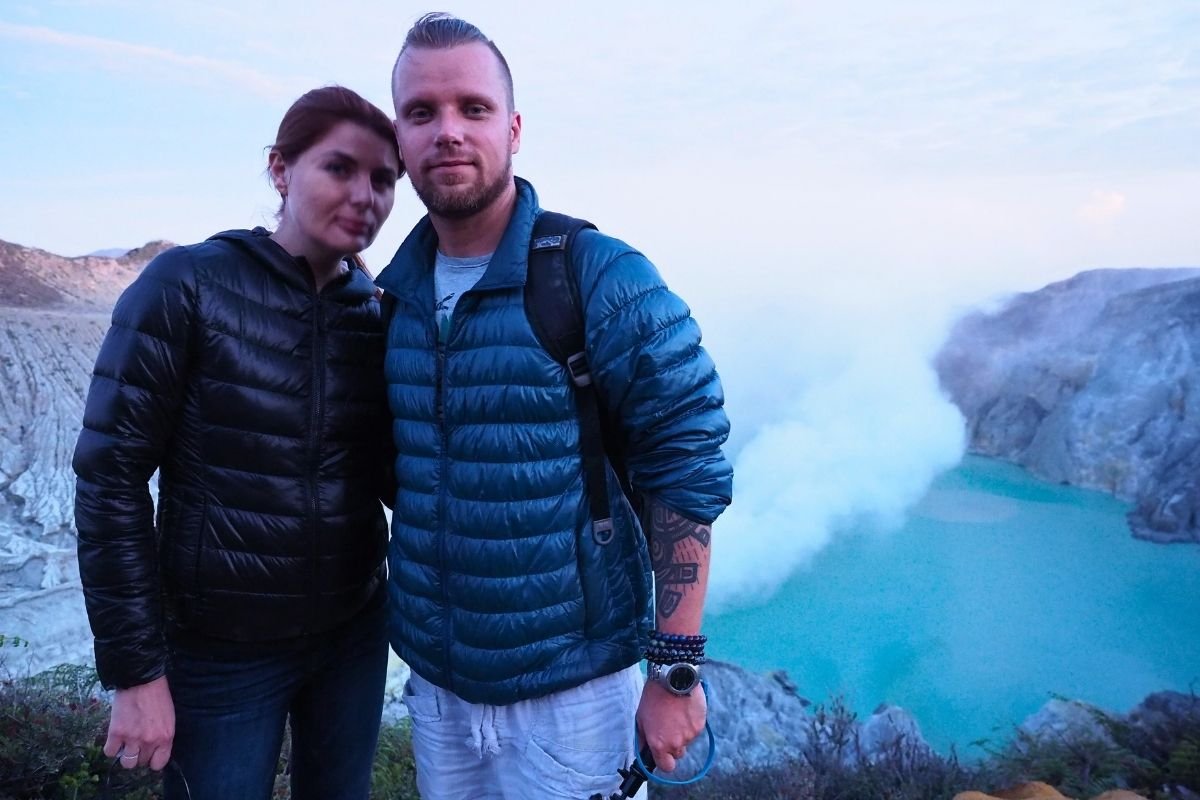
Dressing properly for ijen crater temperature is not just about comfort — it directly impacts your safety, endurance, and overall experience during the hike.
At Ijen Crater, temperatures combined with wind and night conditions require a layering strategy, not just a single thick jacket.
Essential Layering System (Recommended Setup)
To handle temperature at Ijen Crater at night, use this proven layering approach:
1. Base Layer (Inner Layer)
- Lightweight thermal or moisture-wicking shirt
- Keeps your body dry and warm
2. Mid Layer (Insulation)
- Fleece or hoodie
- Traps body heat
3. Outer Layer (Protection)
- Windproof / waterproof jacket
- Protects against wind chill and cold air
👉 This 3-layer system is the most effective way to adapt to changing ijen weather temperature during the hike.
Lower Body & Footwear
Don’t underestimate lower body exposure — cold air and wind affect your legs significantly.
- 👖 Long hiking pants (avoid shorts)
- 🧦 Thick socks (preferably wool or thermal)
- 🥾 Proper hiking shoes with grip
Essential Accessories (Often Forgotten)
These small items make a huge difference in cold conditions:
- 🧤 Gloves → protect fingers from wind
- 🧢 Beanie / hat → reduces heat loss from head
- 🧣 Neck gaiter or scarf → blocks cold air
- 😷 Gas mask (usually provided in tours)
For travelers joining organized trips, most essential gear and safety equipment are already included. You can check what’s typically provided here:
👉 Ijen Crater Tour Package 2026
What NOT to Wear
Avoid these common mistakes:
- Thin clothing only (e.g., T-shirt + hoodie)
- Shorts or light joggers
- Open shoes / sandals
- Cotton-only layers (they trap moisture)
These mistakes are the main reason why travelers struggle with how cold is Ijen during the night hike.
Pro Tip — Dress for the Coldest Moment, Not the Start
Many people feel warm at the base camp and underestimate the conditions above.
👉 Always prepare for:
- coldest phase (before sunrise)
- The wind at the crater rim
- The slow pace near the top (less body heat)
If you’re unsure how to prepare everything properly, choosing a structured travel plan with clear preparation guidance can simplify your trip:
👉 Ijen Crater Tour From Surabaya 2 Day 1 Night
Key Insight: Smart Clothing = Better Experience
With the right outfit:
- You stay warm and comfortable
- Conserve energy
- Enjoy the hike instead of rushing to finish
Without it, even the most beautiful volcanic landscape can feel exhausting.
Still unsure what to bring or wear?
Get a complete checklist and preparation guidance directly from our team.
📲 WhatsApp: +62 851-8531-9904
Practical Preparation for Your Ijen Trip (Step-by-Step Guide)
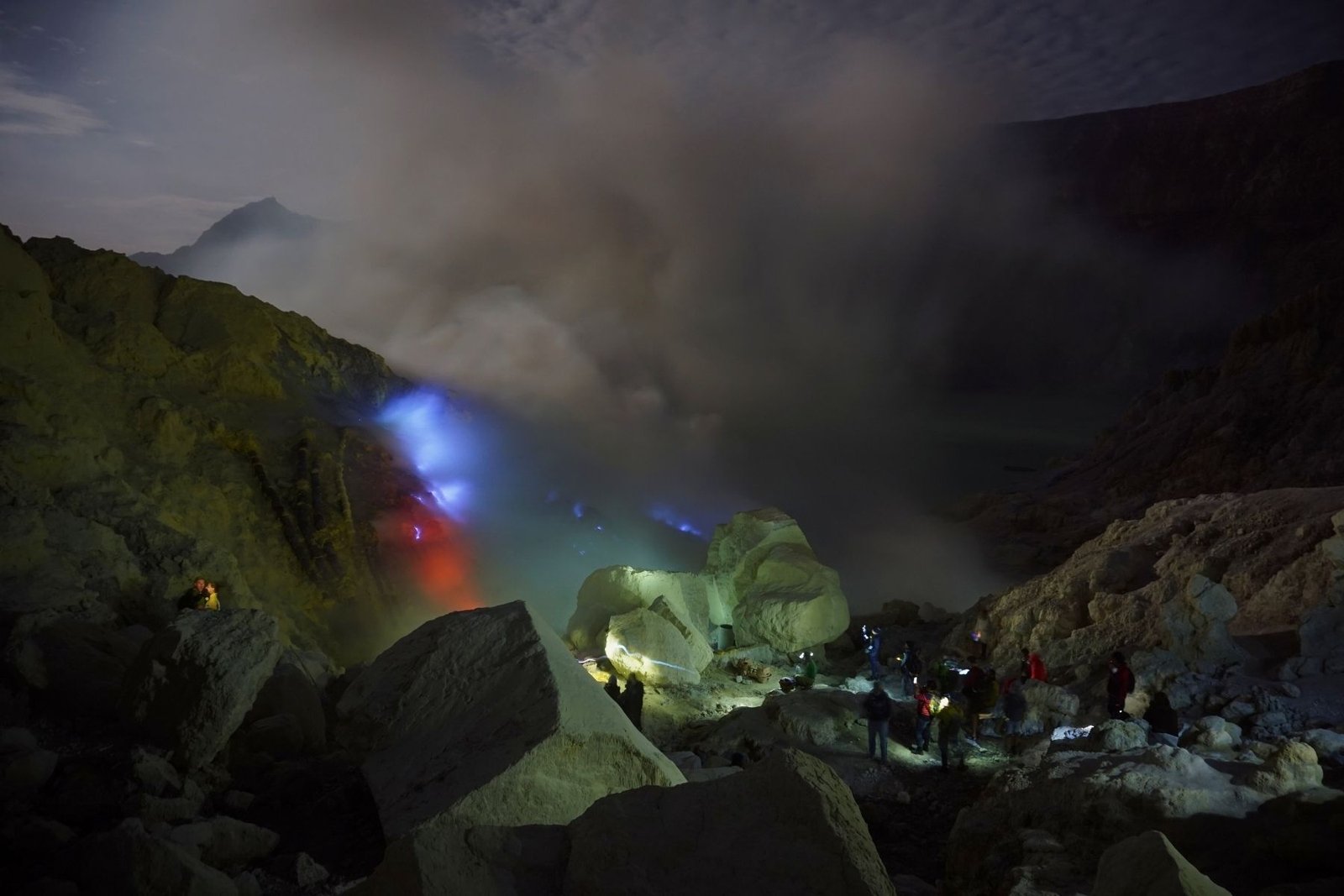
Preparing for the ijen crater temperature is not just about clothing — it’s about having a complete strategy before you even start the hike. A well-prepared trip ensures you stay comfortable, safe, and fully enjoy the experience at Ijen Crater.
Step 1 – Plan Your Timing Carefully
Timing directly affects both temperature and overall experience.
- 🕒 Ideal departure: around midnight (00:00 – 01:00 AM)
- ❄️ Coldest period: 03:00 – 05:00 AM
- 🌅 Sunrise window: 05:30 – 06:30 AM
Choosing the right schedule helps you manage exposure to extreme ijen night temperature while maximizing visibility.
For a well-structured itinerary with optimized timing, you can review this option: 👉 Ijen Blue Fire Tour From Banyuwangi 2 Day
Step 2 – Prepare the Right Gear
Beyond clothing, your gear plays a key role in handling ijen crater weather conditions.
Must-bring essentials:
- Headlamp or flashlight
- Small backpack
- Drinking water
- Energy snacks
- Proper mask (for sulfur exposure)
If you prefer a hassle-free setup where equipment and logistics are arranged for you, this complete package can be a practical choice: 👉 Ijen Crater Tour
Step 3 – Understand Your Physical Readiness
Even though Ijen is considered a moderate hike, conditions can make it feel more demanding.
- 🥾 Distance: ~3 km uphill
- ⛰️ Duration: 1.5 – 2 hours ascent
- 🌡️ Cold + altitude = higher fatigue
Take your pace slowly and avoid pushing too hard early in the hike.
Step 4 – Choose the Right Route & Travel Plan
Your starting point significantly affects your experience, especially in terms of rest, travel time, and energy level.
Popular route options From:
- Banyuwangi → shortest access
- Surabaya → longer but more flexible itinerary
- Bali → ideal for international travelers
You can explore route variations and travel styles here: Ijen Crater Tour From Bali
Step 5 – Avoid Common Mistakes
Many travelers underestimate preparation. Here are the most common errors:
- Not bringing enough warm layers
- Starting too late (missing best timing)
- Ignoring wind and weather conditions
- Overpacking unnecessary items
Avoiding these mistakes can dramatically improve your overall experience.
Step 6 – Consider Multi-Destination Planning
If you’re combining Ijen with other destinations, preparation becomes even more important.
For example:
- Mount Bromo → colder sunrise but easier terrain
- Ijen → more physical hike + sulfur exposure
A combined itinerary helps optimize time and logistics: 👉 Bromo Ijen Tour
Key Insight: Preparation Defines Your Experience
At Ijen, the difference between a “good trip” and an “unforgettable experience” comes down to preparation.
- Cold is manageable with the right setup
- Hike is enjoyable with the right pacing
- The journey becomes smooth with the right planning
Planning your Ijen trip soon?
We can help you arrange routes, timing, and preparation for a smoother experience.
📧 Email: ijencratertourofficial@gmail.com
📲 WhatsApp: +62 851-8531-9904
Tips to Stay Warm During the Ijen Crater Hike
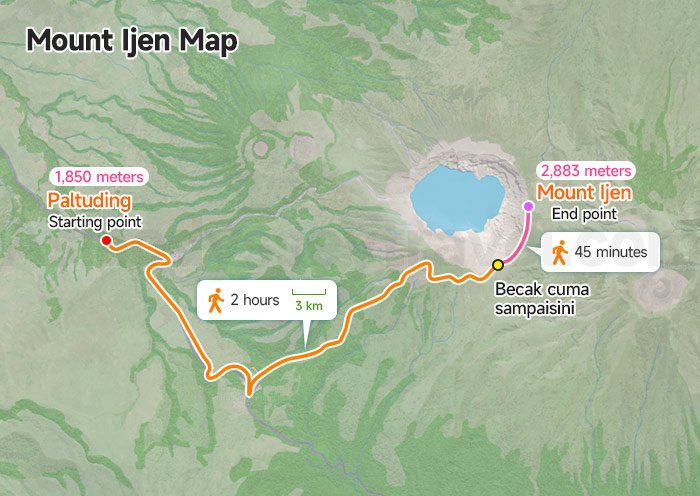
Even with the right outfit, staying warm in ijen crater temperature requires smart strategies during the hike. Conditions at Ijen Crater can change quickly — and small mistakes can make you feel significantly colder.
These practical tips will help you maintain body heat and stay comfortable throughout the journey.
Start Slightly Cool — Not Overheated
One of the most common mistakes is wearing too many layers at the start.
- 🚶 Your body will warm up quickly during the climb
- 💦 Overheating leads to sweat → sweat leads to faster cooling
- ❄️ Wet clothing = colder feeling at higher elevation
👉 Start slightly cool, then adjust layers as you ascend.
Keep Moving — Avoid Long Stops
Movement is your natural heat generator.
- 🏃 Walking steadily keeps your body warm
- 🧊 Long breaks cause rapid heat loss
- ⛰️ Slow, consistent pace is better than stopping frequently
This is especially important during peak ijen night temperature hours before sunrise.
Protect Yourself from Wind Exposure
Wind is the main reason the temperature feels colder than expected.
- 🌬️ Always wear a windproof outer layer
- 🧤 Use gloves and head protection
- 🧣 Cover exposed areas like neck and face
At the crater rim, wind intensity increases significantly — preparation here makes a big difference.
Stay Dry at All Times
Moisture is your biggest enemy in cold conditions.
- Avoid cotton clothing (it holds sweat)
- Use moisture-wicking base layers
- Change layers if you feel damp
This directly affects how your body handles ijen weather temperature.
Use Warm Drinks and Energy Boosts
Keeping your internal body temperature stable is just as important.
- ☕ Bring warm tea or coffee if possible
- 🍫 Eat small energy snacks regularly
- 🔥 Maintain energy levels to sustain body heat
Time Your Layers Before the Summit
As you approach the top:
- Wind becomes stronger
- Movement slows down
- Temperature feels colder
👉 Add layers before you start feeling cold — not after.
If you prefer a more structured experience where pacing, stops, and timing are optimized for comfort, joining an organized trek can help: 👉 Ijen Crater Tour
Bonus Tip — Manage the Blue Fire Phase
Descending into the crater is often the coldest and most challenging part:
- Less movement → less body heat
- Strong sulfur environment
- More exposure to cold air pockets
For a smoother and safer blue fire experience, many travelers choose guided options with proper timing and support: 👉 Ijen Blue Fire Tour From Banyuwangi 2 Day
Key Insight: Staying Warm Is About Strategy, Not Just Clothing
- Movement keeps you warm
- Dryness preserves heat
- Timing prevents sudden cold exposure
Master these, and the cold becomes manageable — even enjoyable.
Siap — versi tanpa tabel, tetap professional + SEO 2026 + natural flow 👇
Comparison: Ijen Crater vs Other Mountains in Indonesia
When planning your trip, understanding how ijen crater temperature compares to other destinations helps you prepare more realistically. While Indonesia is generally warm, highland volcanoes like Ijen Crater offer a completely different climate experience.
How Cold Is Ijen Compared to Other Mountains?
At night, Ijen Crater typically ranges between 5°C to 10°C, but due to wind and hiking conditions, it often feels much colder.
In comparison, nearby volcanic destinations can have similar or even lower temperatures — but the overall experience is very different.
- Ijen Crater → Moderate cold, but intensified by hiking, wind, and crater descent
- Mount Bromo → Slightly colder in temperature, but less physically demanding
- East Java highlands → Cooler but more stable and less exposed
Ijen vs Mount Bromo — What Really Feels Colder?
Although Mount Bromo is often recorded with lower temperatures, many travelers feel that Ijen is more challenging.
Here’s why:
- At Ijen, you are actively hiking for hours, which increases fatigue
- Wind exposure at the crater rim makes the cold more aggressive
- Descending into the crater reduces movement, making your body lose heat faster
Meanwhile at Bromo:
- Most viewpoints are accessible by jeep
- Physical effort is minimal
- Cold exposure is shorter and more manageable
👉 If you want to experience both in one efficient itinerary, this combined route is highly recommended:
👉 Bromo Ijen Tour
Why Ijen Feels More Extreme
Even if the numbers look similar, Ijen feels colder due to:
- Longer exposure to night conditions
- Continuous physical effort during the hike
- Dry volcanic air accelerating heat loss
- Psychological factors (darkness, terrain, sulfur gas)
This is why many travelers underestimate how cold is Ijen until they experience it firsthand.
Which Experience Is Right for You?
Choosing between destinations depends on your travel style Choose:
- Ijen Crater if you want a raw volcanic adventure with unique phenomena like blue fire
- Mount Bromo if you prefer a scenic and easy sunrise experience
- Choose both if you want a complete East Java journey
For a broader exploration of East Java beyond just one volcano, including waterfalls and cultural routes, you can explore available travel options here: East Java Tour Package
Key Insight: Experience Matters More Than Temperature
At the end of the day, it’s not just about degrees Celsius — it’s about:
- ✅ How long you’re exposed
- ❇️ How much energy you use
- ✳️How prepared you are
That’s what truly defines your experience at Ijen.
Best Time to Visit Ijen Crater (Weather, Temperature & Visibility Guide)
Choosing the right time to visit Ijen Crater can significantly impact your overall experience — especially when it comes to ijen crater temperature, visibility, and trail conditions.
While Ijen is open year-round, not all months offer the same comfort, clarity, or safety.
Best Season for Ideal Weather Conditions
The most recommended time to visit Ijen is during the dry season (April to October).
Here’s why:
- ☀️ More stable ijen weather temperature
- 🌌 Clear skies for blue fire visibility
- 🥾 Safer and drier hiking trails
- 🌅 Better sunrise views
During this period, although nights remain cold, conditions are more predictable and easier to manage.
If you’re planning your itinerary around the best conditions, you can explore flexible scheduling options here: 👉 Ijen Crater Tour
Rainy Season Considerations (November – March)
Visiting during the rainy season is still possible, but requires extra preparation.
- 🌧️ Higher humidity (slightly less cold feeling)
- ⚠️ Slippery and muddy trails
- 🌫️ Reduced visibility at the crater
- ⏱️ Possible delays due to weather changes
While temperatures may feel less harsh, overall hiking conditions can be more challenging.
Best Time of Day (Critical for Temperature)
Timing your hike is just as important as choosing the right season.
- 🕛 Start hike: 00:00 – 01:30 AM
- ❄️ Coldest period: 03:00 – 05:00 AM
- 🌅 Sunrise: around 05:30 – 06:30 AM
This timing allows you to:
- Experience the blue fire
- Reach the summit before sunrise
- Manage exposure to extreme ijen night temperature
For a well-structured schedule optimized around these time windows, this itinerary is a popular choice:
Ijen Blue Fire Tour From Banyuwangi 2 Day
Monthly Insight (Quick Overview)
- April – June → Best balance (cool, clear, less crowded)
- July – August → Peak season (excellent weather, more visitors)
- September – October → Great visibility, slightly warmer nights
- November – March → Unpredictable weather, but still doable
Best Strategy for Maximum Comfort
To get the best overall experience:
- Visit during the dry season
- Choose a well-timed night hike
- Prepare for the coldest pre-dawn conditions
- Avoid peak crowds if possible
If you’re traveling from different regions like Bali, adjusting your timing and route can also improve your experience significantly: Ijen Crater Tour from Bali
Key Insight: Timing = Experience Quality
At Ijen, the difference between an average trip and an exceptional one often comes down to when you go.
- 1️⃣ Better timing = better visibility
- 2️⃣ Better conditions = more comfort
- 3️⃣ Better planning = smoother experience
Ijen Trip Planning: Routes, Packages & Smart Booking Strategy (2026)
Planning your trip around the ijen crater temperature is not only about weather — it’s about choosing the right route, timing, and travel setup. A well-structured plan ensures you arrive rested, prepared, and ready to handle the cold conditions at Ijen Crater.
Choose the Right Starting Point
Your departure location directly affects your comfort level, sleep quality, and exposure to cold conditions.
From Banyuwangi (Closest Access)
- 🚗 Shortest travel time to Ijen
- 😴 More rest before the night hike
- ✅ Ideal for minimizing fatigue
👉 Best option for efficiency: Ijen Crater Tour From Banyuwangi 1 Day
From Surabaya (Flexible Itinerary)
- 🛣️ Longer journey but more travel flexibility
- 🌄 Often combined with other destinations
- 📦 Suitable for multi-day trips
👉 Popular 2D1N option: Ijen Crater Tour from Surabaya 2 Day 1 Night
From Bali (Most Popular for International Travelers)
- 🌏 Easy access for global visitors
- 🚢 Combination of ferry + land transfer
- 📅 Well-structured travel flow
👉 Bali to Ijen route: Ijen Crater Tour from Bali
Choose the Right Tour Type
Your experience at Ijen depends heavily on how your trip is structured.
Standard Ijen Tour
- Focused on crater hike and sunrise
- Suitable for short trips
👉 Explore full experience: Ijen Crater Tour
Blue Fire Tour (Premium Experience)
- Includes early descent to see blue fire
- Requires better preparation for cold and timing
👉 Recommended for full experience: Ijen Blue Fire tour from Banyuwangi
Combo Tour (Bromo + Ijen)
- Complete East Java volcanic experience
- More efficient for international travelers
👉 Combo package: Bromo Ijen Tour
When to Book Your Trip
Timing your booking is just as important as timing your visit.
- 📅 Book at least 1–2 weeks in advance (normal season)
- 🔥 Peak season (July–August) → book earlier
- 🌦️ Check weather forecast before confirming
Smart Planning Strategy (Pro Level)
To maximize comfort and minimize cold exposure:
- Choose Banyuwangi route for shorter access
- Arrive earlier to get enough rest
- Use a guided tour for better pacing and support
- Prepare gear in advance (don’t rely on last-minute rentals)
For travelers exploring more than just Ijen, including waterfalls and cultural destinations, you can plan a broader itinerary here: East Java Tour Package
Common Planning Mistakes to Avoid
- Choosing the wrong route (too long → less rest)
- Ignoring ijen night temperature conditions
- Booking last minute during peak season
- Underestimating physical effort required
Key Insight: Good Planning = Better Experience
At Ijen, everything is connected:
- Route affects rest
- Rest affects performance
- Performance affects how you handle the cold
Plan smart, and the experience becomes smooth, safe, and unforgettable.
Frequently Asked Questions (FAQ) About Ijen Crater Temperature
Below are the most common questions travelers ask about ijen crater temperature, answered clearly and concisely to help you prepare with confidence before visiting Ijen Crater.
How cold is Ijen Crater at night?
At night, the temperature at Ijen Crater typically ranges between 5°C to 10°C, but due to wind chill, it often feels closer to 0°C – 5°C, especially before sunrise.
What is the coldest time at Ijen Crater?
The coldest period is usually between 3:00 AM and 5:00 AM, just before sunrise. This is when wind, altitude, and lack of movement combine to create the lowest perceived temperature.
Do I really need a jacket for Ijen?
Yes — a proper jacket is essential. Ideally, you should use a layering system (base layer, insulation layer, and windproof outer layer) to handle changing ijen weather temperature during the hike.
Is Ijen colder than Mount Bromo?
In terms of actual temperature, Mount Bromo can be slightly colder. However, many travelers feel that Ijen is more challenging due to:
- Longer hiking duration
- Physical effort
- Wind exposure and crater descent
If you’re planning to visit both, a combined itinerary can help you prepare for these differences: Bromo Ijen Tour
Can I hike Ijen without proper preparation?
It is strongly not recommended. Without proper preparation, you may face:
- Cold discomfort
- Fatigue during the hike
- Reduced overall experience
A structured tour can help you prepare better and manage the conditions more efficiently:
👉 Ijen crater Tour
Is the temperature different during the day?
Yes. During the day, temperatures rise to around 10°C – 20°C, making it much more comfortable. However, most of the key experience (blue fire and sunrise) happens during the colder night hours.
Key Insight: Preparation Solves Most Concerns
Almost every concern about cold weather at Ijen comes down to one thing: preparation.
- Know the temperature range
- Dress appropriately
- Plan your timing carefully
Do this right, and the cold becomes part of the adventure — not a problem.
Conclusion: Be Prepared, Stay Warm, and Enjoy the Experience
Understanding the ijen crater temperature is the key to turning your trip into a truly memorable experience. While the cold conditions at Ijen Crater can be challenging, they are completely manageable with the right preparation.
From temperature ranges and weather patterns to proper clothing and smart planning, every detail plays a role in how comfortable and enjoyable your hike will be.
Let’s recap the essentials:
- 🌡️ Night temperatures can drop to 5°C – 10°C (feels colder)
- ❄️ The coldest time is before sunrise (3–5 AM)
- 🧥 Proper layering is crucial
- 🥾 Preparation directly affects your experience
The truth is, Ijen is not just about the destination — it’s about the journey through a unique volcanic environment. And when you’re fully prepared, even the cold becomes part of the adventure.
If you approach it the right way, you won’t just “survive” the cold — you’ll enjoy every moment of it.
Ready to Experience Ijen Without Freezing in the Cold?
Now you already know the real ijen crater temperature — and how extreme it can feel during the night hike.
The difference between an unforgettable experience and a miserable one often comes down to one thing: preparation and planning.
Instead of risking:
- Feeling freezing during the hike
- Poor timing (missing blue fire or sunrise)
- Confusing logistics and late arrivals
You can experience Ijen the right way — well-prepared, well-timed, and fully guided.
👉 Start Your Ijen Journey Here
Explore the complete experience, itinerary, and preparation details:
👉 Ijen Crater Tour Package 2026
Or browse all available travel options across East Java:
👉 www.ijencratertour.com
🔥 Limited Slots — Plan Early for the Best Experience
Ijen is one of the most popular volcanoes in Indonesia, and night hike schedules fill up quickly, especially during peak season.
Secure your spot and avoid last-minute issues.
📞 Book Your Ijen Tour Now
📲 WhatsApp: +62 851-8531-9904
📧 Email: ijencratertourofficial@gmail.com
Final Push (Psychological Close)
Don’t just visit Ijen unprepared.
Experience it comfortably, safely, and the way it’s meant to be.

Maybe you are interested in reading the following article:
Ijen Crater Tour Guide 2026 – Routes, Price & Tips
Ultimate Ijen Crater Tour Guide (2026): Routes, Prices, Safety, Tips & How to Book Experience the Rare Blue Fire of Ijen Crater Before It Gets Fully Booked Ijen Crater is not just another volcano in Indonesia. It is one of the very few places on Earth where you can witness the rare blue fire phenomenon... read more
Best Time to Visit Ijen Crater – Weather & Tips
Best Time to Visit Ijen Crater (2026 Complete Guide: Blue Fire, Weather, Crowds & Safety) Timing Is Everything at Ijen Crater Planning a visit to Ijen Crater is not just about choosing a date — it is about choosing the right conditions, timing, and strategy to experience one of the rarest natural phenomena in the... read more
Hiking Ijen Crater at Night: Full Experience Guide (2026)
Ijen Night Hike 2026: Midnight Trekking Experience & Safety Guide Planning to experience an Ijen night hike in 2026? Imagine starting your journey in complete darkness, guided only by your headlamp as you slowly make your way up one of Indonesia’s most active volcanoes. The cool mountain air, the quiet atmosphere, and the distant glow... read more



Contact Us
If you have any questions, please contact us.
-
Hotline
+6285185319904 -
Whatsapp
085185319904 -
Email
ijenexpeditiontourandtravel@gmail.com

