Ijen Crater Facts: The Science Behind the Blue Fire (2026 Update)
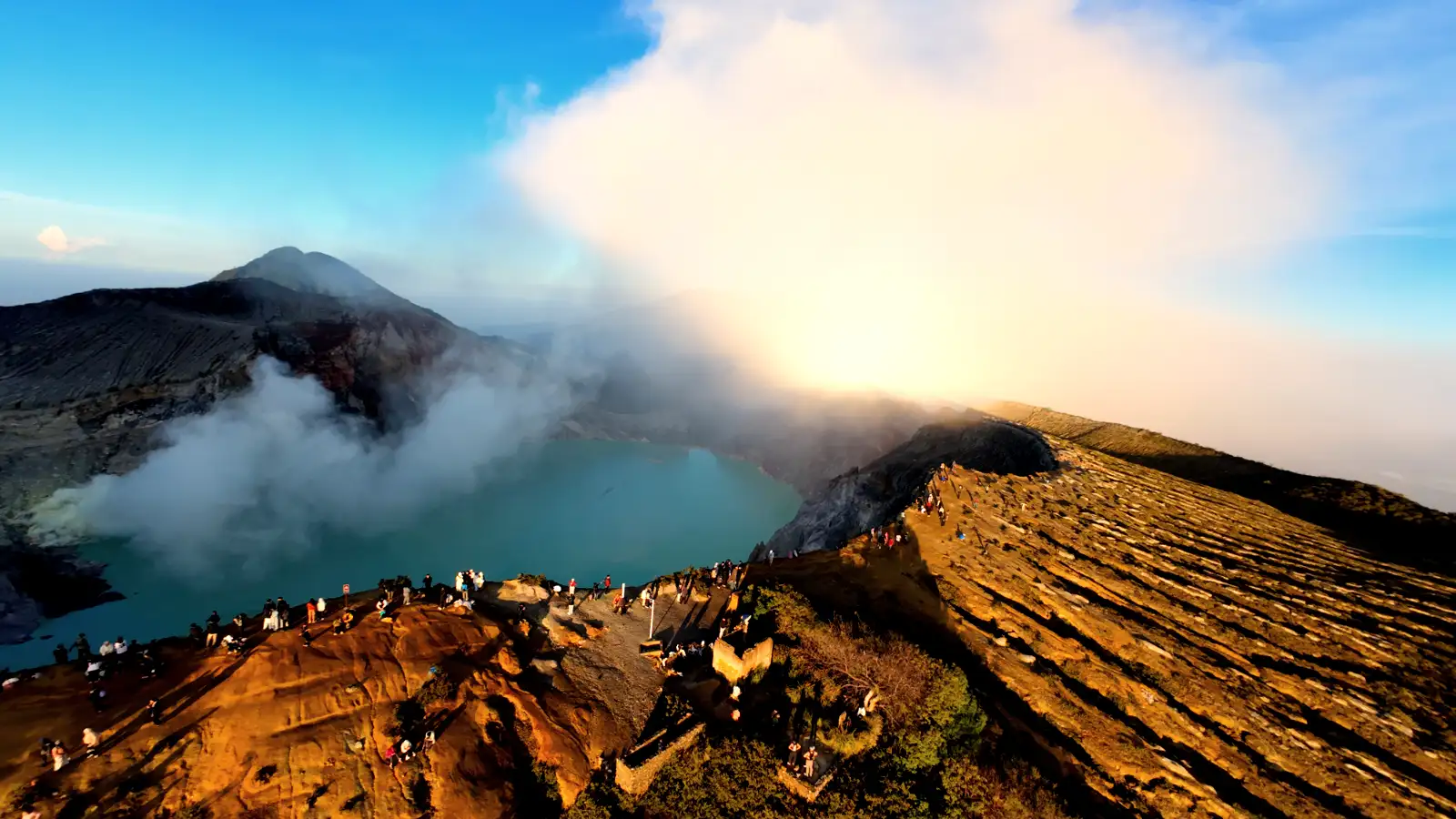
Imagine standing on the edge of a jagged caldera at 2:00 AM while the world sleeps. The air is biting, the wind howls through the Ijen Plateau, and your lungs burn slightly from the sulfurous mist.
Furthermore, you might wonder if the grueling midnight hike is truly worth the effort. Many travelers struggle with the logistics of reaching this remote corner of East Java or fear the safety risks of an active stratovolcano.
Specifically, this guide serves as your ultimate solution to uncovering the geological mysteries of Kawah Ijen. Before you embark on this life-changing journey, ensure you book your trip now with experts who prioritize your safety and experience.
Consequently, we have compiled the most rigorous scientific data to explain why this volcano glows with an ethereal light. Understanding the Ijen blue fire explained by experts will transform your hike from a simple walk into a profound scientific exploration.
What You Need to Know
Location: Banyuwangi/Bondowoso, East Java, Indonesia.
Primary Phenomenon: Electric blue flames caused by sulfuric gas combustion.
Acidic Lake: The world’s largest highly acidic crater lake (pH < 0.5).
Safety: Mandatory gas masks and professional guides are required for crater descent.
LSI Keywords: Sulfuric gas combustion, Kawah Ijen acidic lake, electric blue flames, liquid sulfur, Ijen Plateau geology.
Table of Contents
The Chemistry of Electric Blue Flames
Many people mistakenly believe that the blue glow at Ijen is blue lava. However, this is a common scientific misconception that masks a much more fascinating chemical reality.
Specifically, the phenomenon is the result of sulfuric gas combustion. When high-pressure sulfuric gases emerge from volcanic fissures at temperatures exceeding 600 degrees Celsius, they ignite upon contact with oxygen.
Consequently, these gases burn with an intense blue hue, mimicking the appearance of flowing fire. Meanwhile, the actual lava beneath the surface remains the standard red or orange color seen in other volcanoes.
Thermal Dynamics of the Solfatara
Moreover, the intensity of the flames depends on the gas density and the local atmospheric conditions. During the night, the lack of sunlight allows the human eye to perceive the short-wavelength blue light clearly.
Ultimately, as the gas cools, it condenses into liquid sulfur. This molten substance flows down the rocks, creating the illusion of “blue lava” that captivates photographers and scientists alike.
Important Update: The appearance of the Blue Fire at Ijen Crater is highly unpredictable. It depends heavily on daily volcanic activity, gas density, and weather conditions. It is sometimes clearly visible, and sometimes not visible at all. To avoid disappointment, please contact us via WhatsApp to check the latest daily updates before you hike.
Gas Density and Visibility
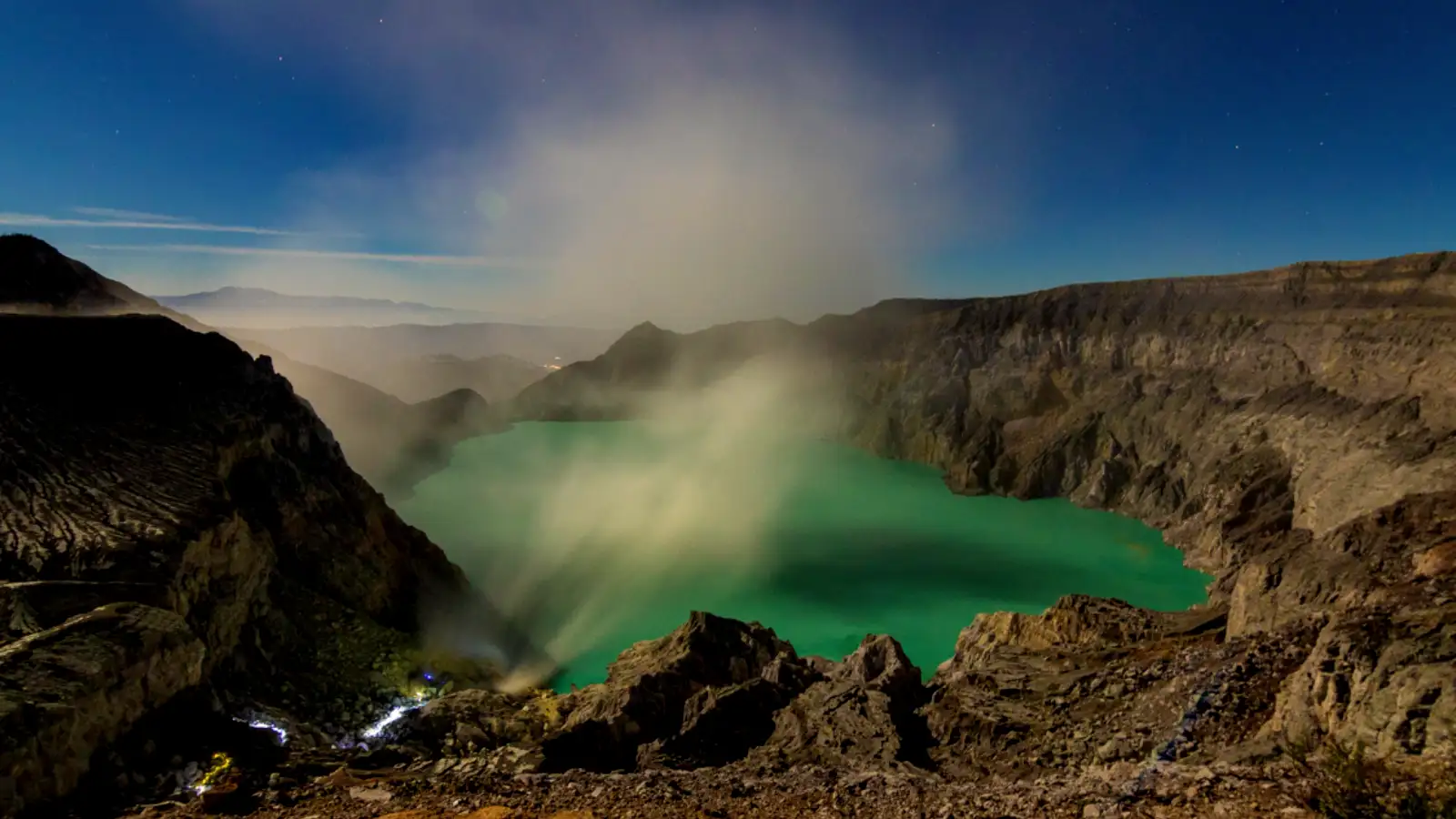
Therefore, timing is everything when attempting to witness this rare spectacle. The best visibility occurs in the deepest hours of the night, typically between 2:00 AM and 4:00 AM.
For instance, heavy rain can quickly dampen the combustion process or obscure the view with steam. Experienced hikers often check the best time to visit Ijen Crater to maximize their chances of success.
In addition, the concentration of sulfur dioxide in the air can become dangerously high during peak activity. This necessitates the use of professional-grade respirators to prevent chemical burns to the respiratory tract.
The Secrets of the World’s Most Acidic Lake
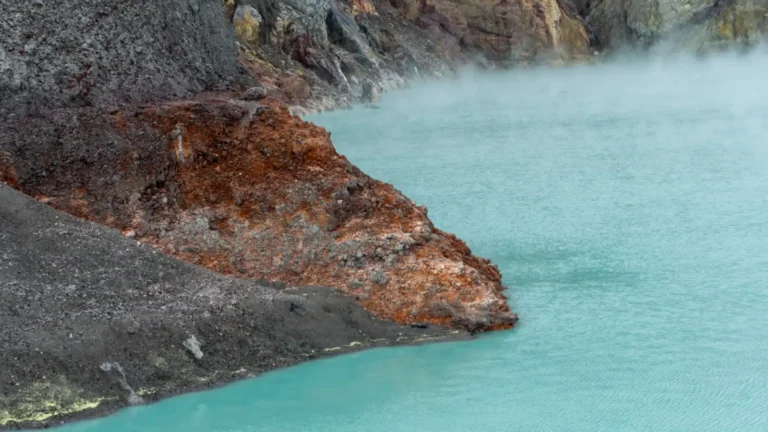
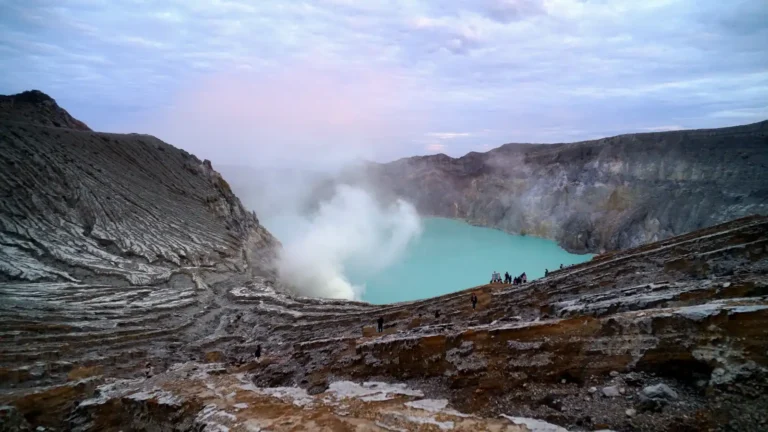
Beneath the dancing flames lies another geological marvel: the Kawah Ijen acidic lake. This turquoise body of water is roughly one kilometer wide and holds approximately 36 million cubic meters of acidic solution.
Furthermore, the lake’s pH level is recorded at less than 0.5, which is similar to the strength of battery acid. This extreme acidity is caused by the infusion of hydrogen chloride and sulfur dioxide gases from the magma chamber below.
Consequently, the water is capable of dissolving metals and causing severe irritation to human skin. Despite its lethal nature, the lake remains one of the most photographed natural wonders in the Ijen Plateau.
The Role of Hydrothermal Activity
Moreover, the lake acts as a massive hydrothermal condenser for the volcano’s internal heat. The interaction between the cold lake water and the rising volcanic gases creates a delicate chemical balance.
Specifically, this balance is what prevents the volcano from erupting more frequently. However, sudden changes in lake temperature or water levels can signal shifts in Java volcanic activity that rangers monitor closely.
Meanwhile, the vibrant turquoise color is a result of high concentrations of dissolved metals, including aluminum and iron. These elements scatter sunlight in a way that produces the lake’s signature, albeit deceptive, beauty.
Environmental Impact and UNESCO Status
In addition, the surrounding ecosystem has adapted to these harsh, acidic conditions in unique ways. Scientists frequently visit the site to study extremophile bacteria that thrive in environments previously thought to be sterile.
Therefore, the area has gained international recognition for its geological significance. You can learn more about the official conservation efforts by visiting the UNESCO Global Geopark Ijen page for detailed environmental data.
Ultimately, protecting this fragile landscape is a priority for the local government. Visitors are urged to follow strict “Leave No Trace” principles to preserve the caldera for future generations of explorers.
Exploring the Solfatara Fields and Sulfur Mining
The Ijen Crater is not just a tourist destination; it is a place of intense human labor. The Solfatara fields inside the crater are home to one of the last remaining active sulfur mines in the world.
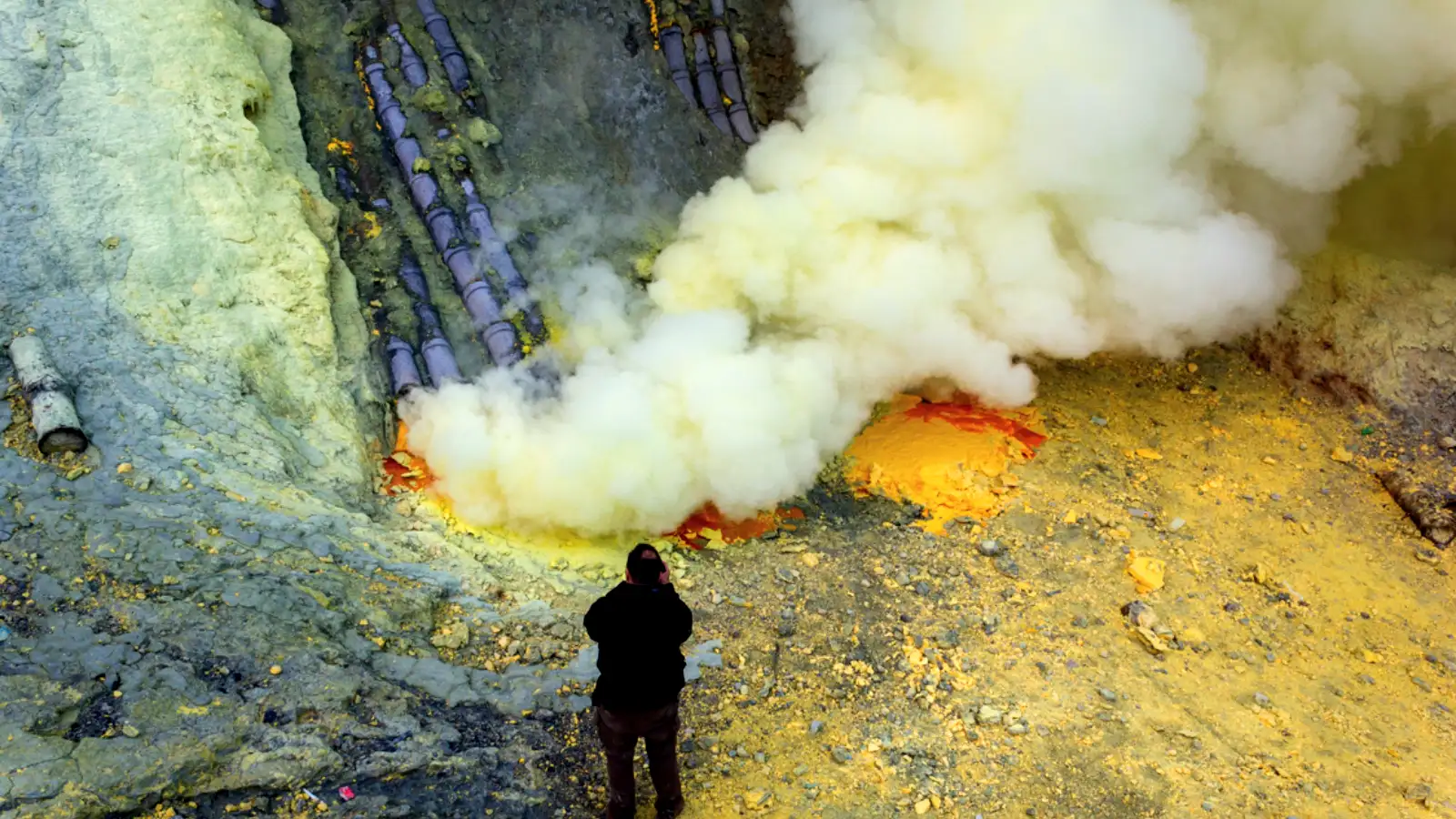
Specifically, miners collect high-purity elemental sulfur that has crystallized from the volcanic vapors. They use ceramic pipes to channel the gases, which then cool and solidify into bright yellow slabs.
However, the physical toll on these workers is immense, as they carry loads weighing up to 90 kilograms up the steep crater walls. This sulfur mining in Indonesia remains a vital yet controversial part of the local economy.
The Crystallization Process
Furthermore, the transition from gas to solid is a fascinating display of thermodynamics. As the sulfur vapor hits the cooler air, it skips the liquid phase or passes through it rapidly to form crystalline structures.
For instance, the purest sulfur found at the heart of the Solfatara is often used in the production of matches, rubber, and cosmetics. Travelers can often purchase small sulfur carvings as souvenirs from the miners themselves.
Consequently, interacting with the miners provides a sobering perspective on the luxury of modern travel. We highly recommend tipping these hardworking individuals if you choose to take their photographs during your Ijen Crater tour.
Social and Economic Context
Moreover, the mining community has developed its own unique culture and support system over the decades. Many miners have worked in the crater for their entire lives, passing the trade down through generations.
Specifically, the rise of tourism has provided an alternative source of income for many families in the Banyuwangi travel guide area. Some former miners now serve as expert guides, utilizing their deep knowledge of the terrain.
In addition, the government has implemented new regulations to improve the working conditions and safety of the miners. These changes aim to balance the economic needs of the community with the long-term health of the laborers.
Logistics, Gear, and Safety Protocols
Preparing for an expedition to an active stratovolcano requires more than just physical fitness. The current entrance fee for international visitors is approximately 100,000 to 150,000 IDR, depending on the day of the week.
Furthermore, the Ijen Crater hike difficulty is considered moderate to challenging. The trail spans about 3 kilometers one way, with a significant incline that tests your cardiovascular endurance.
Specifically, the final descent into the crater is the most technical part of the journey. The path is narrow, rocky, and can be extremely slippery when the volcanic dust is dry or when it rains.
Essential Equipment List
Therefore, you must come prepared with the right gear to ensure a safe and enjoyable experience. A high-quality gas mask with a multi-gas filter is non-negotiable for anyone descending into the crater.
In addition, consider the following items for your packing list:
| Item | Purpose |
|---|---|
| Respirator Mask | Protection against toxic sulfur dioxide gas. |
| Headlamp | Essential for the midnight ascent in total darkness. |
| Thermal Layers | The Ijen Crater temperature can drop to 5°C. |
| Sturdy Boots | High-traction soles are required for the rocky descent. |
Navigating the Trail
Moreover, having a local guide can significantly enhance your safety and overall experience. Guides are trained to read the wind patterns and can advise you when it is necessary to move away from thick smoke plumes.
Specifically, the wind can shift instantly, pushing concentrated sulfur gas directly toward the hiking path. Without a mask and proper guidance, this can lead to immediate respiratory distress and panic.
Ultimately, a successful trip depends on your ability to respect the volcano’s power. By following the advice of seasoned professionals, you can witness the electric blue flames without putting your health at risk.
Why Trust This Guide
Our team consists of veteran travel journalists and local volcanic experts who have summited Ijen Crater hundreds of times. We combine on-the-ground experience with the latest geological data to provide accurate and up-to-date information.
Furthermore, we work closely with the local mining community and park rangers to monitor daily conditions. This ensures that our readers receive practical advice that prioritizes both safety and authentic exploration.
Consequently, we are committed to sustainable tourism that supports the local economy of East Java. When you book through us, you are choosing a partner dedicated to excellence and ethical travel practices.
Continue Your Adventure
If you found the science of Ijen fascinating, your journey through Indonesia is only just beginning. Many travelers choose to expand their horizons by combining Ijen with a Bromo tour for a complete volcanic circuit. For those arriving from the Island of the Gods, booking an Ijen Crater tour from Bali offers a seamless transition from beaches to peaks. Furthermore, no trip to East Java is truly complete without witnessing the Martian-like landscapes of a Mount Bromo sunrise tour. We are ready to help you book your trip now and create an itinerary that matches your thirst for discovery.
Ready to Witness the Blue Fire?
Don’t leave your adventure to chance. Join the most trusted tour operator in East Java for an unforgettable expedition to the heart of Ijen.
💬 WhatsApp: +62 851-8531-9904 | 📧 Email: ijencratertourofficial@gmail.com
Frequently Asked Questions (FAQ)
A: No, it depends on gas pressure and weather conditions. High humidity or rain can often hide the flames.Q: How long does the hike to the crater rim take?
A: Most hikers take between 1.5 to 2 hours to reach the rim from the Paltuding base camp.Q: Can I visit Ijen Crater without a guide?
A: While technically possible, it is highly discouraged due to the risks of toxic gas and steep, unstable terrain.
Q: What is the best month to see the Blue Fire?
A: The dry season (typically May to September) offers the clearest skies and most stable conditions for viewing.
Q: Is it safe for children to visit the crater?
A: It is generally not recommended for young children due to the steep terrain and the presence of toxic volcanic gases.