Smartphone vs Ijen Crater: How to Protect Your Camera Gear (2026 Guide)
Waking up at midnight to hike a volcanic peak is exhausting. Furthermore, the biting cold of East Java often discourages even the bravest travelers. However, the most significant stressor for many is the fear of losing expensive electronics to the volcano’s toxic breath.
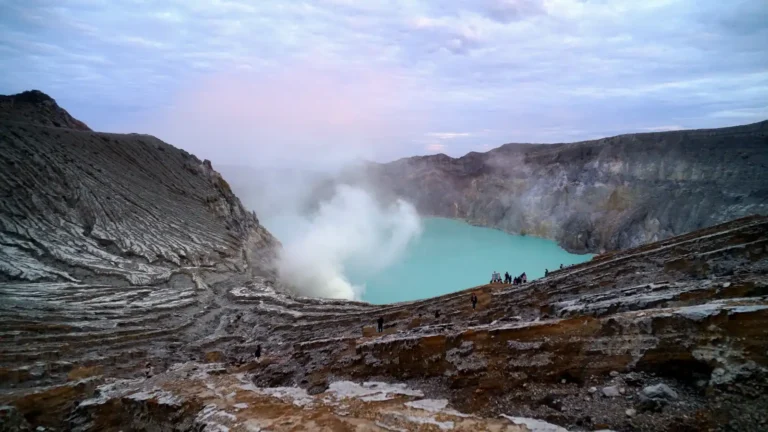
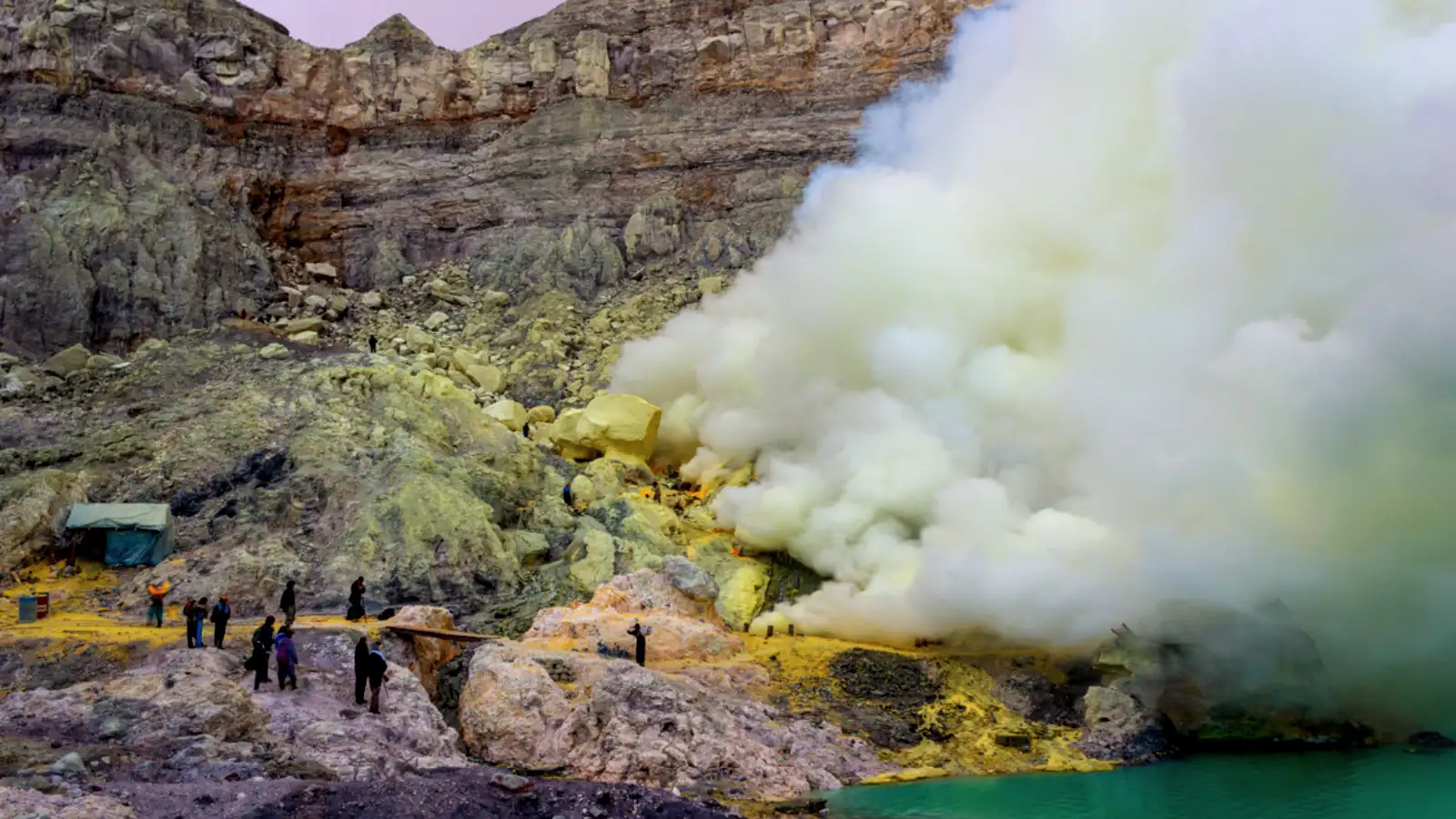
Specifically, the Ijen Crater is famous for its mesmerizing blue fire and acidic turquoise lake. Meanwhile, the air is thick with concentrated sulfuric gas that can destroy a high-end smartphone or DSLR in hours. Therefore, you must prepare correctly before you book your adventure today to ensure your gear survives the descent.
In addition, our guide provides expert insights on navigating this harsh environment without sacrificing your memories. For instance, we will cover specialized protective measures for both casual backpackers and professional photographers. Ultimately, this comprehensive ijen crater photography guide serves as your ultimate shield against volcanic corrosion.
What You Need to Know
First, Ijen’s sulfuric gas reacts with moisture to create sulfuric acid on your camera lenses and sensors. Consequently, professional weather-sealing is often insufficient for this level of chemical exposure. Moreover, smartphone users should utilize waterproof pouches to block gas entry. Finally, always clean your gear with specialized wipes immediately after finishing the hike.
Table of Contents
The Corrosive Reality of Ijen Crater
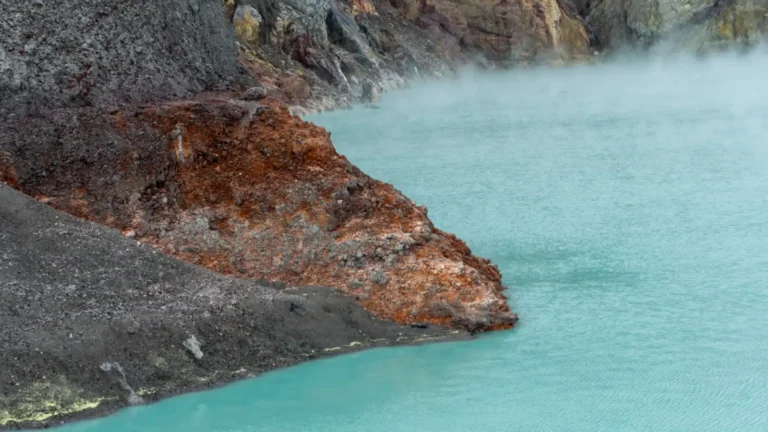
First, you must understand that Ijen is not a typical hiking destination. For instance, the crater contains the world’s most acidic lake, filled with hydrochloric and sulfuric acid. Consequently, the surrounding air is saturated with sulfur dioxide (SO2) and hydrogen sulfide (H2S) gases.
Therefore, when these gases mix with the humid tropical air or your own breath, they form a diluted sulfuric acid. Specifically, this acidic moisture settles on glass surfaces and metal contacts. Moreover, the sulfur can quickly tarnish silver, copper, and aluminum components inside your electronic devices.
How Gas Affects Glass Coatings
Modern camera lenses feature delicate multi-coatings designed to reduce flare. However, the sulfur gas at Ijen can chemically eat through these coatings if left uncleaned. Consequently, you might notice permanent “fogging” on your expensive glass after just one visit.
In addition, the internal electronics are also at risk. Specifically, gas can seep through non-weather-sealed gaps in your camera body. As a result, internal circuit boards may begin to corrode weeks after you have returned home from your trip.
The Humidity Factor
Humidity plays a massive role in how much damage occurs. For example, during the rainy season, the high moisture content accelerates the conversion of sulfur gas into acid. Therefore, protecting your gear is even more critical when clouds are low within the crater.
Furthermore, temperature changes can cause condensation inside your lens barrels. Meanwhile, this condensation traps the acidic gas against the internal elements. Ultimately, this creates a “micro-environment” that continues to damage your gear even when it is tucked away in your bag.
Important Update: The appearance of the Blue Fire at Ijen Crater is highly unpredictable. It depends heavily on daily volcanic activity, gas density, and weather conditions. It is sometimes clearly visible, and sometimes not visible at all. To avoid disappointment, please contact us via WhatsApp to check the latest daily updates before you hike.
Protecting Your Smartphone
Specifically, most modern smartphones like the iPhone or Samsung Galaxy are rated for water resistance. However, these ratings do not account for acidic gas penetration. Therefore, simply holding your phone out in the sulfur clouds is a significant risk.
Consequently, the best defense is a high-quality waterproof pouch. These clear plastic sleeves create a physical barrier against the gas while still allowing you to use the touchscreen. For instance, make sure the seal is completely airtight before you begin the steep descent into the crater.
Case Selection Matters
Meanwhile, avoid using leather or high-end fabric cases during the hike. Specifically, these materials are porous and will absorb the sulfur smell and acid. Therefore, switch to a simple silicone or plastic case that you can easily wash later.
Moreover, consider using a lanyard to keep your phone attached to your neck. Because the terrain is rocky and slippery, dropping your phone could mean losing it in a sulfur vent. As a result, a lanyard provides both security and easy access for quick photos of the ijen blue fire explained by your guide.
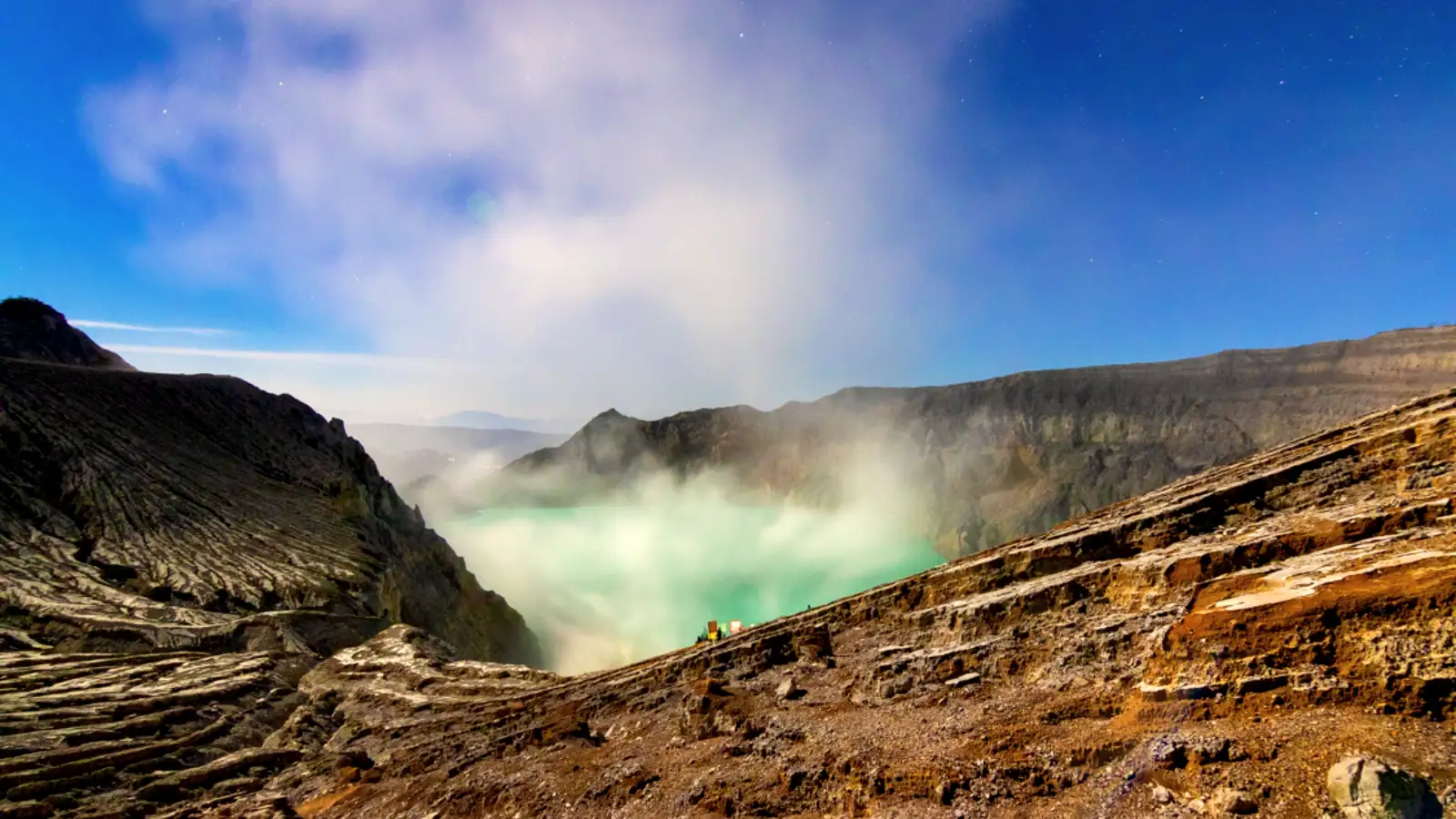
Managing Battery Life in the Cold
In addition, the cold temperatures at the summit can drain your battery rapidly. Specifically, lithium-ion batteries struggle to maintain voltage in freezing conditions. Therefore, keep your phone in an inner pocket close to your body heat when not in use.
Furthermore, bring a portable power bank stored in a dry bag. Consequently, you will have plenty of power to record the sunrise over the turquoise lake. Ultimately, keeping your device warm is just as important as keeping it dry and gas-free.
Professional Camera Gear Safety
Professional photographers often face the hardest choices at Ijen. For instance, do you risk a $3,000 lens for the perfect shot? Specifically, mirrorless cameras are more vulnerable than DSLRs because the sensor is more exposed during lens changes.
Therefore, you must NEVER change your lens while inside the crater rim. Specifically, the gas will enter the camera body and settle directly on the sensor. Consequently, choose one versatile zoom lens, like a 24-70mm, and keep it attached for the entire duration of the hike.
The Sacrifice Filter Technique
Moreover, always use a high-quality UV or protector filter on your lens. Specifically, this acts as a “sacrifice” layer that takes the brunt of the sulfuric acid. Therefore, if the coating is damaged, you only lose a $50 filter rather than a $1,500 lens element.
Furthermore, wrap your camera body in a plastic rain sleeve or even a simple kitchen cling wrap. Meanwhile, ensure the zoom and focus rings are still operable through the plastic. As a result, you create a makeshift “gas suit” for your professional equipment.
Avoiding Condensation Issues
In addition, avoid taking your camera out of your bag as soon as you reach the summit. Specifically, the sudden change from a warm bag to freezing air causes instant condensation. Therefore, let your bag acclimate for 15 minutes before opening it to start shooting.
Consequently, this prevents moisture from forming on the internal glass elements. Meanwhile, keep several silica gel packets in your camera bag to absorb any lingering humidity. Ultimately, these small steps prevent long-term mold and corrosion from taking root in your ijen crater tour guide equipment.
Critical Post-Hike Cleaning Procedures
Once you finish your Book your adventure today and return to your hotel, the work is not over. Specifically, you must neutralize any sulfur residue immediately. Therefore, do not leave your gear in the bag for more than an hour after the hike.
First, use a damp (not dripping) microfiber cloth to wipe down the exterior of your camera and smartphone. Specifically, use distilled water to avoid adding mineral deposits. Consequently, this removes the acidic film that has settled on the surfaces.
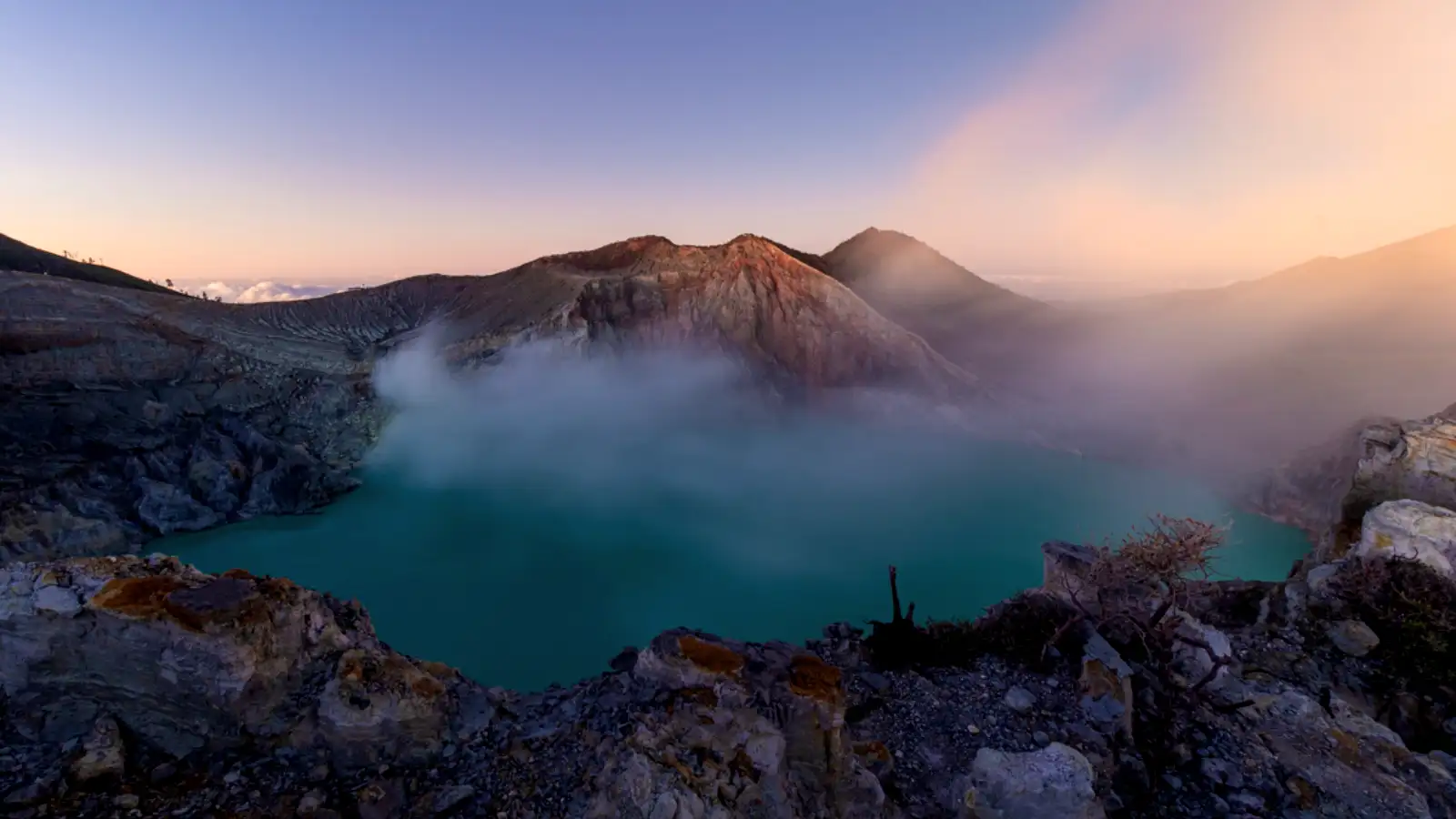
Cleaning Your Lenses
Moreover, use specialized lens cleaning fluid and fresh tissues for the glass. Specifically, wipe in a circular motion from the center outward. Therefore, you ensure that any abrasive sulfur particles are moved away from the lens center rather than rubbed into it.
In addition, use a “rocket blower” to blast air into the small crevices and buttons. Specifically, do not use your mouth to blow on the gear, as your breath adds more moisture. As a result, you remove dry sulfur dust that could otherwise jam the mechanical parts.
Managing the Sulfur Smell
Furthermore, your camera bag and straps will likely smell like rotten eggs for days. Specifically, the sulfur odor is incredibly persistent. Therefore, leave your bag in a well-ventilated area or in direct sunlight for a few hours to help dissipate the scent.
Consequently, using a fabric refresher or baking soda sachets can help neutralize the odor. Meanwhile, avoid using heavy perfumes or sprays directly on your gear. Ultimately, patience is the only real cure for the volcanic scent that follows every Ijen explorer.
Why Trust This Guide?
Specifically, our team has led thousands of travelers through the sulfur clouds of Ijen. Therefore, we have seen firsthand what happens when electronics are left unprotected. Moreover, we collaborate with professional photographers who specialize in extreme volcanic environments.
In addition, we stay updated on the latest gear technology and environmental changes at the crater. Specifically, our logistics team monitors the gas levels daily to ensure our advice remains accurate. Consequently, following these steps will significantly increase your gear’s lifespan.
Continue Your Adventure
Planning your trip to East Java involves many moving parts, especially if you want to capture the perfect sunrise. For instance, many travelers enjoy combining their volcano trek with a Mount Bromo and Ijen tour to see the best of the region. Specifically, this allows you to compare the dry ash of Bromo with the acidic gas of Ijen. Furthermore, if you are coming from the neighboring island, an Ijen tour from Bali is the most efficient way to see the blue fire. Meanwhile, those starting in East Java often prefer the Ijen Crater tour from Surabaya for its easy airport access. Ultimately, whichever route you choose, Book your adventure today with experts who prioritize both your safety and your photography goals.
Ready to Capture the Blue Fire Safely?
Don’t risk your expensive camera gear. Let our expert guides lead you to the best spots while keeping your equipment safe from the sulfur.
💬 WhatsApp: +62 851-8531-9904 | 📧 Email: ijencratertourofficial@gmail.com
Frequently Asked Questions (FAQ)
Q: Can I use a drone at Ijen Crater?
A: Specifically, yes, but drones are extremely vulnerable to sulfur. Moreover, the acidic gas can corrode the copper motors quickly. Always wipe the drone down immediately after flight.
Q: Is weather sealing enough to protect my DSLR?
A: No, weather sealing is designed for water and dust, not corrosive gas. Therefore, you still need a plastic cover and a protective filter for the lens.
Q: Will the sulfur smell ever leave my camera strap?
A: Specifically, the smell can last for weeks. However, washing the strap in a mixture of water and baking soda usually neutralizes the odor effectively.
Q: Should I bring my best lens to the crater?
A: In addition to the risks, the light is very low. Consequently, a fast “prime” lens is great, but a protected zoom lens is more practical to avoid lens changes.
Q: Can I take photos with my gas mask on?
A: Yes, but it is difficult to look through an optical viewfinder. Specifically, using the “Live View” screen on your camera or your smartphone’s display is much easier while wearing a mask.