
The Best Route From Bali to Mount Bromo and Ijen Crater: Secret Tips Revealed
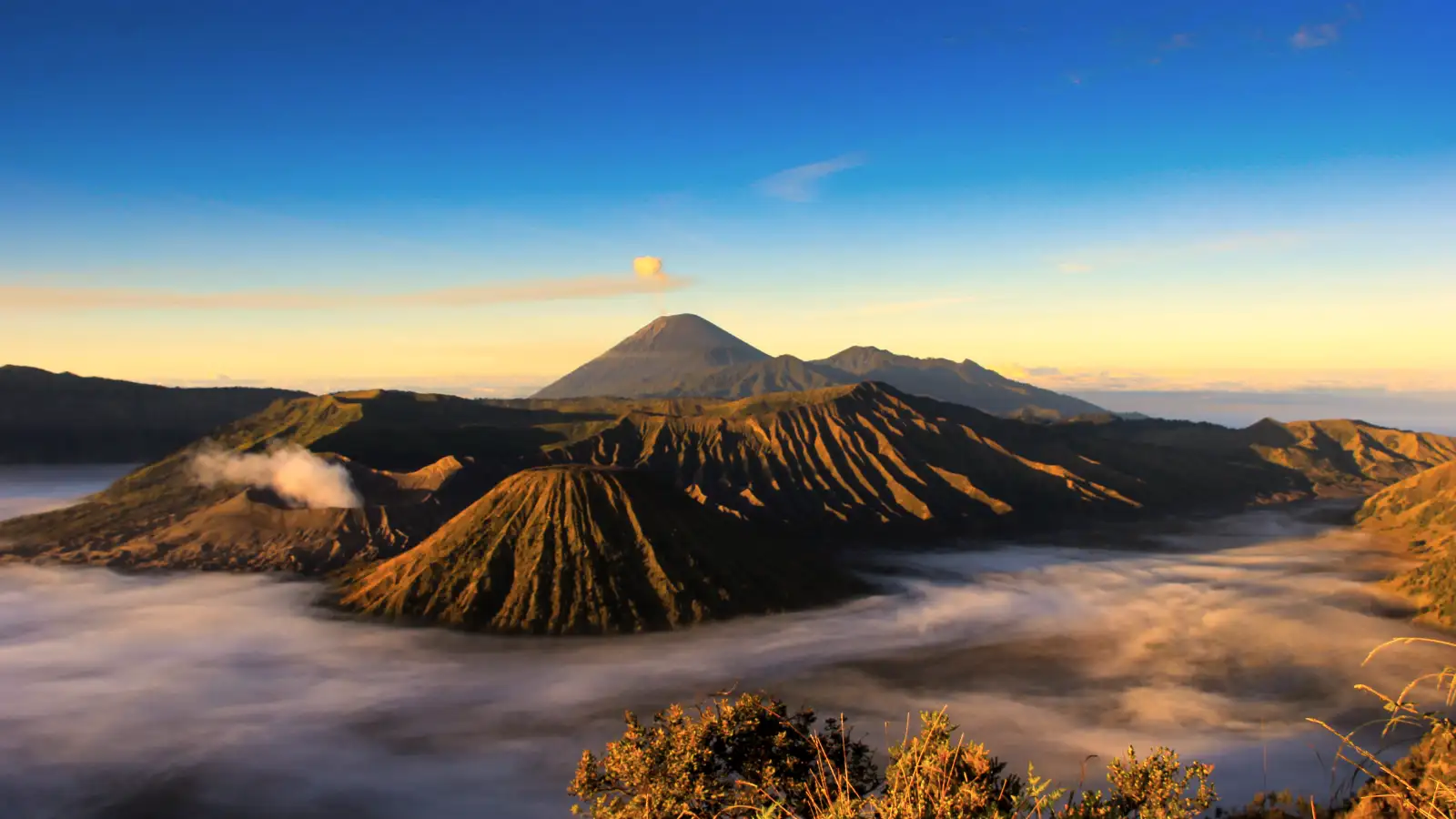
Your alarm screams at midnight. The air in your Bali villa is still warm, but your mind is already drifting toward the freezing peaks of East Java. Planning this journey feels like a jigsaw puzzle with missing pieces. How do you cross the strait? Which volcano comes first? Most travelers lose precious hours stuck in traffic or waiting for ferries that never seem to arrive on time. You want a seamless transition from the beaches of Canggu to the lunar landscapes of Bromo without the logistical headache.
Choosing the right path defines your entire experience. A poorly planned bromo ijen tour can result in twenty hours of cramped van rides and missed sunrises. We have navigated these Javanese roads hundreds of times, witnessing the chaos of the Gilimanuk ferry and the quiet beauty of the backroads. This guide eliminates the guesswork, offering you the most efficient, scenic, and stress-free way to conquer Java’s volcanic giants. If you are ready to stop planning and start exploring, you can lock in your reservation for a premium private tour today.
What You Need to Know
The most efficient route starts in Bali, crosses the Bali Strait to Banyuwangi, and then proceeds overland through East Java. Timing is everything. You must coordinate the Gilimanuk ferry crossing to avoid the midday rush and ensure you arrive at your basecamp before the mountain roads become treacherous in the dark.
Why Trust This Guide
We live and breathe the Javanese highlands. Our teams are on the ground every day, communicating with local rangers and monitoring the ijen volcano activity in real-time. We don’t just aggregate data from the internet; we experience the biting wind at Penanjakan and the sulfur-heavy air of Ijen alongside our guests. This perspective allows us to offer advice that a standard travel agent simply cannot provide.
Deep Local Expertise
Authenticity is our foundation. Our drivers know the exact potholes to avoid on the road to Cemoro Lawang and which coffee stalls in Paltuding serve the strongest brew at 2 AM. We understand the cultural nuances of the Tenggerese people and the resilience of the sulfur miners. When you follow our advice, you are using a blueprint forged by thousands of successful journeys across the East Java road trip circuit.
Up-to-the-Minute Data
Java is a dynamic landscape. Landslides, volcanic tremors, and new government regulations can change access routes in an instant. We maintain direct lines of communication with the BROMO TENGGER SEMERU NATIONAL PARK authorities. This ensures our logistical advice remains current, preventing you from showing up to a closed gate or a blocked road. We prioritize your safety and your schedule above all else.
The Gateway: Crossing the Bali Strait
The journey begins with the drive to Gilimanuk. This western tip of Bali is a four-hour trek from the southern hubs of Seminyak or Canggu. The road is a relentless stream of heavy trucks and motorbikes, winding through scenic coastal villages and rice paddies. Do not underestimate this leg; it is often the most exhausting part of the trip. Arriving at the port, you face the Gilimanuk ferry terminal, a place of organized chaos and the smell of diesel fumes.
Navigating the Ferry Logistics
Crossing to Java is a sensory overload. The ferry ride itself takes about 45 minutes, but the wait times can vary wildly. You will see local vendors selling snacks and hear the constant hum of ship engines. To make this transition smooth, ensure you have your electronic ID or passport ready. The tickets are now digital-only (via the Ferizy system), so trying to buy a paper ticket at the gate is a recipe for frustration. Most high-end tours handle this for you, allowing you to stay in the comfort of your air-conditioned vehicle.
Arrival at Ketapang Port
Once the ramp drops at Ketapang port, you are officially in East Java. The vibe changes instantly. The language shifts, the architecture evolves, and the pace feels slightly more industrious. Banyuwangi, the town surrounding the port, serves as your strategic basecamp if you are heading to Ijen first. This is where you should stock up on supplies, grab a quick meal at a local warung, and prepare for the midnight ascent that lies ahead.
Route Optimization: Ijen First or Bromo First?
The eternal question for every Bali traveler is the direction of the loop. There are two primary schools of thought. The most common route is the “Ijen-then-Bromo” path. This makes sense geographically if you are starting from Bali. You cross the ferry, stay in Banyuwangi, hike Ijen that night, and then drive six hours to Bromo the next day. This keeps the momentum moving westward toward Surabaya or Yogyakarta.
If you are planning to explore the volcanic heart of Java, we highly recommend checking out our comprehensive Ijen Crater tour or the world-famous Mount Bromo tour. For those wanting the complete experience, our Bromo Ijen tour package offers the most seamless logistics. You can also extend your journey with an East Java tour that includes hidden waterfalls and local cultural stops.
The Efficient Loop Strategy
Starting with Ijen is generally more efficient for Bali travelers. You minimize back-and-forth travel. However, some prefer Bromo first to “save the best for last” or to end closer to the Surabaya airport for a quick flight out. If you choose the Bromo-first route, prepare for a long drive from Ketapang straight to Probolinggo. This transit takes about five to six hours, passing through the busy coastal roads of Situbondo. The choice depends on where you plan to go after the volcanoes are done.
Managing the Transit Fatigue
Endurance is key. Whether you pick Bromo or Ijen first, you will spend a significant amount of time in a vehicle. The Javanese landscape is beautiful, but the roads are often congested. We recommend a private car over public buses. Private transport allows you to stop for photos, bathroom breaks, and local meals whenever you want. More importantly, it ensures you reach your destination on time for the mandatory midnight wake-up calls.
Logistics Breakdown: Transport & Timing
Success lies in the schedule. A typical Bali departure starts at 7 PM. This puts you at the Gilimanuk port by 11 PM, crossing the water at midnight, and arriving at the Paltuding basecamp by 1 AM. This timing is razor-sharp. It gives you just enough time to rent a gas mask, meet your guide, and start the hike to see the Blue Fire before dawn. Any delay in Bali—like the infamous afternoon traffic in Tabanan—can ripple through your entire itinerary.
Ferry Times and Traffic Realities
The ferry operates 24/7, but “operating” and “moving” are two different things. During Javanese holidays or long weekends, the queue at Gilimanuk can stretch for kilometers. We monitor these patterns religiously. For a smooth transit, we suggest leaving Bali earlier than you think necessary. It is better to wait thirty minutes for a ferry while sipping a hot tea than to be stuck in a line watching the clock tick toward your hiking start time.
Private vs. Shared Transport
Backpackers often opt for the public bus/ferry/train combination. While cheaper, it is a logistical nightmare that rarely aligns with the sunrise schedules of the volcanoes. Public buses from Denpasar to Gilimanuk are slow and often lack air conditioning. If you are traveling as a group, a private tour is often comparable in price and vastly superior in comfort. It allows you to sleep between destinations, which is a luxury you will desperately need once the 2 AM hikes begin.
Realistic Expectations vs Instagram
Social media portrays these spots as silent, mystical retreats. The reality is much louder and more crowded. At Mount Bromo, the sunrise at King Kong Hill involves hundreds of people jostling for the same photo. You will hear the roar of a hundred Jeep engines and the chatter of excited tourists. Embrace it. The energy is infectious, but don’t expect a private viewing unless you are willing to hike to the lesser-known, more difficult viewpoints.
The Physical Challenge
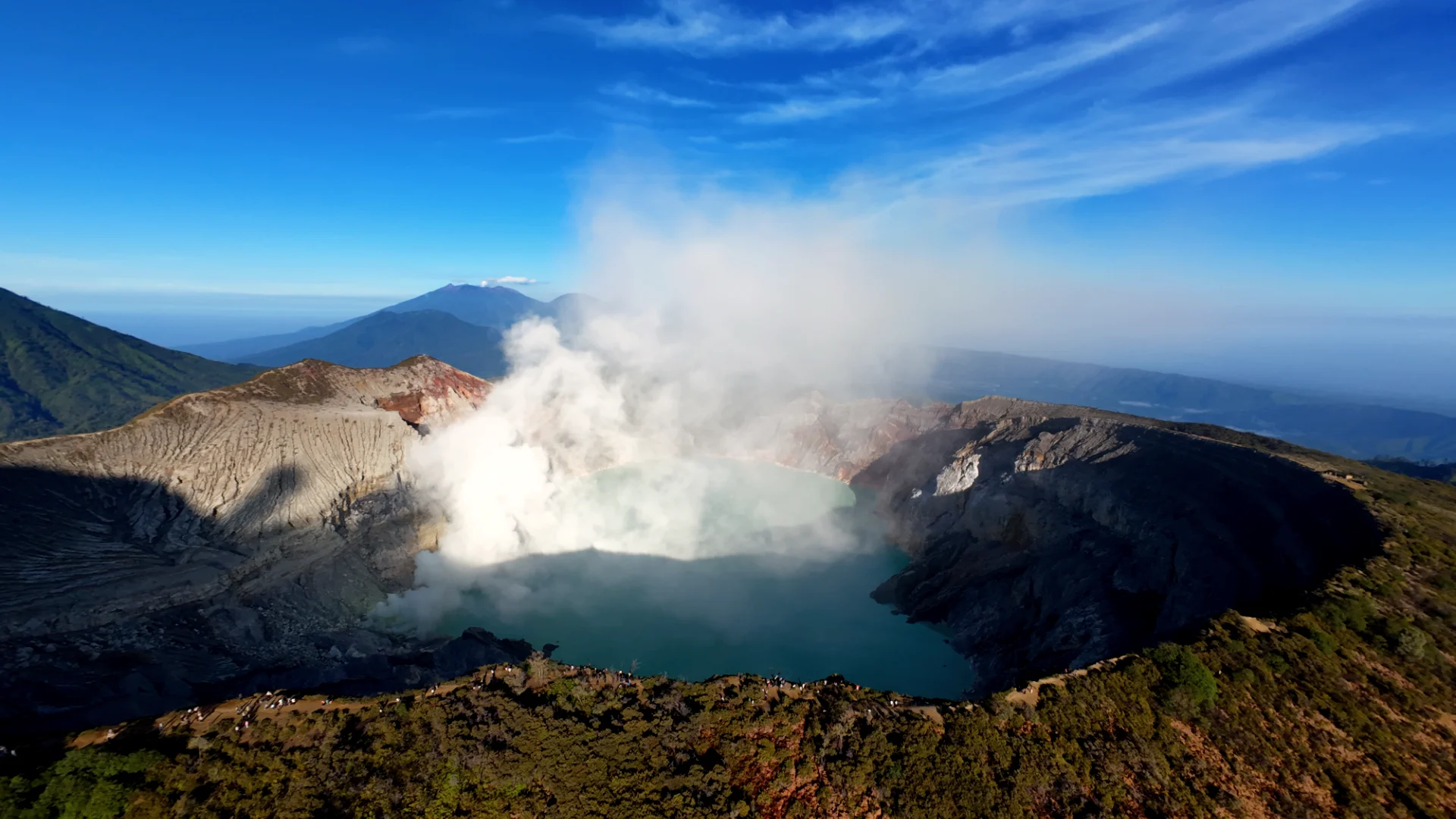
Ijen is not a walk in the park. The first two kilometers are a steep, unrelenting incline on a sandy trail. Your calves will burn, and you will see people struggling. Local porters offer “trolley taxis” for those who find the climb too much, which is a unique sight in itself. The sulfur gas at the rim can be suffocating; a gas mask isn’t just a prop, it is essential survival gear. If the wind shifts, the thick white smoke can blind you for seconds, forcing you to stop and wait for it to clear.
The Bromo Dust and Cold
Bromo presents a different set of challenges. The “Sea of Sand” is exactly what it sounds like. If it’s windy, the volcanic sulfur gas and fine sand will get into every crevice of your clothing and camera gear. It is also surprisingly cold. Temperatures at the viewpoints regularly drop to 5°C (41°F) before sunrise. Many travelers arrive in Bali-wear (shorts and flip-flops) and are forced to buy overpriced beanies and jackets from local vendors at 4 AM. Come prepared with layers.
Continue Your Adventure
Ready to finalize your plans? Exploring the wonders of East Java requires more than just a map; it requires local insight. Check out these top-rated tour packages and guides to ensure your journey is flawless:
- Secure Your Guaranteed Departure Now
- 3D2N Bromo Ijen Tour from Bali (Most Popular)
- Surabaya to Bromo & Ijen with Bali Drop-off
- 1-Day Intensive Ijen Tour from Bali
- 2D1N Mount Bromo Getaway from Bali
- Ultimate 4D3N Volcanoes & Waterfalls Journey
Ready for the Adventure of a Lifetime?
Don’t leave your logistics to chance. Let our local experts handle the ferry, the permits, and the mountain transport while you focus on the views.
Frequently Asked Questions
Q: Which viewpoint at Mount Bromo is the least crowded?
A: Most people head to King Kong Hill or Seruni Point. For a quieter experience, try Mentigen Hill. It is lower in elevation and doesn’t require a Jeep, making it a favorite for those who want to avoid the main convoy of tourists.
Q: How bad is the dust at the Bromo crater rim?
A: It can be intense. The volcanic ash is extremely fine. If the wind picks up, you will be covered in a thin grey film within minutes. We strongly recommend wearing a buff or a face mask and protective eyewear (sunglasses work well) to keep the grit out of your eyes.
Q: Can elderly travelers handle the stairs at Bromo?
A: There are approximately 250 concrete steps to the crater rim. While they are steep, there are small landings to rest. For those with mobility issues, you can take a horse across the Sea of Sand to the base of the stairs, but the final ascent must be done on foot. It is physically demanding but manageable at a slow pace.
Q: Is the Gilimanuk ferry safe at night?
A: Yes, the ferries are large, stable vessels that run continuously. While they are not luxury liners, they are equipped with standard safety gear. The crossing is usually very calm. The main risk at night is the drive to the port through Bali’s winding mountain roads, which is why having an experienced driver is crucial.
Q: What happens if the Blue Fire isn’t visible?
A: Don’t worry, the trip is still worth it. The sunrise from the Ijen rim is world-class, and the views of the turquoise acid lake are stunning once the sun hits the water. Many visitors actually find the lake and the landscape more impressive than the small flickers of blue flame.
Planning to visit Ijen or Mount Bromo?
Explore available tour options and ask our local team about your itinerary.
Explore Tour Packages →