
Can Children Visit Mount Bromo?: The Ultimate Insider Guide
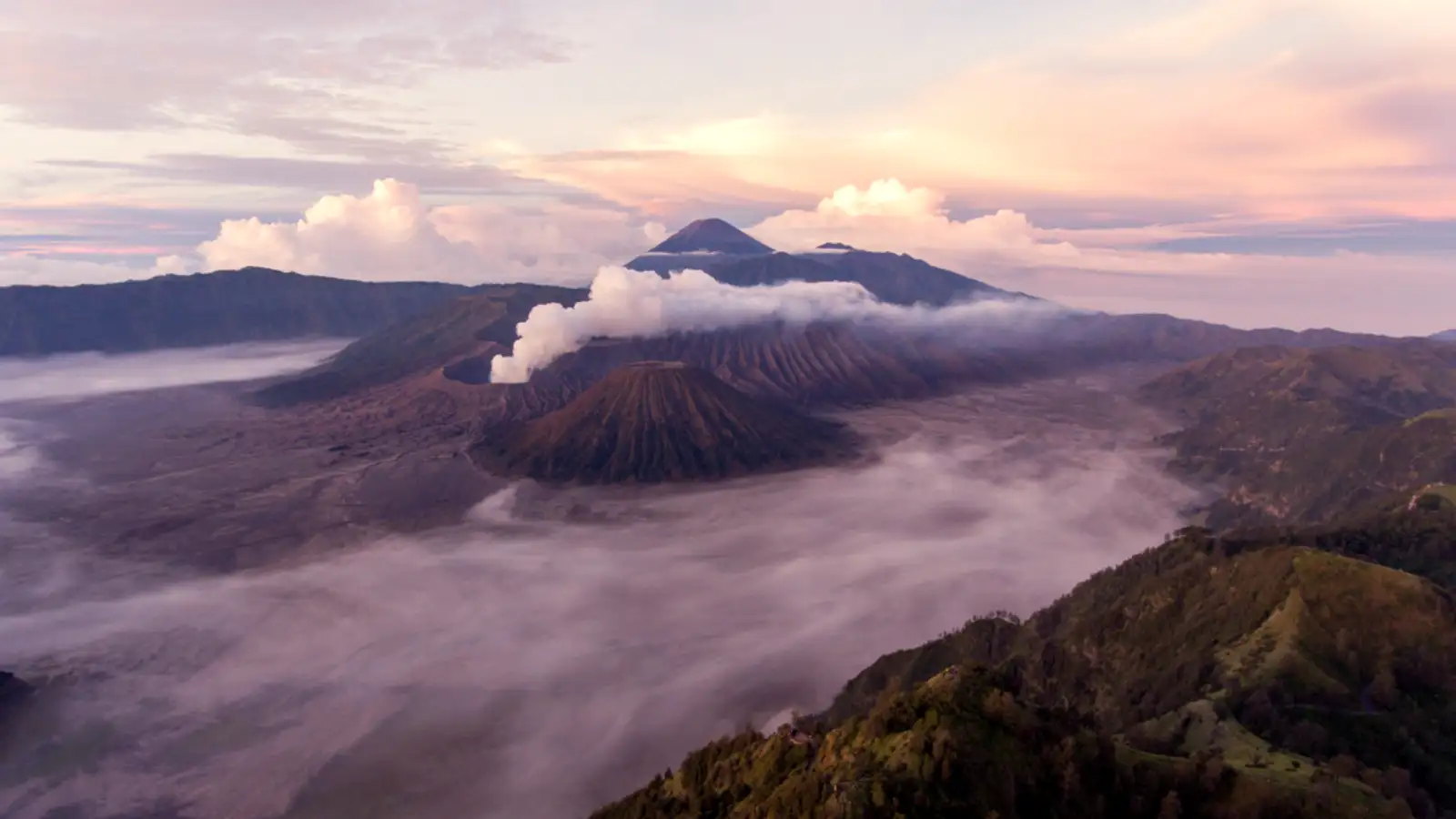
Picture this: It is 3:00 AM. The air is so cold it stings your nostrils, and you are standing in a dark, dusty parking lot in the middle of East Java. Your seven-year-old is rubbing their eyes, wondering why they aren’t in bed. You start to doubt every decision that led you here. Is this too much for them? Will the altitude be a problem? These are the questions that keep parents awake long before the midnight alarm goes off. Planning a Mount Bromo tour with kids feels like a high-stakes gamble, but with the right intel, it becomes the highlight of their childhood.
Most travel blogs show you the perfect Instagram shot of the sunrise, but they forget to mention the bone-chilling wind or the chaos of hundreds of jeeps jockeying for position. If you are worried about safety, logistics, or whether your toddler will survive the crater hike, you are in the right place. We live and breathe these trails. We have seen toddlers conquer the stairs and teenagers find their spark of adventure among the volcanic ash. This isn’t just a trip; it’s a sensory explosion that requires a solid plan from local experts who know the terrain better than anyone.
What You Need to Know
Can children visit Mount Bromo? Absolutely, but “can” and “should” depend on your preparation. Here is the reality check for parents:
- Age Recommendation: Children aged 4 and up generally handle the trip well. Younger toddlers are possible but require significantly more effort from parents.
- The Cold Factor: Temperatures at the Penanjakan viewpoint often drop to 5°C (41°F) before sunrise. This is the biggest hurdle for little ones.
- Altitude: The rim is around 2,329 meters. Altitude sickness is rare here, but the thin air makes physical activity more tiring for kids.
- Flexibility is King: Local rangers make safety calls daily. If the volcanic activity or sulfur levels spike, crater access might be restricted instantly.
- Dust Protection: The Sea of Sand is a dust bowl. High-quality masks aren’t just for style; they are essential for small lungs.
Why Trust This Guide
We aren’t just another travel website rewriting Wikipedia. We are local operators who spend our lives navigating the Bromo Tengger Semeru National Park. Every week, we guide families from around the globe through these volcanic landscapes. We know which jeep drivers are the most careful and which warungs serve the best hot chocolate for a shivering child. Our advice comes from real-world trials, not just brochures.
Local knowledge is critical because Bromo is a living volcano. Conditions change by the hour. We monitor the Indonesian Bureau of Meteorology, Climatology, and Geophysics and work closely with park rangers. When the wind shifts and the sulfur becomes too thick, we know exactly how to pivot the itinerary to keep your family safe while still delivering a world-class experience. You are getting the raw, unfiltered truth about family travel here.
Safety and Logistics for Families
Safety starts with transportation. The 4WD jeeps are the iconic way to reach the viewpoints, but they are also bumpy and loud. For children, this is usually an exciting “Indiana Jones” moment, but it can be jarring for very small infants. Ensure your driver is experienced and isn’t racing other jeeps—a common problem during the peak sunrise rush. A private tour allows you to set the pace and tell the driver to slow down on the winding mountain roads.
Managing the Midnight Start
The “Midnight Start” is the most legendary part of Bromo, and the most difficult for children. Most tours leave from Probolinggo or Malang around 12:00 AM or 1:00 AM. This disrupts a child’s sleep cycle completely. To make this easier, try to book a hotel in Cemoro Lawang. This allows you to wake up at 3:00 AM instead, saving precious hours of sleep. If you are coming from further away, bring plenty of pillows and blankets so they can sleep in the car during the transit.
The Cold and Altitude
Altitude at the viewpoints reaches about 2,770 meters. While not high enough for major altitude sickness, the air is thinner. Kids might get tired or cranky faster than usual. Combine this with the cold, and you have a recipe for a meltdown. Layering is your best friend. A thermal base layer, a fleece, and a windproof jacket are non-negotiable. Don’t forget beanies and gloves; little fingers freeze remarkably fast when waiting for the sun to rise.
Volcanic Gas and Air Quality
Mount Bromo is an active stratovolcano. It constantly emits sulfurous smoke. On most days, the wind carries this away from the viewing areas. However, if you hike to the crater rim, the smell can be intense. Children with asthma or respiratory sensitivities should be monitored closely. We always recommend high-quality N95 masks. They filter out the fine volcanic ash and help dampen the smell of rotten eggs that often hangs over the crater.
If you’re planning a trip to East Java, you shouldn’t stop at Bromo. Exploring the surreal blue flames of a Ijen crater tour is the perfect companion to your volcano journey. Many families choose to combine these experiences into a multi-day Bromo Ijen tour to see the best of Indonesia. Whether you want a dedicated Mount Bromo tour or a wider East Java tour, we have the local expertise to make it happen safely.
The Physical Challenge: Stairs and Sand
After the sunrise, the journey moves to the Sea of Sand. This is a vast, otherworldly plain of volcanic ash that leads to the base of the Bromo crater. Walking this distance is about 1.5 to 2 kilometers. For a child, this is a lot of walking in soft, sinking sand. Many parents choose the “Horse Option.” Local Tenggerese horsemen will offer rides from the jeep parking area to the bottom of the stairs. It is a fantastic experience for kids, but negotiate the price clearly beforehand.
Conquering the Stairs
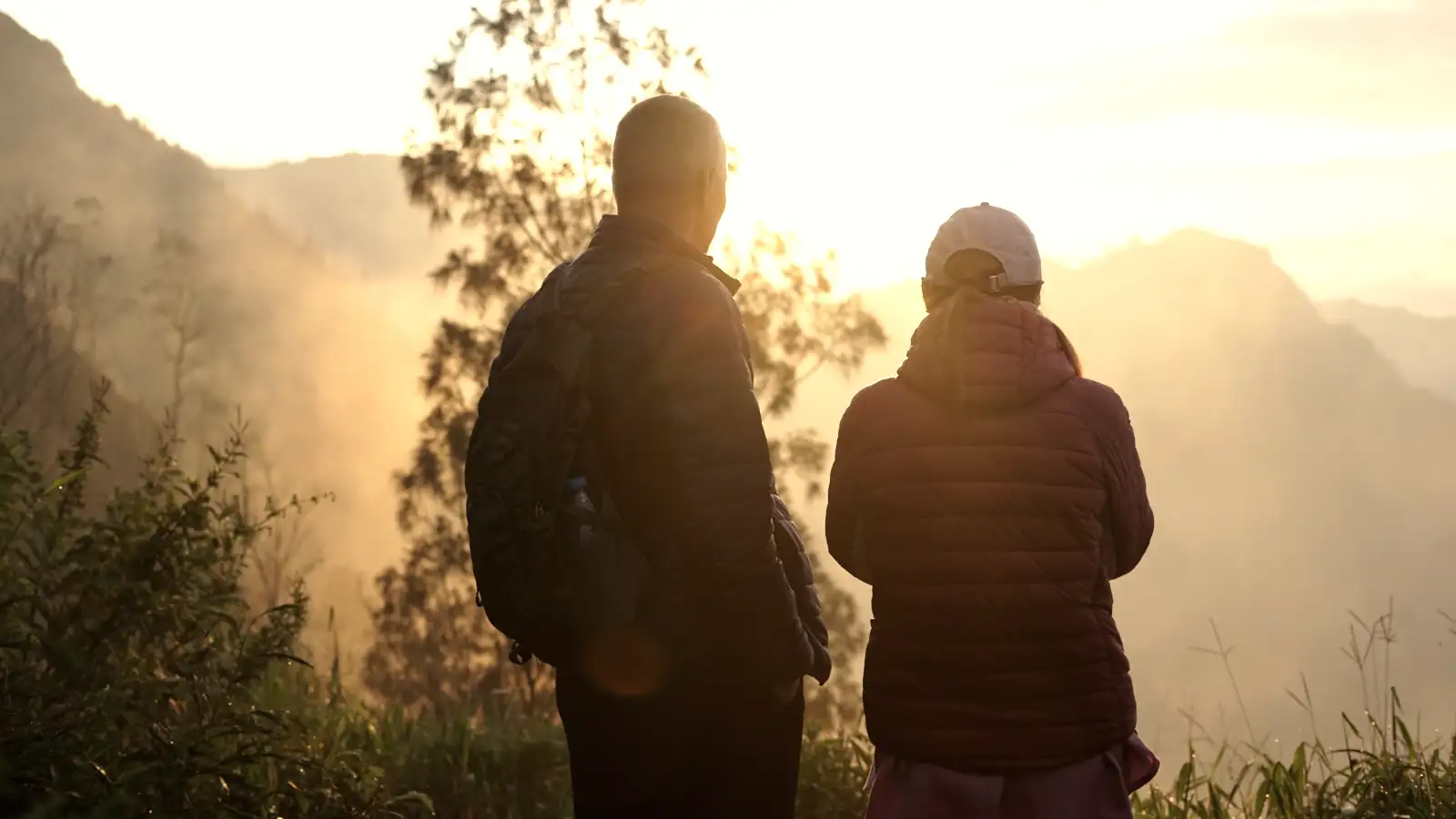
The final push to the rim involves climbing 250 concrete steps. These steps are often covered in ash, making them slippery. There is a handrail, but it is low and sometimes broken in sections. For children under six, we recommend holding their hand tightly or even carrying them in a hiking carrier if they are small enough. Take frequent breaks. The view from the top is breathtaking, but the drop-off into the crater is sheer and unprotected. Keep your children away from the edge.
The Dust Factor
Dust is the silent enemy of the Bromo experience. As jeeps and horses kick up the fine volcanic silt, the air can become thick with grit. It gets into eyes, noses, and mouths. Sunglasses are essential for kids to prevent eye irritation. We also suggest bringing baby wipes to clean their faces after the hike. If your child has sensitive skin, the combination of dust and sweat can cause itching, so a light moisturizer or barrier cream can help.
Toilet Availability
Toilets at Mount Bromo are “rustic” at best. There are basic facilities at the viewpoints and a few near the jeep parking area in the Sea of Sand. They are almost exclusively squat toilets and often lack toilet paper. For families, this is a major pain point. Always carry your own tissues, hand sanitizer, and perhaps a portable “pee-funnel” if your child isn’t used to squatting. It’s better to go before leaving the hotel, though the 3 AM start makes that difficult.
Where to Stay With Kids
Accommodation choice can make or break your trip. If you stay in Probolinggo, you face a 1.5-hour drive before you even start the jeep journey. For families, staying in Cemoro Lawang is a much better move. While the hotels here are basic—think “mountain lodge” rather than “luxury resort”—the proximity to the crater is unbeatable. You can literally walk out of some hotels and see the volcano puffing smoke in the distance.
Luxury vs. Local
If you crave luxury, your options are limited near the volcano. There are a few “premium” villas and lodges popping up that offer hot water and heaters—two things that are not guaranteed in basic homestays. Always check reviews specifically for “hot water consistency” and “heating.” It gets incredibly cold at night, and a room without a heater can make for a very miserable child (and parent). If you are looking for a more comfortable Mount Bromo travel guide, prioritize insulation over aesthetics.
The Homestay Experience
Staying in a local homestay can be a beautiful cultural experience for older children. They get to see how the Tenggerese people live, eat local food like bakso (meatball soup), and experience the mountain life. Most homestays are run by incredibly friendly families who treat guests like kin. However, be prepared for “Mandi” style bathrooms (dipping water from a tank) and very thin blankets. Bringing a lightweight sleeping bag liner can add an extra layer of comfort and hygiene.
Noise and Crowds
Cemoro Lawang is a busy hub. From 2 AM onwards, the sound of jeep engines revving is constant. If your child is a light sleeper, bring earplugs or a white noise machine on your phone. The village comes alive in the middle of the night, and the excitement is palpable, but it can be overwhelming for some kids. Try to find a hotel slightly away from the main jeep “terminal” area to get a few extra minutes of quiet.
Common Mistakes Families Make
The biggest mistake is overpacking the wrong things and underpacking the essentials. Many parents bring heavy strollers. Do not do this. A stroller is completely useless in the deep volcanic sand and on the steep stairs. Use a high-quality hiking carrier for toddlers or a sturdy backpack. Another mistake is ignoring the sun. Despite the cold, the UV rays at high altitude are fierce. Apply sunscreen to your child’s face and neck even if it feels freezing out.
Rushing the Itinerary
Don’t try to do Bromo as a day trip from Bali or Surabaya if you have young kids. The travel times are grueling. Instead, spend at least one night at the mountain. This gives the children time to acclimatize and allows for a more relaxed pace. Many families try to cram too much into 24 hours and end up with exhausted, crying kids who won’t remember the beautiful sunrise—only how tired they were.
Skipping the Breakfast
After the sunrise, the hunger hits hard. Most tours head straight to the crater, but with kids, stopping for a quick “warung breakfast” is a lifesaver. A simple fried rice or a cup of hot tea can provide the energy boost needed for the crater climb. Check out some breakfast spots around Cemoro Lawang to plan your post-sunrise pitstop. Keeping blood sugar levels stable is the secret to avoiding mountain meltdowns.
Continue Your Adventure
The journey doesn’t have to end at the Bromo crater. East Java is packed with incredible landscapes that are surprisingly kid-friendly if you have the right logistics. Here are some of our most popular family-tested packages:
- Mount Bromo Tour from Surabaya (2 Days, 1 Night) – The perfect pace for families.
- Mount Bromo Tour from Malang (1 Day) – A quicker option if you are short on time.
- Mount Bromo Sunrise Tour – Focus on the most iconic views.
- Bromo Day Trip from Probolinggo – Convenient for those arriving by train.
- Mount Bromo Tour from Bali (2D1N) – Bridge the gap between the islands.
- Custom Family Adventure Booking – Tell us what you need, and we will build it.
Ready to Take the Leap?
Don’t let the logistics scare you away from a life-changing family memory. We handle the 3 AM wake-up calls, the jeep bookings, and the safety checks so you can focus on the look of wonder on your child’s face.
Frequently Asked Questions
Q: What is the minimum age recommended for Mount Bromo?
A: While there is no legal age limit, we recommend children be at least 4 years old to enjoy the experience. Younger children can visit, but parents should be prepared to carry them for most of the journey, especially at the crater stairs.
Q: Can we bring a stroller to the Sea of Sand?
A: No, strollers are practically useless at Mount Bromo. The “Sea of Sand” is made of deep, fine volcanic ash that will trap small wheels instantly. A high-quality hiking carrier or a baby-wearing wrap is the only viable way to transport non-walking children.
Q: How bad is the volcanic sulfur for kids?
A: On most days, the sulfur gas stays inside the crater or blows away from the trails. However, if the wind shifts, it can be quite pungent and irritating to the throat and eyes. We always provide or recommend N95 masks for children to ensure they aren’t breathing in harmful particulates.
Q: Is there a “kid-friendly” viewpoint that is less crowded?
A: King Kong Hill is the most famous but also the most packed. For families, Seruni Point or Mentigen Hill are often better choices. They offer great views with slightly fewer crowds, giving kids more space to move around without being bumped by photographers.
Q: Are there clean toilets for children near the volcano?
A: “Clean” is a relative term in the mountains. Most toilets are basic squat styles. We strongly advise parents to carry “toilet kits” including tissue, hand sanitizer, and wipes. There are better facilities at the larger hotels in Cemoro Lawang, so try to use those before heading out.
Q: Is it safe for kids to ride the horses?
A: Yes, the horses are generally calm and led by experienced local handlers. However, always stay right next to the horse if your child is small, and ensure they are wearing a helmet if you brought one, though locals don’t typically provide them.
Planning to visit Ijen or Mount Bromo?
Explore available tour options and ask our local team about your itinerary.
Explore Tour Packages →