Is Mount Bromo Worth Visiting?: The Ultimate Insider Guide
Standing on the rim of an active volcano as the earth breathes beneath your boots is a memory that sticks. But let’s be honest: the journey to get there is often a chaotic, sleep-deprived scramble through the dark. You’re likely wondering if the midnight wake-up calls, the biting mountain chill, and the logistical hurdles of Java Indonesia travel are actually worth the payoff. Will you find a spiritual connection with nature or just a sea of selfie sticks? Is Mount Bromo worth visiting? The short answer is yes, provided you know how to navigate the madness. By securing your guaranteed departure with a local expert, you can bypass the common frustrations and witness one of the most cinematic landscapes on the planet.
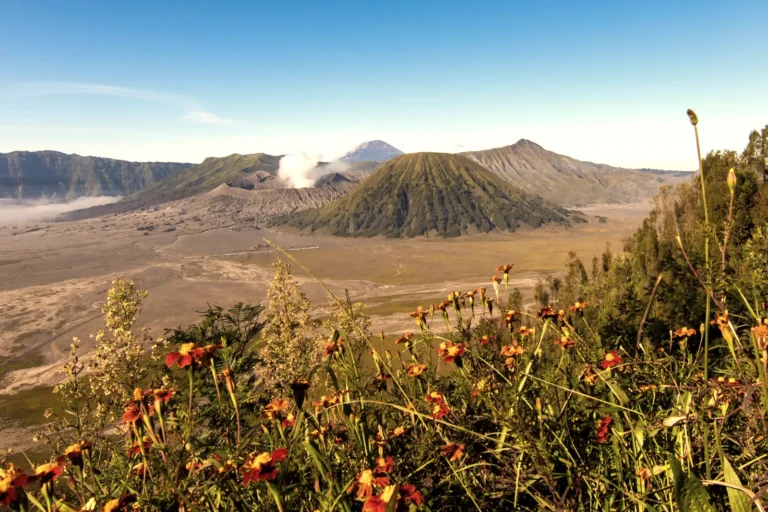
Mount Bromo isn’t just a mountain; it’s a centerpiece of the massive Tengger Semeru National Park. This region offers a surreal, lunar-like environment known as the Sea of Sand, where active volcano hiking takes on a literal meaning. You’ll hear the roar of the crater long before you see the steam. It’s a sensory overload—the smell of sulfur, the crunch of volcanic ash, and the sight of Mount Semeru puffing smoke in the distance. This guide breaks down the raw reality of the experience so you can decide if this East Java icon belongs on your bucket list.
What You Need to Know
If you’re looking for a quick verdict, here is the essential data. Bromo is world-class but demands preparation. The Mount Bromo sunrise tour typically starts at 3 AM, and temperatures at the viewpoints can drop to 5°C (41°F). The Bromo entrance fee for international visitors is significantly higher on weekends, so aim for a Tuesday or Wednesday to save money and avoid the heaviest crowds. Accessibility is high—you can reach the crater rim via a relatively short trek or even on horseback—making it a rare active volcano experience suitable for various fitness levels. However, the dust in the Sea of Sand is relentless; a face mask is non-negotiable.
Why Trust This Guide
We aren’t just weekend travelers who visited Bromo once and wrote a blog post. Our team consists of local operators and guides who live and breathe the Tengger highlands. We see the crater in every mood—wrapped in thick fog, glowing under the Milky Way, or roaring during periods of increased activity. We know which Jeep tour East Java drivers are the most reliable and which warungs serve the best coffee while you wait for the sun to break the horizon.
Our expertise comes from thousands of successful trips. We’ve navigated the changing park regulations, the shifting volcanic gas paths, and the seasonal weather patterns that can make or break a trip. When we say a certain viewpoint is “too crowded,” it’s because we’ve seen the traffic jams firsthand. This guide is built on raw, real-time operational knowledge to ensure your expectations align with the reality of the mountain.
Local Ties and Authentic Insights
The relationship between the local Tenggerese people and the volcano is sacred. Every year, the Yadnya Kasada festival sees locals climbing to the rim to throw offerings into the fire. Our deep connection with the local community allows us to offer insights into these cultural nuances that generic travel sites miss. We help you move through this landscape as a guest, not just a tourist.
The Reality of the Experience: Expectations vs. Reality
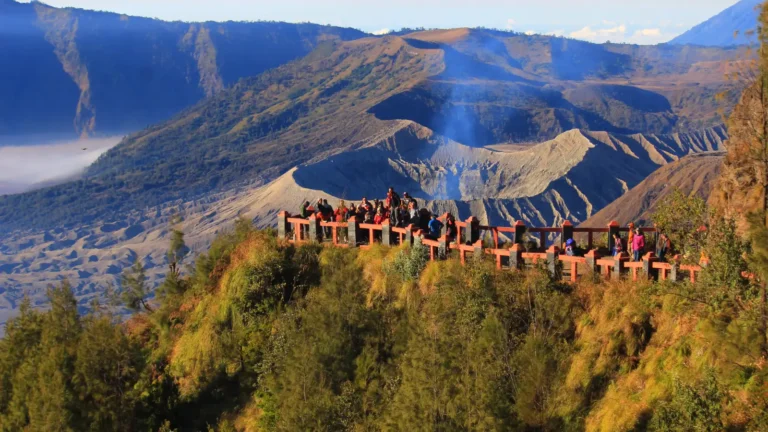
Social media portrays Mount Bromo as a silent, misty paradise where you’re the only person watching the sun rise. The reality is much louder and more frantic. By 4 AM, the most popular spots like King Kong Hill are packed with hundreds of people jostling for a tripod spot. You’ll hear the hum of thousands of idling diesel Jeeps and the chatter of excited crowds. If you expect total solitude at the main viewpoints, you might be disappointed.
However, the moment the sun actually begins to illuminate the caldera, the noise usually fades into a collective gasp. The landscape is genuinely prehistoric. Seeing Bromo’s smoking cone nested inside the larger Tengger caldera, with the perfect cone of Semeru looming in the background, is a visual symphony. It looks like a painting, yet the cold air hitting your lungs reminds you it’s very much real. The “worth it” factor depends entirely on your tolerance for the pre-dawn chaos.
The Brutal Morning Chill
Many travelers arrive in Indonesia with only tropical gear. This is a mistake. At 2,300 meters above sea level, the temperature frequently dips toward freezing before dawn. Standing still for an hour waiting for sunrise can be miserable if you aren’t layered up. We’ve seen many backpackers shivering in thin hoodies, unable to enjoy the view because their hands are numb. Proper preparation is the difference between a dream trip and a freezing ordeal.
The Sea of Sand Dust
Once you descend from the viewpoints into the caldera, you enter the Sea of Sand. This is a vast volcanic plain that creates its own micro-climate. When the wind picks up, or when hundreds of Jeeps and horses kick up the fine volcanic ash, visibility drops and breathing becomes difficult. It’s gritty, it’s messy, and it will get into every crevice of your camera gear. But driving across this desolate expanse feels like a scene from a sci-fi movie.
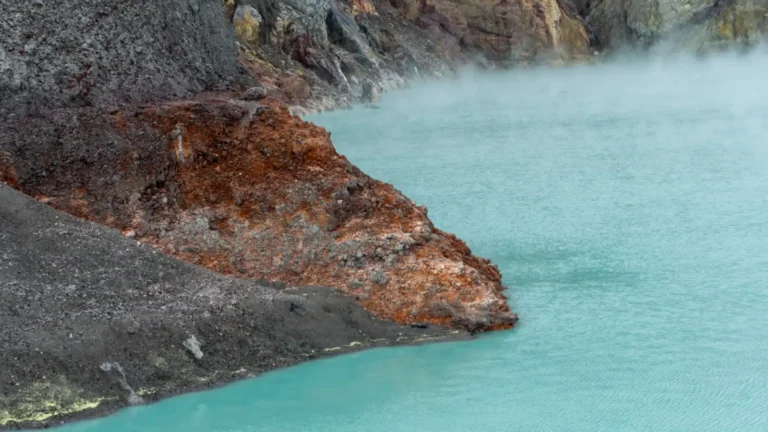
If you’re planning a trip to East Java, you shouldn’t stop at Bromo. Many travelers choose to maximize their time by booking a Bromo Ijen tour to see both the “Sea of Sand” and the famous electric blue flames of the Ijen Crater. For those starting their journey in the city, a Mount Bromo tour offers a direct route to the highlands. If you are looking for the ultimate sulfur-lake experience, consider an Ijen crater tour. For a broader look at the region’s waterfalls and volcanoes, explore our comprehensive East Java tour packages.
Viewpoints and Vistas: Beyond the Main Crowd
Most tourists are funneled toward Penanjakan 1, the highest and most famous viewpoint. While the view is objectively stunning, the atmosphere can feel more like a concert crowd than a mountain peak. If you value personal space, consider King Kong Hill or Seruni Point. These spots offer nearly identical views of the caldera but often with a slightly more manageable density of people. Experienced guides know exactly when to pivot to these alternative spots if the main hub is overflowing.
For a truly different perspective, look into Mentigen Hill. You can walk here from the village of Cemoro Lawang without needing a Jeep. It’s lower down, meaning you don’t get the “above the clouds” eagle-eye view, but you get a much closer, more intimate look at the Bromo crater itself. It’s a favorite for sunset photographers who want to avoid the pre-dawn rush. Don’t overlook the Bromo crater trek either; standing on the actual rim of the active cone is a visceral experience that a distant viewpoint simply can’t match.
The Roar of the Crater
Hiking to the rim involves a walk across the Sea of Sand and a climb up about 250 concrete stairs. As you reach the top, the sound changes. It’s a deep, rhythmic thrumming, like a giant jet engine running deep underground. Looking down into the white smoke of the vent is a humbling reminder of the tectonic forces at play. This isn’t a dead monument; it’s a living, breathing part of the Earth’s crust.
Photography Tips for Bromo
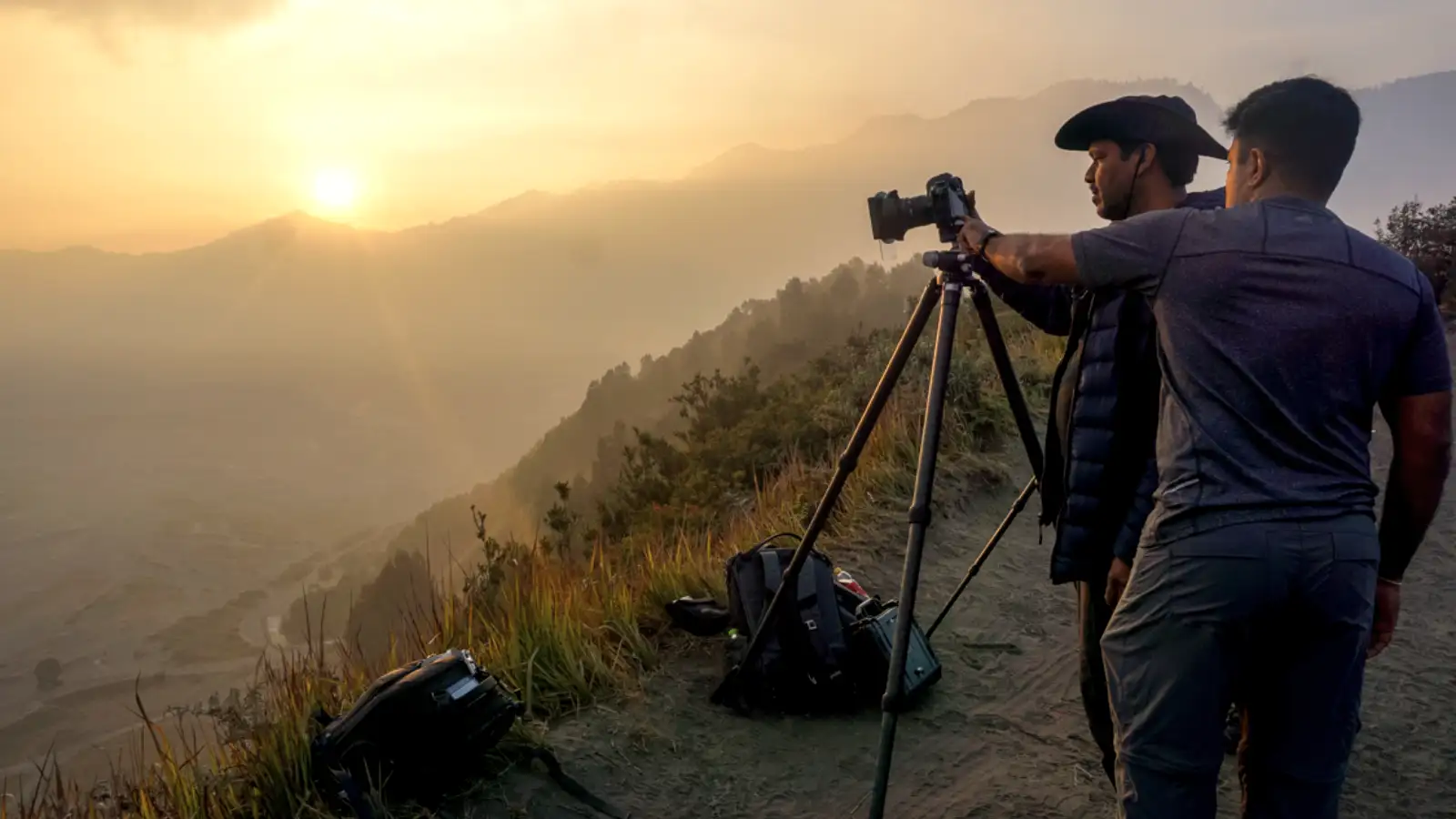
To capture the iconic Bromo shot, you’ll need a wide-angle lens and a tripod. However, the dust is a serious threat to your equipment. Avoid changing lenses while in the Sea of Sand or on the crater rim. Use a weather-sealed bag and consider a simple plastic cover for your camera body. Pro tip: wait about 30 minutes after the sun has actually risen. The “blue hour” is pretty, but the golden light hitting the ridges of the caldera creates much more dramatic textures for your photos.
Logistics and Costs: Planning Your Journey
Getting to Bromo isn’t as simple as hopping on a bus. Most travelers fly into Surabaya or Malang. From there, it’s a 3-4 hour drive to the gateway village of Cemoro Lawang. The logistics are usually handled via a tour package because navigating the Jeep rental system independently at 3 AM is a headache most people don’t want. The current Bromo entrance fee for foreigners is approximately IDR 220,000 on weekdays and IDR 320,000 on weekends. These prices are subject to change by the national park authorities, often with little notice.
Jeep rentals are the standard way to move between viewpoints and the caldera. A private Jeep typically costs between IDR 600,000 and 800,000, which can be split among a group. If you’re a luxury traveler, you can find high-end lodges in the area, though “luxury” in the highlands is often more about the view and the heater than gold-plated faucets. Backpackers will find plenty of simple homestays that offer a bed, a thin blanket, and a bowl of hot instant noodles—exactly what you need at midnight.
Timing is Everything
The dry season, from May to September, is the best time for clear views. During the wet season (October to April), you run a higher risk of the caldera being completely socked in by fog. That said, even in the dry season, nature is unpredictable. We’ve seen perfectly clear nights turn into misty mornings in a matter of minutes. Flexibility is key. If you have the time, staying for two nights gives you a “backup” sunrise in case the first one is a washout.
Staying in Cemoro Lawang vs. Probolinggo
Staying in Cemoro Lawang puts you right on the edge of the caldera. You can walk to some viewpoints and feel the mountain atmosphere. Staying in Probolinggo or further away means a much longer drive in the middle of the night. If your budget allows, always choose the village closest to the crater. The extra hour of sleep and the ability to explore the village on foot during the day is worth the higher accommodation price.
Common Mistakes First-Time Visitors Make
The biggest mistake is underestimating the physical toll of the “midnight start.” If you arrive in the village at 10 PM and expect to hike at 3 AM, you’ll be a zombie by the time you reach the crater. Try to arrive early the day before to acclimate to the altitude and get a few hours of solid sleep. Another common error is wearing fashionable sneakers. The volcanic ash is slippery and abrasive; you need shoes with actual grip, ideally hiking boots or sturdy trail runners.
Many travelers also forget to bring enough cash. While some larger hotels take cards, the entrance gates, Jeep drivers, and local warungs are strictly cash-only. ATMs in Cemoro Lawang are notoriously unreliable, often running out of cash during peak holiday periods. Carry more than you think you’ll need to avoid being stranded or unable to pay for your transport back to the airport.
Ignoring the Safety Warnings
Mount Bromo is an active volcano. The status can change from Level 1 (Normal) to Level 2 (Waspada) or higher within hours. When activity increases, the rangers may close the stairs to the rim or even the entire Sea of Sand. Never try to bypass the safety ropes or ignore the local guides’ advice. Volcanic gas can be suffocating even if there’s no visible eruption, and the wind can shift those gases toward the hiking paths instantly.
Continue Your Adventure
Don’t let your Indonesian journey end at the Bromo rim. There is so much more to see in East Java. Use these resources to plan your next steps:
- Book Your Trip Now: Lock in your dates for a stress-free adventure.
- Mount Bromo Sunrise Tour from Surabaya: The most popular way to reach the mountain quickly.
- Bromo Ijen Tour (3D2N) with Bali Drop-off: The ultimate cross-island transition.
- Mount Bromo Tour from Yogyakarta: Perfect for those coming from Central Java’s temples.
- Mount Bromo Tour from Probolinggo: A classic route for train travelers.
Ready to See the Fire and Fog?
Mount Bromo is a place of extremes. It’s loud, quiet, freezing, and dusty all at once. It requires effort, but the reward is a landscape that feels like it belongs on another planet. Don’t leave your experience to chance or struggle with unreliable local transport. Our team of local experts is ready to handle the logistics so you can focus on the sunrise.
Frequently Asked Questions (FAQ)
Q: Which viewpoint is the least crowded?
A: Seruni Point or Mentigen Hill are significantly less crowded than Penanjakan 1. Mentigen Hill is particularly peaceful as it’s accessible by foot from Cemoro Lawang, meaning fewer Jeep convoys congregate there.
Q: How bad is the dust in the Sea of Sand?
A: It can be intense, especially during the dry season. The fine volcanic ash gets everywhere. We strongly recommend wearing a proper N95 mask or a buff, and using a protective cover for your camera and phone.
Q: Can elderly travelers handle the stairs?
A: The climb to the crater rim has 250 concrete stairs which can be taxing. However, you can hire a horse to take you across the Sea of Sand to the base of the stairs, saving your energy for the final ascent. Elderly travelers with moderate fitness can usually manage if they take frequent breaks.
Q: Is it safe to visit while the volcano is active?
A: Yes, provided you follow the local government’s status reports. The park rangers monitor seismic activity daily. If the volcano enters a dangerous phase, the rim will be closed. We always check these updates before every departure.
Q: Do I really need to leave at 3 AM?
A: If you want to see the sunrise from the high viewpoints, yes. The Jeep journey and the walk to the viewpoint take time. If you aren’t interested in the sunrise, visiting at 8 AM or 9 AM is much quieter, though the lighting for photography isn’t as dramatic.