
How Early Should You Leave for Mount Bromo?: The Insider Guide
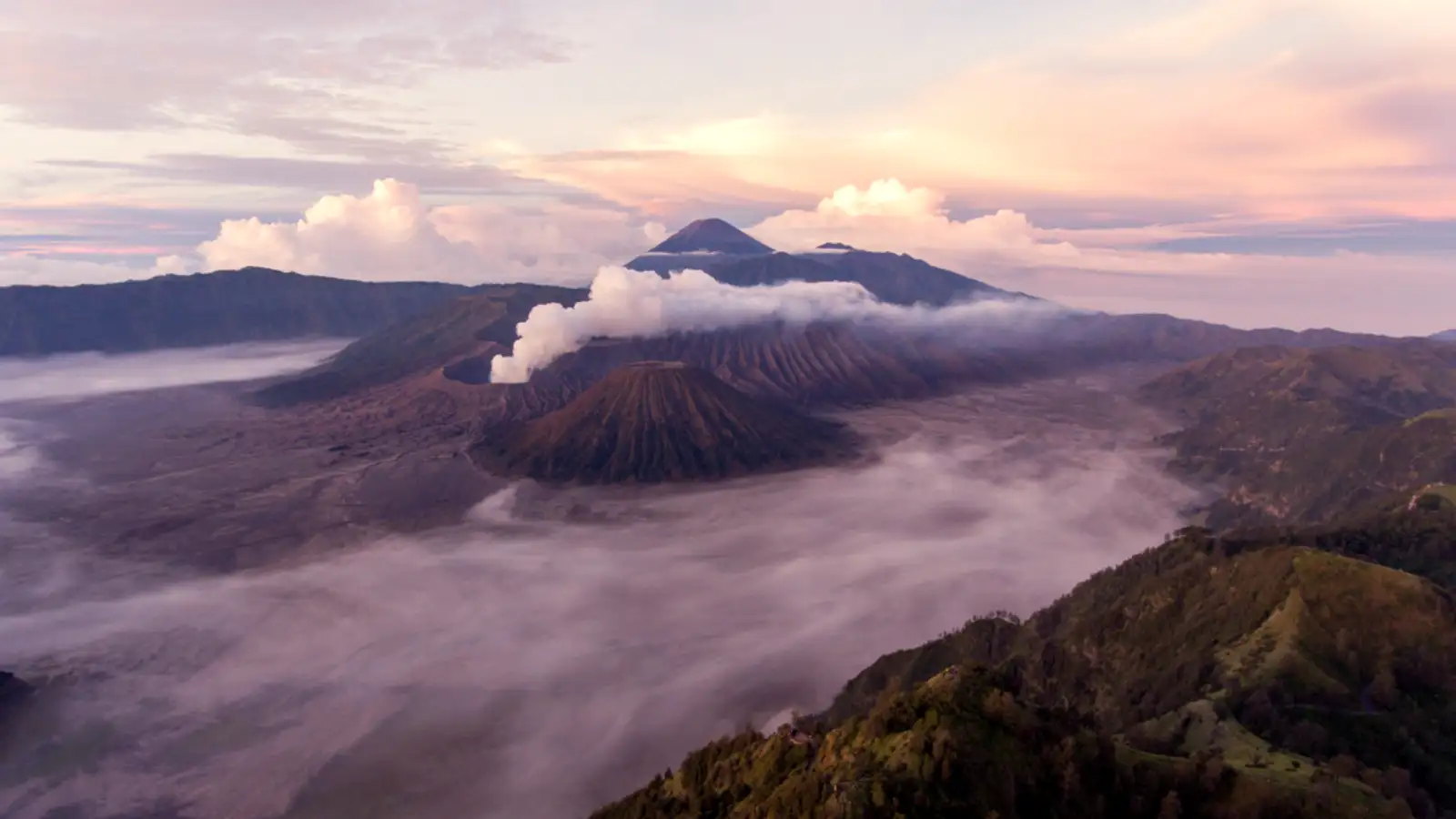
Standing on the edge of a volcanic caldera at 3 AM is a surreal experience. The air is so thin and cold it stings your lungs, and the sky is often so clear you can see the Milky Way arching over the jagged peaks. Most travelers ask the same nervous question while clutching a steaming cup of local coffee: exactly how early should you leave for Mount Bromo? Timing here isn’t just about catching a glimpse of the sun; it is about outsmarting the literal hundreds of Jeeps that descend upon the viewpoints every morning.
Getting your timing wrong means more than just a late start. It means being stuck in a kilometer-long traffic jam of 4×4 vehicles, breathing in diesel fumes instead of fresh mountain air. You might end up sprinting up a steep dirt path, heart hammering against your ribs, only to find the best photo spots already occupied by rows of tripods. To avoid this chaos, you need a plan that accounts for your starting location, the current volcanic activity, and the specific viewpoint you want to conquer. Before you set your alarm, you should consider securing your guaranteed departure with an expert team that knows these roads in the dark.
The standard wake-up call for a Mount Bromo tour usually happens around midnight or 1 AM. This sounds extreme to the uninitiated, but once you see the caravan of lights snaking up the mountain, you will understand why. Whether you are staying in the village of Cemoro Lawang or driving in from Probolinggo, your departure time dictates whether you see the “Golden Hour” in peace or through the back of someone’s head.
What You Need to Know
- Optimal Departure: 2:30 AM if staying in Cemoro Lawang; 12:30 AM from Probolinggo; 11:30 PM from Malang.
- Top Viewpoints: Penanjakan 1 (highest), King Kong Hill (most popular), and Seruni Point (lower but accessible).
- The Crowd Factor: Expect 500+ Jeeps on weekends. Mid-week is slightly calmer but still busy.
- Weather: Temperatures drop to 0-5°C before dawn. Layers and windbreakers are mandatory.
- Safety: Always check the latest status of Mount Bromo’s geological history and current alert levels via local rangers.
Why Trust This Guide
We aren’t just writers sitting in an office; we are local operators who live and breathe the East Java volcanic circuit. Every morning, our team navigates the dusty tracks of the Bromo Tengger Semeru National Park. We know which Jeep drivers are the most reliable and which shortcuts lead to the least crowded viewpoints when the main road is blocked. We have seen the conditions change from clear skies to thick volcanic ash clouds in a matter of minutes.
Our expertise comes from years of managing logistics for both luxury travelers and rugged backpackers. We understand the nuance of the local Tenggerese people and their relationship with the mountain. When we tell you to leave at 2:30 AM, it is because we have seen travelers leave at 3:15 AM and miss the first light because they were stuck behind a broken-down vehicle in the Sea of Sand. This guide is built on real-time data and the daily experiences of our ground staff.
Departure Timing by Starting Location
Where you sleep the night before determines exactly when your journey begins. If you are staying in the rim-side village of Cemoro Lawang, you have the greatest advantage. You can leave your hotel at 2:30 AM or 3:00 AM. This gives you enough time to meet your Jeep driver, navigate the descent into the caldera, and climb back up to the viewpoints on the opposite rim. Many travelers choose to walk from the village to Seruni Point, which takes about 45 to 60 minutes of uphill trekking.
Leaving from Probolinggo or Pasuruan
Staying at the base of the mountain in cities like Probolinggo requires a much earlier start. You should aim to depart by 12:30 AM at the latest. The drive from the lowlands up to the National Park entrance takes roughly 1.5 hours. Add to this the time needed to switch from your transit car into a 4×4 Jeep. The logistics here are tight, and any delay in the switch-over can cost you the best spot at King Kong Hill.
The Midnight Run from Surabaya or Malang
For those doing the “Midnight Tour” directly from major cities, sleep is a luxury you won’t have. Most tours from Surabaya or Malang depart around 11:30 PM. The long drive through winding mountain roads is tiring, but it allows you to visit Bromo without booking a local hotel. You will arrive at the park entrance just as the first wave of Jeeps begins to stir. It is a grueling pace, but for many, it is the most efficient way to see the volcano.
Choosing Your Viewpoint Wisely
Not all sunrise spots are created equal. Penanjakan 1 is the highest and most famous, offering a panoramic view that includes Mount Bromo, Mount Batok, and the massive Mount Semeru in the background. Because it is the highest, it is also the most crowded. Jeeps park hundreds of meters away, and you will walk the final stretch alongside a massive crowd. If you want the “classic” shot, this is it, but be prepared for a concert-like atmosphere.
King Kong Hill and Love Hill
King Kong Hill is slightly lower than Penanjakan 1 but offers a very similar perspective with arguably better framing of the crater. It has become incredibly popular in recent years. If you arrive by 3:45 AM, you can usually find a spot on the concrete ledge. Any later, and you will be standing behind three rows of people. Love Hill (Bukit Cinta) is another alternative, often slightly less packed but with a more obscured view of the caldera floor.
The Seruni Point Alternative
If you prefer to hike rather than sit in a Jeep, Seruni Point is your best bet. It is accessible via a long flight of stairs from the end of the road in Cemoro Lawang. While it doesn’t give you the height of Penanjakan, it offers a dramatic, close-up view of the volcanic smoke. Many local guides recommend this for travelers who want to avoid the Jeep traffic jam entirely. You can leave Cemoro Lawang at 3:30 AM and still reach the top in time for the first purple glow.
If you are planning an epic trip through East Java, you should look into a professional Mount Bromo tour to handle the complex midnight logistics. For those wanting to see the famous blue fire, combining your trip with an Ijen Crater tour is the ultimate way to experience Java’s volcanic power. Most travelers opt for a multi-day Bromo Ijen tour to see both highlights efficiently. To explore even further, consider a full East Java tour that includes hidden waterfalls and local villages.
The Reality of Jeep Traffic and Logistics
The 4×4 Jeep is the lifeblood of Bromo, but it is also the source of its greatest frustration. Each morning, hundreds of colorful Toyota Land Cruisers scramble for position. The descent from the rim into the Sea of Sand is steep and dusty. If you leave your hotel late, you will find yourself in a queue of vehicles that stretches for miles. The noise of engines and the smell of exhaust are a sharp contrast to the serene sunrise you came to see.
Jeep drivers are skilled but aggressive. They know that getting their passengers to the top early means they can secure a parking spot closer to the viewpoint. If you are stuck in the back of the line, you may have to walk an extra 20 minutes just to reach the start of the hiking trail. This is why we emphasize the 2:30 AM departure. That 30-minute head start can save you from a massive logistical headache.
The Sea of Sand Crossing
Crossing the caldera floor in the pitch black is a wild experience. The Jeep bounces over sand dunes and volcanic ridges, often with no clear road to follow. Headlamps crisscross in the dark as drivers navigate by instinct and familiar landmarks. The dust kicked up by the vehicles is intense; even inside the Jeep, you might find a fine layer of gray ash on your clothes. This is the raw reality of Bromo that Instagram filters often hide.
The Post-Sunrise Scramble
Once the sun is up, the rush doesn’t end. Everyone moves back to their Jeeps at the same time to head toward the Bromo crater itself. This creates a second traffic jam as hundreds of vehicles try to exit the viewpoint parking areas. Expect delays. Patience is a requirement here. Use this time to chat with your driver or grab a snack from one of the local vendors selling fried bananas and hot ginger tea.
Preparing for the Volcanic Environment
The temperature at the viewpoints is significantly lower than in the surrounding cities. It is common for the thermometer to hit 0°C (32°F) or even drop slightly below. The wind at Penanjakan 1 can be fierce, making it feel even colder. Luxury travelers often underestimate this, arriving in light jackets and quickly realizing they need to rent a heavy parka from the local stalls. Be smart: wear thermal layers, a beanie, and gloves.
Volcanic ash is another factor. Depending on the current activity, the air near the crater can be thick with fine particles. These are abrasive and can irritate your eyes and throat. A simple surgical mask or a buff is usually enough for the sunrise viewpoints, but if you plan on hiking Bromo crater, you might want something more substantial. The sulfur smell can also be strong if the wind shifts, though it is rarely as suffocating as it is at Ijen Crater.
Health and Fitness Expectations
While the Jeep does most of the heavy lifting, you still need to be mobile. Reaching the best spots at King Kong Hill requires a short but steep climb on uneven dirt paths. The final climb to the crater rim involves over 250 concrete steps, which are often covered in slippery sand. If you have knee issues or heart conditions, take it slow. There are local horse riders who can take you across the Sea of Sand to the base of the stairs, but you still have to climb the steps yourself.
Continue Your Adventure
Your journey through East Java doesn’t have to end at the Bromo sunrise. There are incredible landscapes waiting just a few hours away. Explore these options to complete your itinerary:
- Book Your Trip Now – Secure your spot with the most reliable local team.
- Mount Bromo Sunrise Tour from Surabaya – Perfect for those on a tight schedule.
- Mount Bromo Tour from Yogyakarta – The best way to transition from Central to East Java.
- Mount Bromo Tour from Bali – A popular 2-day escape from the island.
- Bromo Tour from Probolinggo – Stay close to the mountain for a more relaxed pace.
Final Logistics: The Crater Walk
After the sunrise, your Jeep will take you to the caldera floor. From there, it is a 1.5-kilometer walk to the base of the Bromo stairs. This is where you will truly feel the scale of the volcano. The ground is soft, like walking through deep snow, but made of gray ash. The sound of the volcano is like a constant jet engine—a low, rhythmic roar that vibrates in your chest. Leaving the viewpoint by 6:30 AM ensures you reach the crater before the heat of the day and the largest crowds arrive.
Ready to Witness the Magic?
Don’t leave your Bromo experience to chance. Our local experts handle the midnight wake-ups, the Jeep traffic, and the safety checks so you can focus on the view.
Frequently Asked Questions
Q: Which viewpoint is the least crowded at Mount Bromo?
A: Mentigen Hill or the lower Seruni Point usually have significantly fewer people than Penanjakan 1. Mentigen is within walking distance of Cemoro Lawang and offers a side-on view of the crater without the Jeep frenzy.
Q: How bad is the dust during the Jeep ride?
A: It can be very intense, especially during the dry season. The Sea of Sand crossing kicks up a fine volcanic silt that gets everywhere. We recommend wearing a buff or mask and keeping your camera in a sealed bag until you reach the viewpoint.
Q: Can elderly travelers handle the Bromo stairs?
A: The 250 steps are steep and can be slippery. While many active seniors manage it by taking frequent breaks, those with severe mobility issues may find it difficult. However, the view from the base of the crater is still spectacular even if you don’t climb to the rim.
Q: Is it safe to visit if the volcano is active?
A: Mount Bromo is an active volcano and frequently emits smoke and ash. Local authorities monitor it 24/7. If the alert level rises, the “danger zone” radius is expanded, and access to the crater rim may be closed. Always follow the instructions of the National Park rangers.
Q: What happens if I leave after 3:30 AM?
A: You will likely miss the transition from blue hour to golden hour. Furthermore, you will be stuck at the tail end of the Jeep traffic, which can delay your arrival at the viewpoint by 45 minutes or more. In the worst case, you’ll be watching the sunrise from the window of your parked Jeep.
Planning to visit Ijen or Mount Bromo?
Explore available tour options and ask our local team about your itinerary.
Explore Tour Packages →