
Ijen Crater Opening Hours Explained: The Ultimate Insider Guide
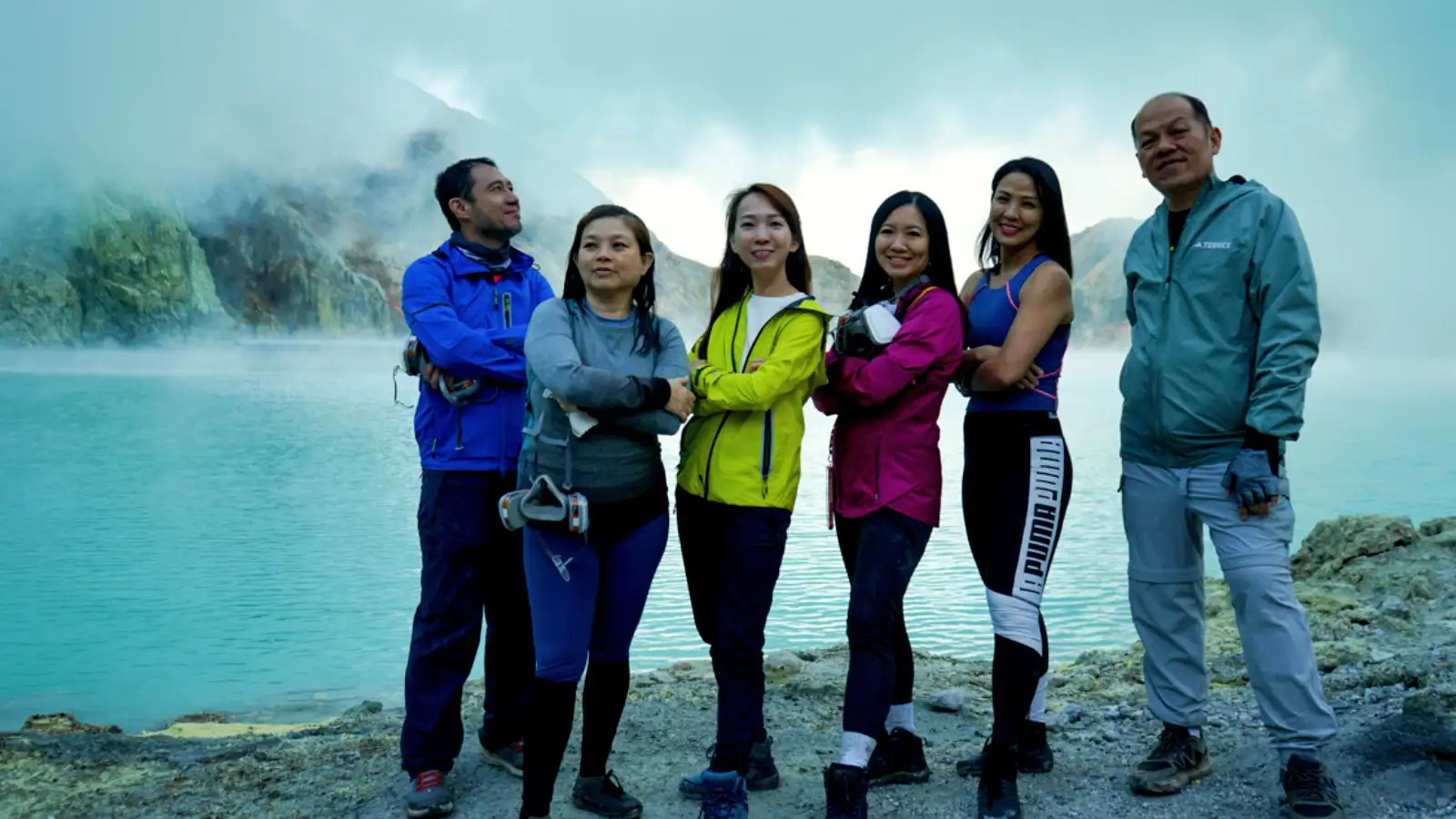
Your alarm screams at midnight. The air in your Banyuwangi homestay is thick with humidity, but outside, the mountain air is already turning sharp and cold. You wonder why you’re doing this. Why wake up in the middle of the night to climb a volcano? The answer lies at the end of a 3-kilometer uphill slog: a neon-blue electric flame and the world’s largest acidic lake. However, getting the timing wrong can mean missing the magic entirely or, worse, arriving at a closed gate. If you want to lock in your reservation and ensure you don’t miss the window, understanding the strict schedule of the Paltuding gateway is non-negotiable.
Ijen isn’t a theme park with fixed turnstiles. It is a living, breathing volcanic complex. Local authorities from the BKSDA (Natural Resources Conservation Agency) monitor gas levels and seismic activity hourly. They decide when the trail is safe for trekkers. This guide breaks down the essential logistics, from the 2 AM gate opening to the critical “Blue Fire window” that closes as soon as the sun breaks the horizon. Most travelers underestimate the hike’s steepness and the biting cold. We’re here to make sure you arrive prepared, on time, and with realistic expectations for this Ijen Crater tour.
What You Need to Know
- Gate Opening Time: Typically 02:00 AM (midnight). This can change based on volcanic activity.
- Blue Fire Window: Best seen between 03:00 AM and 04:30 AM. It disappears as daylight arrives.
- Ticket Requirements: Online booking is mandatory via the official BKSDA website.
- Closing Time: The trail usually closes to new hikers by 12:00 PM (noon), though most are down by 9:00 AM.
- Closure Days: The crater is closed to the public on the first Friday of every month for “Ijen Libur” (nature cleaning day).
Why Trust This Guide?
We aren’t just desk-bound travel writers. We are local operators who spend our lives on the slopes of Mount Ijen. We see the shift in the winds, the change in the sulfur gas density, and the way the rangers react to every rumble of the earth. When the gate opening hours change due to a “Level II Alert” or a sudden gas spike, we are the first to know. Our team coordinates daily with the mountain guides and sulfur miners to provide real-time updates to our guests.
Every piece of advice here comes from thousands of successful midnight climbs. We’ve seen the panic when hikers arrive at 4 AM only to realize they’ve missed the Blue Fire. We’ve helped travelers navigate the chaos of the Paltuding parking lot during peak holiday seasons. This guide is built on grit, local knowledge, and a deep respect for the volcano. Whether you are looking for a Bali to Ijen midnight departure or a luxury stay in Banyuwangi, we provide the ground truth.
Official Ijen Crater Opening Hours
The standard opening time for the Ijen Crater hiking trail at the Paltuding gate is 02:00 AM. This early start is specifically designed to give hikers enough time to reach the crater rim and descend into the caldera to witness the Blue Fire before dawn. On most days, you will find a crowd of jeeps and vans already lining the entrance by 1:30 AM. The atmosphere is a mix of excitement and shivering cold, as travelers grab a quick ginger tea or coffee at the local warungs (small stalls) before the rangers swing the gates open.
While 2 AM is the norm, it is not set in stone. Volcanic activity can delay the opening to 3 AM or even 4 AM if the gas levels near the trail are deemed too high during the pre-dawn check. Rangers use handheld sensors to monitor the sulfur dioxide (SO2) levels. If the wind is blowing the thick, yellow smoke directly onto the path, they will hold the crowd back for safety. This is why having a local guide is crucial; they can translate the ranger’s announcements and help you adjust your pace accordingly.
The Morning Window and Closing Times
After the sunrise peak, the mountain stays open for those who prefer a daylight trek. The trail remains accessible until roughly 12:00 PM (noon). However, very few people start their hike after 8 AM. By mid-morning, the heat of the Indonesian sun combined with the volcanic heat makes the ascent much more taxing. Furthermore, the wind patterns usually shift around 10 AM, often pushing the thick sulfur clouds up and over the rim, which can obscure the view of the turquoise lake and make breathing difficult even with a mask.
Ijen Libur: The Nature Cleaning Day
One of the most important things to check is the “Ijen Libur” schedule. On the first Friday of every month, the Ijen Crater is completely closed to all visitors. This tradition allows the mountain to “breathe” and gives the local community time to perform conservation work, clean the trails, and manage the infrastructure without the pressure of thousands of tourists. Many travelers arrive in Banyuwangi on a Thursday night only to find they cannot hike on Friday morning. Always cross-reference your travel dates with this monthly closure.
The Blue Fire Window: Why 2 AM?
The “Blue Fire” is a rare phenomenon caused by sulfuric gases emerging from cracks in the volcano at temperatures up to 600 degrees Celsius. When these gases contact the air, they ignite into brilliant blue flames. However, this light is relatively faint. As soon as the first rays of the sun hit the crater at around 5:15 AM, the blue color is washed out by daylight. This creates a very narrow window for viewing. If you start your hike at the 2 AM opening, you have approximately 90 minutes to climb the 3km trail and another 30 minutes to scramble down the rocky path into the crater floor.
Timing is everything here. If you are a slow hiker, you might reach the rim just as the sun is rising, missing the descent to the flames. The descent into the crater is steep and slippery, requiring a headlamp and a solid pair of shoes. You will be sharing the narrow path with sulfur miners carrying 80kg loads on their shoulders. Respecting their path and staying alert is vital during these dark hours. The chaos of the crowd scrambling for photos can be overwhelming, so arriving at the rim early gives you a head start on the descent.
The Reality of the Descent
Descending into the caldera is not officially sanctioned by the BKSDA for tourists, yet it is the only way to see the flames up close. Many choose to view from the rim, but those who go down must be prepared for the suffocating sulfur gas. The wind can shift in seconds, engulfing the path in a “white-out” of thick smoke. This is when the panic usually sets in for first-timers. Keeping your gas mask tight and staying low to the ground is the pro move. The flames themselves might be six feet high or just small flickers, depending on the volcanic pressure that night.
Volcanic Activity and Safety Rules
Mount Ijen is an active volcano, and its status is governed by the Indonesian Center for Volcanology and Geological Hazard Mitigation (PVMBG). Most of the time, the volcano sits at Level I (Normal). However, it frequently jumps to Level II (Alert). When this happens, the opening hours are often pushed back to 4 AM, and descent into the crater is strictly forbidden by the rangers at the rim. These decisions are made based on the concentration of toxic gases like Hydrogen Sulfide (H2S) and Sulfur Dioxide (SO2).
Safety equipment is mandatory. You cannot enter the trail without a gas mask. While many people sell cheap cloth masks at the base, these are useless against volcanic gas. You need a proper respirator with chemical filters. We always recommend renting a high-quality gas mask from a reputable source at the basecamp. Also, remember that the “Trolley Taxi” (local miners who haul tourists up the hill for a fee) are only for the 3km trail to the rim; they do not go down into the crater.
Preparation Tips for the Midnight Hike
The hike to Ijen is 3 kilometers long. While it doesn’t sound far, the first 2 kilometers are a relentless, steep incline on a sandy and dusty trail. Your calves will burn, and your lungs will struggle with the thinning air and the faint scent of sulfur even before you reach the top. It is essential to pace yourself. Many people start sprinting at 2 AM only to burn out halfway up. Wear sturdy hiking boots with good grip; sneakers often slip on the loose volcanic ash during the descent.
Clothing is another major factor. Temperatures at Paltuding can drop to 5-10°C, and on the rim, the wind chill makes it feel much colder. You need layers. A base layer that wicks sweat, a warm fleece or down jacket, and a windproof outer shell are ideal. Don’t forget a beanie and gloves. Once the sun comes up, you’ll find yourself stripping down as the temperature climbs rapidly. If you are unsure what to pack, check our packing list for Mount Bromo and Ijen Crater for a complete breakdown.
Health Certificates and Insurance
In recent years, the local government has occasionally enforced a rule requiring hikers to present a basic health certificate (Surat Keterangan Sehat). This is to ensure that visitors do not have underlying respiratory or cardiac issues that could be aggravated by the hike and the volcanic gases. These can usually be obtained for a small fee at local clinics in Banyuwangi or Bondowoso. While the enforcement of this rule fluctuates, it is better to have one ready than to be turned away at the gate at 2 AM.
Booking Tickets Online
Physical ticket booths at Paltuding are becoming a thing of the past. You must now book your entry permit through the official BKSDA East Java website. The system can be temperamental, and during peak periods like August or local holidays, tickets can sell out days in advance. Make sure your guide has secured your tickets before you leave your hotel. If you are traveling solo, try to book at least 48 hours before your planned hike to avoid the heartbreak of a “fully booked” notification.
Continue Your Adventure
If you’re already in East Java, don’t stop at Ijen. The region is home to some of the most dramatic landscapes in Southeast Asia. Here are our top recommended packages to extend your journey:
- Secure Your Guaranteed Tour Spot
- Ijen Crater 1-Day Trek from Banyuwangi
- Exclusive Ijen Tour from Ubud, Bali
- 2-Day Ijen Adventure from Surabaya
- Luxury Ijen Day Trip from Seminyak
- Relaxed 2-Day Ijen Experience
Ready to Witness the Blue Fire?
Don’t leave your Ijen logistics to chance. Between fluctuating volcanic activity and strict entry rules, a local expert makes the difference between a successful climb and a missed opportunity.
Frequently Asked Questions (FAQ)
A: Most people cluster around the main “Dead Tree” area. If you continue walking along the rim past the descent path for another 15-20 minutes toward the higher ridges, the crowds thin out significantly and the panoramic view of the lake is better.
A: During the dry season, the dust is intense. The feet of hundreds of hikers kick up a fine volcanic silt that gets into your eyes and lungs. Wearing a neck gaiter or buff in addition to your gas mask is highly recommended to protect your skin and nose.
A: The steepness is challenging for those with knee issues or low cardiovascular fitness. However, the “Trolley Taxi” is a viable option. Local miners can pull/push you up to the rim in a modified cart. It’s not cheap, but it allows those who can’t hike to still see the crater.
A: This happens occasionally. If the rangers close the gate after you’ve arrived, you’ll have to wait at the Paltuding warungs. If it stays closed, most tour operators will offer to try again the next day or pivot to a nearby attraction like Jagir Waterfall.
A: There is only one toilet block located about 2 kilometers up the trail near the weigh station (where miners weigh their sulfur). It is very basic. We strongly suggest using the facilities at the Paltuding basecamp before you start.
Planning to visit Ijen or Mount Bromo?
Explore available tour options and ask our local team about your itinerary.
Explore Tour Packages →