Ijen crater visitor regulation: The Master Insider Guide
Planning your ascent to the world’s most acidic lake involves more than just lace-up boots and a headlamp. The current ijen crater visitor regulation framework requires specific documentation that catches many travelers off guard at midnight. Navigating these rules ensures your journey isn’t cut short before you even reach the Paltuding basecamp gates.
Imagine standing in the freezing dark, breath misting in your light beam, only to be turned away for a missing health certificate. This guide breaks down the essential Ijen crater tour requirements to keep your adventure on track. We solve the logistical headache so you can focus on the glowing blue flames.
Securing your spot on this volcanic rim starts with understanding the trekking schedule and local guide regulations. Most travelers prefer to lock in your reservation early to avoid the confusion of on-site bureaucracy. Let’s dive into the specifics of what the BKSDA (Natural Resources Conservation Agency) demands from every hiker today.
What You Need to Know
- Health Certificate: A formal medical statement of fitness is mandatory for all hikers.
- Opening Hours: The trail typically opens at 2:00 AM, though volcanic activity can delay this.
- Booking: Online registration is highly encouraged to ensure entry during peak seasons.
- Safety Gear: Professional gas masks are required due to unpredictable sulfur gas density.
- Guide Rules: While not strictly mandatory for the path, local guides are vital for navigating the crater floor safely.
Why Trust This Guide
Our team operates on the slopes of Ijen daily, witnessing the ijen crater visitor regulation changes firsthand as they happen. We don’t just read the news; we talk to the rangers at Paltuding every single morning. This real-world connection allows us to provide updates that static travel blogs miss.
Local expertise is the difference between a successful sunrise and a frustrated night at the basecamp. We’ve helped thousands of travelers navigate the shifting health certificate requirements and volcanic alerts. Trust the people who live and breathe the sulfur air of East Java.
Mandatory Health and Safety Regulations
The most critical update to the ijen crater visitor regulation is the mandatory health certificate. Every visitor must present a document signed by a licensed physician stating they are in good physical health. This rule was implemented to reduce medical emergencies on the steep, high-altitude trail.
Obtaining this certificate can be done at local clinics in Banyuwangi or Bondowoso for a small fee. Many travelers forget this step and find themselves searching for an open clinic at 11 PM. Don’t let a simple piece of paper ruin your chance to see the turquoise lake.
Physical Fitness and High Altitude
The hike to the rim is approximately 3 kilometers of steady, steep incline. While the path is well-maintained, the dust and thin air can challenge those with respiratory issues. Local authorities take these health checks seriously to ensure everyone’s safety on the volcano.
Gas Mask Requirements
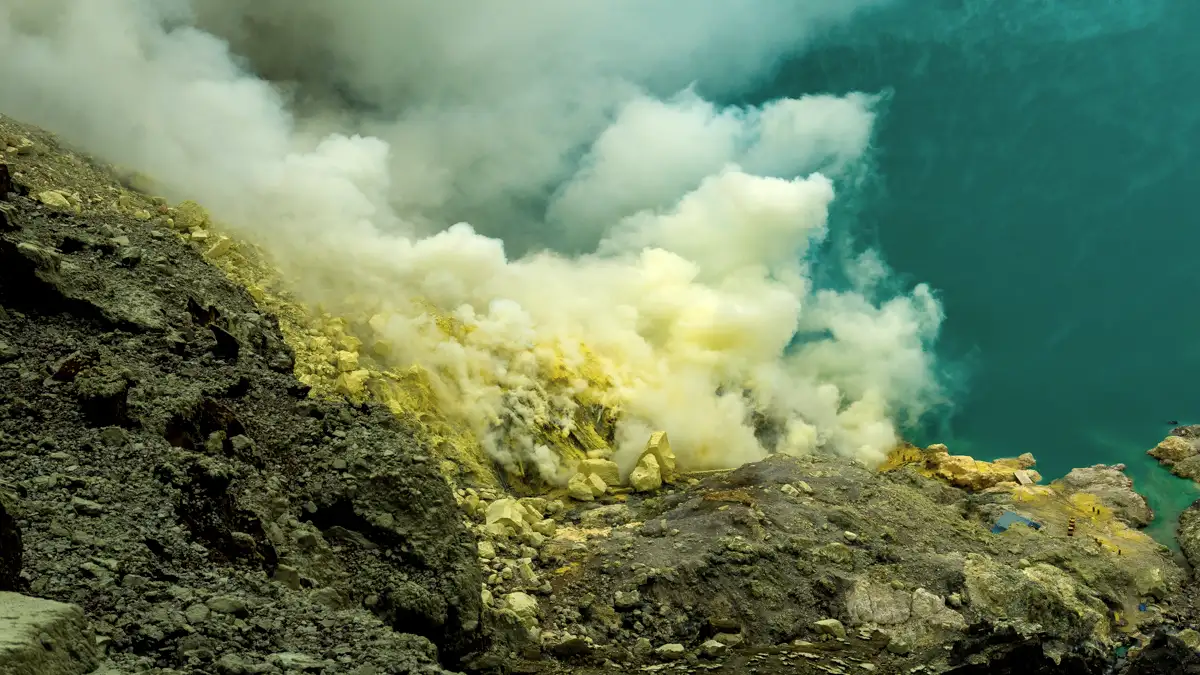
Sulfur clouds at the summit aren’t just smelly; they are genuinely hazardous. Regulations now strongly advise or require the use of a professional respirator mask with chemical filters. Simple surgical masks or scarves offer zero protection against the concentrated volcanic gases found near the crater floor.
Navigating the Sulfur Clouds
Wind direction determines whether your hike is a scenic stroll or a battle for breath. Rangers monitor these conditions and may close the trail to the crater floor if the gas becomes too thick. Always listen to the local authorities who manage the volcanic activity levels throughout the night.
Ticketing Logistics and Entrance Fees
Accessing the Ijen National Park requires a valid entrance ticket, which varies in price between weekdays and holidays. Under the latest guidelines, international visitors pay a higher rate than domestic tourists. This fee contributes to the maintenance of the trails and the salaries of the park rangers.
| Visitor Category | Weekday Price | Weekend/Holiday Price |
|---|---|---|
| International Tourist | IDR 100,000 | IDR 150,000 |
| Domestic Tourist | IDR 20,000 | IDR 36,000 |
Insurance is typically included in your ticket price, providing basic coverage for accidents on the trail. However, this coverage is limited, and we always recommend having your own comprehensive travel insurance. Keep your physical ticket or digital QR code handy throughout the hike for random checks.
Online Booking vs. On-site Purchase
While some walk-in tickets are available, the ijen crater visitor regulation heavily favors online booking through official portals. During peak months like July and August, the park can reach its daily capacity quickly. Securing your permit online ensures you aren’t left waiting at the gate while others start their climb.
Parking and Basecamp Fees
Expect to pay a small additional fee for vehicle parking at Paltuding. Motorbikes and private cars have different rates, usually ranging from 5,000 to 10,000 IDR. These small costs are paid in cash to the local attendants, so keep some small bills in your pocket.
🔥 More Info & Adventures:Maximize your journey through East Java by understanding the full scope of available adventures. Whether you are looking for a focused Ijen crater tour or a broader East Java tour, preparation is key. Many travelers choose to combine their visit with a stunning Mount Bromo tour for the ultimate volcanic experience. For those short on time, the comprehensive Bromo Ijen tour offers the perfect balance of both iconic peaks.
Volcanic Activity and Daily Decisions
Ijen is an active volcano, and safety is the top priority for park officials. The ijen crater visitor regulation is dynamic, meaning the trail can be closed at a moment’s notice if seismic activity spikes. Rangers use a traffic light system to indicate danger levels, with “Level 1” being the standard for safe tourism.
When the volcano is restless, the descent into the crater to see the blue fire is often the first thing to be restricted. This is because gas concentrations are highest on the crater floor. Even if the trail to the rim remains open, you must respect the yellow tape and the verbal instructions of the local rangers.
Ranger Discretion and Gas Direction
Every morning at 2 AM, the lead ranger assesses the wind and gas density. If the wind blows the sulfur clouds directly across the main path, the start time might be pushed back. These decisions are made for your protection, as inhaling high concentrations of volcanic gas can lead to immediate lung distress.
The Role of Local Guides
While you might be an experienced hiker, a local Ijen guide knows the subtle signs of the mountain. They understand how the gas shifts and where the safest viewing spots are located. Supporting these guides also ensures that local communities benefit directly from your visit.
Emergency Protocols
In the rare event of a sudden gas release, follow your guide and the rangers immediately. Move to higher ground and use your gas mask properly. Familiarize yourself with the volcanic history of Ijen to appreciate the power of the landscape you are exploring.
Insider Tips for a Smooth Entry
Success at the gate often depends on the little things you did the day before. First, ensure your health certificate is clearly legible and ideally has a stamp from the clinic. Digital copies are sometimes accepted, but having a physical printout is a safer bet in the low-light conditions of Paltuding.
Arriving early is the second most important tip. The queue for ticket validation and health checks can be hundreds of people deep by 1:30 AM. If you want to be among the first on the trail, aim to be at the basecamp by midnight to enjoy a coffee at a local warung first.
Dealing with the Cold
The temperature at Paltuding can drop to 5°C or lower before sunrise. Wear layers that you can easily peel off as you generate heat during the steep climb. Many hikers make the mistake of wearing a single heavy coat and end up sweating through it halfway up the mountain.
Respecting the Sulfur Miners
The trail is not just for tourists; it is a workplace for the Ijen sulfur miners. They carry up to 90kg of rock in bamboo baskets and have the right of way. Step aside to let them pass, and if you wish to take a photo, always ask permission and consider offering a small tip or buying a sulfur carving.
Pack the Right Gear
Beyond the gas mask, a powerful headlamp is non-negotiable. Using your phone flashlight is dangerous as it leaves you one-handed on uneven volcanic rock. Wear sturdy shoes with good grip; the trail can be slippery due to fine volcanic dust and loose scree.
Continue Your Adventure
- Book Your Trip Now: Secure your guaranteed departure and let us handle all the complex regulations.
- Full Ijen Guide: A comprehensive look at everything you need for the perfect volcano hike.
- Ijen Tour from Bali: The most popular way to visit Ijen with seamless transport and logistics.
- Banyuwangi Day Trip: Perfect for those staying locally who want a professional guide and gas mask.
- Live Ijen Updates: Stay informed about the latest trail closures and volcanic activity.
- Top Accommodation Picks: Find the best places to rest before your midnight wake-up call.
Ready to Witness the Blue Fire?
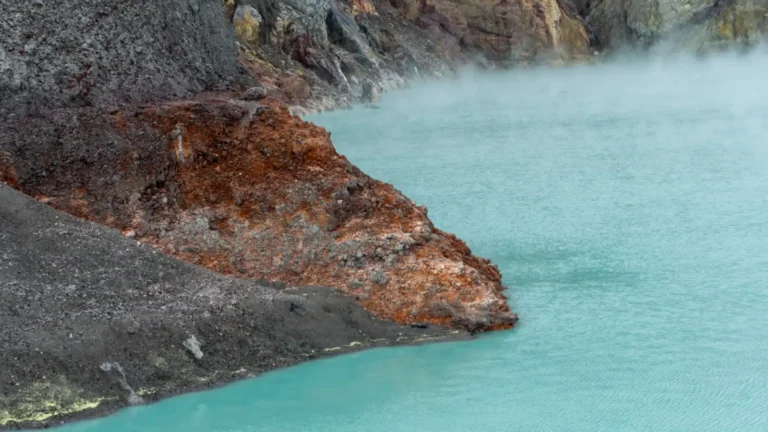
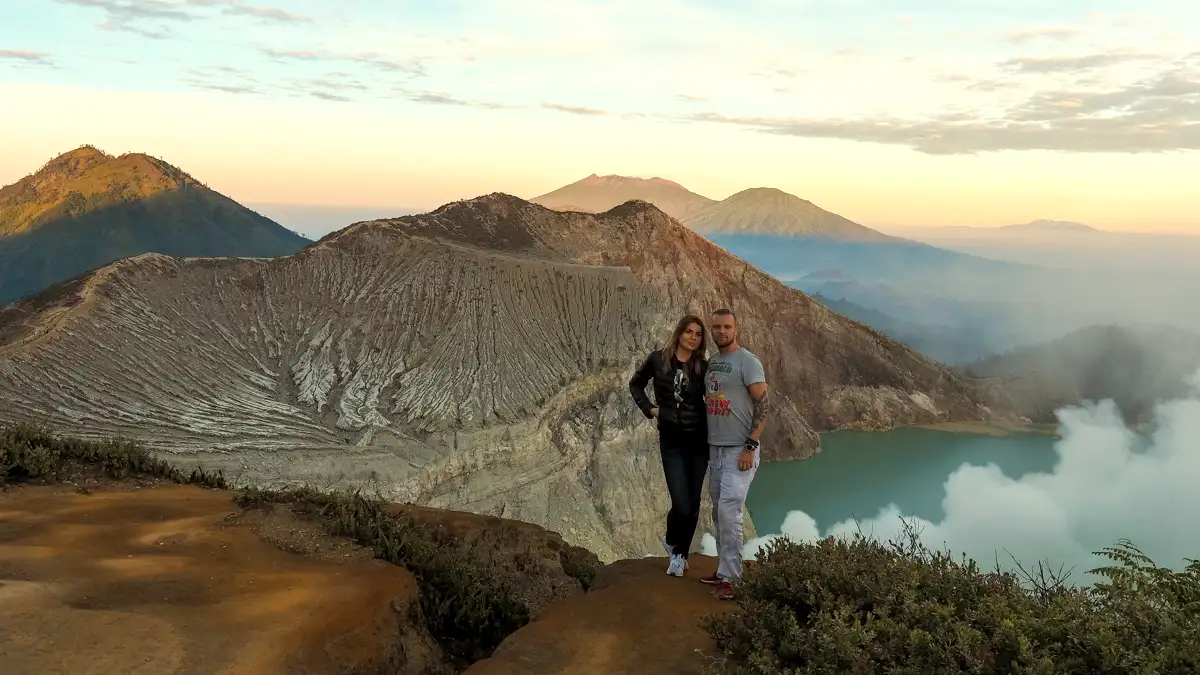
Navigating the ijen crater visitor regulation might seem daunting, but it’s a small price to pay for the experience of a lifetime. The sight of the sun rising over the turquoise acid lake, while sulfur smoke billows into the sky, is a memory that stays with you forever. Let us take the stress out of your logistics so you can focus on the adventure.
Frequently Asked Questions
Q: Where can I get the mandatory health certificate?
A: You can obtain a certificate at local hospitals or small clinics (Puskesmas) in Banyuwangi or Bondowoso. The process usually takes about 15 minutes and involves a simple blood pressure check and general health questions.
Q: Is the trail open every day for visitors?
A: Generally, yes, but the trail closes every first Friday of the month for “Ijen Clean-Up” day. Additionally, the park may close without warning if volcanic activity levels increase or if weather conditions become dangerous.
Q: Do I really need a gas mask to see the lake?
A: Yes, it is highly recommended. While you might not need it for the entire hike, the sulfur gas at the rim and on the crater floor can be suffocating and cause severe coughing or nausea without professional filtration.
Q: Can I hike Ijen without a tour guide?
A: It is legally possible for experienced hikers, but we strongly advise against it for first-time visitors. A guide ensures you follow the current safety regulations, helps you navigate in the dark, and provides vital support if gas conditions shift.
Q: How bad is the dust on the trail?
A: During the dry season, the dust can be quite thick and irritating to the eyes and throat. Many hikers wear a gaiter or a light scarf over their mouth (under their gas mask) and use eye drops after the hike to clear any volcanic grit.