
Attractions Near Mount Bromo: The Ultimate Insider Guide
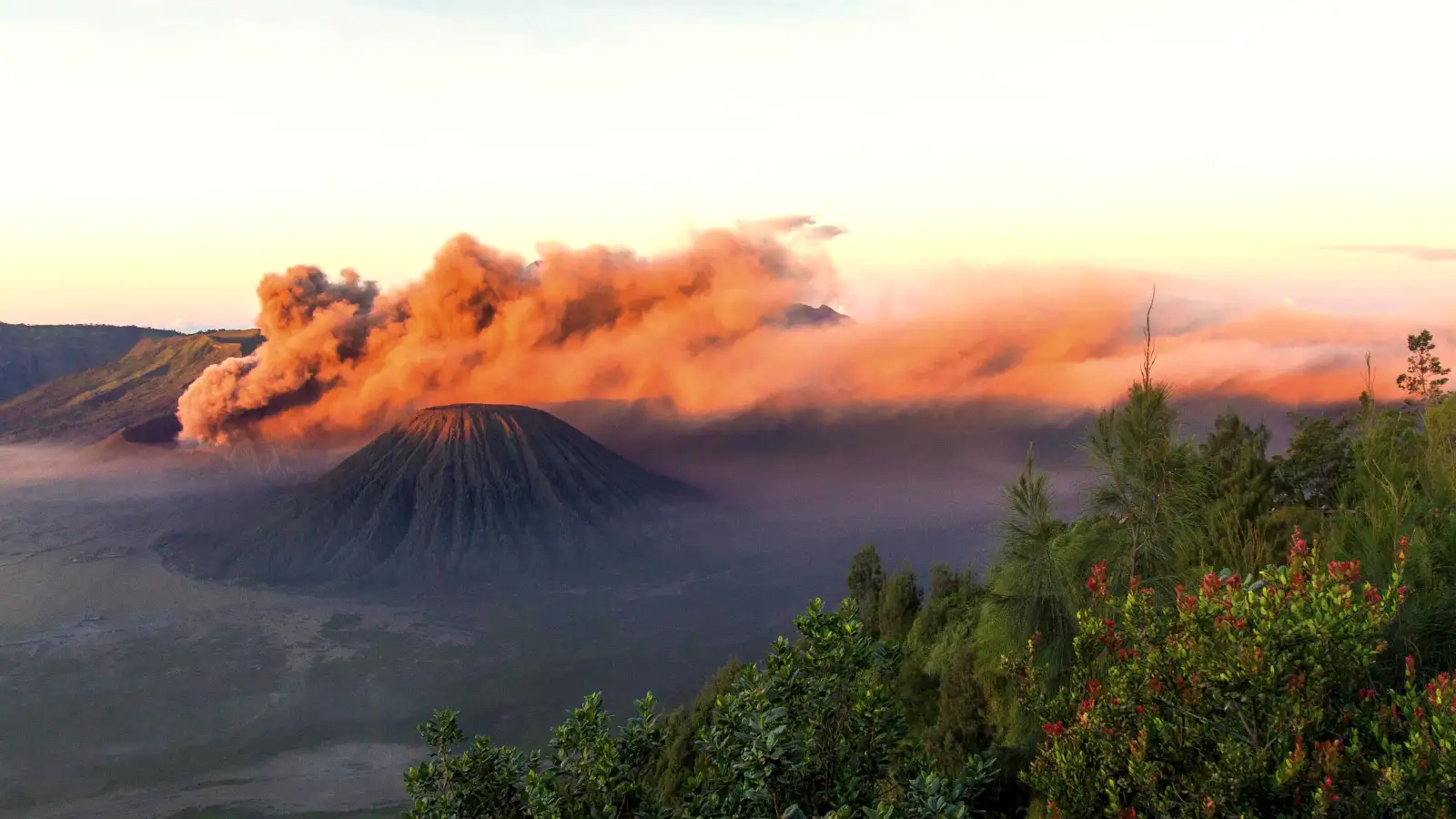
Standing on the edge of the Tengger caldera at 3 AM is a humbling, freezing experience. You are likely shivering in a rented puffer jacket, clutching a steaming cup of ginger tea while hundreds of headlamps dance like fireflies along the ridge. Most travelers arrive, snap the sunrise, walk the crater, and vanish. They miss the soul of East Java. The region is packed with surreal landscapes that feel like different planets, yet many tourists overlook the incredible Attractions Near Mount Bromo that sit just outside the main viewing platforms.
Planning a trip here often feels like a logistical puzzle. You have to navigate erratic 4×4 jeep schedules, unpredictable volcanic activity, and the sheer physical toll of midnight starts. It is easy to get overwhelmed by the “Instagram vs. Reality” gap. Many find themselves stuck in “Sea of Sand” traffic jams or realizing too late that the most beautiful waterfall in Indonesia was only an hour away. That is exactly why we created this guide. We want you to see the side of Bromo that isn’t just a postcard, but a lived adventure.
The secret to a perfect trip lies in the timing. Whether you are searching for the misty depths of the Tengger Caldera or the moss-covered walls of Madakaripura Waterfall, you need a plan that balances the iconic with the intimate. If you want to maximize your time, consider booking your journey through a trusted local operator who knows which backroads to take when the main trails get clogged.
What You Need to Know
East Java is home to much more than just a smoking volcano. Here is the reality of exploring the Attractions Near Mount Bromo:
- The Big Three: Don’t miss Madakaripura Waterfall, the Sea of Sand, and the Savannah (Teletubbies Hill).
- Logistics: You will need a 4×4 Jeep for the caldera. Local rangers monitor volcanic gas daily; safety is the priority.
- Weather: It can drop to 3°C at night but hits 25°C by noon. Dress in layers like an onion.
- Crowds: Sunrise spots like King Kong Hill are packed. If you crave solitude, head to the Savannah after 8 AM.
Why Trust This Guide
We aren’t just writers sitting in an office; we are on the ground in East Java every single week. Our team has navigated these trails during monsoon rains and volcanic alerts. We have seen the Attractions Near Mount Bromo evolve from quiet local secrets to global bucket-list items. This guide is built on hundreds of successful trips and the hard-won knowledge of local drivers who know every pothole from Probolinggo to Cemoro Lawang.
Safety is a dynamic concept here. We coordinate with the Center for Volcanology and Geological Hazard Mitigation to ensure our information reflects the real-time status of the crater. When we tell you about a “hidden” viewpoint, it’s because we’ve actually stood there and timed the sunrise ourselves. We value honesty over “Instagram fluff.” If a spot is crowded or the sulfur is too strong, we will tell you straight.
Our expertise comes from years of operating Mount Bromo tour packages for travelers from all over the world. We understand the specific needs of backpackers looking for a budget thrill and luxury travelers seeking a seamless, private experience. Every recommendation here is tested, verified, and updated to current standards to ensure your adventure is both spectacular and secure.
Madakaripura: The Eternal Drizzle
Deep within a narrow canyon about an hour from the Bromo entrance lies Madakaripura. This is not just another waterfall; it is a spiritual site. Legend says Gajah Mada, the great Prime Minister of the Majapahit Empire, used this spot for his final meditation. The atmosphere is heavy with mist and history. You don’t just look at this waterfall—you walk through it. The canyon walls rise hundreds of feet, draped in neon-green moss that drips water constantly like a natural shower.
The Walk Through the Canyon
The journey starts with a short motorbike taxi (ojek) ride from the parking lot, followed by a 20-minute hike. Local guides are mandatory here, and for good reason. The path crosses slippery streams and narrow ledges. You will definitely get wet. Most visitors rent a plastic poncho at the entrance for a few thousand rupiah. Without it, you’ll be soaked to the bone before you even reach the main 200-meter drop. The sound of the water echoing off the circular canyon walls is deafening and therapeutic at the same time.
Avoiding the Crowds
Timing is everything. Most tour groups hit Madakaripura on their way back from the Bromo sunrise, usually around 10 or 11 AM. If you can manage to visit in the afternoon or very early morning, you might have this cathedral of nature to yourself. Be warned: if there is heavy rain in the mountains above, the rangers will close the canyon immediately due to flash flood risks. Always listen to the local guides; they know the rhythm of the river better than anyone.
Tumpak Sewu: The Thousand Waterfalls
If Madakaripura is spiritual, Tumpak Sewu is purely cinematic. Often called the “Niagara of Indonesia,” this curtain of water drops into a horseshoe-shaped ravine with the smoldering peak of Mount Semeru in the background. It is located further south, about a 2 to 3-hour drive from the Bromo area, but it is frequently included in Attractions Near Mount Bromo itineraries because of its sheer scale. Standing at the panoramic viewpoint, you see dozens of distinct streams plunging 120 meters into a mist-filled abyss.
Descending into the Abyss
The viewpoint is the easy part. The real adventure is the descent to the base. This is a steep, muddy trek down bamboo ladders and through flowing streams. It isn’t for the faint of heart or those with bad knees. You will be using ropes to navigate slippery rocks while the spray from the falls blasts your face. Reaching the bottom feels like entering a “Lost World” movie set. Huge ferns, towering cliffs, and the roar of the water make it one of the most immersive nature experiences in Java.
Explore the best of East Java with our curated experiences. Whether you want to witness the electric blue flames of an Ijen Crater tour or embark on a comprehensive Mount Bromo tour, we have you covered. For those who want it all, our Bromo Ijen tour is the ultimate volcanic journey. Discover the hidden gems of the region with a professional East Java tour today.
The Sea of Sand and Whispering Sands
Driving across the Sea of Sand (Pasir Berbisik) is like being on the moon. This vast, grey volcanic plain surrounds the main crater complex and is the only way to reach the Bromo stairs. When the wind picks up, the fine volcanic ash swirls and creates a faint whistling sound—hence the name “Whispering Sands.” It is a desolate, beautiful place where your Jeep feels small against the massive backdrop of the crater walls. This area is also home to the Luhur Poten Temple, a Hindu temple that looks like a mirage in the middle of the desert.
The Jeep Experience
Your 4×4 Jeep will bounce across this landscape, often stopping for photo opportunities. Don’t just stay in the vehicle. Get out and feel the crunch of the volcanic sand under your boots. The scale of the Tengger Caldera is best appreciated here, where you are dwarfed by the surrounding peaks. It’s also where you’ll see local Tenggerese horsemen galloping through the mist. They offer rides to the base of the Bromo stairs, a traditional but dusty alternative to walking the 2-kilometer stretch.
The Dust Factor
The sand is incredibly fine. If it hasn’t rained recently, the dust kicked up by the Jeeps can be suffocating. A buff or a mask is essential. You will find it in your hair, your camera gear, and your coffee. Despite the mess, the visual of a lone Jeep kicking up a massive dust cloud against the grey horizon is a classic East Java image. Photographers love this spot for its minimalist aesthetic and dramatic lighting during the “golden hour” after sunrise.
Teletubbies Hill and the Savannah
Just a short drive from the grey desolation of the Sea of Sand is a shocking transition to bright green. Teletubbies Hill and the surrounding Savannah look exactly like the setting of the kids’ show. Smooth, rounded hills covered in lush grass stretch as far as the eye can see. This area is the “green side” of Bromo and provides a massive contrast to the jagged volcanic rock of the crater. It is a favorite spot for pre-wedding photos and travelers who want a bit of tranquility after the chaos of the sunrise crowds.
Best Time to See the Green
The vibrancy of the Savannah depends entirely on the season. If you visit during the dry season, the hills turn a golden, burnt brown. It is still beautiful, but it lacks that “Teletubbies” glow. To see the hills in their full neon-green glory, visit during or just after the rainy season. The air is crisp, the grass is thick, and the mist often clings to the valleys, creating a fairytale atmosphere. It is the perfect place to sit, drink a local coffee, and realize that you are inside a massive volcanic caldera.
Walking the Savannah
Most Jeeps only stop at the main viewpoint for Teletubbies Hill. However, you can ask your driver to drop you further in so you can hike through the tall grass. The area is massive, and it’s easy to find a spot where you can’t see another human. This is one of the most underrated Attractions Near Mount Bromo. While everyone else is fighting for space on the crater rim, you can enjoy the silence of the highlands. Watch out for local farmers grazing their livestock; it’s a rare glimpse into the agricultural life of the Tenggerese people.
Cemoro Lawang: Life on the Edge
Cemoro Lawang is the gateway village. It literally sits on the edge of the crater cliff. On a clear day, you can look out from your hotel porch and see the Mount Bromo crater puffing smoke in the distance. The village is a mix of simple guesthouses, local warungs (cafes), and onion farms. Life here is dictated by the volcano. The air always smells slightly of sulfur and woodsmoke. It is the highest village in the area and serves as the basecamp for most hikers and Jeep tours.
The Local Vibe
Don’t just use Cemoro Lawang as a place to sleep. Take an hour to walk the village backstreets. You will see farmers hauling massive crates of spring onions on their motorbikes and children playing in the misty streets. The Tenggerese people are incredibly resilient and friendly. They have lived in the shadow of this active volcano for centuries. Grab a bowl of Bakso (meatball soup) from a street vendor and watch the sunset over the caldera from the public viewing area near the Lava View Lodge.
Hiking from the Village
If you aren’t using a Jeep, Cemoro Lawang is where your hike begins. There is a “secret” trail that bypasses the main gate, though locals usually ask for a small fee to pass through their land. The walk down into the caldera from the village takes about 30 minutes. It is a steep, sandy descent that gives you a real sense of the scale of the crater. Walking back up after a long morning at the volcano is a challenge, but the views of the village clinging to the cliffside are worth every drop of sweat.
The Best Viewpoints: King Kong vs. Seruni
Choosing where to watch the sunrise is the biggest decision of your trip. Penanjakan 1 is the highest and most famous, but it often feels like a stadium concert. If you want the classic shot with the least amount of elbows in your ribs, you need to consider the alternatives. King Kong Hill and Seruni Point are the top contenders. Each offers a slightly different perspective of the BROMO TENGGER SEMERU NATIONAL PARK.
King Kong Hill: The Photographer’s Choice
King Kong Hill is slightly lower than Penanjakan but offers a more dramatic angle of the crater. The “King Kong” name comes from the shape of the rock face. This spot is perfect because it aligns the peaks of Bromo, Batok, and Semeru in a nearly perfect line. It is still popular, but because the viewing area is spread out along a ridge, you can usually find a ledge to yourself if you arrive by 4 AM. The way the light hits the caldera floor from here is unmatched.
Seruni Point: The “Local” Secret
Seruni Point is located lower down and is often accessible by foot from Cemoro Lawang. It has a massive stone staircase that looks like the Great Wall of China. While you don’t get the “above the clouds” feeling of Penanjakan, you are much closer to the action. You can see the details of the Sea of Sand and the temple much more clearly. It is often less windy and significantly warmer than the higher peaks. If you are doing a 3-day Bromo Ijen tour, Seruni is a great choice for your second morning if you want a more relaxed experience.
Continue Your Adventure
- Book Your Trip Now – Secure your spot with East Java’s most trusted local experts.
- Mount Bromo Sunrise Tour from Surabaya – The perfect short escape for those flying into the city.
- Mount Bromo Tour from Bali 2D1N – Transition from the beaches of Bali to the volcanoes of Java.
- Bromo Ijen Tour from Surabaya 3D2N – The quintessential East Java volcanic circuit.
- Bromo Ijen Tour from Bali 3D2N – A seamless journey across the Bali Strait.
- Bromo Ijen Tumpak Sewu Tour 4D3N – The ultimate adventure covering volcanoes and waterfalls.
Ready to Explore East Java?
Don’t leave your adventure to chance. Our local team handles the logistics, the 4×4 Jeeps, and the expert guides so you can focus on the views.
Frequently Asked Questions
A: Seruni Point is generally much quieter than Penanjakan 1 or King Kong Hill. While it is lower, it offers a more intimate view of the Sea of Sand and the local temple without the massive tour bus crowds.
Q: How bad is the dust at Mount Bromo?
A: During the dry season, the dust in the Sea of Sand can be extreme. It is fine volcanic ash that gets everywhere. We highly recommend bringing a high-quality face mask or a buff to protect your lungs and covering your camera gear when driving.
Q: Can elderly travelers handle the stairs to the Bromo crater?
A: The 250 stairs are quite steep but have a handrail. The main challenge is the walk across the Sea of Sand and the incline leading up to the stairs. For elderly travelers, we recommend taking a horse from the Jeep parking area to the bottom of the stairs to save energy for the final climb.
Q: Is it safe to visit the waterfalls during the rainy season?
A: Madakaripura and Tumpak Sewu can be dangerous during heavy rain due to the risk of flash floods and landslides. Always check with local rangers at the entrance. If they say it’s closed, do not try to find an alternative path; the conditions in the canyons change in seconds.
Q: What is the best way to combine Bromo with Ijen?
A: The most efficient route is a 3-day tour starting from Surabaya or Malang and ending in Banyuwangi or Bali. This allows you to see the Bromo sunrise on day two and the Ijen Blue Fire on day three. It’s a heavy schedule, so make sure to rest in the car between locations.
Planning to visit Ijen or Mount Bromo?
Explore available tour options and ask our local team about your itinerary.
Explore Tour Packages →