Ijen Crater: World’s Acidic Lake Facts
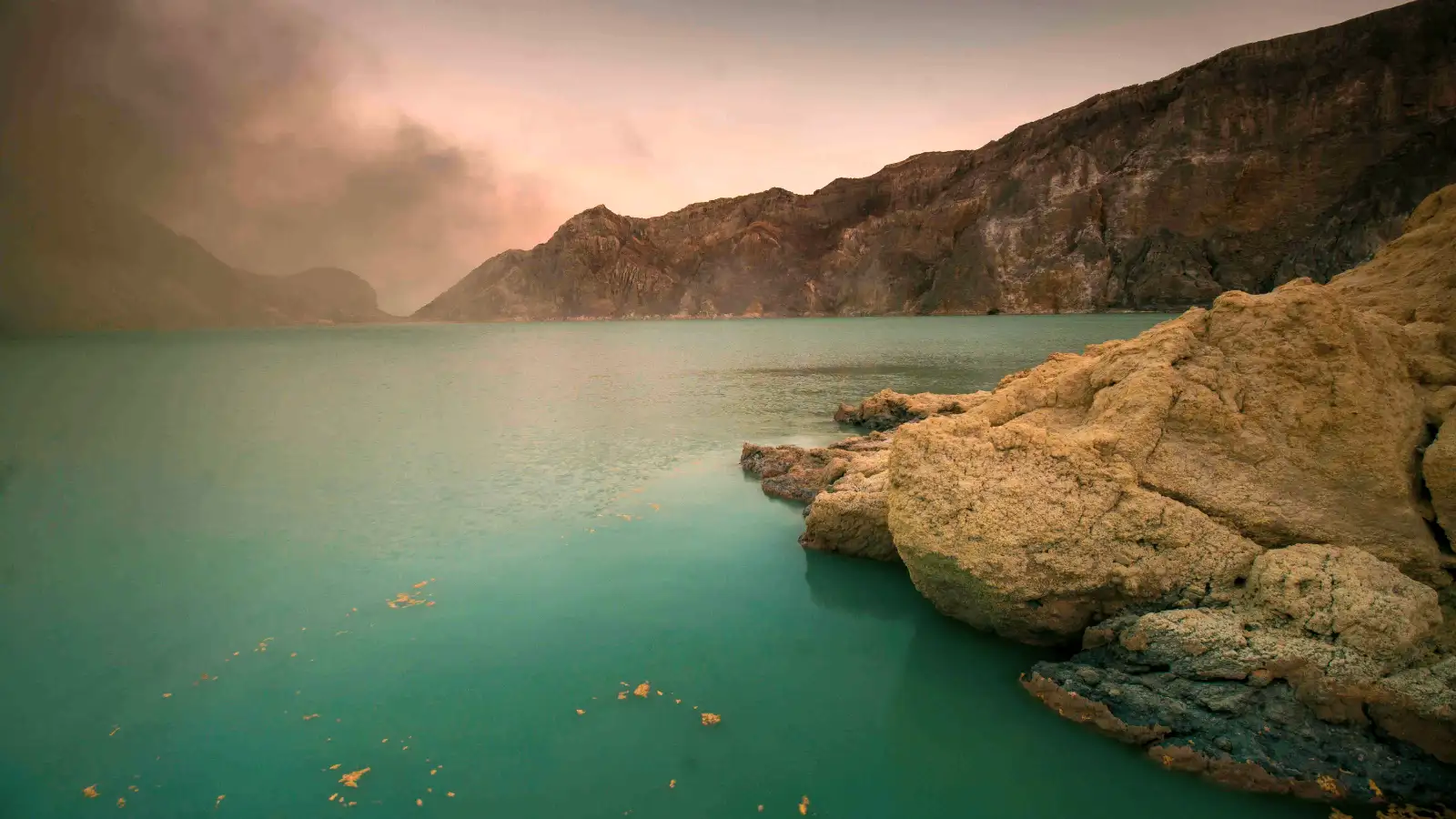
Ijen Crater holds the world’s largest highly acidic lake, famous for its turquoise water and rare electric blue fire. Specifically, this volcanic wonder in East Java reaches a pH level near zero, making it as corrosive as battery acid while offering one of the planet’s most surreal landscapes for hikers.
Planning a trip to a remote volcano in Indonesia often feels overwhelming. For instance, many travelers struggle with logistics, gear requirements, and the physical demands of the midnight hike. Consequently, the fear of missing the elusive blue fire or being unprepared for sulfur fumes keeps many people from experiencing this bucket-list destination.
Moreover, finding a reliable guide who prioritizes safety and ethical tourism is a common challenge. You deserve a seamless adventure that balances the grit of a volcanic trek with the comfort of professional planning. Therefore, this comprehensive guide serves as your ultimate resource for booking your Ijen Crater expedition and mastering the facts of this acidic marvel.
Why Trust This Guide
First, our team consists of local experts and seasoned travel journalists who have hiked the Ijen plateau hundreds of times. We monitor daily volcanic activity reports and maintain close relationships with the local sulfur mining community. Ultimately, our goal is to provide you with the most accurate, safety-focused information available for Ijen Crater tour guide services.
Table of Contents
What You Need to Know
📍 Location: East Java, Indonesia (Near Banyuwangi)
🌋 Volcano Type: Active Stratovolcano
🧪 Lake pH: 0.1 to 0.5 (Extremely Acidic)
🥾 Hike Difficulty: Moderate to Challenging
🔦 Start Time: Usually 2:00 AM for Blue Fire
The Science of the World’s Most Acidic Lake
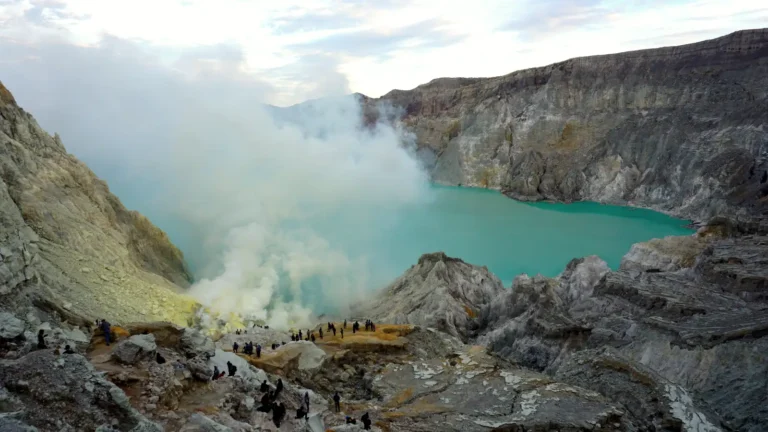
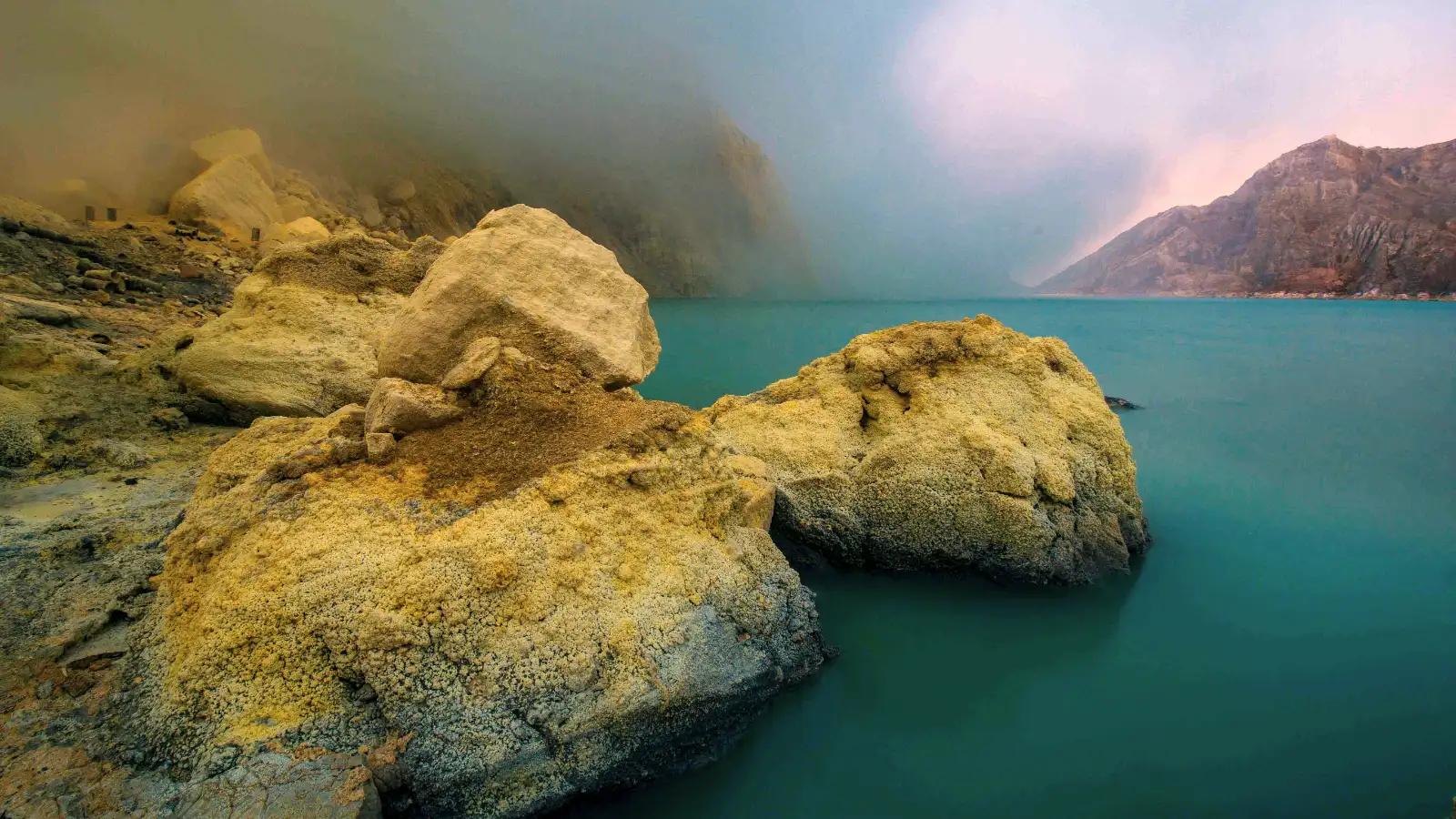
Furthermore, the Ijen Crater lake is a geological anomaly that fascinates scientists worldwide. The water contains high concentrations of sulfuric and hydrochloric acids. As a result, the lake maintains a pH level that can dissolve metal and irritate human skin instantly.
In addition, the vibrant turquoise color is not just for show. Specifically, this hue comes from the high concentration of dissolved metals, including aluminum and iron. Therefore, while it looks like a tropical paradise, it is actually a deadly chemical cocktail.
Meanwhile, the lake’s temperature can fluctuate significantly based on volcanic activity. For instance, the surface water usually ranges between 20°C and 40°C. However, at the bottom of the lake, volcanic vents constantly pump heat and chemicals into the water.
Chemical Composition and pH
Interestingly, the acidity levels make it the largest highly acidic lake on Earth. According to research published by authoritative geological surveys, the lake contains approximately 36 million cubic meters of acidic water. Consequently, the surrounding ecosystem has adapted to these harsh conditions in unique ways.
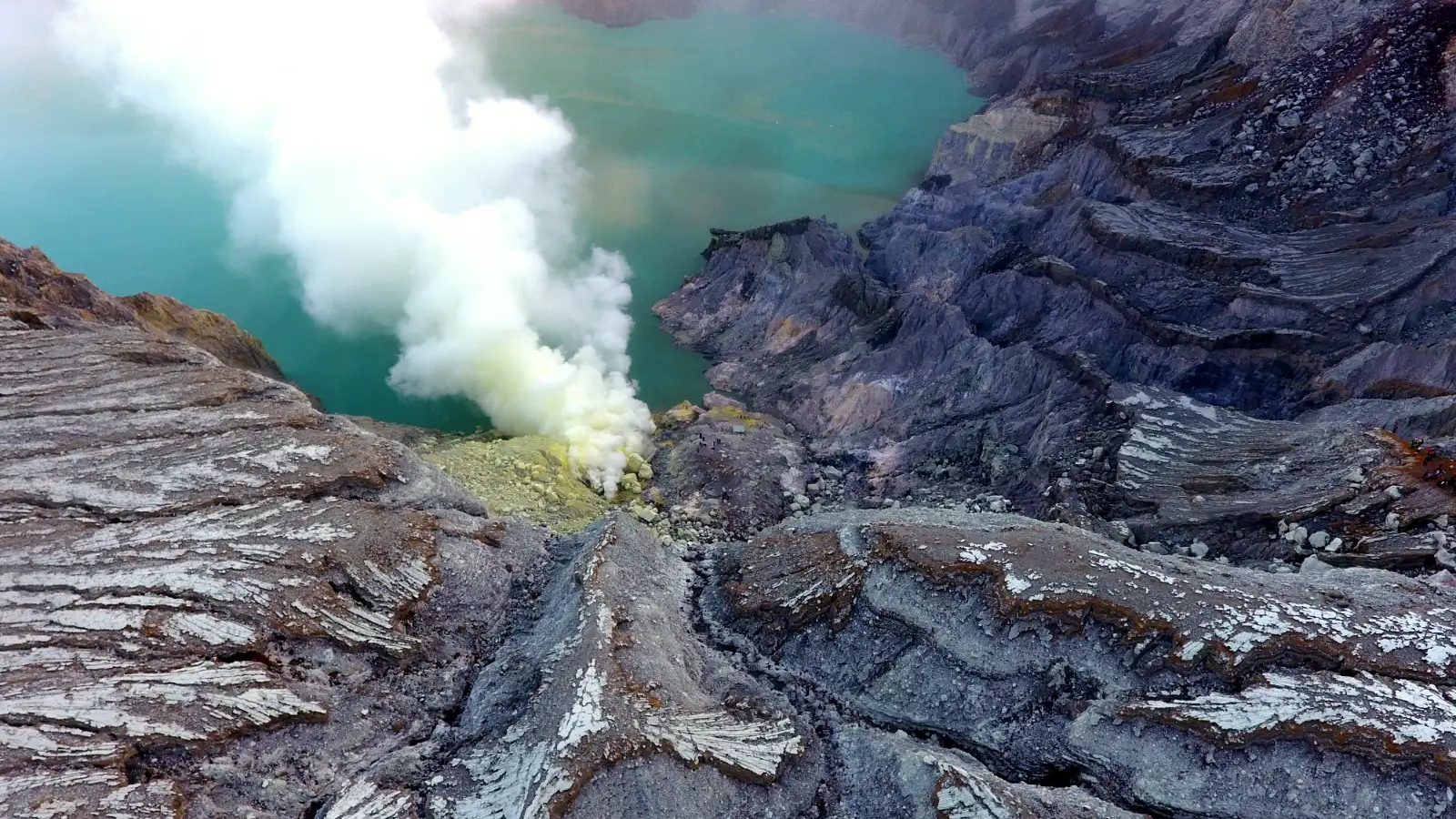
Moreover, the vents at the bottom of the crater release volcanic gases like sulfur dioxide. When these gases dissolve in the water, they create the sulfuric acid that defines the lake. In addition, the interaction between the hot gases and the cold lake water creates the thick steam clouds often seen by hikers.
The Role of Volcanic Activity
Specifically, the Ijen plateau is part of a larger caldera system. This system includes several other peaks and volcanic cones. However, the Kawah Ijen crater is the only one with such a prominent and permanent acidic lake. Ultimately, the balance of gas emission and rainfall determines the lake’s size and acidity.
The Electric Blue Fire Phenomenon
First, it is important to understand that the “Blue Fire” is not actually lava. Instead, it is the result of sulfuric gases emerging from cracks in the volcano at high pressure and temperatures. For instance, when these gases come into contact with the oxygen-rich air, they ignite into brilliant blue flames.
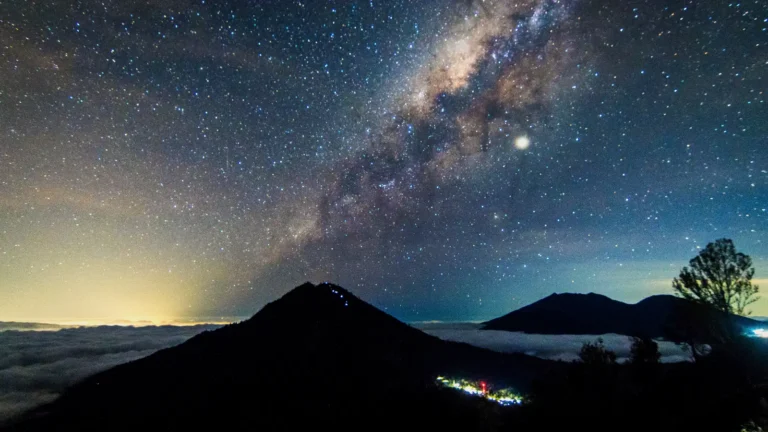
Consequently, these flames can reach heights of up to five meters. Meanwhile, they are only visible in the complete darkness of night. Therefore, travelers must begin their ascent in the early hours of the morning to catch a glimpse of this rare event.
When to See the Flames
Ultimately, the best time to see the blue fire is during the dry season. Specifically, clear skies and low humidity provide the best visibility. However, even in perfect weather, volcanic activity can shift. Furthermore, the local authorities may close the trail to the crater floor if gas levels become dangerously high.
Life at the Rim: Sulfur Mining Culture
Moreover, Ijen is not just a tourist destination; it is a workplace for hundreds of local men. Specifically, sulfur miners descend to the crater floor daily to harvest solid sulfur. For instance, they carry bamboo baskets weighing between 70 to 90 kilograms up the steep crater walls.
In addition, these miners face incredibly harsh conditions. They work amidst thick sulfur clouds that can cause long-term health issues. Consequently, many travelers choose to bring gifts like cigarettes or cookies to show appreciation for their hard work. Furthermore, you can often buy small sulfur carvings as souvenirs to support their income.
The Mining Process
Specifically, the mining process involves ceramic pipes that funnel the volcanic gases. As the gas cools, it condenses into a deep red liquid. Ultimately, this liquid hardens into bright yellow sulfur. Meanwhile, the miners use metal bars to break the sulfur into manageable chunks for transport.
Therefore, when you see a miner on the path, always give them the right of way. Their work is physically exhausting and dangerous. Consequently, a small gesture of respect goes a long way in this tight-knit community.
Logistics and Planning Your Visit
First, most travelers choose Banyuwangi as their base for exploring the crater. However, some adventurers also arrive from Bondowoso. Specifically, the drive from Banyuwangi to the Paltuding base camp takes approximately one hour. Furthermore, the road is paved but very steep and winding.
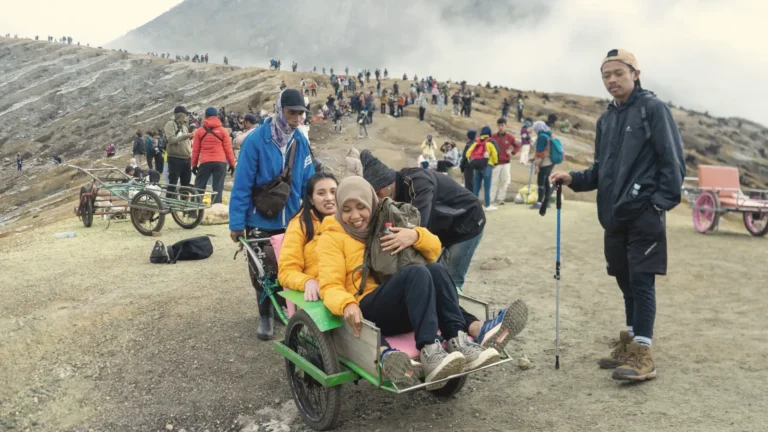
In addition, you must consider the Ijen Crater hike difficulty before you start. The trail is about 3 kilometers long one way. Moreover, the first 2 kilometers are quite steep, making it a decent workout for most hikers. Ultimately, reaching the rim takes about 1.5 to 2 hours depending on your fitness level.
Entrance Fees and Permits
Currently, the entrance fee for international tourists is approximately 100,000 to 150,000 IDR. For instance, the price is slightly higher on weekends and national holidays. Therefore, it is wise to carry enough cash, as there are no ATMs at the base camp Paltuding. Additionally, you may need to provide a health certificate, which can be obtained at local clinics in Banyuwangi.
Best Time to Hike
Specifically, the dry season between April and October is the most popular time to visit. However, Ijen is open year-round unless volcanic activity is too high. Meanwhile, the best time to visit Ijen Crater for photography is during the golden hour just after sunrise. Consequently, the light hitting the turquoise water creates a magical glow that is perfect for professional shots.
Safety and Essential Gear
Furthermore, safety should be your top priority. Specifically, the sulfur fumes can be overwhelming and toxic. Therefore, wearing a professional gas mask with a proper filter is mandatory if you plan to descend into the crater. In addition, many tour operators include gas mask rentals in their packages.
Moreover, the Ijen Crater temperature guide suggests that it can be very cold at the summit. For instance, temperatures can drop to 5°C or 10°C before sunrise. Consequently, layering your clothing is essential. Furthermore, sturdy hiking boots with good grip are necessary for the loose volcanic soil.
Packing Checklist
- Warm jacket and layers
- Sturdy hiking boots or shoes
- Professional gas mask (N95 is not enough)
- Headlamp with extra batteries
- Gloves and a warm hat
- Sufficient water and snacks
Continue Your Adventure
Ultimately, your journey through East Java doesn’t have to end at the crater rim. Many travelers find that booking your trip now allows you to combine Ijen with other stunning locations. For instance, you might consider taking a Bromo Ijen tour to see two of Indonesia’s most iconic volcanoes in one go. Furthermore, if you are starting from the cultural heart of Java, a Bromo Ijen tour from Yogyakarta is a fantastic way to see the landscape change from ancient temples to volcanic peaks. Meanwhile, those coming from East Java’s capital can easily arrange a Bromo Ijen tour from Surabaya for a convenient and efficient travel experience.
Book Your Ijen Adventure Today
Therefore, are you ready to witness the world’s largest acidic lake and the legendary blue fire for yourself? Specifically, don’t let the logistics hold you back from this life-changing experience. Our expert team is here to ensure your hike is safe, informative, and absolutely unforgettable. Ultimately, your dream Indonesian adventure is just a click away.
Ready for the Ultimate Volcano Trek?
Join our professional guides for an ethical and safe journey into the heart of Ijen Crater.
💬 WhatsApp: +62 851-8531-9904 | 📧 Email: ijencratertourofficial@gmail.com
Frequently Asked Questions (FAQ)
Q: Is it safe to breathe the air at Ijen Crater?
A: Generally, it is safe with a professional gas mask. However, the sulfur fumes are toxic and can be very dense near the crater floor. Always follow your guide’s instructions and wear your mask properly.
Q: Can I swim in the turquoise lake?
A: Absolutely not. Specifically, the lake is extremely acidic with a pH level near zero. Contact with the water would cause severe chemical burns and is potentially fatal.
Q: How long does the hike to the crater take?
A: Typically, it takes 1.5 to 2 hours to reach the rim from the Paltuding base camp. If you choose to descend to the crater floor for the blue fire, add another 30 to 45 minutes each way.
Q: Do I need a guide for the Ijen hike?
A: While experienced hikers can go solo, hiring a guide is highly recommended. Specifically, guides monitor gas levels, provide safety gear, and share deep cultural insights about the sulfur miners.
Q: What is the best month to see the Blue Fire?
A: Ultimately, the dry season from July to September offers the best visibility. However, the fire’s appearance depends on volcanic activity and can change daily regardless of the month.