
Understanding Ijen’s Volcanic Activity Level Before You Go: A Definitive 2026 Safety Guide
Imagine waking up at 1:00 AM, your breath misting in the frigid mountain air of East Java, only to reach the trailhead and find a “Closed” sign due to sudden Ijen sulfur gas emissions. For many international travelers, the trek to see the world-famed Blue Fire is a once-in-a-lifetime endeavor, often plagued by logistical confusion and anxiety regarding safety. Navigating the shifting moods of an active volcano requires more than just a map; it demands an expert understanding of Kawah Ijen seismic activity and the latest 2026 government regulations. This guide serves as your essential resource for checking the Ijen crater update before you commit to your journey, ensuring your adventure is as safe as it is spectacular.
Whether you are a budget-conscious backpacker or a luxury seeker, the volatile nature of the Ijen plateau does not discriminate. In early 2026, the Indonesian Center for Volcanology and Geological Hazard Mitigation (PVMBG) continues to monitor the volcanic unrest protocols closely, as the mountain’s subterranean plumbing frequently dictates who can enter and how far they can descend. By familiarizing yourself with the PVMBG volcano alert levels and the specific magmatic activity indicators unique to this region, you transform from an uninformed tourist into a savvy traveler prepared for any geological contingency.
What You Need to Know
Before you set foot on the slopes, understand these critical 2026 operational facts:
- Current Alert Status: Generally Level I (Normal) or Level II (Waspada/Alert). Check local reports 24 hours before departure.
- Mandatory Requirements: A valid health certificate from a clinic or hospital (issued within 24 hours) is strictly required for all hikers.
- Blue Fire Access: Often restricted if gas concentrations exceed 0.5 ppm. Always have a backup plan.
- Online Booking: Tickets must be secured via the Official BBKSDA East Java Portal; on-site cash purchases are no longer available.
- Operational Hours: Usually 2:00 AM to 12:00 PM, though this shifts based on toxic gas migration patterns.
Table of Contents
Decoding the Science: Magmatic Activity & Gas
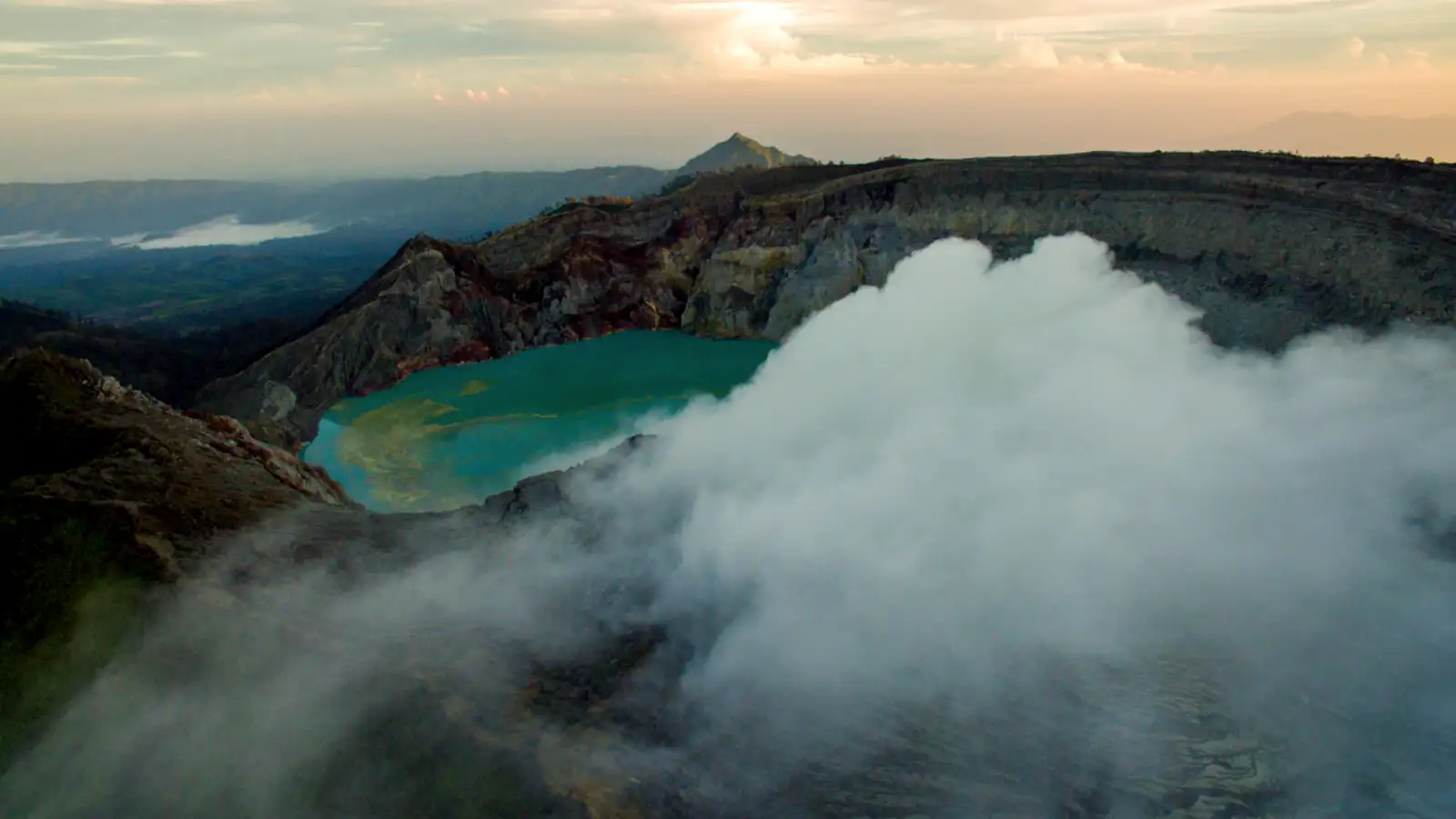
Understanding the subterranean dynamics of Ijen is not just for geologists; it is the cornerstone of a safe hike. Ijen is home to the world’s largest highly acidic crater lake, a turquoise gem that hides a lethal concentration of sulfuric acid and dissolved metals. The sulfuric acid concentration in the lake often results in a pH near zero, making it one of the most hostile environments on Earth. In 2026, scientific monitoring has advanced, allowing experts to detect subtle changes in magmatic activity indicators like water temperature spikes or increased bubbling on the lake’s surface.
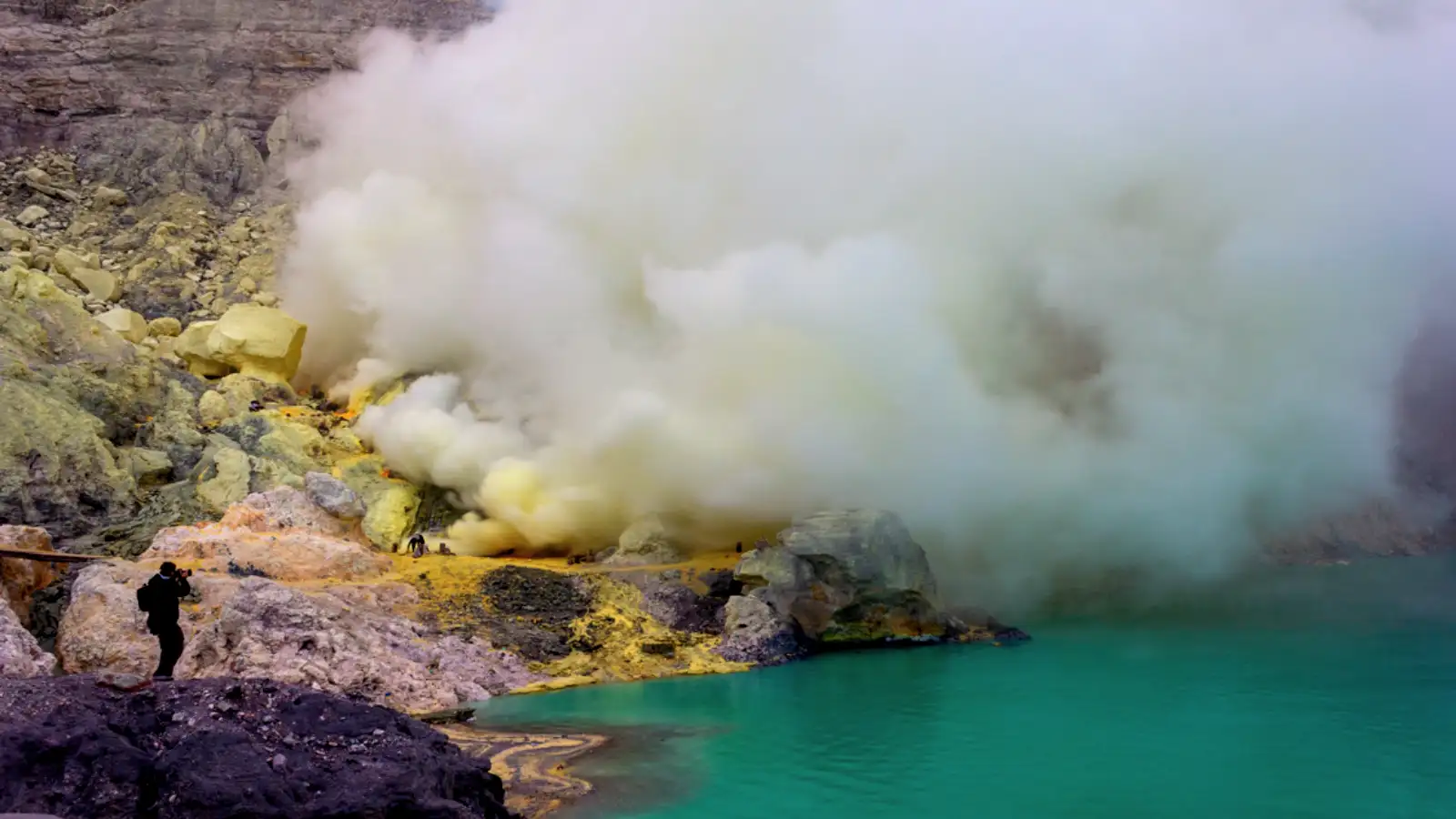
The primary hazard for visitors is not a traditional eruption of lava, but rather phreatic explosions and toxic gas emissions. When groundwater interacts with magma beneath the crater floor, it can cause sudden pressure releases, venting concentrated sulfur dioxide (SO2) and hydrogen sulfide (H2S). These Ijen sulfur gas emissions are what the rangers monitor hourly. If the wind shifts or the concentration increases, the descent into the crater to witness the Blue Fire is immediately prohibited to prevent respiratory distress among tourists.
Moreover, the volcanological monitoring in East Java has identified a correlation between local tremors and gas release. Seismic sensors placed around the rim provide real-time data on “shallow volcanic earthquakes.” A spike in these tremors often precedes an increase in gas output. In 2026, these data streams are more accessible to tour operators, allowing for more precise scheduling. If you are planning a Ijen night hike guide experience, your guide will likely check these seismic reports before leaving the basecamp.
Finally, the Ijen crater lake acidity plays a role in the aesthetic of your photos. During periods of low activity, the water is a calm, vibrant teal. However, during periods of heightened unrest, the lake can turn a muddy grey as sediment is stirred from the depths. Understanding these nuances helps you manage your expectations. A volcano is a living, breathing entity; its beauty is inseparable from its power, and respecting the science behind its behavior is the first step in a successful expedition.
Official Alert Levels: What They Mean for You
The Indonesian government uses a standardized four-tier system to communicate volcanic risk. In 2026, these PVMBG volcano alert levels are strictly enforced at Ijen. Level I (Normal) is the baseline, meaning visitors can usually access the rim and the crater floor without significant restriction, provided gas levels remain low. However, even at Level I, the inherent risks of a crater environment persist, and a gas mask remains a mandatory piece of safety equipment for anyone approaching the lake.
Level II, or “Waspada” (Alert), signifies an increase in Kawah Ijen seismic activity or visual changes in gas venting. During Level II, authorities typically prohibit descent into the crater. This means the Blue Fire—which occurs on the crater floor near the sulfur mines—becomes inaccessible. While hikers can still reach the rim to view the sunrise and the lake from above, the climbing restrictions in East Java are non-negotiable. Breaking these rules not only risks your life but can lead to heavy fines and the permanent banning of your tour guide.
Level III (Siaga) and Level IV (Awas) represent serious volcanic unrest. At these stages, the entire Ijen National Park is closed to the public. Level III indicates that an eruption is possible, while Level IV suggests an imminent or ongoing eruption. In the rare event of such a status in 2026, all tours are cancelled, and exclusion zones are established several kilometers from the summit. Always ensure your travel insurance covers “natural disasters” or “volcanic activity” to protect your investment in these circumstances.
Understanding these levels helps in your Banyuwangi geological safety planning. Most travelers visit when the volcano is at Level I or II. If you are booking a high-end experience, such as an Ijen crater tour from Bali, your operator should provide daily updates on the alert status. Professionalism in the 2026 travel industry means transparency regarding these geological shifts, ensuring no traveler is caught off guard by a sudden change in accessibility.
Real-Time Monitoring and Safety Protocols in 2026
The safety infrastructure at Ijen has seen significant upgrades leading into 2026. The BBKSDA (Nature Conservation Agency) has installed more sophisticated gas sensors at various altitudes along the trail and within the crater itself. These sensors transmit real-time data on sulfur dioxide concentrations to a central monitoring station. If levels exceed safe thresholds for human exposure, an alarm system is triggered, and rangers will evacuate the crater floor. This volcanic unrest protocol is designed to protect both the tourists and the local sulfur miners.
Moreover, the introduction of the “Digital Hiker Log” via the BBKSDA app allows authorities to track exactly how many people are on the mountain at any given time. In 2026, this system is used to prevent overcrowding, which can be dangerous during a sudden gas release. By limiting the number of hikers, the government ensures that evacuation routes remain clear. When you book your ticket online, you are assigned a specific entry window, which has greatly improved the flow of traffic and the overall safety of the ijen crater hike distance and time experience.
Local guides in 2026 are also better trained in emergency response. Most reputable agencies now require their guides to carry pulse oximeters and portable gas detectors. These tools allow guides to make informed decisions on the fly. If a guide suggests turning back because their handheld monitor shows a spike in H2S, it is imperative to listen. The volcanological monitoring in East Java is world-class, but the micro-climates within the crater can change in seconds based on wind patterns.
Safety also extends to the physical condition of the trail. Following the tremors of 2024 and 2025, several sections of the path were reinforced with better drainage and erosion control. However, the trek remains demanding. Understanding the Ijen crater hike difficulty is essential; the steep incline, combined with the thinning air and potential gas exposure, requires a baseline level of fitness and a healthy cardiovascular system.
Impact on Itineraries: Blue Fire and Crater Access
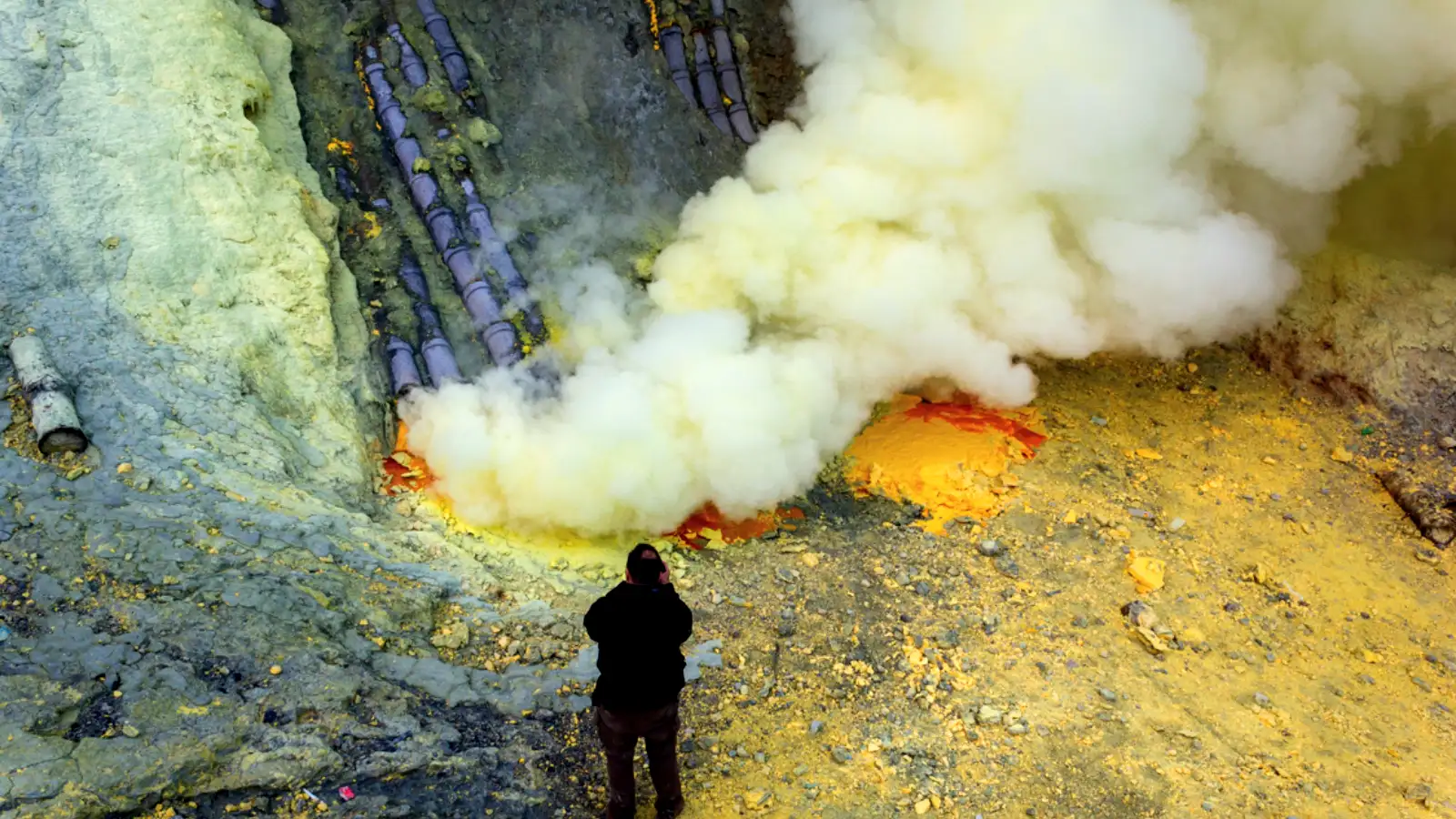
The biggest question for most travelers is: “Can we see the Blue Fire?” The answer in 2026 depends entirely on the Ijen sulfur gas emissions and the current alert level. If the volcano is at Level II, descent is prohibited, meaning the Blue Fire is off-limits. This is a common point of disappointment, but it is a necessary safety measure. High-quality tours will often pivot to a “Sunrise Rim Experience,” which offers breathtaking views of the acidic lake as the sun crests the jagged peaks of the caldera.
If the crater floor is open, the timing is critical. The Blue Fire is only visible in the hours of total darkness, typically between 2:30 AM and 5:00 AM. As dawn approaches, the sunlight overpowers the faint blue glow of the combusting sulfuric gases. A well-planned 2026 itinerary accounts for this by starting the hike no later than 2:00 AM. This allows for a steady pace up the 3-kilometer trail and a cautious descent into the crater. Remember that the descent is steep and rocky; it takes approximately 30-45 minutes to reach the bottom from the rim.
For those combining their trip with other East Java landmarks, such as a Mount Bromo tour, the Ijen segment is usually the most physically taxing. In 2026, many luxury travelers are opting for “Slow Travel” itineraries that allow for an extra night in Banyuwangi. This provides a buffer in case the volcano is closed on the first attempted night due to high gas. Having a flexible schedule is the best way to ensure you actually get to experience the crater’s unique features.
Finally, consider the seasonal impacts on your itinerary. During the rainy season (November to March), the trail can be slippery and the crater often fills with fog, obscuring both the Blue Fire and the sunrise. The best time to visit Ijen crater remains the dry season from April to October, when the sky is clear and the magmatic activity indicators are generally more stable, leading to fewer unplanned closures.
Necessary Gear and Health Requirements
In 2026, the health certificate for Ijen Crater is a non-negotiable requirement. This policy, implemented to reduce medical emergencies on the mountain, requires every hiker to present a document from a certified doctor stating they are fit for high-altitude trekking. You can obtain this at local clinics in Banyuwangi or Bondowoso for a small fee (approx. 25,000 – 50,000 IDR). Without this certificate, you will be denied entry at the Paltuding gate, regardless of whether you have a pre-paid ticket.
Equally important is your gear. A professional-grade gas mask with replaceable chemical filters (N95 is insufficient for sulfuric gases) is mandatory for the descent. In 2026, most premium tour packages include these high-quality masks. Additionally, the ijen crater temperature guide notes that summit temperatures can drop to 5°C (41°F) before sunrise. Layering is key: a moisture-wicking base layer, a fleece mid-layer, and a windproof/waterproof outer shell are recommended. Don’t forget gloves and a warm hat, as the wind chill on the rim can be biting.
Proper footwear is often overlooked by casual backpackers. The trail consists of packed dirt and loose volcanic scree. Sturdy hiking boots with good ankle support and deep lugs are essential for preventing slips, especially during the dark ascent. If you are a photography enthusiast, ensure your camera gear is protected. The sulfuric acid concentration in the air can be corrosive to electronics; using a weather-sealed camera body or a protective sleeve is a wise precaution for 2026 photography expeditions.
| Item | Requirement | Estimated Cost (2026) |
|---|---|---|
| Health Certificate | Mandatory for all | 30,000 – 50,000 IDR |
| Gas Mask Rental | Essential for crater floor | 50,000 – 100,000 IDR |
| Entrance Fee (Foreigner) | Weekday/Weekend rates | 100k – 150k IDR |
| Local Guide | Highly recommended | 400,000 – 600,000 IDR |
Why Trust This Guide?
This guide is authored by the team at Ijen Crater Tour, the leading authority on East Java volcanic expeditions since 2015. Our expertise is rooted in daily on-the-ground experience and a close working relationship with the BBKSDA and PVMBG authorities. We don’t just sell tours; we monitor the Kawah Ijen seismic activity and gas levels in real-time to ensure every guest’s safety. Our guides are local experts who have spent decades on these slopes, many of them coming from families of traditional sulfur miners, giving them an intuitive understanding of the mountain that no sensor can replicate.
In 2026, we remain committed to sustainable and safe tourism. We pride ourselves on our transparency; if the volcano is unsafe, we tell you immediately and help you find the best alternative adventure. Our reputation as a top-tier provider is built on thousands of successful treks and a deep respect for the geological wonders of Indonesia. When you read our Ijen crater tour guide, you are receiving the most current, fact-checked information available in the industry.
Continue Your Adventure
Your journey through the volcanic heart of Java doesn’t have to end at the Ijen rim. For a truly comprehensive experience, many travelers find that combining this trek with a 3-day Bromo and Ijen tour from Bali provides the perfect balance of adventure and convenience. If you are starting from the west, exploring the dramatic landscapes on a Mount Bromo and Ijen expedition from Surabaya allows you to witness the stark contrast between Bromo’s sea of sand and Ijen’s acidic lake. For those seeking the ultimate East Java odyssey, adding the hidden waterfalls of the south on a Bromo, Ijen, and Tumpak Sewu multi-day tour ensures you see every facet of this island’s raw, natural beauty.
Ready for Your Ultimate Volcanic Adventure?
Don’t leave your safety to chance. Book with the experts who monitor Ijen’s activity every single hour. Experience the Blue Fire with the most trusted team in East Java.
WhatsApp: +62 851-8531-9904 |
📧 Email: ijencratertourofficial@gmail.com
Frequently Asked Questions (FAQ)
Q: Is Ijen Crater safe to visit in 2026?
A: Yes, it is generally safe provided you follow the official PVMBG alert levels and wear a professional gas mask. Always check for the latest volcanic activity updates before starting your hike.
Q: How do I get the mandatory health certificate?
A: You can visit any local hospital or “Puskesmas” (public health clinic) in Banyuwangi. The process takes about 15 minutes and costs roughly 30,000 – 50,000 IDR in 2026.
Q: Can I see the Blue Fire if the volcano is at Level II?
A: No. At Level II (Waspada), descent into the crater is strictly prohibited for safety reasons. You can still view the lake and sunrise from the rim.
Q: What happens if my tour is cancelled due to volcanic activity?
A: Reputable operators like Ijen Crater Tour will offer a full refund or a pivot to an alternative destination, such as the Baluran National Park or local waterfalls.
Q: Do I really need a guide for Ijen?
A: While not legally mandatory for the trail itself, a guide is highly recommended for navigating the crater descent safely and managing gas mask adjustments in high-concentration areas.