What to Wear for Ijen Crater: The Ultimate Insider Guide
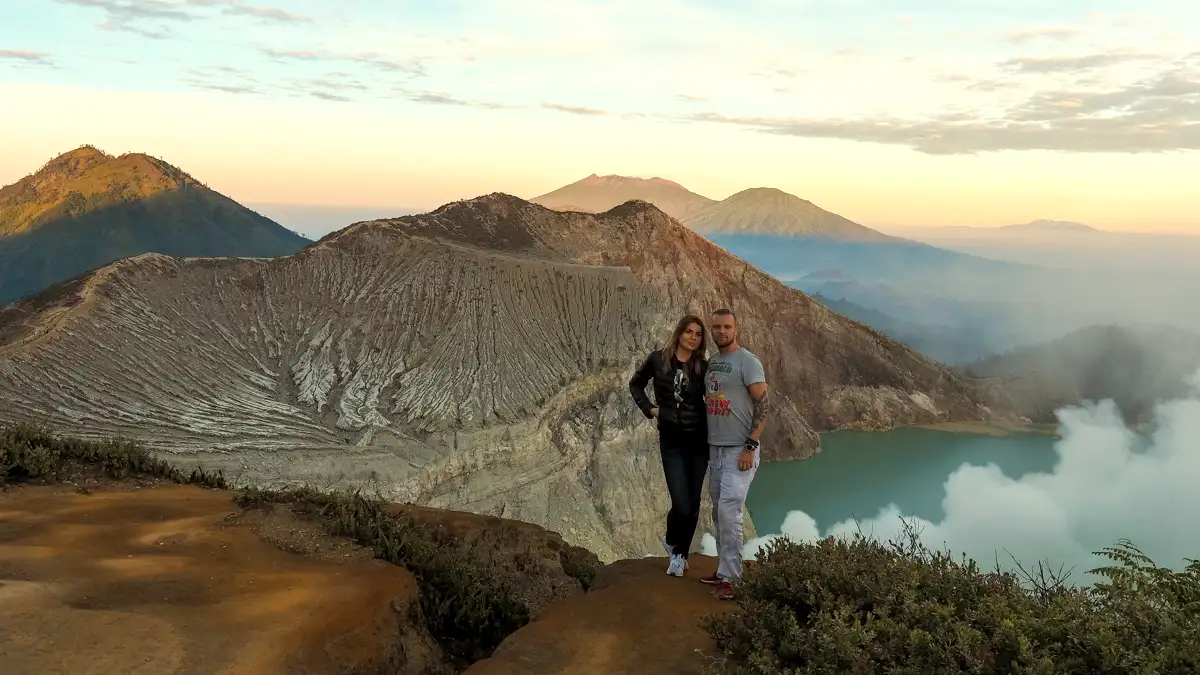
Standing at the rim of a volcano at 3 AM is a visceral experience. The air is thin and freezing. A thick smell of rotting eggs hits your throat as sulfur gas swirls around your headlamp beam.
Many travelers arrive in East Java prepared for a tropical beach vacation. They quickly realize that a Ijen Crater tour is anything but tropical. The steep climb demands respect and the right gear.
You don’t want to be the person shivering in a thin hoodie while trying to photograph the blue fire. Proper preparation separates a miserable slog from a life-changing adventure. Secure your comfort by knowing exactly what to pack before you book your trip now with local experts who live this every day.
What You Need to Know
Success at Ijen depends on three things: layering, lung protection, and traction. The temperature at Paltuding basecamp can drop to 5°C (41°F) before sunrise. You will sweat on the way up and freeze at the summit.
A professional gas mask is non-negotiable for the descent to the lake. Wear sturdy hiking boots with deep lugs to navigate the loose volcanic scree. Don’t forget a high-lumen headlamp to keep your hands free on the rocky path.
Why Trust This Guide
We aren’t just writers sitting in an office in Jakarta. Our team leads hundreds of travelers up the slopes of Mount Ijen every single month. We see the mistakes people make firsthand.
From the backpacker in flip-flops to the luxury traveler with the wrong coat, we’ve helped them all. We know how the wind shifts the toxic sulfur clouds. Our advice comes from thousands of hours spent on these volcanic trails.
Real Local Experience
Weather patterns here are erratic. A clear night can turn into a misty, freezing downpour in minutes. We provide real-time updates because we are physically at the crater rim daily.
The Temperature Reality of East Java
Most people associate Indonesia with humidity and heat. However, altitude changes everything. Mount Ijen stands at 2,386 meters above sea level.
The climb starts at Paltuding around 2 AM. At this hour, the thermometer often reads between 5°C and 10°C. If the wind picks up, the wind chill factor makes it feel like freezing.
Sweat vs. Cold
The first hour of the hike is incredibly steep. You will start to sweat almost immediately. This is the danger zone for hikers who wear cotton.
Cotton traps moisture against your skin. Once you reach the rim and stop moving, that wet fabric turns ice-cold. Hypothermia isn’t a joke on a volcano, even in the tropics.
Post-Sunrise Warming
Once the sun peaks over the horizon, the temperature rises rapidly. By 8 AM, you might be stripping down to a t-shirt. Your outfit must be versatile enough to handle a 20-degree swing.
The Three-Layer System for Volcanoes
Experienced hikers use the layering method. This allows you to add or remove clothing as your body temperature fluctuates. It is the gold standard for high-altitude trekking.
Your base layer should be a moisture-wicking fabric. Synthetic materials or merino wool work best. They pull sweat away from your skin, keeping you dry and warm.
The Insulation Layer
The mid-layer provides warmth. A lightweight fleece or a packable “puffer” down jacket is perfect. These items trap heat without adding massive bulk to your bag.
Backpackers often prefer fleece because it’s durable and cheap. Luxury travelers might opt for high-fill power down for its weight-to-warmth ratio. Both work if they can be easily stowed away.
The Outer Shell
Your final layer must be a windbreaker. The wind at the Ijen rim is relentless and can carry fine volcanic dust. A waterproof shell also protects you from the frequent mountain mists.
Avoid heavy winter parkas meant for the Arctic. You need mobility to scramble over rocks. A lightweight, breathable shell is far more effective for this specific terrain.
Footwear and Safety Equipment
The trail to Ijen is well-worn but treacherous. It consists of packed dirt, loose sand, and sharp volcanic rocks. Your choice of footwear can make or break your ankles.
Sneakers might get you to the rim, but they offer zero support for the descent into the crater. If you plan to see the blue fire, you need real traction. The path down the crater is a steep, rocky scramble.
Hiking Boots vs Trail Runners
Hiking boots with ankle support are the safest bet. They protect you from rolling your ankle on hidden stones in the dark. Trail runners are a good lightweight alternative if they have aggressive lugs.
Never wear new shoes for the first time on this hike. You will be walking for 4 to 6 hours total. Blisters at 3 AM are a special kind of misery you want to avoid.
The Gas Mask Requirement
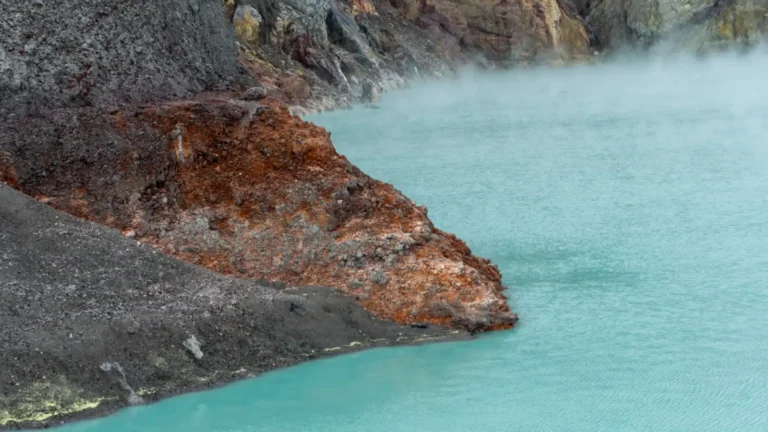
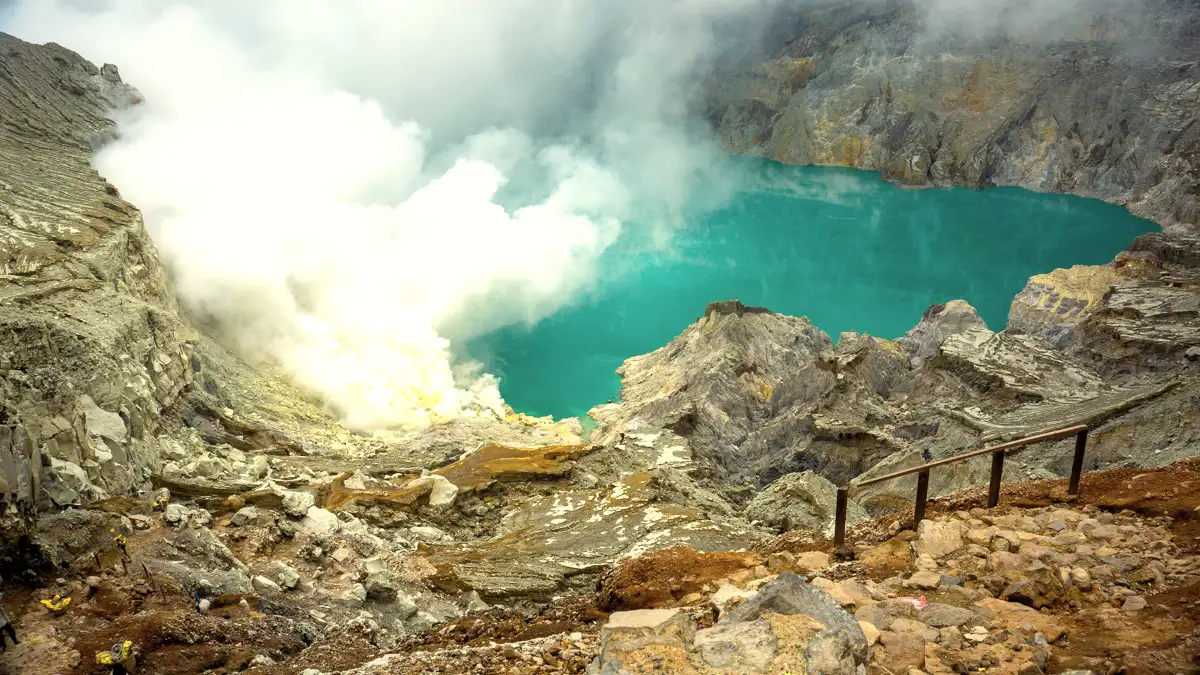
Ijen is home to a massive acidic crater lake. The sulfur fumes here are concentrated and dangerous. A simple cloth mask or a surgical mask is useless.
You need a respirator with chemical cartridges (usually rated for organic vapors and acid gases). Most local tours provide these, but check the condition of the filters. If you have sensitive lungs, consider bringing your own high-quality mask.
Headlamps and Lighting
You will be hiking in total darkness for at least two hours. A headlamp is vastly superior to a phone flashlight. It keeps your hands free to balance or grab onto rocks.
Look for a lamp with at least 200 lumens. The path is dusty, and weak lights struggle to pierce through the haze. Always carry spare batteries or a power bank if your light is rechargeable.
Pro Tips for Gas and Dust
Sulfur gas doesn’t just affect your breathing. It stings your eyes and can irritate your skin. If the wind shifts, you might find yourself in a total white-out of toxic smoke.
Contact lens wearers should switch to glasses for the hike. The volcanic dust and sulfur fumes can get trapped under the lens, causing intense irritation. It’s a common mistake that ruins the view for many.
Protecting Your Gear
The acidic air at Ijen is corrosive. It can damage camera sensors and lens coatings over time. Keep your electronics in a sealed bag when you aren’t actively taking photos.
Wipe your gear down with a damp cloth after the hike. The fine yellow dust gets into every crevice. If you are a professional photographer, a UV filter is mandatory to protect your glass.
Clothing Color Choices
Here is a tip nobody tells you: don’t wear your favorite white designer jacket. The sulfur smell lingers in fabric for days, even after multiple washes. The dust will also likely stain light-colored clothing permanently.
Choose darker colors or gear you don’t mind getting a bit “volcanic.” The smell of sulfur is a badge of honor, but your hotel roommates might not agree. Keep your hiking clothes in a separate plastic bag after the trek.
Continue Your Adventure
Exploring the volcanoes of Java is a massive undertaking. Once you have mastered Ijen, there is so much more to see in this geological wonderland. Plan your next move carefully to maximize your time.
- Secure Your Guaranteed Departure: Lock in your expert local guide and transport today.
- Complete Ijen Guide: Learn about the sulfur miners and the science behind the blue flames.
- Mount Bromo Sunrise: Experience the most iconic sunrise in Indonesia with our specialized tours.
- Bromo & Ijen Combo: The perfect 3-day itinerary starting from Surabaya or Bali.
- East Java Exploration: Dive deeper into the hidden gems of the region beyond the main volcanoes.
- Ijen Tour from Bali: The most convenient way to visit the crater if you are staying in Ubud or Canggu.
Ready to Face the Volcano?
Don’t leave your safety to chance. Our local experts provide the gear, the knowledge, and the best timing to beat the crowds.
Frequently Asked Questions
Q: Can I rent gear at the basecamp?
A: Yes, there are several local stalls at Paltuding that rent out jackets and gas masks. However, the quality varies wildly and the jackets are often not washed between uses. It is much better to bring your own layers and trust your own equipment for a 4-hour hike.
Q: How bad is the volcanic dust for electronics?
A: It is quite invasive. The dust is fine, abrasive, and acidic. If you are changing lenses at the rim, you are inviting dust into your camera body. We recommend using one versatile zoom lens and keeping it on the camera for the entire duration of the hike.
Q: Should I bring trekking poles?
A: They are extremely helpful, especially for the descent. The trail can be slippery due to loose volcanic sand on top of hard dirt. Poles provide two extra points of contact, which saves your knees and prevents embarrassing slides. Many local guides use them, and for good reason.
Q: Is a gas mask necessary if I don’t go down to the lake?
A: While the rim is generally safer, a sudden shift in wind can blow sulfur clouds directly onto the viewing area. Even if you stay at the top, having a mask around your neck is a vital safety precaution. You don’t want to be caught gasping for air while everyone else is protected.
Q: What is the best way to handle the sulfur smell in clothes?
A: The smell is caused by tiny sulfur particles embedded in the fibers. Soak your clothes in a mixture of water and white vinegar or baking soda before putting them in the laundry. If you can, air them out in the sun for a full day. Some high-tech athletic fabrics hold the smell longer than natural fibers.