How to Prepare for a Mount Bromo Tour: The Insider Guide
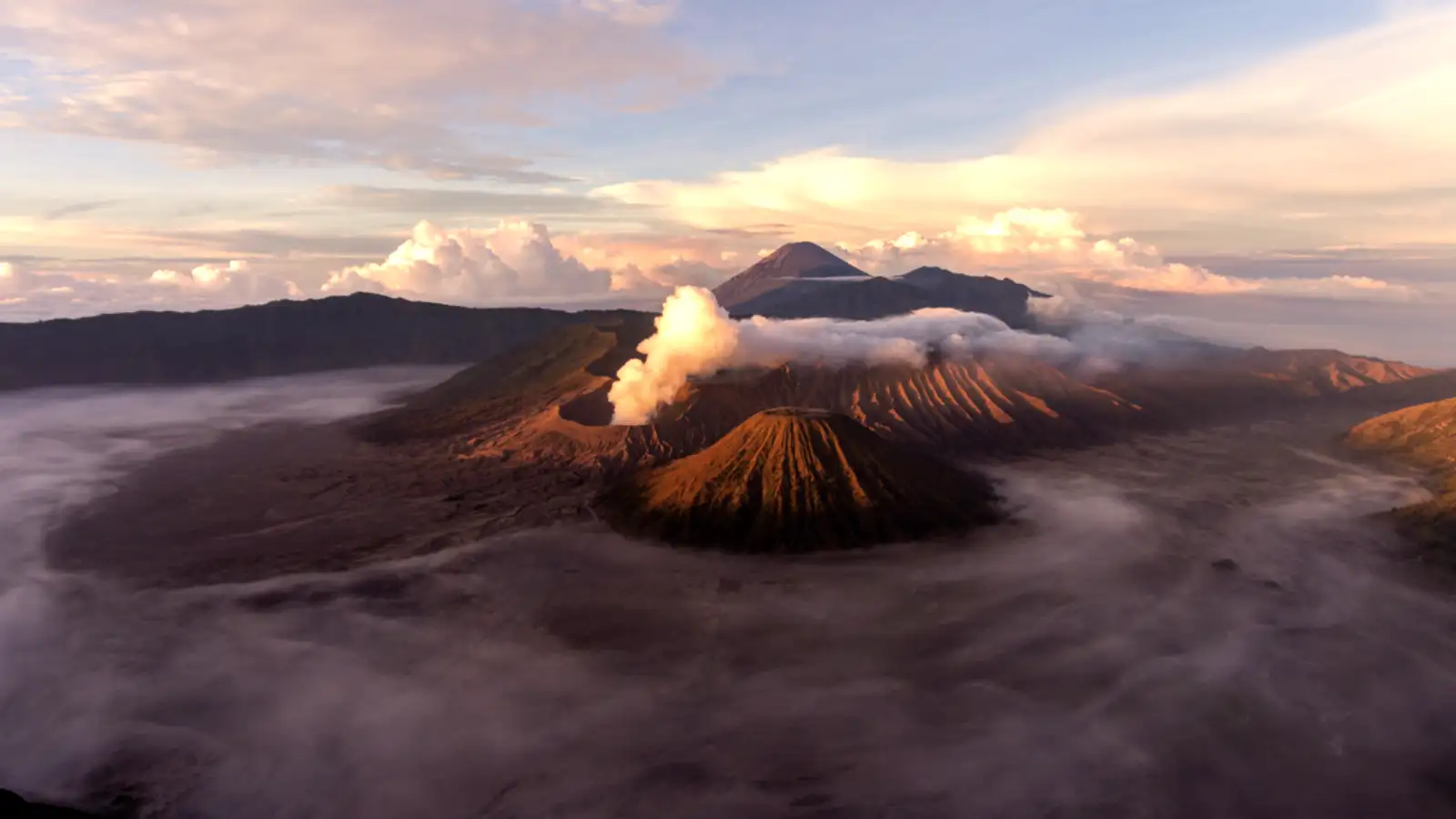
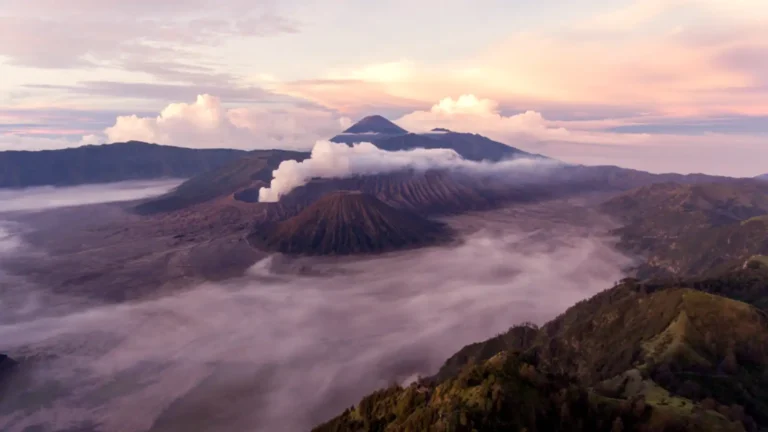
Standing on the edge of an active caldera at 3 AM is a primal experience. The wind howls across the lunar landscape of Bromo Tengger Semeru National Park, carrying the scent of ancient earth and distant sulfur. You are there to witness the legendary Mount Bromo sunrise, a spectacle that draws thousands of travelers every year.
Most visitors arrive underprepared, shivering in light hoodies or gasping in the thin, dusty air. Logistics can feel like a chaotic puzzle of jeeps, horses, and midnight alarms. If you want to transform this challenge into a seamless adventure, you need to book your trip now with local experts who know the terrain.
Preparing for this East Java volcano journey requires more than just a camera and a sense of wonder. This comprehensive guide covers everything from technical hiking gear list essentials to navigating the complex local Tenggerese culture. By following these steps, you ensure your Mount Bromo tour remains an unforgettable highlight of your Indonesian travels.
What You Need to Know
Success at Bromo depends on three factors: timing, layers, and patience. The temperature drops to near freezing before dawn, yet the sun scorches the valley floor by 9 AM. Expect heavy crowds at popular spots like King Kong Hill viewpoint, where the battle for a photo spot begins early.
Current Bromo entrance fees fluctuate between weekdays and weekends, so keep extra cash ready. Volcanic activity is monitored daily, and the crater rim may close without notice if gas levels spike. Always listen to your local guide; they receive real-time updates from the volcanic observatory that isn’t always available on social media.
Why Trust This Guide
We are not just writers; we are local operators based in East Java. Every week, our teams navigate the sandy slopes of Bromo and the sulfuric vents of Ijen. We see the changing weather patterns and the shifting crowd dynamics firsthand.
Our deep connection with the local Tenggerese culture allows us to offer insights you won’t find in generic travel brochures. We know which jeep drivers are the most reliable and which “secret” paths offer the best views without the tourist crush. Trusting us means trusting years of boots-on-the-ground experience.
Safety is our absolute priority in this volatile volcanic environment. We stay in constant communication with park rangers and volcanic monitoring stations. This guide is built on data, local wisdom, and a passion for showing the world the true heart of Indonesia.
Choosing the Best Time to Visit
Timing determines whether you see a golden sunrise or a wall of white mist. The best time to visit Bromo is generally during the dry season, which typically runs from April to October. During these months, the sky remains clear, offering unobstructed views of the crater and Mount Semeru in the distance.
Weekends and public holidays turn the viewpoint areas into a sea of people. If you prefer a quieter experience, aim for a Tuesday or Wednesday visit. The atmosphere is noticeably calmer, allowing you to hear the roar of the volcano rather than the chatter of the crowds.
The Reality of the Wet Season
Visiting during the rainy season (November to March) isn’t impossible, but it is unpredictable. Clouds often roll in early, potentially obscuring the sunrise. However, the landscape turns a vibrant, lush green that looks spectacular in photos.
If you choose these months, build an extra day into your itinerary. Flexibility is your best friend when the weather turns moody. Often, the rain falls in short, heavy bursts in the afternoon, leaving the mornings surprisingly clear.
The Essential Packing List
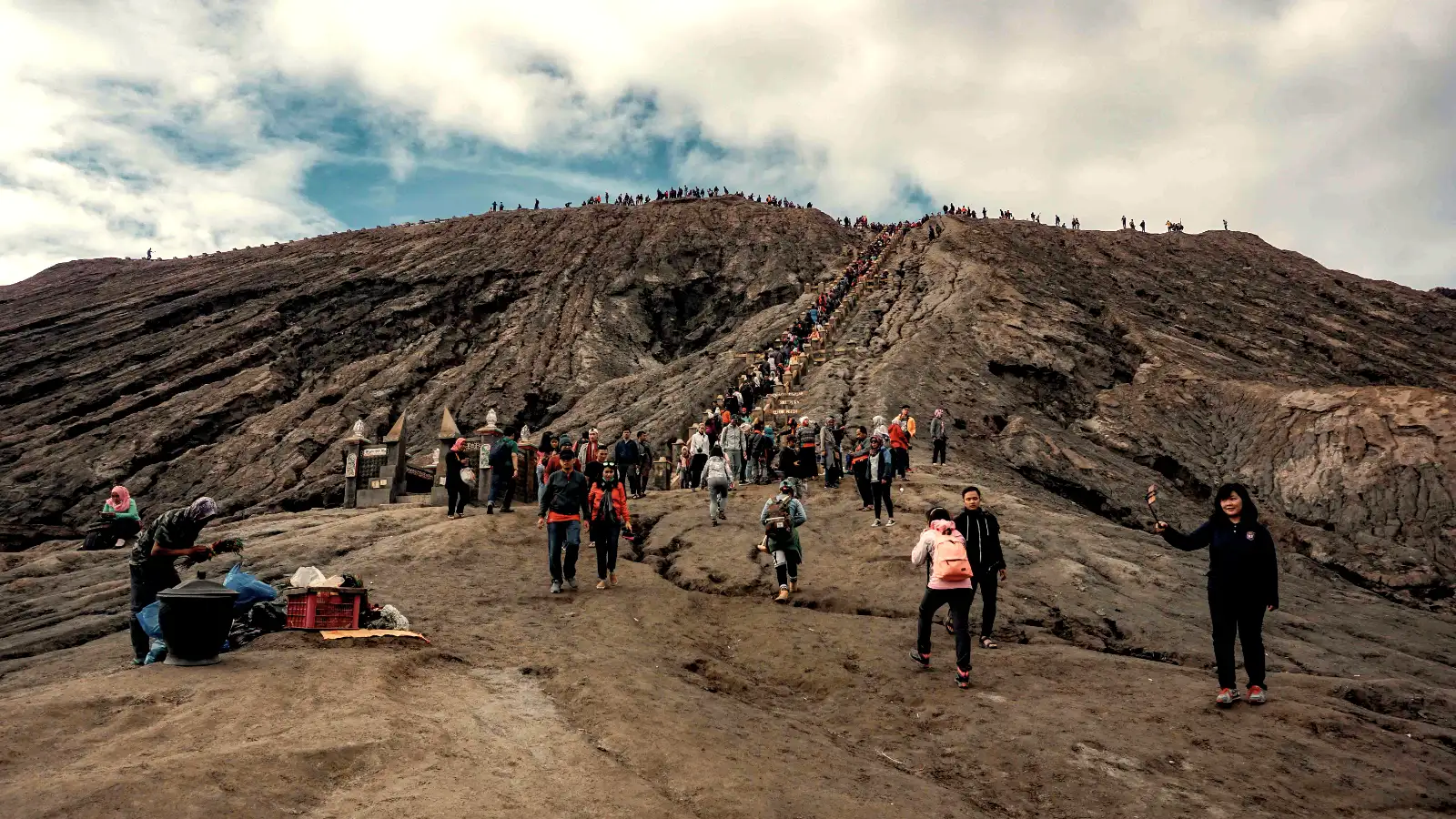
Layering is the secret to survival during a Bromo jeep tour. Temperatures at the viewpoints can dip as low as 5°C (41°F) before the sun rises. Start with a moisture-wicking base layer, add a warm fleece, and top it with a windproof jacket.
Once the sun peaks, the temperature climbs rapidly. You will want to peel off those heavy layers as you hike across the Sea of Sand. Carrying a small backpack to store your extra clothing is essential for comfort throughout the morning.
Footwear and Protection
Leave the flip-flops at your hotel. The terrain is a mix of loose volcanic ash, steep stairs, and uneven rocks. Sturdy sneakers with good grip are the minimum requirement, while hiking boots are ideal for ankle support.
Dust is a major factor, especially during the dry season. A simple surgical mask or a buff will protect your lungs from the fine volcanic particles kicked up by the wind and jeeps. Don’t forget polarized sunglasses to shield your eyes from both the glare and the blowing sand.
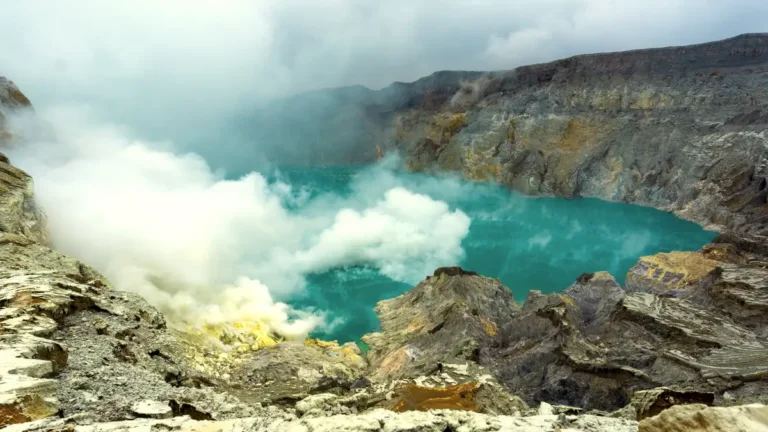
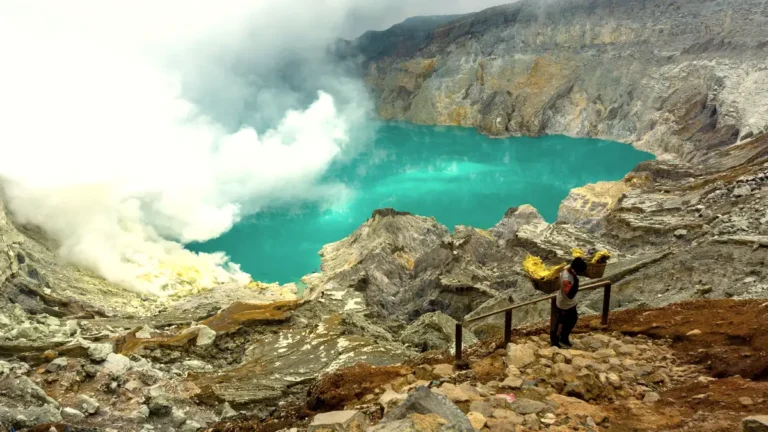
Planning an extended trip through Indonesia? You can dive deeper into the volcanic landscapes by exploring our Ijen crater tour or securing a comprehensive Mount Bromo tour. Many travelers find that a combined Bromo Ijen tour is the most efficient way to see the best of the region. For those wanting a broader look at the island’s wonders, our East Java tour packages offer everything from waterfalls to ancient cultures.
Physical Preparation and Health
You don’t need to be an Olympic athlete, but Bromo demands a base level of fitness. The climb to the crater rim involves over 250 concrete steps that can feel like a lung-buster in the thin altitude. The air is notably thinner at 2,300 meters above sea level.
Walking through the sand is surprisingly tiring. Imagine walking on a beach, but with heavy shoes and a slight uphill incline. If you have any knee or respiratory issues, consider taking one of the local horses for the trek across the caldera floor.
Managing Altitude and Air Quality
Altitude sickness is rare at Bromo’s height, but it can still cause headaches for some. Drink plenty of water and avoid excessive alcohol the night before your climb. Staying hydrated helps your body adjust to the elevation and the dry, dusty conditions.
The sulfur gas at the crater rim can be intense depending on the wind direction. According to scientific data on volcanic emissions, these gases can irritate the throat and eyes. If the smell becomes overwhelming, move away from the edge immediately.
Navigating Logistics and Transportation
Most tours begin with a midnight departure from your base in Probolinggo, Malang, or Surabaya. The drive is winding and dark, so bring motion sickness tablets if you are prone to nausea. Private jeeps are the standard for entering the park, as the terrain is far too rough for normal cars.
Your jeep driver is your lifeline. They navigate the pitch-black Sea of Sand with an intuition that only comes from years of experience. Be prepared for a bumpy ride; it’s part of the adventure, but keep your seatbelt fastened at all times.
Booking the Right Experience
Do you want a private VIP experience or a budget-friendly shared group? Shared tours are cheaper but offer less flexibility in timing. If you want to spend extra time at the crater or find a quieter viewpoint, a private tour is well worth the investment.
Ensure your tour includes all necessary permits and entrance fees. Scams occasionally occur where tourists are asked for “extra” fees at unofficial checkpoints. Booking through a reputable agency ensures your paperwork is legitimate and your transit is secured.
Cultural Expectations and Etiquette
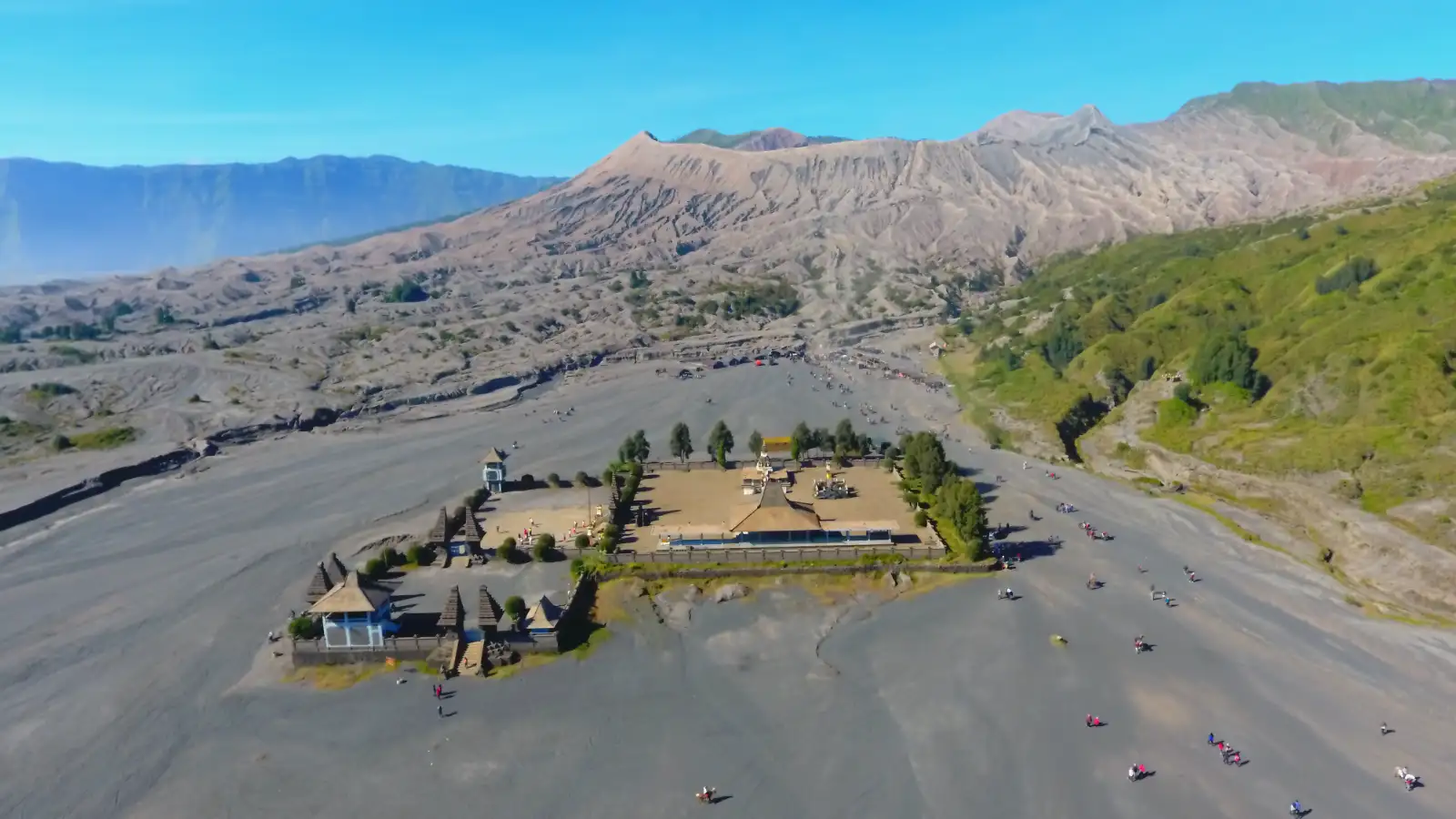
Mount Bromo is not just a geological wonder; it is a sacred site for the Tenggerese people. They are a Hindu community who have lived in these highlands for centuries. The Pura Luhur Poten temple at the base of the volcano is the spiritual heart of the park.
Be respectful when taking photos of locals or their homes. A simple “Permisi” (Excuse me) and a smile go a long way. During certain festivals like Yadnya Kasada, thousands of pilgrims climb the volcano to throw offerings into the crater.
Responsible Tourism
Trash is a growing problem in the national park. Always carry your plastic waste back out with you and avoid leaving anything on the trails. Respect the boundaries set by the rangers, especially around the crater rim where the ground can be unstable.
Supporting the local economy is easy—buy a coffee or a snack at a local warung in Cemoro Lawang. These small family-run stalls are the backbone of the community. Plus, a hot ginger tea is the perfect cure for the morning chill.
Common Mistakes to Avoid
The biggest mistake is arriving too late. If your jeep leaves late, you will be stuck in a traffic jam of hundreds of other vehicles. This could mean missing the actual sunrise and only seeing the “afterglow,” which is still beautiful but not the main event.
Don’t underestimate the cold. We see travelers every day in shorts and t-shirts who are miserable by the time they reach the viewpoint. Even if it was 30°C in Surabaya, the mountain is a different world entirely.
Finally, don’t forget to charge your camera batteries. The cold drains electronics much faster than normal. Bring a power bank and keep your phone or camera close to your body to keep the batteries warm during the wait for the sun.
Continue Your Adventure
Mount Bromo is just the beginning of what East Java has to offer. Consider extending your journey to see the blue fires of Ijen or the towering waterfalls of Malang. Check out these curated adventures to round out your itinerary:
- Secure Your Guaranteed Departure – The easiest way to lock in your professional local guide and transport today.
- Mount Bromo Tour from Yogyakarta – A seamless transit from the cultural capital of Java straight to the volcanic peaks.
- Bromo Trip from Bali (2D1N) – Perfect for travelers wanting a quick but high-impact escape from the island of the gods.
- Surabaya to Bromo Overnight – The most popular route for international travelers arriving via Surabaya International Airport.
- Probolinggo Day Trip – The shortest and most direct route for those already staying near the national park gates.
- Ultimate Sunrise Experience – A dedicated tour focused entirely on capturing that perfect 4 AM light.
Ready to Stand on the Edge of Tomorrow?
Don’t leave your Bromo experience to chance. Our local experts handle the logistics, safety, and timing so you can focus on the view.
Frequently Asked Questions
Q: Which viewpoint is the least crowded?
A: King Kong Hill and Penanjakan 1 are the most famous and most crowded. For a quieter experience, ask your guide to take you to Seruni Point or Perahu Hill. While the angle is slightly lower, you’ll have much more space to enjoy the view without thousands of elbows in your shot.
Q: How bad is the dust?
A: During the peak of the dry season, the dust is significant, especially in the Sea of Sand. It’s a fine volcanic ash that gets everywhere. We highly recommend wearing a buff or a high-quality N95 mask and keeping your camera equipment in a sealed bag when not in use.
Q: Can elderly travelers handle the stairs?
A: The 250 stairs to the crater rim are steep and can be challenging. However, elderly travelers can still enjoy the sunrise from the jeep viewpoints which require very little walking. For the crater, hiring a horse can save significant energy, leaving only the stairs to manage at your own pace.
Q: Is the horse riding ethical?
A: Horse handling standards vary. Many local owners take great pride in their horses, while others may not meet every international standard. If you choose to ride, pick a horse that looks well-fed and healthy. This income is a vital part of the local Tenggerese economy.
Q: How cold does it really get?
A: It can drop to 3°C or 5°C (mid-30s Fahrenheit) before sunrise. With the wind chill on the exposed ridges, it feels much colder. You will see locals renting out heavy jackets at the base camp for a small fee if you didn’t bring enough layers.