
How Long Does It Take to Hike to Ijen Crater? Here Are the Time and Route!
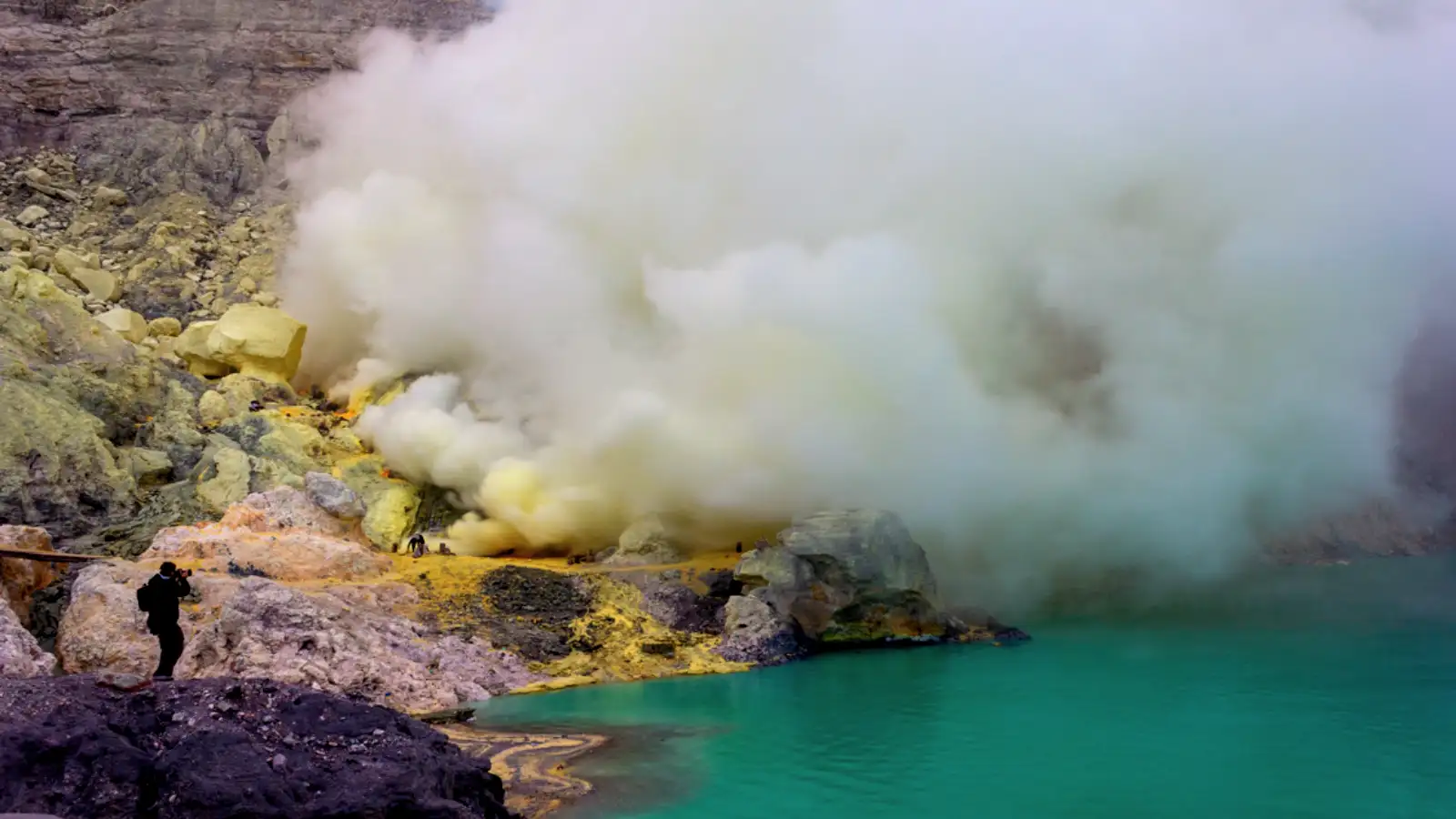
A standard hike to the Ijen Crater rim takes between 1.5 to 2 hours for the average hiker covering 3 kilometers. If you plan to descend for the Blue Fire, add another 45 minutes. Total round-trip time, including sightseeing, usually spans 5 to 7 hours starting from midnight.
Embarking on a journey to the heart of East Java’s volcanic landscape is a bucket-list item for many. However, the most common question remains: how long does it actually take to reach the summit? Understanding the timeline is crucial, especially if you are aiming to witness the rare natural phenomenon of the Electric Blue Fire. This comprehensive Ijen Crater travel guide provides the granular details needed for both budget-conscious backpackers and luxury seekers.
What You Need to Know
- Total Distance: 3 km one-way to the rim (6 km round trip).
- Elevation Gain: Approximately 450 meters from Paltuding (1,850m to 2,300m).
- Difficulty: Moderate to challenging (steep initial incline).
- Optimal Start Time: 01:00 AM – 02:00 AM to catch the Blue Fire.
- Key Highlights: Acidic Turquoise Lake, Blue Fire, and the world’s most hardworking sulfur miners.
Table of Contents
Why Trust This Guide
At Ijen Crater Tour, we specialize in East Java expeditions, having led thousands of international travelers through the rugged terrain of Mount Ijen. Our team consists of local experts who have navigated these trails in every imaginable weather condition. We don’t just provide logistics; we provide deep cultural insights into the lives of the sulfur miners and the unique geology of the Ijen plateau.
Our expertise is recognized by global travel communities for our commitment to safety, sustainability, and high-quality service. Whether you are looking for a rugged adventure or a luxury Ijen tour from Surabaya, we ensure your timing is perfect to avoid the crowds and capture the best photography light.
The Distance and Duration of the Ijen Hike
The trek to Ijen Crater starts at the Paltuding Basecamp, which sits at an elevation of roughly 1,850 meters above sea level. From this point, the trail to the crater rim spans approximately 3 kilometers. For a person with average physical fitness, this ascent typically takes between 90 minutes and 2 hours. The trail is well-maintained but deceptively steep, particularly during the first two kilometers where the incline remains constant.
If your goal is to see the famous Blue Fire, you must factor in an additional descent from the rim down to the lake’s edge. This descent is rocky, narrow, and often crowded with miners carrying heavy baskets of sulfur. It takes about 30 to 45 minutes to reach the bottom. Remember, you must climb back up this same rocky path to witness the sunrise from the rim, which adds another hour of physical exertion to your total time.
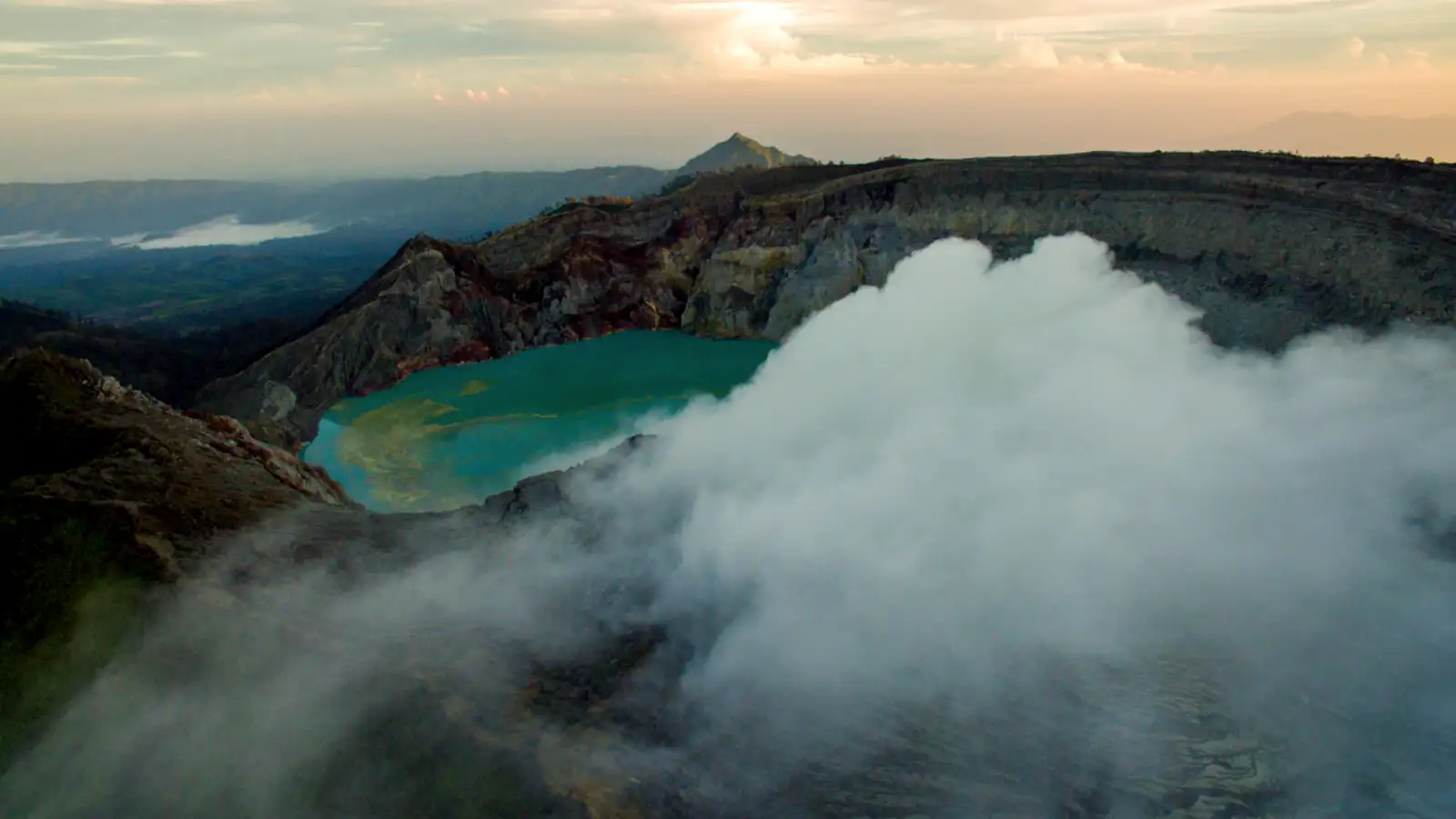
For those who might find the steepness daunting, there is a local “taxi” service—trolleys pushed by local miners. While this significantly reduces the physical toll, it doesn’t always speed up the time, as the trolleys move at a steady walking pace. Most travelers spend at least 1.5 to 2 hours at the summit and the lake area to take photos and enjoy the surreal turquoise view of the world’s most acidic lake.
In total, you should budget 5 to 7 hours for the entire experience. This includes the 2-hour ascent, 1 hour for the Blue Fire descent/ascent, 1.5 hours of sightseeing at sunrise, and about 1 to 1.5 hours for the descent back to Paltuding. Starting your journey at 2:00 AM ensures you reach the rim by 4:00 AM, giving you ample time for all activities before the heat of the day sets in.
The Route Breakdown: Step-by-Step
The trail at Mount Ijen is divided into three distinct phases, each offering different challenges and views. Understanding these phases helps hikers pace themselves and manage their energy levels throughout the night.
Phase 1: The Steep Ascent (0 – 2 km)
This is the most physically demanding part of the hike. Immediately after leaving the Paltuding gate, the path tilts upward. The ground is a mix of packed dirt and sand, which can be slippery. There are few “flat” spots here, so it is vital to keep a slow and steady rhythm. Many hikers make the mistake of starting too fast and burning out within the first 20 minutes.
Phase 2: The Flat Section and the “Canteen” (2 – 2.5 km)
After the grueling first two kilometers, the trail levels out significantly. You will reach a small building known as the “Canteen” or Pos Bundar. This is the perfect spot for a quick rest, some tea, or a snack. From here, the path winds gently around the side of the mountain, offering the first glimpses of the surrounding peaks under the starlight.
Phase 3: The Rim and Lake Descent (2.5 – 3 km+)
The final stretch to the rim is a mix of light inclines and flat paths. Once you reach the rim, the wind usually picks up, and the smell of sulfur becomes more prominent. If you are descending for the Blue Fire, this is where the “real” adventure begins. The path down to the crater floor is not a standard trail; it is a rocky scramble. You must use your hands for balance and yield to the sulfur miners who have the right of way.
Factors Influencing Your Hiking Time
While the average time is 2 hours, several variables can change your experience. Crowds are a significant factor. On weekends or public holidays, the trail can become congested, especially the narrow descent into the crater. During these times, your descent for the Blue Fire might take twice as long as you wait for others to pass on the narrow ledges.
Weather conditions in East Java can be unpredictable. During the rainy season (November to March), the trail can become muddy and slippery, slowing down your pace. Additionally, high winds at the summit can sometimes lead to trail closures or restricted access to the crater floor for safety reasons due to concentrated sulfur gas.
Individual fitness and acclimatization also play a role. While Ijen isn’t a “high altitude” trek compared to the Himalayas, the air is thinner than at sea level, and the sulfur fumes can make breathing more difficult. If you are combining this trip with a Mount Bromo tour from Bali, ensure you have had enough rest between these two physical activities.
Preparing for the Midnight Trek
Preparation for Ijen starts long before you reach the trailhead. If you are staying in Banyuwangi, you will usually be picked up around midnight. If you are coming as part of a Bromo Ijen tour from Surabaya, you might arrive at your hotel the evening before to get a few hours of sleep.
Hydration and nutrition are key. Eat a carb-heavy meal the night before, but avoid anything too spicy or heavy that might upset your stomach during the hike. Bring at least 1.5 liters of water and some high-energy snacks like chocolate or nuts. The temperature at the basecamp can be around 10-15°C, but it can drop to 5°C or lower at the summit with wind chill.
Essential Gear for Ijen Crater
| Item | Why You Need It |
|---|---|
| Gas Mask | To filter out toxic sulfur dioxide fumes. |
| Headlamp | Essential for navigating the dark trail. |
| Layers (Jacket/Fleece) | Temperatures drop significantly at the summit. |
| Trekking Shoes | The trail is steep and can be slippery/sandy. |
| Gloves | Keeps hands warm and protects them during the rocky descent. |
Other Popular Tour Packages
If you’re looking to extend your adventure across East Java, consider these top-rated tour options:
- Comprehensive Ijen Crater Tours
- Mount Bromo Sunrise Expeditions
- The Classic Bromo Ijen Combination
- East Java Ultimate: Bromo, Ijen & Tumpak Sewu
Ready for Your Adventure?
The hike to Ijen Crater is more than just a physical challenge; it is a sensory journey into one of the most unique environments on Earth. Whether you are coming for the scientific marvel of the Blue Fire or the breathtaking sunrise over the turquoise lake, timing is everything. Don’t leave your logistics to chance—book with the experts who know every turn of the trail.
WhatsApp: +62 851-8531-9904 | 📧 Email: ijencratertourofficial@gmail.com
Frequently Asked Questions (FAQ)
A: Yes, it is manageable for beginners with a basic level of fitness. However, the first 2km are quite steep, so taking frequent breaks is recommended.Q: What time should I start the hike to see the Blue Fire?
A: Most tours start at 01:00 AM or 02:00 AM from the Paltuding basecamp. You must reach the crater floor before dawn to see the Blue Fire clearly.Q: Can I hike Ijen without a guide?
A: While possible, it is highly discouraged for night treks. A guide ensures your safety regarding sulfur gas levels and helps navigate the rocky descent into the crater.
Q: Is it safe to breathe the air at the crater?
A: It is safe as long as you wear a professional-grade gas mask with a sulfur filter. Standard medical masks are not sufficient.
Q: Are there toilets on the trail?
A: There are basic toilet facilities at the Paltuding basecamp and near the “Canteen” halfway up. There are no facilities at the summit or inside the crater.
For more information on planning your trip to East Java, visit our partners at Ijen Expedition.